REVIEW · GILI ISLANDS
Rinjani Trekking Three Days Two Night Summit Lake
Book on Viator →Operated by Gili Recommended · Bookable on Viator
Three days on Mount Rinjani is not gentle. The payoff is real: sunrise from 3,726 meters and time in and around Segara Anak crater lake. The catch is the hike up and down can feel brutal, so only sign up if you’re comfortable with steep climbing and long days.
You’ll start early from Bangsal at 7:00am (pickup is offered), then trek through farmer fields and tropical rainforest before settling at base camp areas. This is a small-group adventure (max 10 people), which usually means less waiting around and more time actually moving with your guide.
In This Review
- Key points before you go
- Entering the Rinjani world: Bangsal to the start of the climb
- Day 1: Farmer fields, tropical rainforest, and Base Camp III lunch
- Day 2: Optional sunrise, Rim views, then the 2-hour descent to Segara Anak
- Day 3: Summit push to 3,726 meters and the sunrise payoff
- Who this trek suits best (and who should think twice)
- Group size, guidance, and the kind of support you may get
- Pacing, weather, and what the “good weather” requirement means
- What you’re paying for: value of $519.54 per person
- Day-to-day reality: what each part feels like on your body
- Packing and practical tips that matter for this specific trek
- Should you book the 3-day, 2-night Rinjani summit trek?
- FAQ
- Where is the meeting point for this trek?
- What time does the tour start?
- How long is the trek?
- Is pickup available?
- How many people are in the group?
- What fitness level do I need?
- What do you do on Day 2?
- What is the summit height on Day 3?
- Is an admission ticket included?
- What happens if the weather is bad?
- What is the cancellation timeline for a full refund?
Key points before you go
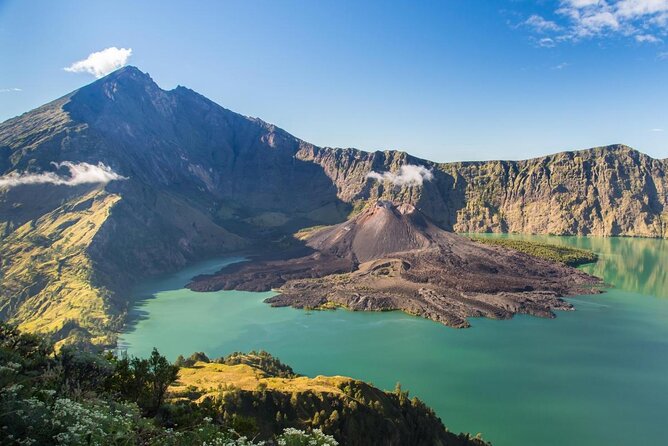
- Bangsal meeting point at 7:00am sets a clear start, with pickup offered.
- Sunrise is a feature twice: an optional early sunrise on Day 2, plus the big summit sunrise on Day 3 at 3,726m.
- Segara Anak crater lake time comes after breakfast, with a descent into the crater on Day 2.
- Base Camp III lunch around noon on Day 1 helps you pace your energy early.
- Group size stays small (max 10), and the team may be flexible if your body needs a shorter plan.
Entering the Rinjani world: Bangsal to the start of the climb
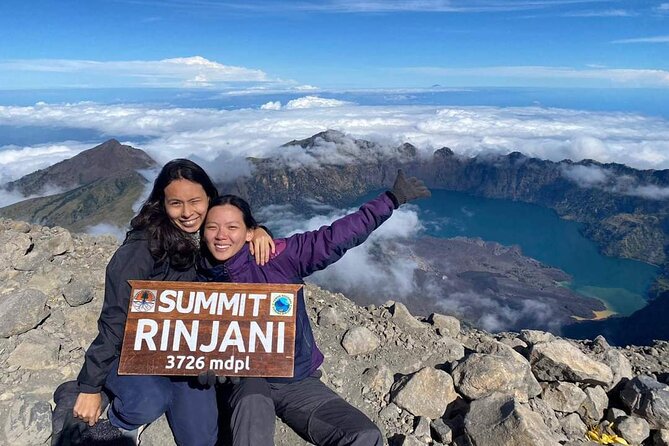
This trek runs out of Lombok’s Bangsal area, with your meeting point listed as Bangsal, 83352. The start time is 7:00am, so even if you’re staying on the Gili Islands (where the tour is marketed from), plan your morning logistics carefully. Pickup is offered, but you’ll still want to be mentally ready for an early start—Rinjani rewards people who show up on time.
What I like about this setup is that it takes you from island easy mode into the real deal quickly. You’re not drifting into the mountains later in the day; you’re getting on trail while the weather is usually cooler and the air feels less heavy. It also means your first day isn’t just a travel day. You actually start climbing right away.
Day 1: Farmer fields, tropical rainforest, and Base Camp III lunch
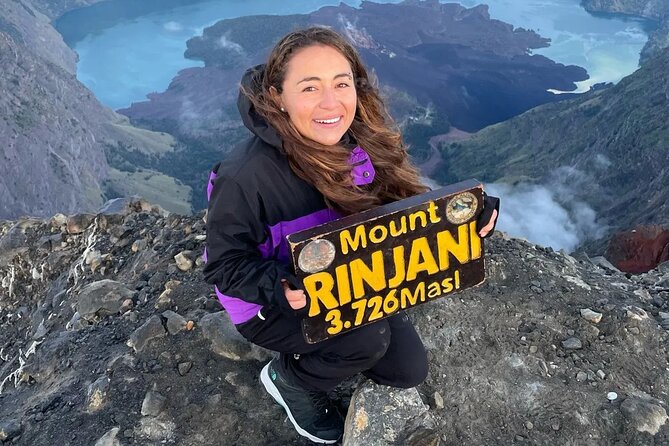
Day 1 is all about transition and altitude attitude. You begin the climb after leaving the RTC (as listed), moving through local farmer fields and then into tropical rainforest during the cool morning hours. That first stretch matters. It builds rhythm, not just distance, and it helps you get used to walking on uneven ground before the bigger effort days.
Around 12:00pm, you’ll arrive at Base Camp III for lunch. That noon meal break is useful because it gives you a built-in checkpoint. In treks like this, you don’t just need willpower—you need controlled pacing, steady fuel, and a chance to regroup.
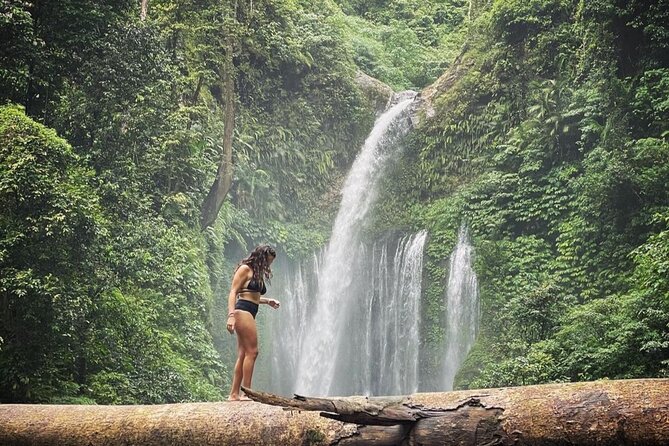
The itinerary also points out the chance to observe wild monkeys around the area. That’s a small detail, but it’s the kind that makes the trek feel alive instead of mechanical. You’re moving through working landscapes, not just climbing a line on a map.
Potential drawback to keep in mind: Day 1 can still feel like a wake-up call even though it’s shorter on the description. You’re starting early and walking through changing terrain, so don’t treat it like a warm-up stroll.
Day 2: Optional sunrise, Rim views, then the 2-hour descent to Segara Anak
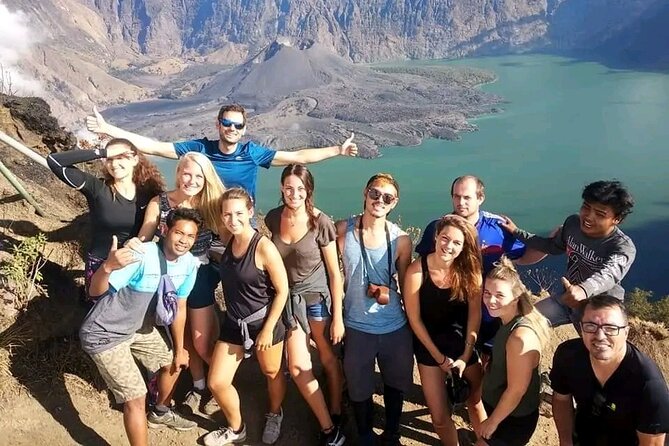
Day 2 is where the trek starts showing its personality. There’s an option to get up early to watch sunrise, and the plan notes that after breakfast you’ll enjoy lake views from the Rim before you start your descent.
That Rim time is not just pretty scenery. It’s also a breathing moment. You’re looking out from above the crater area, which helps you understand what you’re working toward. Then you shift into the part of the trek that demands patience: a 2-hour descent into the crater to reach Segara Anak lake.
Segara Anak is the main emotional anchor of this itinerary. After climbing and negotiating steep trail earlier in the trek, the crater descent gives you that rare feeling of being inside a volcanic bowl. You’ve got the lake in sight as you go, and you’re not guessing what the effort buys you.
This day also includes admission ticket coverage in the itinerary details, and the activity is listed for about 8 hours. That matters for planning because it tells you you’ll be out for a substantial chunk of the day, not just “a quick walk and lunch.”
How to think about the descent: descents can be harder than ascents on your knees and shins. This is where trekking poles can help a lot, and where pacing beats speed. If you’re the type to force pace, Day 2 will teach you humility.
Day 3: Summit push to 3,726 meters and the sunrise payoff
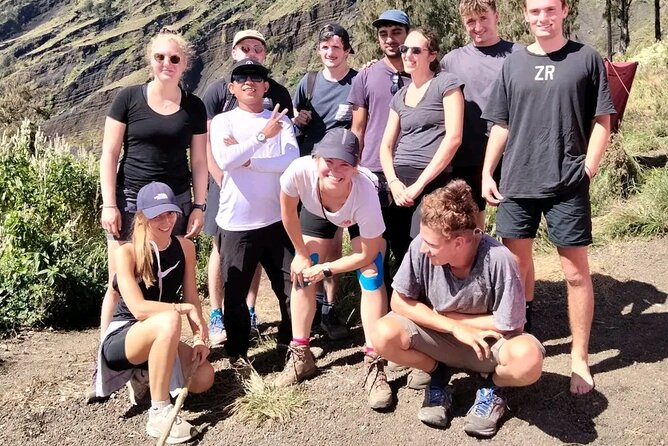
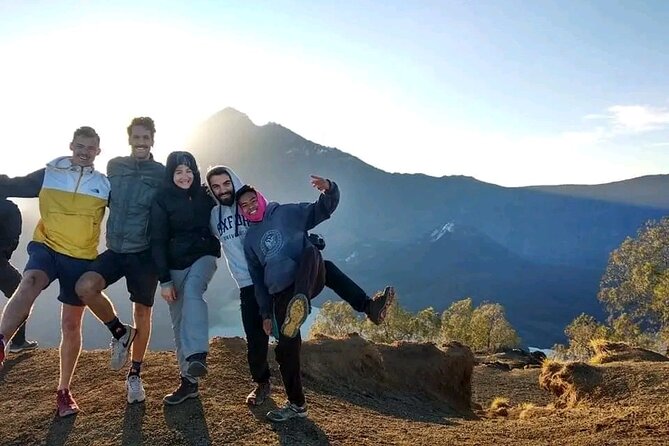
Day 3 is the big one. The plan says you start a 3-hour climb to the summit of Mount Rinjani to catch sunrise at 3,726 meters. That’s not a casual hike. It’s a targeted summit effort with timing built around low-light conditions, cold air risk, and the simple fact that climbing gets harder as the morning progresses.
Once you reach the top, you’ll take in the view from the summit, and then you head back down again to camp for a late 10:00am descent phase (the itinerary text cuts off mid-sentence, but the meaning is clear: you’re returning downward in the morning window after sunrise).
Why this day is so valued is obvious when you’re actually standing there—sunrise from altitude is one of those experiences that makes everything feel louder: wind, light, and the vastness around you. You also get a clear emotional arc: early climb, summit reward, then the long work of coming back down.
Reality check: even with a guide, this is the kind of day where you need mental stamina as much as physical fitness. If you’re not used to steep uphill walking (and downhill control), the summit push may feel like a grind.
Who this trek suits best (and who should think twice)
This tour is listed for travelers with moderate physical fitness—but “moderate” doesn’t mean easy. Based on the kind of feedback the trek tends to attract, this is best for people who have done multi-hour hikes before and understand what steep trail feels like in real life.
If you’re an experienced trekker: you’ll likely appreciate the clean structure. Day 1 brings you in, Day 2 gets you to the crater and lake area, and Day 3 delivers the summit sunrise.
If you’re newer to trekking: you can still be physically capable, but you should be honest about your tolerance for long, demanding hiking. The key warning here isn’t the altitude number alone—it’s the combination of early starts, steep angles, and the fact that you’re doing this over three days.
One more practical fit point: the tour has a maximum of 10 travelers, so it’s not a huge group scramble. That’s generally better for pacing and for sticking together. But it also means you should be ready to keep up. There isn’t a slow-lane crowd behind you.
Group size, guidance, and the kind of support you may get
The tour caps at 10 travelers, which I consider a sweet spot for hikes. You avoid the feeling of being lost inside a big convoy, and you’re more likely to move with your group rather than play catch-up.
The guide support seems to be a real part of the experience. In at least one case tied to this trek, someone with physical complaints was able to switch spontaneously to a 2-day tour without drama. That’s the kind of flexibility you hope for when you’re in the mountains and your body doesn’t cooperate.
Still, don’t assume your day will magically change. If you think you might struggle, tell your guide early and be upfront about your limits. Early communication is what makes adjustments possible.
Pacing, weather, and what the “good weather” requirement means
The tour is marked as requiring good weather. That’s not a throwaway line. For sunrise-focused treks, visibility is everything, and safety planning depends on conditions. If the trek is canceled due to poor weather, you should expect either a different date or a full refund.
So how do you prepare your brain for weather uncertainty? Treat it like a plan-with-a-backup. Don’t book other tight travel connections on your final day unless you leave margin.
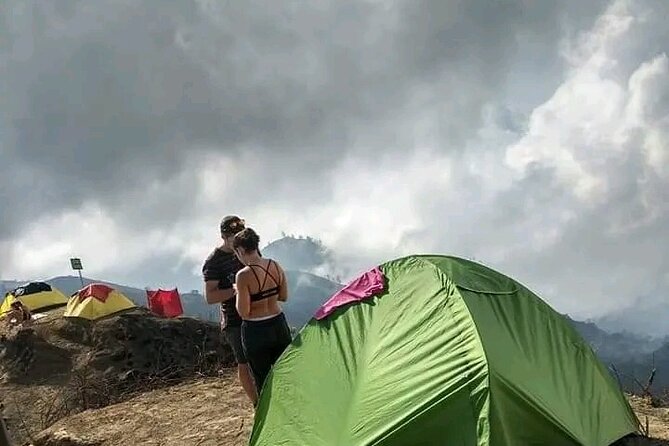
On the trail, the itinerary includes sunrise opportunities both on Day 2 (optional) and Day 3 (summit). That means cold air and early darkness are part of the package. Even if the days are warm, mornings at altitude can surprise you. Bring layers you can handle quickly, and don’t rely on one outfit working all day.
What you’re paying for: value of $519.54 per person
At $519.54 per person for a 3-day, 2-night trek, this isn’t the cheapest way to do Rinjani. But it also isn’t “paying for a chair and a view.” You’re paying for the organized structure that turns a mountain into a managed experience: getting you into the right starting area, coordinating the multi-day route, and bundling key access elements.
One concrete piece of value from the itinerary: admission ticket included on Day 2 (and Day 3 lists admission as free). Add the fact that you’re hiking with a team and moving across multiple significant locations (base camp area, Rim, crater descent, summit), and the price starts to make more sense.
Also factor in group size. A maximum of 10 trekkers usually means you aren’t dealing with a massive slow-moving crowd. That helps keep the itinerary from feeling like a waiting game, which is where cheaper tours can end up frustrating.
If you’re trying to judge value, use this rule: this trek is worth it if you want the whole arc—Rim to crater lake to summit sunrise—rather than just “a taste” of Rinjani.
Day-to-day reality: what each part feels like on your body
Here’s the body logic I’d use when deciding if this fits you.
- Day 1 sets your baseline. Rainforest and uneven trail plus a lunch at base camp around noon means you’ll be working steadily early, not conserving for later.
- Day 2 turns the effort into a sequence: Rim viewing, then a 2-hour descent. This is the day your knees and shins notice first.
- Day 3 is the steepest focus. A 3-hour climb timed for summit sunrise means you’ll want steady breathing and smart steps, not bursts of speed.
This tour can be amazing even if you’re tired. But if you dread long uphill days, it will feel like punishment more than adventure.
The best preparation is mental and physical. Mentally: expect steep, expect early wake-ups, expect to move at a steady pace. Physically: build up to hikes that include stairs, hills, or uneven ground.
Packing and practical tips that matter for this specific trek
I’m not going to pretend the listing tells you every gear detail, but for a multi-day summit sunrise trek like this, your choices make a big difference.
- Wear footwear you trust on uneven ground. The crater descent on Day 2 is where slick soles and weak ankle support show up.
- Bring a light layer for early morning. Sunrise starts mean chilly air is part of the plan.
- Plan for dry-wet swings. Even when conditions are good, mountain weather can change quickly.
- Expect to carry your essentials. This kind of trek usually doesn’t feel like “hands free tourism.”
If you’re unsure about your gear setup, ask before you go. It’s usually easier to fix problems pre-trip than solve them at trailhead time.
Should you book the 3-day, 2-night Rinjani summit trek?
Book it if you want sunrise-focused adventure with the full Rinjani storyline: Rim views, Segara Anak crater lake, and a summit at 3,726 meters. This is also a good fit if you’re comfortable with steep hiking and you like a tight group size (max 10) where you’re not stuck waiting around for strangers.
Skip it or think hard if you know you avoid steep trail, you get knee pain on descents, or you’re not used to multi-day physical effort. You may still be able to do a shorter version if your guide can help adjust plans, but don’t count on it as a safety net.
If you’re the kind of person who wants scenery to match the effort—this trek usually delivers. Just go in with respect for the mountain, and you’ll come away with a real story, not just a checkbox.
FAQ
Where is the meeting point for this trek?
The ticket redemption point is Bangsal, 83352, Pemenang Bar., Kec. Pemenang, Kabupaten Lombok Utara, Nusa Tenggara Bar., Indonesia.
What time does the tour start?
The start time is 7:00am.
How long is the trek?
It runs for about 3 days.
Is pickup available?
Yes, pickup is offered.
How many people are in the group?
The tour has a maximum of 10 travelers.
What fitness level do I need?
The trek is listed for travelers with moderate physical fitness.
What do you do on Day 2?
You can get up early for sunrise, have breakfast, enjoy lake views from the Rim, then descend into the crater for Segara Anak.
What is the summit height on Day 3?
The summit sunrise is planned at 3,726 meters.
Is an admission ticket included?
Day 2 lists an admission ticket as included, and Day 3 lists admission as free.
What happens if the weather is bad?
If it’s canceled due to poor weather, you’ll be offered a different date or a full refund.
What is the cancellation timeline for a full refund?
Free cancellation is available up to 24 hours in advance of the experience start time for a full refund.