REVIEW · POKHARA
3 Day Australian Camp Dhampus Ghandruk Easy Trek in Pokhara
Book on Viator →Operated by Shriyan World Wide Tours Private Limited · Bookable on Viator
A short trek in Nepal, with big payoff, starts with one simple decision: taking the easy route. This 3-day walk links Annapurna and Machhapuchhre views with close-up Gurung village life—without the stress of a long, technical trek. I especially like how the timing stays manageable, and how the journey feels like a real day-to-day walk through the hills. One possible drawback: the trek is easy, but your comfort still depends on your guest house basics and what you choose to buy for meals along the way.
You’ll start and end in Pokhara, with pickup from the lakeside area, plus a private car transfer and an English-speaking guide. It’s built for beginners and families, and the route includes a mix of forest paths, village streets, and a steady descent that feels good at the end. If you’re thinking about value, double-check that meals are not included, since that’s the main extra cost you’ll control.
In This Review
- Key Things I’d Prioritize Before You Go
- Pokhara to the Trek Start: Why the First Hour Matters
- Kande to Australian Camp: Forest Steps and Big-View Payoff
- The second Australian Camp walk: more culture, another viewpoint
- Ghandruk: Gurung Village Life and the Museum Stop
- Sunrise, Descent, and Birethanti: The Day That Finishes Smooth
- Price and Value: Is $195 Fair for This Easy Trek?
- What’s Included vs. What You’ll Need to Plan for
- Included (you can plan around this)
- Not included (what usually surprises people)
- Who This Trek Suits Best (and Who Should Think Twice)
- Should You Book This 3-Day Dhampus–Ghandruk Easy Trek?
- FAQ
- How long is the Australian Camp Dhampus Ghandruk easy trek?
- Where does pickup and drop-off happen in Pokhara?
- Is the trek difficult?
- What is included in the price?
- Are meals included?
- Do I need a trekking permit and TIMS card?
- Is this a private tour?
- What kind of accommodations should I expect?
- Can I get a full refund if I cancel?
Key Things I’d Prioritize Before You Go
- Pickup from Pokhara lakeside and round-trip private car transfers make logistics painless.
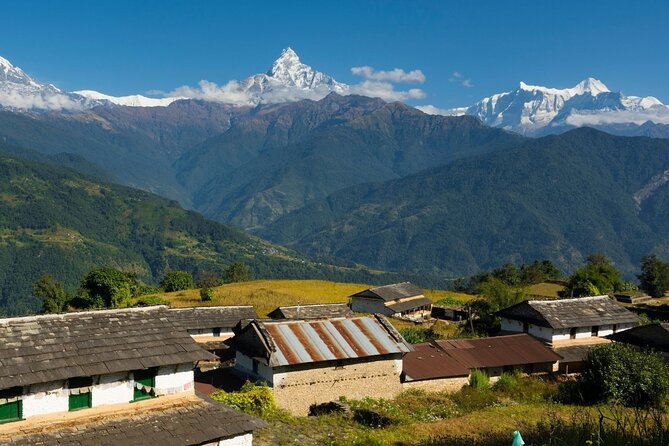
- Annapurna and Machhapuchhre viewpoint time at Australian Camp is the headline moment.
- Ghandruk village + Gurung Museum turns scenery into culture you can actually explain to friends.
- Easy pacing with gradual ascents and a downhill finish from Birethanti.
- Private trip for your group with an English-speaking trekking guide and first aid kit on hand.
- Budget for meals (not included; plan around about USD 25 per person per day).
Pokhara to the Trek Start: Why the First Hour Matters
Most Annapurna-region treks feel like a project the moment you leave your hotel. This one does the opposite. You’re picked up from within the Pokhara Lakeside area and moved by private car, which means you’re not guessing roads or negotiating rides before your first step.
From Pokhara, the plan includes a scenic drive toward Kande, with a short stop at Lumle along the way (about 50 minutes on that portion). Then you start trekking. That sequence is more than convenience. Starting near the trail head helps you use your limited time well. On a 3-day trek, every hour you save at the beginning buys you either an extra rest break or a less rushed hike later.
You’ll also want to know the trip is set up as a private activity: only your group participates. That’s a big deal for families and first-timers because you’re not stuck adjusting to other people’s speed, bathroom breaks, or gear questions.
You can also read our reviews of more tours and experiences in Pokhara.
Kande to Australian Camp: Forest Steps and Big-View Payoff
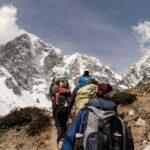
Day 1 is where the “easy” label becomes real. From Kande, you walk uphill through dense forest until you reach the top at Australian Camp. The hike portion is listed at about 3 hours, so it’s long enough to feel like a trek, but not so long that everyone arrives cranky and overheated.
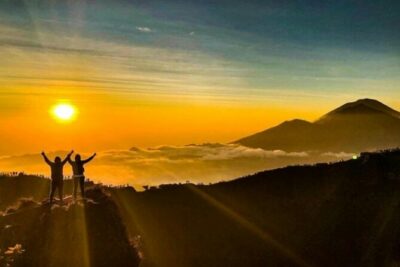
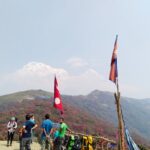
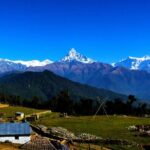
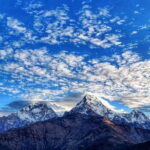
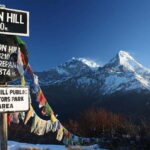
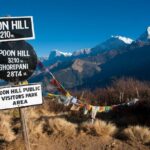
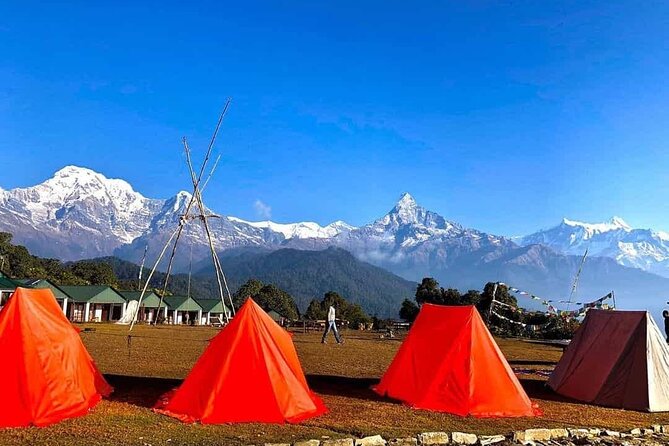
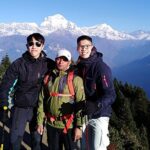
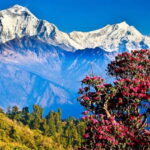
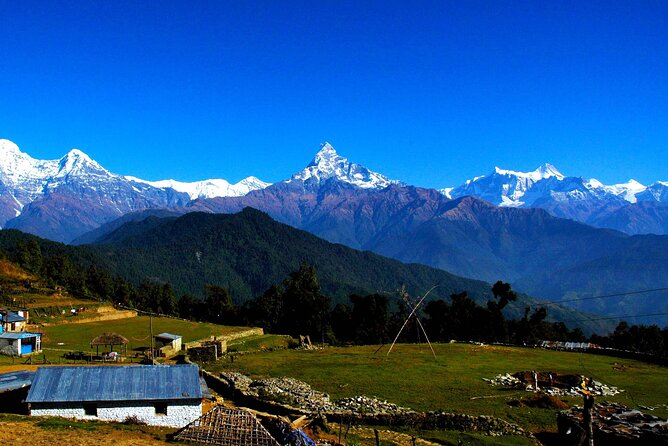
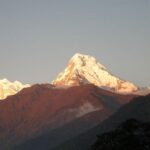
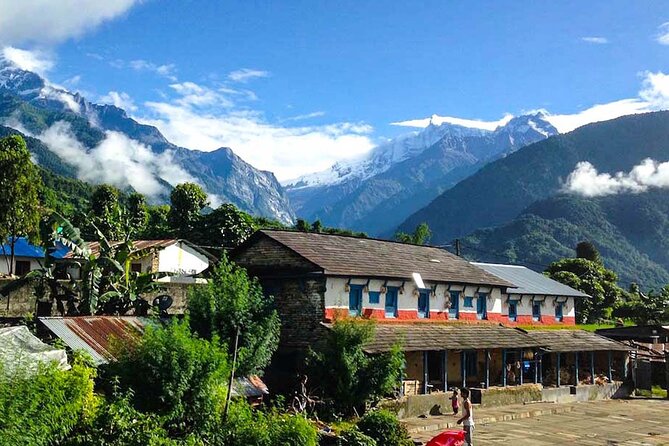
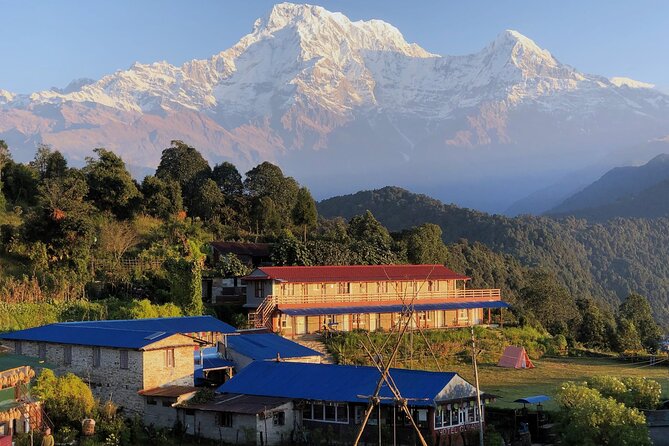
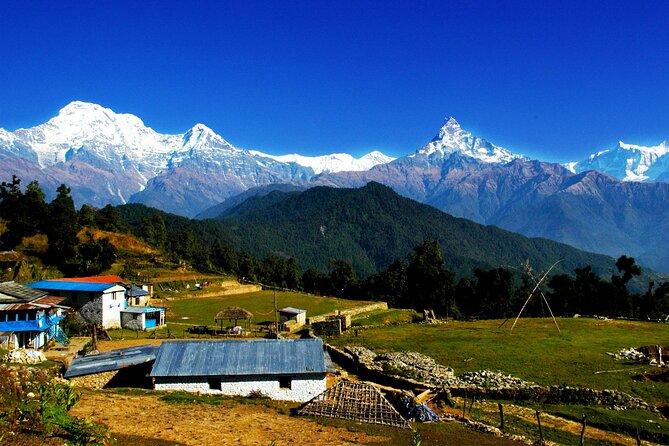
Once you reach Australian Camp, the reward is wide-open mountain views, including Annapurna ranges and Machhapuchhre. This viewpoint-style moment is the classic reason people do this area. You’re not just passing through a hamlet; you’re reaching a spot that’s meant for looking.
You’ll overnight at Australian Camp in basic guest house accommodation (included). That’s important for expectations. Basic doesn’t mean rough in every case, but it does mean you should travel prepared for simple rooms, simpler facilities, and less predictable warmth than city life.
The second Australian Camp walk: more culture, another viewpoint
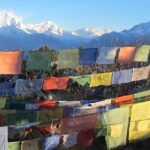
Day 1 includes a follow-up block at Australian Camp: you explore a typical Gurung village area and then head to a view point for another look at the mountain range. That’s about 2 hours.
One small detail to note: the plan lists admission ticket as not included for that specific Australian Camp exploration block. In practice, many places here don’t charge the way museums do, but you should still be ready for the possibility of a small local fee tied to access or a specific viewpoint spot.
Ghandruk: Gurung Village Life and the Museum Stop
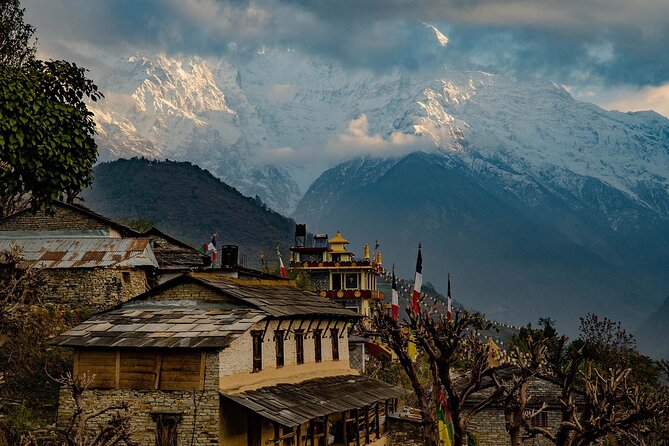
If Day 1 is about climbing to the views, Day 2 is about staying there long enough to understand what you’re seeing.
You’ll trek from Australian Camp to Ghandruk Village for about 5 hours. That’s still within an easy-trek category, but it’s longer than Day 1, so pacing matters. I’d treat this as a “watch the walking, not the clock” day: take steady steps, use breaks before you’re tired, and don’t compare your pace to anyone else.
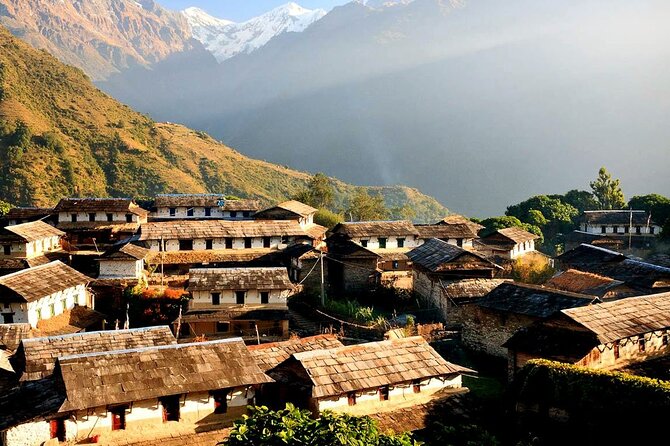
Once you arrive, you get more than postcard scenery. You’ll spend time in Ghandruk village, then visit the Gurung Museum. The museum piece is valuable because it gives you context for the people you’ve been walking among. Instead of treating Gurung culture like a background detail, you learn the story behind it, then you can look at houses, daily life, and community traditions with better understanding.
The plan also calls out panoramic mountain views around Ghandruk, so you’re likely to feel the payoff twice: once on arrival and again during breaks as you wander.
You’ll overnight in Ghandruk village, also in basic guest house accommodation. Again, you’ll want to pack with practicality in mind. If you’re someone who expects hotel-level bedding and quiet, you may have to adjust. If you’re okay with simple rooms and spending more energy outside, this kind of stay is part of the experience.
Sunrise, Descent, and Birethanti: The Day That Finishes Smooth
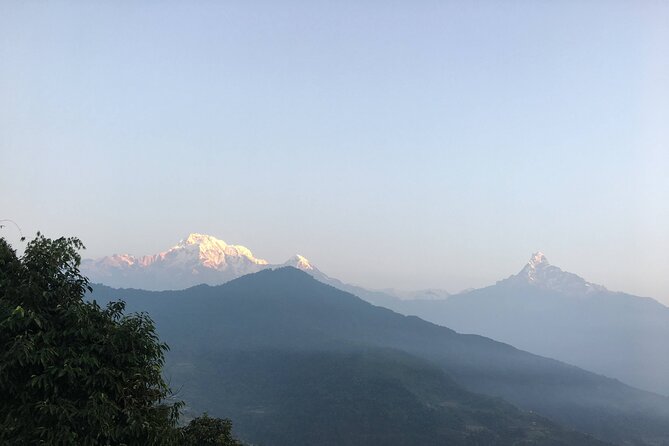
Day 3 has a classic arc: a nice mountain moment, then a controlled descent that makes the earlier work feel worth it.
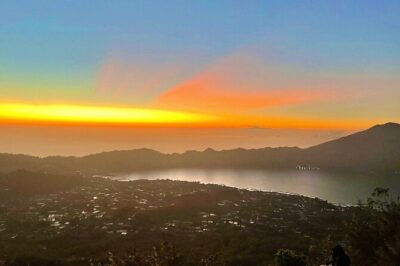
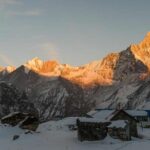
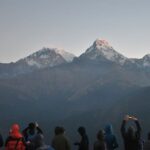
The plan starts with an early sunrise view over Mt. Annapurna, then you begin the trek down toward Birethanti. The downhill portion takes about 4 hours and follows a route through village areas, forests, and along a river corridor. That mix is good because it breaks up the monotony of just going straight downhill.
Descent days can be tough on knees, even when the trek is “easy.” I suggest you take short steps and treat each switchback like a chance to reset. If you’ve got trekking poles, this is a great day to use them. If you don’t, just slow down—fast descents are where first-timers get sore.
When you reach Birethanti, the trekking portion ends and you’re transferred back to Pokhara. The driving time is about 1 hour 10 minutes, and you’re dropped back at your hotel.
This finish matters for value. A lot of treks end far from any comfortable base. Here, you return to Pokhara quickly enough to enjoy a proper meal and a shower without losing half your next day.
Price and Value: Is $195 Fair for This Easy Trek?
At $195 per person, this trek can be a solid value because several core items are already covered.
Here’s what you get inside that price:
- Hotel pickup and drop-off from within Pokhara Lakeside
- Round trip private car transfer
- Trekking permit and TIMS card
- English speaking trekking guide
- Basic guest house accommodation (2 nights across the route)
- First aid kit with the guide
- Private trip for your group
That’s not just comfort; it’s risk management. When permits and guidance are handled for you, you spend less time organizing and more time walking.
Where value can shift for you is meals. Meals are not included, and the plan suggests about USD 25 per person per day if you purchase them. That means your total cost depends on how you eat, whether you buy drinks, and what kind of snacks you want between stops. For me, this is the one cost I’d plan for early rather than treating as an afterthought.
Also check what you prefer in a group. This is private, so if you’re traveling with only two or three people, the per-person price might feel different than a big shared group trek. But the upside is you can move together without constant regrouping.
Finally, there’s mention of group discounts and a mobile ticket option. If you’re able to join with friends or a small set of travelers who match your pace, the cost can feel more comfortable.
What’s Included vs. What You’ll Need to Plan for
The trip is clearly structured, and you’ll feel that when you compare included items to what’s optional.
Included (you can plan around this)
You’re covered for:
- Permits (trekking permit + TIMS card)
- Guide who speaks English
- Accommodation in basic guest houses
- Transfers via private car, starting from Pokhara lakeside
- First aid kit with your guide
- Private group format
Not included (what usually surprises people)
- Meals (estimated USD 25 per person per day)
- Gratitude (optional)
One more practical note from the way the plan is laid out: the schedule flags that admission tickets are free for most stops, but one Australian Camp exploration segment lists admission as not included. If you like cash-in-pocket certainty, bring some small extra money just in case.
And one caution: there was a complaint tied to ticket selection mistakes with get your guide in a different setting. The lesson that applies here is simple—double-check what you select on any booking screen, especially if you’re adding extra items.
Who This Trek Suits Best (and Who Should Think Twice)
This is a good fit if:
- You’re a beginner and want a first Himalayan trek that doesn’t feel like a punishment.
- You’re traveling with family, and you want a gentler walking rhythm.
- You care about both views and cultural context, not just reaching a high point.
- You have limited time and want to base yourself in Pokhara at both ends.
You might want to think twice if:
- You hate basic guest houses. The trek includes simple accommodation, and you’ll be sleeping in the villages and camp areas.
- You’re expecting meals to be handled. You’ll be buying food on your own along the way.
- You want a longer, more strenuous multi-day route. This one is designed for easy trekking and smooth pacing.
Should You Book This 3-Day Dhampus–Ghandruk Easy Trek?
I’d recommend booking if you want a short trek that balances Annapurna views with Gurung culture, and you’d rather not spend your trip managing permits, transport details, and guide coordination.
The big strengths are exactly what you’d hope for in an easy trek:
- You get real viewpoint moments at Australian Camp and a sunrise look over Annapurna.
- You get time in Ghandruk village plus a Gurung Museum stop that adds meaning to the walking.
- You finish in Birethanti and are back in Pokhara quickly.
Before you click confirm, do three quick checks:
- Budget for meals at roughly USD 25 per person per day.
- Plan for basic accommodation and pack accordingly.
- If you’re prone to knee pain on descents, bring trekking poles or be ready to slow down on Day 3.
If that sounds like your style, this is the kind of trek where you feel the hills, learn the people, and still make it back to Pokhara without feeling wrecked.
FAQ
How long is the Australian Camp Dhampus Ghandruk easy trek?
It runs for about 3 days.
Where does pickup and drop-off happen in Pokhara?
Pickup and drop-off are from within the Lakeside area of Pokhara.
Is the trek difficult?
It’s described as an easy trekking route with gradual ascents and manageable distances, suitable for beginners and families.
What is included in the price?
The package includes hotel pickup and drop-off (within Lakeside), round trip transfer by private car, trekking permit and TIMS card, an English speaking trekking guide, basic guest house accommodation, and a private trip.
Are meals included?
No. Meals are not included, and you can purchase them on your own (about USD 25 per person per day is suggested).
Do I need a trekking permit and TIMS card?
A trekking permit and TIMS card are included as part of the tour.
Is this a private tour?
Yes. It’s private, and only your group participates.
What kind of accommodations should I expect?
You’ll stay in basic guest houses during the trek (accommodation is included).
Can I get a full refund if I cancel?
Yes. You can cancel up to 24 hours in advance for a full refund. If you cancel less than 24 hours before the start time, you won’t receive a refund.