REVIEW · POKHARA
Experience Mardi Himal Trek
Book on Viator →Operated by Himalayas On Foot - Day Tours · Bookable on Viator
A Himalayan trek you can actually finish in one week. The Mardi Himal Trek is a quieter route in the Annapurna region, built for jaw-dropping views with a manageable pace. I like that the days scale up step by step, and you’re guided through everything from Pokhara logistics to the high point day.
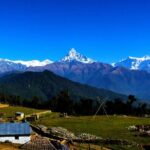
What I really liked was the way the trek mixes forest breathing with big-mountain moments. You start in lush rhododendron and oak, then work your way above the tree line where peaks like Machhapuchhre (Fishtail) start showing up close and dramatic.
One thing to consider: you’ll be at elevations up to 4,500m, so weather and breathing matter. This is still an achievable trek for many people, but it’s smart to take acclimatization seriously and go with the guidance on pacing and rest.
In This Review
- Key highlights at a glance
- Mardi Himal Trek: Why This Route Works (and for whom)
- Price and logistics: what you’re paying for at $760
- The six-day route: day-by-day what to expect
- Day 1: Pokhara to Kande, then to Forest Camp
- Day 2: Forest Camp to Low Camp, with Machhapuchhre in view
- Day 3: Low Camp to High Camp, above the tree line
- Day 4: High Camp to Mardi Himal Base Camp (and back)
- Day 5: Base-area descent to Siding Village
- Day 6: Back to Kathmandu by tourist bus
- What makes the trek feel well run (not just scenic)
- Tea houses and meals: what to expect from lodging and food
- How difficult is Mardi Himal, really?
- Who this trek suits best
- Should you book this Mardi Himal Trek?
- FAQ
- FAQ
- How many days is the Mardi Himal Trek?
- What’s included in the price of $760 per person?
- Are pickup and mobile tickets included?
- Do I need travel insurance or a porter?
- What gear is provided during the trek?
- What costs are not included besides the trek price?
Key highlights at a glance
- Licensed guide + basic gear support: A professional trekking guide with insurance and food, plus a first aid kit and oximeter
- ACAP permit included: You get the Annapurna Conservation Area Permit handled as part of the package
- Real progression day by day: Kande to Forest Camp, then Low Camp, High Camp, and up to Mardi Himal Base Camp and back
- Warm-up in forests, then above the tree line: Expect rhododendron/oak early and wider Himalayan views later
- Transport and lodging are bundled: Car/jeep transfers, tea house/lodge nights, and a 3-star Pokhara hotel for one night
- Views on schedule: A dedicated high-camp-to-base-camp day includes a sunrise-style moment for the Himalayas
Mardi Himal Trek: Why This Route Works (and for whom)
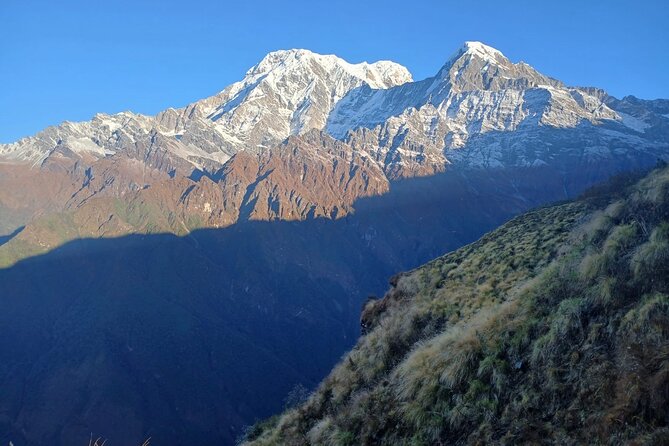
If you want the Annapurna region without feeling like you’re standing shoulder-to-shoulder with everyone on the planet, this trek makes a strong case. Mardi Himal is shorter than many famous treks, but it still delivers the main ingredients you came for: classic mountain scenery, a sense of wildness, and a gradual move upward that feels more controlled than those “too much too soon” itineraries.
At its best, the trek is about rhythm. You don’t just march uphill until you melt. The route uses camps that naturally pace you: Forest Camp first, then Low Camp, then High Camp, and only after that do you go for Mardi Himal Base Camp and return the same day. That pattern helps you keep your legs happy and your head clearer when altitude starts to tug.
This tour also fits a specific kind of traveler. If you want a guided trek with logistics handled, meals mostly arranged, and a package that includes key permits and equipment support, you’ll probably appreciate the structure. If you like to plan every detail yourself, you can still enjoy this, but it may feel a bit “managed” compared with fully independent trekking.
I also like that the operator is showing up in their communication. In the responses tied to past experiences, names like Surendra Lamichhane and Yaka came through, and the tone was focused on making the trek smooth rather than just pushing you down a trail.
You can also read our reviews of more tours and experiences in Pokhara.
Price and logistics: what you’re paying for at $760
$760 per person is not an impulse-bargain, but it’s not a sky-high trek cost either—especially because a lot of the usual extras are rolled in.
Here’s what that price generally covers based on the package details:
- Key permits: ACAP (Annapurna Conservation Area Permit)
- Trek support: a licensed guide (with insurance) and food
- Sleep: tea house or lodge accommodation during the trek
- Medical readiness: a well-equipped first aid kit and an oximeter
- Gear support if needed: sleeping bag, down jackets, and duffle bag may be provided if necessary (then returned after the trek)
- Big transport blocks: flight ticket to Pokhara, a tourist bus to Kathmandu, plus local transfers (car to Kande and private jeep after the trek)
That’s the real value: you’re paying for fewer moving parts. Many trekking costs hide in the gaps—permit fees, guide costs, medical support, transport coordination, and equipment. Here, those are handled in advance, so you can focus on training your pace and enjoying each day.
What’s not included is also clear, and you should plan for it:
- Nepal entry visa fee
- Porter costs (if you decide you want extra carrying help)
- Travel insurance (required)
- Personal expenses (drinks, charges, Wi-Fi/battery charging, and similar)
- Tipping the guide and porters
- Also note: meals in Pokhara—especially lunch and dinner—are not included, so you’ll want some cash for those
The six-day route: day-by-day what to expect
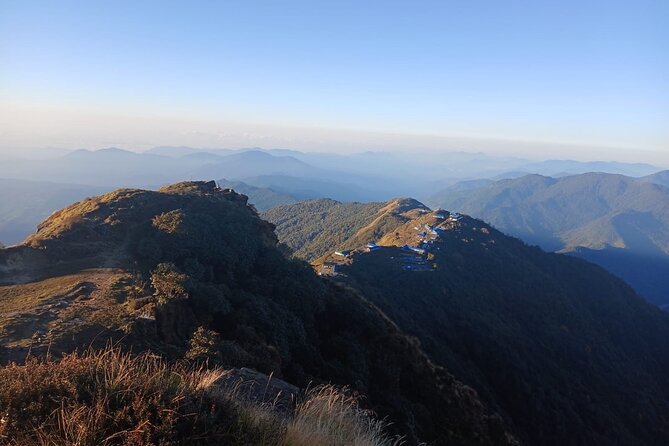
This trek is short enough that you’ll feel the effort quickly, but structured enough that you shouldn’t feel lost. Expect longish walking days, with elevation stepping upward and down again.
Day 1: Pokhara to Kande, then to Forest Camp
Your day starts with a scenic drive from Pokhara to Kande (about 1.5 hours). Then you hike from Kande (1,770m) to Forest Camp (2,600m) over roughly 8 km / about 5 hours.
The trail is described as lush—think rhododendron and oak forests. This is the day to settle into your rhythm. The uphill is real, but it’s not the “wipeout” start some high-altitude treks do. If you’re anxious about trekking, this first day is where you learn how steady your breathing needs to be and how often you should pause.
Practical tip: start early enough that you’re not rushing the last hour. Forest days feel easier when you’re not constantly checking the clock.
Day 2: Forest Camp to Low Camp, with Machhapuchhre in view
Day 2 is the step from 2,600m to 3,150m, about 6 km / 4–5 hours. The hike stays in dense forest with a gradual ascent.
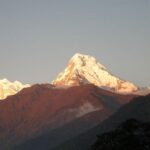
This is also where the scenery starts getting teeth. The route highlights stunning views of Machhapuchhre (Fishtail) and the surrounding peaks. Machhapuchhre is famous for a reason: it’s sharp and distinctive, and when it appears, it makes the whole climb feel more meaningful than just exercise.
This is a good day to keep your steps conservative. In altitude treks, pushing too hard early often shows up as a headache later.
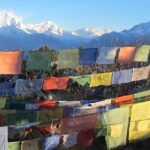
Day 3: Low Camp to High Camp, above the tree line
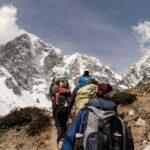
Day 3 goes from Low Camp (3,150m) to High Camp (3,580m) over 7 km / 4–5 hours. The big change is going above the tree line.
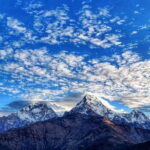
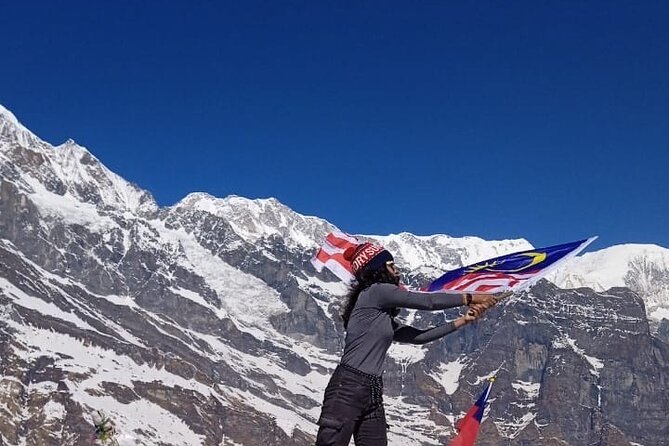
Once you’re out of the thick canopy, the views open up fast. You get expansive sights of the Annapurna and Dhaulagiri ranges, and the scenery shifts from “pretty forest” to “big alpine scale.” The day is shorter than day 1, but it can feel tougher because you’re walking with more exposure and less shade.
Practical tip: bring layers you can adjust quickly. Early air can feel fine until the temperature drops or the wind picks up.
Day 4: High Camp to Mardi Himal Base Camp (and back)
Day 4 is your longest push. You hike 10–12 km / 6–7 hours, going from High Camp (3,580m) up to Mardi Himal Base Camp (4,500m) and then returning back down.
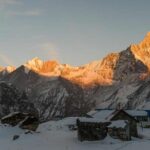
This is the day built for maximum payoff. The plan includes a sunrise view of the Himalayas, plus close-up views of Mardi Himal and Annapurna from the base camp area.
A day like this isn’t just about stamina—it’s about decision-making. If you feel the altitude and your body says slow down, slow down. You’re going to be descending again later, and that’s part of why the itinerary works. You don’t have to solve the whole mountain on one day; you just need to reach the goal and then come back safely.
Day 5: Base-area descent to Siding Village
Day 5 shifts from high altitude to village life. You go from High Camp (3,580m) down to Siding Village (1,700m). The walking part is about 8 km / 4–5 hours, plus a 2-hour drive.
This is the emotional reset day. Terraced fields reappear, and the route passes traditional villages. You also get the chance for interaction with local Gurung people—an important reminder that these trails sit inside living communities, not just scenic nature.
Practical tip: descents feel easier than ascents until your knees complain. Take shorter steps on the way down and use your trekking poles if you have them.
Day 6: Back to Kathmandu by tourist bus
Your final day is travel. The plan mentions a 7-hour tourist bus ride to Kathmandu from Pokhara’s side of the itinerary, fitting typical Pokhara–Kathmandu timing.
This day is about rest and transition. You’ve earned it.
What makes the trek feel well run (not just scenic)
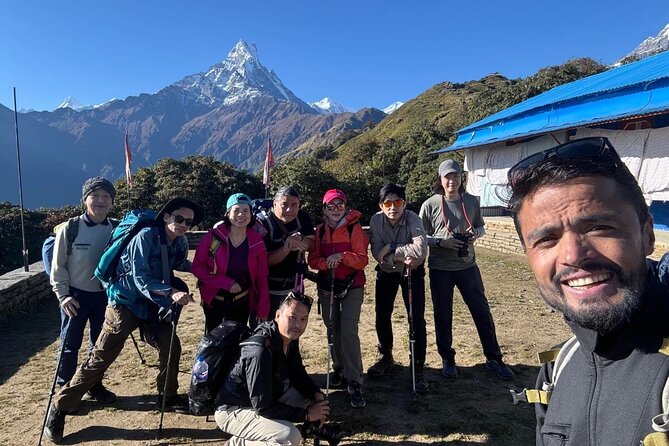
A good trek isn’t only about views. It’s about whether your day runs without friction.
Here’s what this package does that tends to matter on the ground:
- Transfers handled in advance: Car to Kande and private jeep after the trek means fewer surprises when timing gets tight.
- Guide support with insurance: A professional licensed guide with his insurance and food is included, which is exactly what you want when altitude starts making decisions for you.
- Medical readiness baked in: A first aid kit plus an oximeter is reassuring, especially for beginners or anyone who runs cold or gets winded faster than expected.
- ACAP permit included: Some treks mess around with paperwork. Here, ACAP is included.
- Equipment options if needed: Sleeping bag and down jacket availability can help you avoid buying gear you’ll only use once. Just remember you’d return it after the trek.
I also like the tone from past experiences shared in the organizer’s responses. Names like Surendra Lamichhane and Yaka show up tied to smooth organization, and that kind of follow-through matters when plans need to adjust to weather or your pace.
Tea houses and meals: what to expect from lodging and food
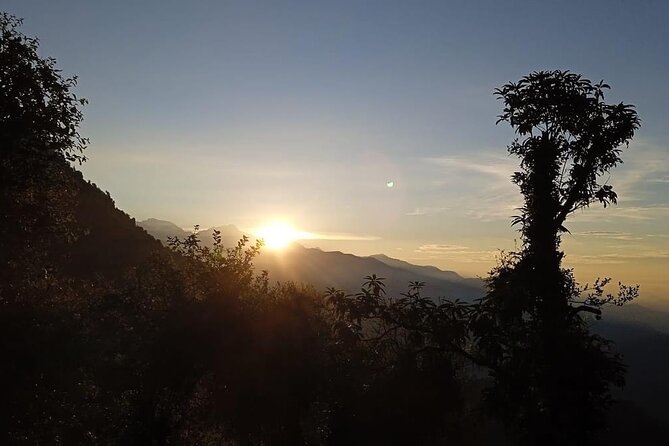
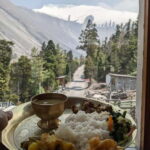
During the trek, you stay in tea houses or lodges. That’s typical for Mardi Himal-style routes, and it usually means you’re trading luxury for comfort and location.
Meals are included in a structured way:
- Breakfast (5)
- Lunch (5)
- Dinner (4)
At the same time, meals in Pokhara—specifically lunch and dinner—are listed as not included, so you’ll want to budget for that first full day in the city.
Practical advice: if you’re sensitive to altitude, eat the meals you’re offered and keep your energy steady. Skipping food because you’re not hungry at 3,000m is a common mistake.
How difficult is Mardi Himal, really?
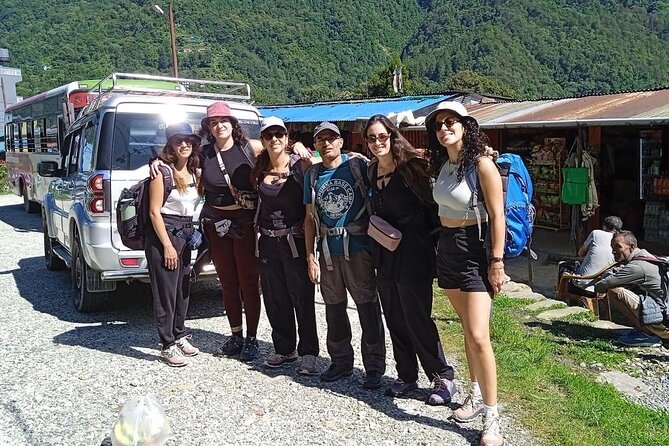
The route gives you enough structure to guess the effort level:
- You gain from 1,770m to 2,600m on day 1
- You climb again to 3,150m day 2
- You push to 3,580m on day 3
- You go up to 4,500m (base camp) on day 4
- You descend dramatically to 1,700m on day 5
Most trekkers will handle it fine if they’re not trying to sprint. The key is respecting the gradual climb, not just making it to each camp.
You should also be honest about weather. The trek is in the Annapurna region, so clouds can roll in. If your goal is sunrise and clear views, you’ll feel it when conditions cooperate.
And yes—there’s support. The included first aid kit and oximeter make the operation feel more serious than a “just send you on a trail” setup.
Who this trek suits best
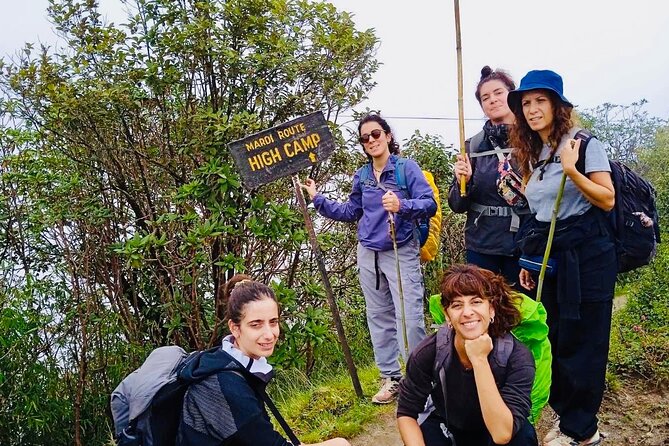
This tour fits especially well if you:
- want a guided trek with logistics bundled
- like a route that starts in forests and builds toward big Himalayan viewpoints
- prefer tea house/lodge trekking rather than camping gear
- are traveling in a way where you want structure from Pokhara to Kathmandu
It may not be your best match if you:
- want maximum independence and zero organized support
- dislike longer hiking days (especially day 4)
- expect guaranteed clear skies every time
Should you book this Mardi Himal Trek?
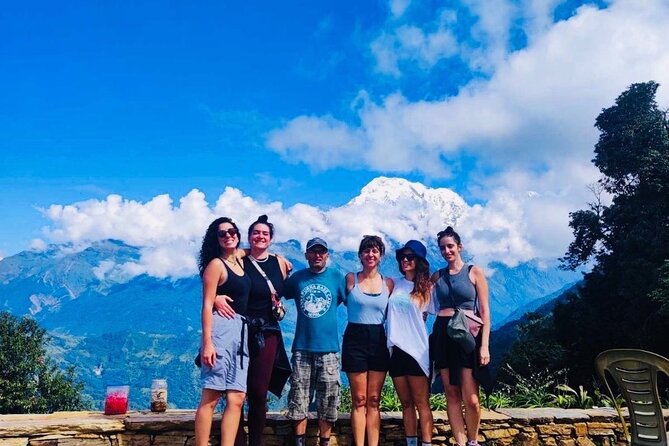
If you want a well-organized Mardi Himal trek that keeps planning off your plate, I’d say it’s a solid choice. The package includes the big essentials—ACAP permit, guide, medical gear readiness, core transport, and most meals—and it handles the high point with a logical camp-to-base-camp structure. For many people, that combination turns Mardi Himal from a “maybe later” dream into a real trip.
Book this trek if:
- you want a guided experience that’s practical and not overly complicated
- you’re comfortable hiking for 4–7 hours most days
- you can plan around altitude (slow pace, rest, hydration)
Don’t book this trek if:
- you’re hoping for a truly easy hike (day 4 is long)
- you want all meals included in Pokhara
- you don’t have travel insurance or you’re not willing to tip as customary for trekking staff
FAQ
FAQ
How many days is the Mardi Himal Trek?
The trek runs for about 6 days, with hiking days from Pokhara to the Mardi Himal area and then returning back toward Kathmandu.
What’s included in the price of $760 per person?
The package includes transport elements (Pokhara to Kande by car and Shiding to Pokhara by private jeep, plus flight ticket to Pokhara and tourist bus to Kathmandu), a licensed trekking guide with insurance, ACAP permit, tea house or lodge accommodation, medical supplies (including an oximeter), and trekking meals (breakfast 5, lunch 5, dinner 4). It also includes one night in a 3-star hotel in Pokhara.
Are pickup and mobile tickets included?
Pickup is offered, and the tour uses a mobile ticket.
Do I need travel insurance or a porter?
Travel insurance is listed as compulsory but not included. Porter costs are also not included.
What gear is provided during the trek?
If necessary, the package includes a sleeping bag, down jacket(s), and a duffle bag (and you return them after the trek).
What costs are not included besides the trek price?
Not included items include the Nepal entry visa fee, travel insurance, tips for the guide and porters, meals in Pokhara (lunch and dinner), and personal expenses such as drinks, hot/cold beverages, Wi-Fi, and battery charging.