REVIEW · KATHMANDU
Manaslu Circuit Trek – 12 Days
Book on Viator →Operated by Welcome Nepal Treks P.ltd · Bookable on Viator
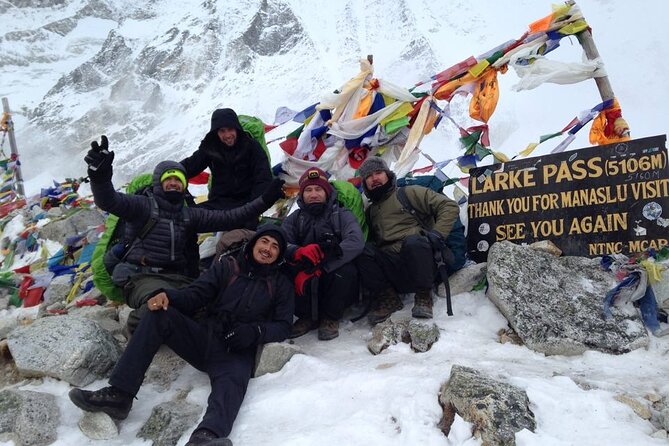
One great trek starts with a long road. This 12-day Manaslu Circuit Short Trek brings you from Kathmandu to the Manaslu region through small settlements like Machha Khola, Samagaon, and Dharmasala, with the big moment centered on Larke La Pass. You’ll also get rare, up-close mountain focus: Dhaulagiri/Annapurna-area views plus the chance to see Manaslu glacier country and high ridges in clear weather.
I especially love how the days mix classic trail walking with real local stops, like the green chilli fields at Khursani Baari, hot springs on the way to Jagat, and a monastery where more than 200 monks study. Second, the experience feels built around good people and smooth logistics: one review credited guide Anjan and porter Rabin for making the trek joyful and well-run from start to finish. One drawback to plan for: you spend serious time on roads and vehicle changes (Kathmandu to Arughat alone is about 7–9 hours), so if you hate travel days, this trip will feel travel-heavy.
In This Review
- Key things that make this trek worth your time
- Manaslu in 12 days: what you’re really buying
- Road to the trail: Kathmandu to Arughat and onward to Soti Khola
- Machha Khola: chilli fields, a 100m waterfall, and earthquake scars
- Jagat day: hot springs and Nepal’s 158m cantilever bridge
- Deng and Namrung: quiet villages, big river energy, and Tibetan culture
- Samagaon: monasteries, glacier country, and a rest day that’s worth planning
- The Manaslu viewpoint at ~3,800m: micro-hydropower and wide mountain views
- Larke Phedi and the 3:00 am sunrise: where the high pass day earns its reputation
- Bhimtang to Dharapani: milky river views and rhododendrons in season
- Back to Kathmandu: jeep to Besisahar and the Marsyangdi river drive
- Guides, pacing, and group size: how this trek stays smooth
- Who should book this Manaslu short circuit?
- Should you book this 12-day Manaslu Circuit Short Trek?
- FAQ
- How long is the Manaslu Circuit Trek?
- Where does the trek start?
- Is pickup included?
- What permits are included?
- What kind of accommodation do you use during the trek?
- Are meals included?
- How many people are in a group?
Key things that make this trek worth your time
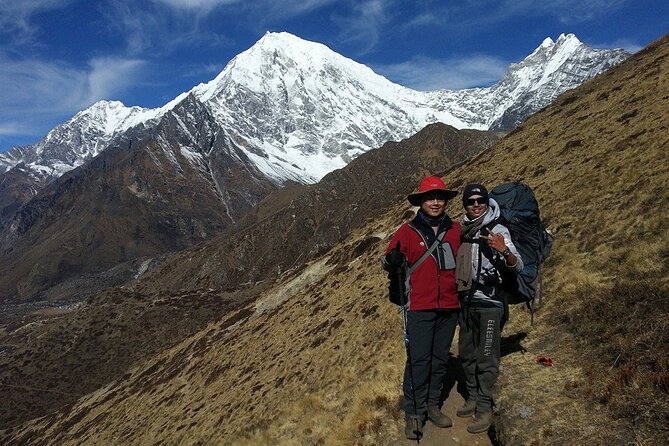
- Larke La Pass as the headline: you time the high point for early-morning views from Dharmasala/Larke Phedi to the next valley stop.
- Shorter format, still adventurous: you get major villages and key mountain moments without dragging into a longer circuit season.
- Human-scale villages, not just photo stops: Machha Khola, Jagat, Namrung, and Samagaon all feel lived-in.
- Acclimatization built into the plan: your Samagaon rest day includes optional hikes up toward higher viewpoints and basecamp areas.
- Permits handled for you: Manaslu special permit plus ACAP permits are included, which keeps the route properly regulated.
- English-speaking guide plus porters: you hike with less luggage weight while still carrying yourself through steep bits.
Manaslu in 12 days: what you’re really buying
This package is priced at $1,813.34 per person, which is not cheap, but it’s not just “walking and hope.” You’re paying for private ground transport by tourist vehicles, licensed staff, the necessary permits, and teahouse accommodation during the trek. In trekking terms, that means fewer stressful logistics and more time spent actually moving through the mountains.
You’re also paying for something harder to measure: the route emphasis on “real village Nepal.” Instead of only aiming for dramatic ridgelines, this trek threads through places like Khursani Baari, Jagat, Deng, Namrung, and Samagaon, where daily life shapes the pace. That’s why a shorter trek can still feel meaningful here; the days keep you connected to people, not only scenery.
You can also read our reviews of more tours and experiences in Kathmandu.
Road to the trail: Kathmandu to Arughat and onward to Soti Khola
Your day starts in Kathmandu and immediately shifts into “get-ready-to-rumble” mode. You drive to Arughat in about 7–9 hours, with the road described as smooth and rough—so bring patience, not just snacks. After resting at Arughat, you continue with a vehicle change to Soti Khola.
What I like about the way they set up Day 1 is that you’re not dropped in the middle of nowhere. The long drive is also your first mountain education: you can catch Annapurna to the left, the Manaslu range in the middle, and Ganesh Himal to the right as the views open up. It’s a good reminder that the trek isn’t isolated; it’s connected to the wider Annapurna-Manaslu region from the very first day.
Machha Khola: chilli fields, a 100m waterfall, and earthquake scars
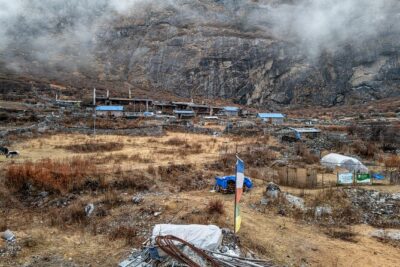
Day 2 starts with a short vehicle hop—Soti Khola to Machha Khola is about 15 km—then you begin your first true trekking rhythm. You’ll visit an army camp a bit past Soti Khola, then move into a much more agricultural feel at Khursani Baari, a green chilli field. Right across from that area, there’s a reported 100m waterfall view.
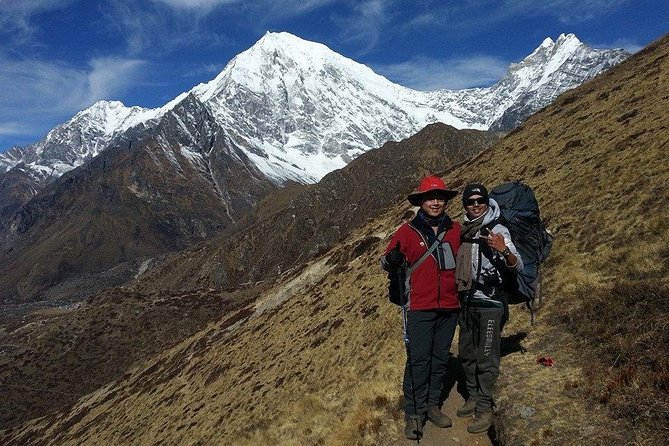
Then comes one of the more serious and unforgettable parts of the route: after the 2015 earthquake, the area shows shocking landslide impacts. You get a sense of what “mountains change” actually means, not just as a concept but as visible terrain. That weight is balanced by the fact you’re still out walking, eating, and sleeping in a real mountain village rhythm at the end of the day.
Jagat day: hot springs and Nepal’s 158m cantilever bridge
On Day 3 you’ll clear a police checkpoint in Machha Khola, then head toward Jagat. The trek includes a hot spring stop, which is a small luxury and also a practical morale boost when the day’s walking turns steeper. A bit earlier than Jagat, you can catch horizon views of a famous structure from Yaru bagar.
That bridge is described as a 158m cantilever bridge, noted as the first bridge in Nepal. You reach the viewpoint from Yaru bagar in about 20 minutes, and it’s one of those moments where you suddenly realize you’re hiking through a country that builds impressive infrastructure in tough terrain. You then end the day with Jagat’s fields greeting you before you settle into camp.
If you’re prone to motion sickness, I’d take it easy the day before and hydrate early. Days like this combine checkpoints, valley steepness, and stops that ask you to keep your attention moving.
Deng and Namrung: quiet villages, big river energy, and Tibetan culture
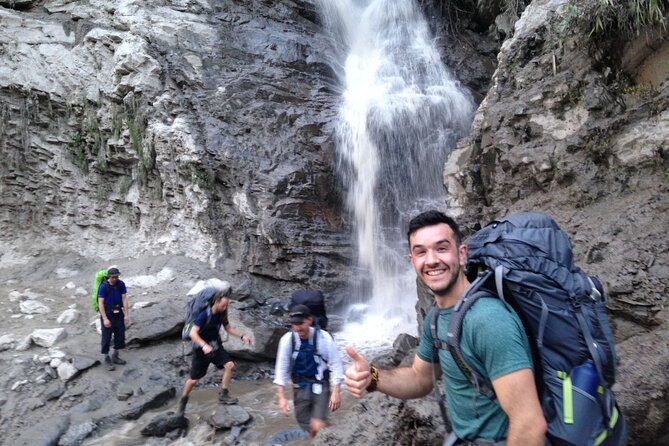
Day 4 continues from Jagat toward Deng, which is small enough that the description is memorable: about 4 houses and 3 hotels. You start early after permit check-in at upper Jagat, and the hike is around 7 hours, with valley side steepness and river crossing moments. You may notice milky-looking river flow after crossing one river near Salleri, plus a pair of hydro-powers (new and old) before the day ends.
You also pass through places tied to local communities, including Sirdibas, where the route notes local Gurung life and views of Siring (7239m) if weather cooperates. The details matter here: this is exactly the kind of trail day that feels like Nepal, because it’s made of people’s routines and geography working together.
Day 5 brings you into Namrung, but not by “just walking uphill.” You start downhill toward the Budhi Gandaki River, then go back uphill toward Rana gaon. You’ll pass Bihiphedi, stop for lunch at Gap, then walk through dense forest with mentions of dead pine and river crossings. After reaching Suksum, you climb up toward Namrung, where you get a stronger cultural shift toward Tibetan-style life and culture.
That Namrung feel is one reason this trek stays compelling even in a shorter time window. It’s a cultural waypoint that pairs well with the growing sense you’re gaining altitude and exposure.
Samagaon: monasteries, glacier country, and a rest day that’s worth planning
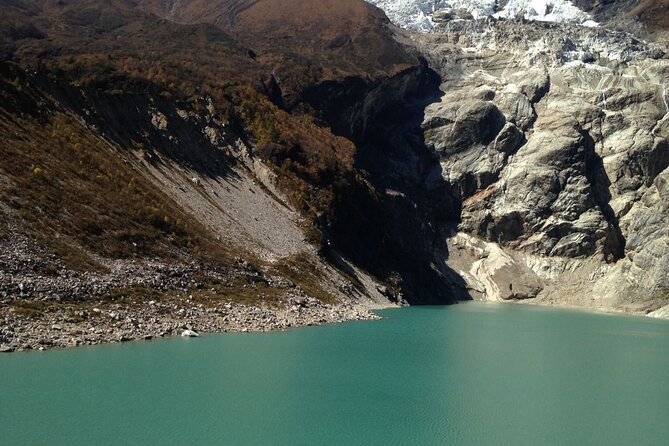
Day 6 takes you from Namrung to Samagaon, moving through a chain of villages: Banjam, Lihi, Sho, Lho, and Sayla. One of the standout moments is the monastery near the route—described as a recognized monastery in the region—with more than 200 monks, all boys, studying there. Even if you’re not a big “temple person,” it’s one of those stops that changes the mood of a trek day.
The walking also gives you repeated mountain glimpses. As you head toward Lihi, the route mentions views of Ganesh Himal, Himchuli, and Naike peak to the right, and later you work your way through paths near Sho where one route leads toward a monastery and another relates to the high pass direction.
Day 7 is the acclimatization rest day, and this is where the trek shows smart planning. You can simply relax in Samagaon, or choose hikes that help your body without forcing a full “break yourself” effort. Options include:
- Birendra Tal (about 3 km away)
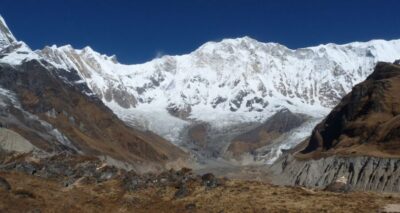
- Basecamp area (about 6 km, around 5 hours), noted at 4800m, with views toward the Manaslu glacier and a glacier bridge crossing into a camp area, plus mention of a cave
- Pungen monastery (about 6–7 km), with flatter surrounding and panoramic views that can feel better than the basecamp option
This rest day is not a throwaway. If you treat it well, the later high day will feel far less like a surprise.
The Manaslu viewpoint at ~3,800m: micro-hydropower and wide mountain views
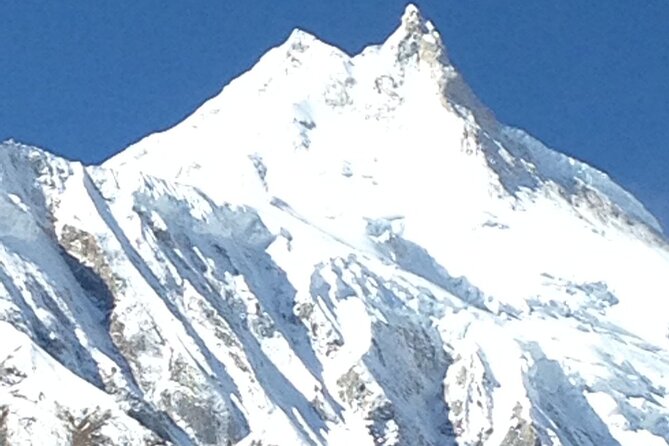
Day 8 pushes upward to a destination described as a small young village at around 3,800m. The route notes that this place has electricity thanks to its own micro hydropower project, which is a practical detail: you’re not just camping in hardship, you’re stepping into a functioning mountain settlement.
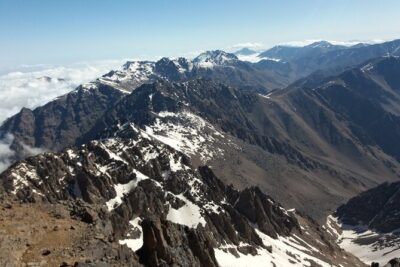
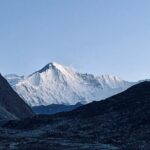
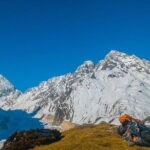
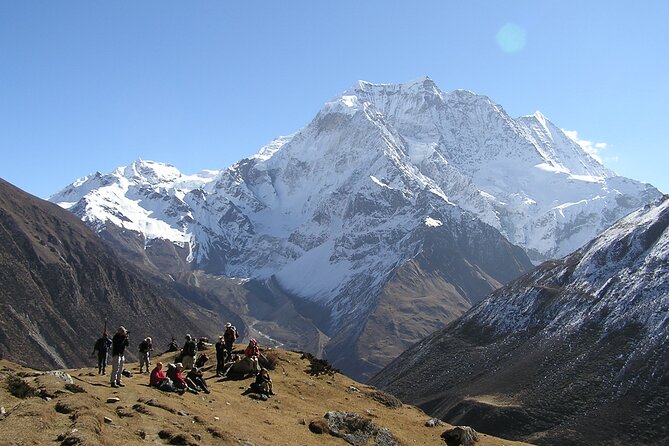
The hike itself is framed as about 3 hours, with some steep uphill early, then flatter walking. Along the way, you can catch views of multiple peaks including Syaula Peak, Naike Peak, Manaslu, Himchuli, Larke peak, and Cho peak, with added sparkle from the west and north-Himchuli. If clouds roll in, don’t panic—just focus on steady steps. If they stay clear, this day gives you the kind of peak recognition that makes the rest of the circuit click.
Larke Phedi and the 3:00 am sunrise: where the high pass day earns its reputation
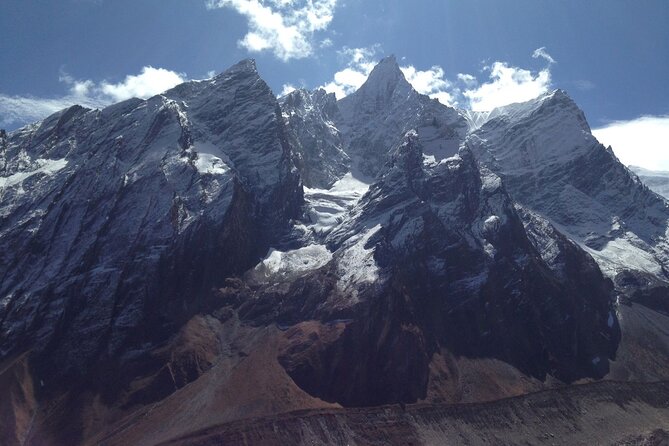
Day 9 heads toward Dharmasala, also noted as Larke Phedi. You’ll start with a downhill walk to the Budhi Gandaki River, cross, then trek upward through Larkya Bazaar and the Salka Khola valley. Dharmasala is about 7 km, taking around 4 hours on normal days, and the route mentions the possibility of seeing blue sheep.
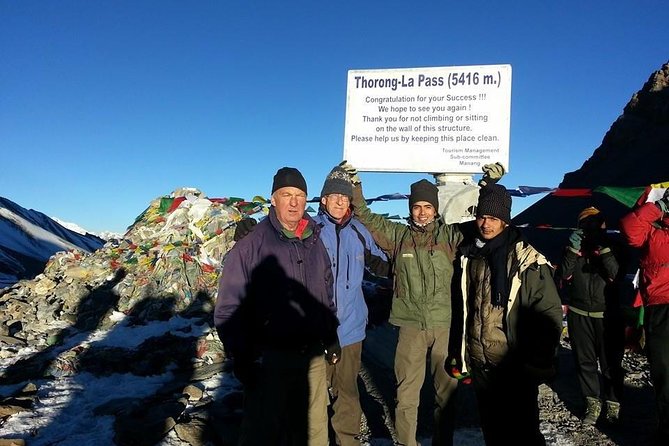
Day 10 starts very early—around 3 am—because sunrise and that early mountain air are the point. The route highlights a broad view sweep including Annapurna II, Single Himal, Kangaroo Himal, Himlung Himal, and Cho Himal from the left corner, plus views of Cho and Larke peak from the Larkye area. After this early viewing effort, the trek to Bhimtang is described as around 9 hours.
This is the day you treat like work. You don’t “rest when you feel like it,” you conserve energy, keep warm, and follow the guide’s pace. Cold morning starts can be tough, but they’re also when the mountains look most dramatic and readable.
Bhimtang to Dharapani: milky river views and rhododendrons in season
Day 11 moves through Karche, Goa, and Tilche to Dharapani. You descend toward Dudh Khola, described as a milky river, then get a short warm-up uphill (around 5 minutes) before heading down through pine jungle. The season detail is useful: in May and June, you may see 8 to 10 colored rhododendrons, which is a nice incentive to stay alert and not just step-watch.
Lunch comes at Surkhi, then the route continues with uphill and downhill segments toward Goa. From there you cross a bridge toward Mane, then reach Tiliche and Dharapani after about 30 minutes. The pace sounds varied, which helps—after the big pass day, changing rhythm keeps your legs from feeling like they’re doing the same thing forever.
Back to Kathmandu: jeep to Besisahar and the Marsyangdi river drive
Day 12 is mostly about getting back on roads without losing the mountain feeling. From Dharapani you take a jeep to Besisahar, then drive from Besisahar along the Marsyangdi River to Kathmandu. The route description calls out forest, small houses and huts, bridges, and a fast-flowing Marsyangdi River you’ll keep seeing from the road.
It’s not glamorous, but it’s satisfying in a different way: you’ve earned the “comfort of movement” after days of walking.
Guides, pacing, and group size: how this trek stays smooth
This trek runs with a maximum group size of 15. That’s a sweet spot for a mountain itinerary: big enough for safety and steady support, small enough that you usually don’t feel swallowed.
The package includes a government licensed English speaking guide and porters to carry your luggage. The review story about guide Anjan and porter Rabin matters here because it hints at something practical: a well-run trek depends on communication, not just crampons and altitude. When staff are organized, you stop spending energy on confusion and start spending it on walking and absorbing what’s in front of you.
Also note what’s included and what isn’t. Accommodation during the trek is handled (teahouses), and lunch/dinner/breakfast counts are included across most trekking days. What’s not included is personal stuff like snacks, tea/coffee, bar bills, and shower costs, so keep a separate budget for that.
Who should book this Manaslu short circuit?
This suits you best if you want a 12-day trek that still hits major cultural stops and a real high pass day, without stretching into an even longer circuit. It’s also a good match for people who like structure: private vehicles, permits handled, and a guide pacing you through checkpoints, valleys, and daily transitions.
It’s also a solid option if you want a balance between comfort and adventure. You sleep in teahouses, but you’re still out there on steep sections, river valleys, and cold mornings. If you’re aiming for a pure luxury vacation style, this won’t fit—but if you want a real mountain journey that’s managed well, it’s a strong candidate.
Should you book this 12-day Manaslu Circuit Short Trek?
I’d book it if your goal is a focused Manaslu experience with Larke La Pass as the centerpiece, plus village immersion in places like Machha Khola, Namrung, and Samagaon. The permit coverage (Manaslu special permit and ACAP), English-speaking guide, and porter support are meaningful value, not fluff, especially on a route where paperwork and logistics can slow people down.
I’d think twice if your body hates long travel days. The itinerary includes big road segments right from Kathmandu, and the trek won’t let you avoid that. If you can handle the road time and you come prepared to hike steadily, this trek gives you a lot for the money, and it does it with staff that seem genuinely committed to making the trek feel smooth and joyful.
FAQ
How long is the Manaslu Circuit Trek?
The trip is about 12 days.
Where does the trek start?
It starts in Kathmandu, Nepal, with a scheduled start time of 8:15 am.
Is pickup included?
Yes, pickup is offered.
What permits are included?
A special permit for the Manaslu region and ACAP permits are included.
What kind of accommodation do you use during the trek?
Teahouse accommodation is included during the trek.
Are meals included?
Lunch (12), dinner (11), and breakfast (11) are listed as included. Major meals in Kathmandu are not included.
How many people are in a group?
The maximum group size is 15.