REVIEW · POKHARA
Pokhara: 5-Day Trek to Annapurna Base Camp and Hot Springs
Book on GetYourGuide →Operated by Welcome Nepal Treks P.Ltd · Bookable on GetYourGuide
Five days to the Annapurna edge. This Pokhara to Annapurna Base Camp trek mixes big-Himalaya scenery with a practical, guided route that still gives you time to breathe, pause, and soak in the Jhinu hot springs reward.
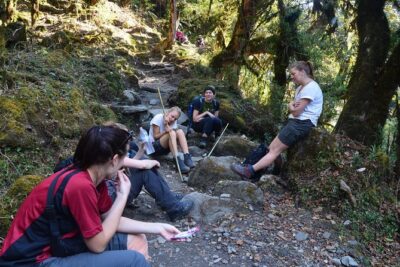
I like two things right away. First, the trek is built around a classic, well-trodden route along the Modi Khola River, so you’re moving through real villages, not just a remote trail. Second, the human side matters here: your guide (for example, Amir or Tanka, per recent feedback) can stay attentive and adjust to your pace, not just march you up the mountain.
One drawback to plan for: this is still a serious altitude trek. Even if you’re fit, expect a knee load on the up-and-down days and take the trek’s health limits seriously—this one isn’t recommended for pregnant travelers or people with heart problems.
In This Review
- Key points before you go
- From Lakeside Pokhara to Nayapul: how you get your footing fast
- Day 1: from Samrung toward Sinuwa (with jeep time and tea-lodge nights)
- Day 2: the uphill to Deurali at 3,230m
- Day 3: climbing to Annapurna Base Camp (4,120m)
- Night at ABC: what “rest” really means at altitude
- Day 4: back down toward Sinuwa (and why it’s harder than it sounds)
- Day 5: Lower Sinuwa to Pokhara via Jhinu Dada Hot Springs
- Who this trek fits best (and who should skip it)
- Price and value: what you’re actually getting for $206
- Lodges, meals, and the everyday stuff that makes or breaks comfort
- What to pack (so you don’t hate day 3)
- Guides, safety, and why the right pace feels like comfort
- Should you book this Annapurna Base Camp trek with hot springs?
- FAQ
- How long is the trek?
- What’s included in terms of transport and lodging?
- Are permits included?
- Is there an English-speaking guide?
- Are meals included?
- Does the tour include hot springs?
Key points before you go
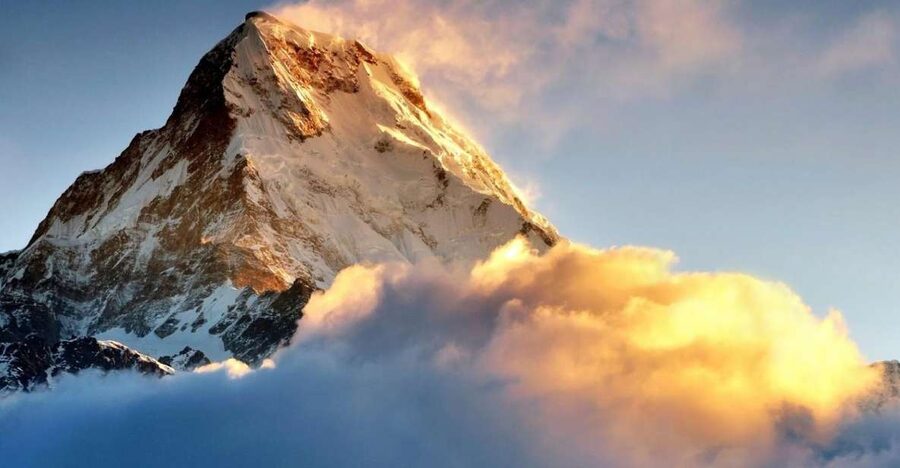
- Annapurna Base Camp at 4,120m: You’re heading high enough that cold, wind, and slower breathing become part of the experience.
- Jhinu hot springs: The hardest moments get a real payoff with a soak at Jhinu Dada after trekking.
- Permits handled for you: TIMS and conservation paperwork are included, which saves time and stress.
- Lodge sleeping is part of the deal: You’ll stay in tourist-standard tea lodges with private accommodation.
- Pace and safety get real attention: Guides like Amir and Tanka are specifically praised for adjusting to the group and watching health day to day.
From Lakeside Pokhara to Nayapul: how you get your footing fast
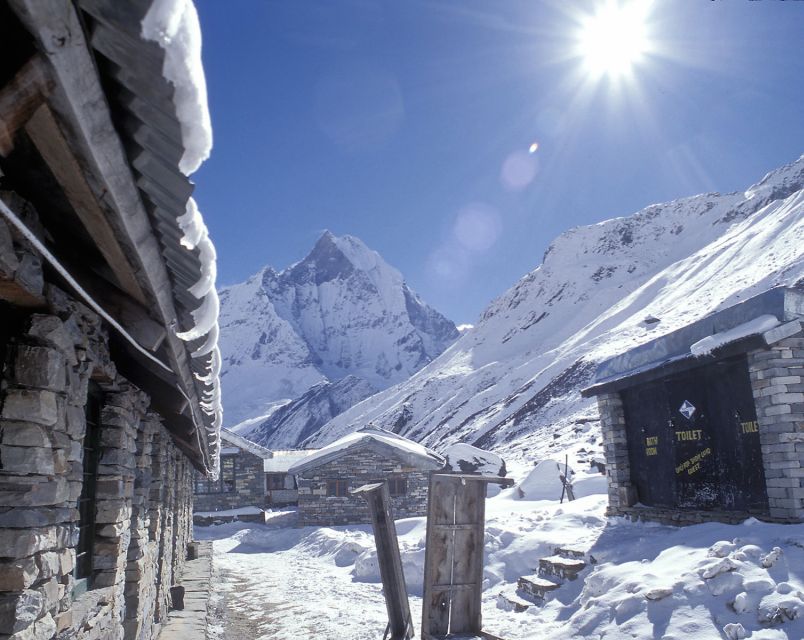
Pokhara is the easy-start city. You’re picked up from any hotel in Lakeside Pokhara (or the airport) by car, and the guide meets you close to departure time—typically 5 to 10 minutes early at your lobby or apartment entrance. That matters because ABC treks can feel chaotic if you have to chase logistics while you’re already excited.
From Pokhara you’ll connect to the trail area at Nayapul (the trek’s starting point), and you’ll get kitted out with the equipment you need while permits are checked. The route then follows the river corridor of the Modi Khola, which is one of the reasons this trek works so well for first-timers. You’re not walking “in the dark” for days on end; you move through inhabited pockets of the region—small villages, paths, and tea lodge stops—while the scenery steadily escalates.
If you like trekking that feels both scenic and grounded in everyday life, this approach fits. You get the Himalayas, but you also get the sense that you’re walking through a living region where people earn their living from passing hikers.
You can also read our reviews of more tours and experiences in Pokhara.
Day 1: from Samrung toward Sinuwa (with jeep time and tea-lodge nights)
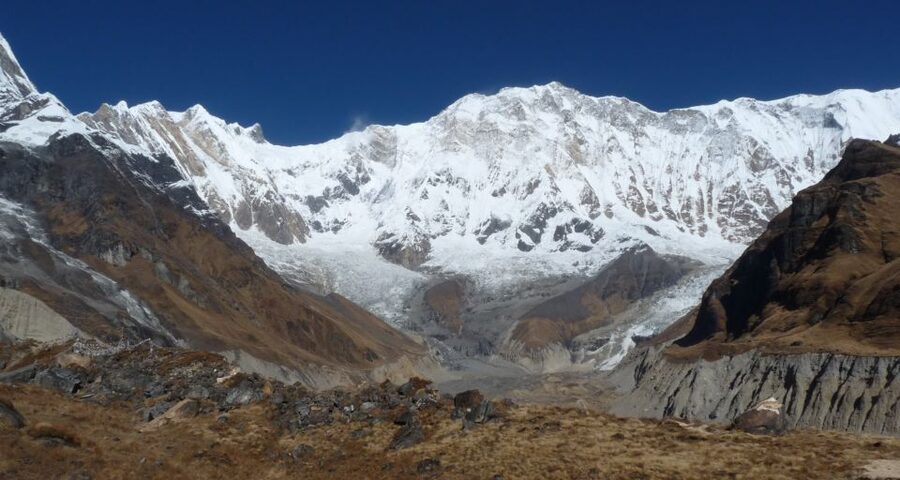
Day 1 is a mix of comfort and movement. You’ll start with a jeep transfer—about 3 hours—before stepping onto the trail with a trek time around 4 hours. That rhythm is a nice setup: you reduce the “wasted” fatigue from getting to the trail while still feeling like you’ve started your hike, not just your drive.
You’ll pass through Samrung before continuing toward Sinuwa at around 2,200m. This is a good day for getting used to trekking pace and footing. The goal isn’t to prove anything; it’s to settle into the rhythm—steady steps, short breaks, and enough hydration that you’re not feeling puffed every five minutes.
At night you’ll sleep in a tourist-standard lodge with private accommodation (as described for the tour). Tea lodges are usually simple but functional: hot drink options, basic rooms, and a chance to dry out a bit if your clothes are damp. I like the structure here because it lets you focus on the day rather than negotiating every detail.
Day 2: the uphill to Deurali at 3,230m
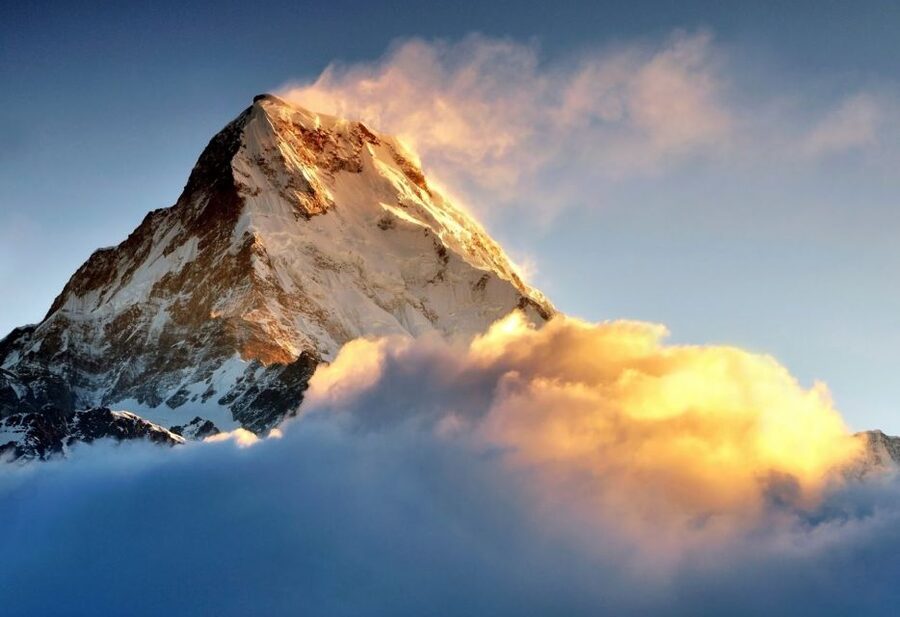
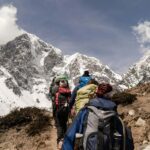
Day 2 is longer—around 6 to 7 hours—and it climbs toward Deurali (3,230m). This is where “classic ABC trek” starts to feel real. Your body will be working harder, and the difference between feeling okay and feeling rough often comes down to how you pace the first half of the day.
A big practical tip: treat the ascent like a slow conversation, not a sprint. If your breath is getting hard early, you’ll pay for it later. Your English-speaking guide is there for exactly this kind of adjustment. In feedback involving guides like Tanka, the standout point was daily pacing changes based on the group’s performance level and attention to health. You want a guide who watches more than just your boots.
Even if you’re in decent shape, expect temperatures to drop as you climb. Bring clothing layers that you can add or remove without turning your pack into a wrestling match.
Day 3: climbing to Annapurna Base Camp (4,120m)
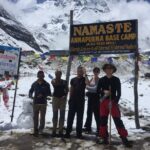
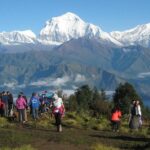
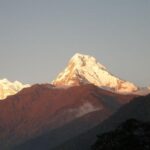
Day 3 is the money day: the hike from Deurali to Annapurna Base Camp at around 4,120m, roughly 5 to 6 hours. This isn’t just a viewpoint day. The trail atmosphere changes. As you get closer to the base camp area, you’ll feel more wind, more cold, and that moment when the mountain stops being a background and becomes the whole show.
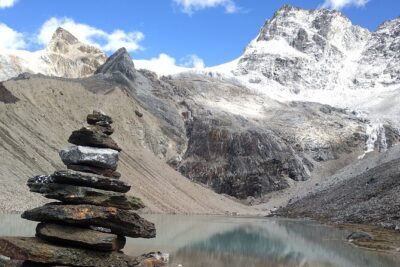
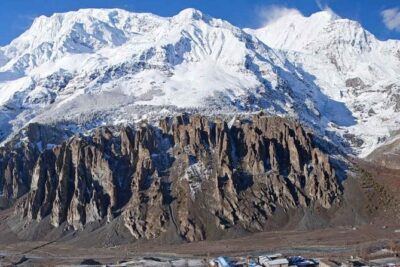
This is also the day when you may pass through sections connected to classic ABC geography—areas like Machhapuchhare Base Camp and Ablation Valley are described as part of the broader approach on this trek. Even when conditions shift and the exact path differs, the point stays the same: you’re walking in zones where glaciers and steep terrain shape what you see.
I also like how the day includes a proper pause for lunch with mountain views. Food on an ABC trek isn’t only about taste; it’s fuel and morale. With a guide handling route decisions and timing, you spend less time guessing and more time enjoying that slow-arrival feeling when the base camp area finally appears.
Night at ABC: what “rest” really means at altitude
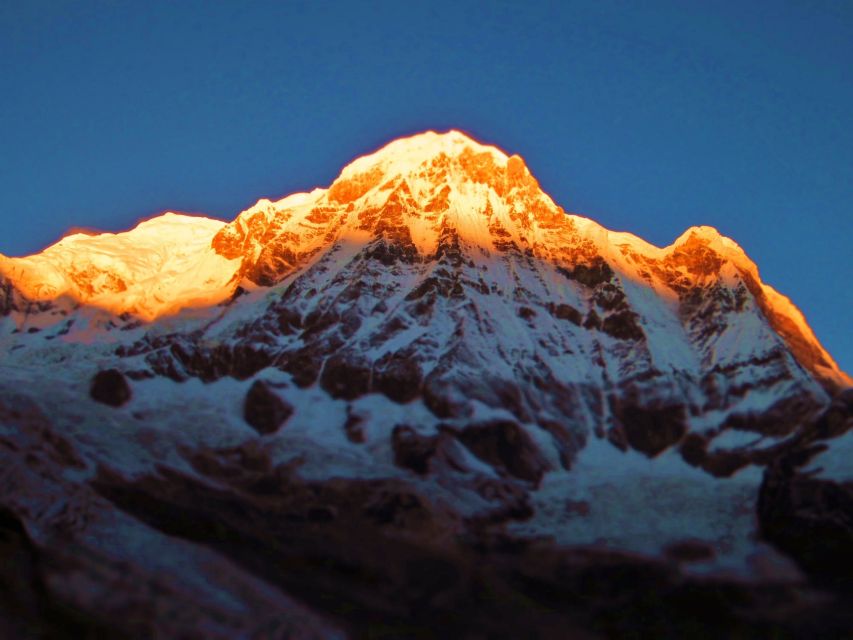
Sleeping at Annapurna Base Camp is its own experience. Your lodge night isn’t going to feel like a hotel stay; it’s more like a controlled recovery. You’ll want to bundle up early, drink something warm if you can, and keep your breathing calm.
The value of having a professional guide (government registered) is that you don’t have to turn every discomfort into a mystery. In feedback, safety attention came up repeatedly—especially around pacing and checking how people were doing physically. On high treks, that’s not a nice-to-have. It’s the difference between a hard day and a stressful one.
If you’re someone who runs cold, plan for it now. If you’re someone who runs hot, plan for that too. Either way, pack with temperature swings in mind.
Day 4: back down toward Sinuwa (and why it’s harder than it sounds)
Day 4 brings the descent toward Sinuwa (about 2,350m), with trekking time around 7 to 8 hours. Going down is supposed to be easier, right? In practice, your body does a new kind of work. Knees and quads get hammered. Longer hiking days at lower altitudes can feel surprisingly tough because your legs are controlling your pace the whole way.
This is where technique matters. Shorter steps help. Stopping before you’re exhausted helps. Don’t wait until your legs are burning to take breaks; you’ll recover faster if you adjust early.
The good news: this is also where you can start appreciating the trail again. When you’re descending, you see the route you came from with a clearer sense of what changed between early villages and the high camp area. It’s a satisfying mental shift, even if it’s physically a grind.
Day 5: Lower Sinuwa to Pokhara via Jhinu Dada Hot Springs
Day 5 is your final reset day. You’ll trek roughly 4 hours from Lower Sinuwa down toward Jhinu Dada, then take about 3 hours by jeep back to Lakeside Pokhara.
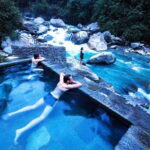
And yes, the hot springs are part of the reason this trek is memorable. Jhinu Dada hot springs are described as a well-deserved rest stop, and after several days of altitude work, soaking is less about comfort and more about recovery. Warm water helps your body unwind, especially after the knee-heavy descent.
A practical note: warm soaking can trick you into skipping the basics afterward. Don’t stop hydrating, and don’t get cocky about staying warm if the weather turns chilly. Keep layers with you so you can get from hot water to cool air without a mood swing.
Also, one subtle detail that stood out in guide feedback: Tanka was credited with offering different end options, including choosing a village rather than a city route in some cases. The takeaway for you is simple: ask your guide what choice feels best on your final day—by then, you’ll know how tired you are and what kind of ending you want.
Who this trek fits best (and who should skip it)
This is a classic guided ABC experience for people who want structure, safety focus, and real comfort on the logistics side.
It suits you if:
- You want a guided climb to Annapurna Base Camp with English support.
- You like trekking through villages and river corridors, not just point-to-point hiking.
- You’re okay with lodge nights and want the hard work to be the hiking, not the planning.
It’s not suitable if:
- You’re pregnant or you have heart problems, based on the tour’s stated suitability.
- You’re hoping for a fully cushy experience. This is still a high-altitude trek with serious walking hours.
If you’re on the fence, compare your fitness to the walking times: day 2 is 6–7 hours, day 4 is 7–8 hours. That’s long enough that shoes, hydration, and pacing will decide whether you enjoy the trip or just endure it.
Price and value: what you’re actually getting for $206
At $206 per person for a 5-day ABC trek, the value comes from what’s bundled—not just the “destination.”
Included items that matter in real life:
- Hotel pickup and drop-off in Lakeside Pokhara (and airport pickup) by car
- Sharing jeep transfers between Pokhara and the trail connection near Jhinu
- Private accommodation on tourist-standard lodge nights
- TIMS and conservation permit paperwork handled for you
- Professional, government-registered guide
- VAT and service taxes
What you should budget separately:
- Drinks (hot, cold, and alcoholic)
- Meals depend on whether you choose all-inclusive or budget style
- Travel insurance (recommended, not included)
- Possible extra cost for a porter, if you decide you need one
So the value equation is this: you’re paying for guidance, permits, lodge lodging, and key transport. You’re not paying for everything else like drinks and insurance. If you choose the option that covers meals, your costs become easier to manage day to day.
Lodges, meals, and the everyday stuff that makes or breaks comfort
You’ll sleep in tourist-standard lodges with private rooms. That’s a big comfort win on a trek like this because you can recover without sharing a crowded space with snoring and wet gear. Still, pack for basic conditions. Tea lodges can be cold and simple—your layering system and sleep routine matter.
Meals: the tour states meals are included if you select the all-inclusive option. If you choose budget instead, you’ll need to cover food yourself. For me, the “hidden value” of all-inclusive is not just convenience. It keeps the trek simpler. You’re less likely to run behind with cash or spend time negotiating each day’s meals.
Also plan for personal expenses: phone calls, laundry, battery charging, and shower costs can show up depending on where you stay. Bring a little extra money for those small friction points.
What to pack (so you don’t hate day 3)
You’ll want to show up with trekking basics and cold-weather readiness. The tour’s recommended packing list is solid, including:
- Passport or ID card
- Comfortable shoes and/or proper hiking shoes
- Sunglasses and sun hat
- Change of clothes
- Sunscreen and insect repellent
- Toiletries
- A daypack
My practical advice: treat your daypack like your “survival pocket.” Keep the essentials where you can reach them without unpacking your whole bag—water-related basics, a layer for wind, sunscreen, and something warm.
One more thing: the trek notes what’s not allowed—pets and weapons or sharp objects. It’s rare, but it’s worth remembering if you’re traveling with any odd items from other countries.
Guides, safety, and why the right pace feels like comfort
The best part of this kind of trek is never just the view. It’s the way the day is managed: pace, hydration breaks, and how the guide reacts if someone isn’t feeling great.
In the feedback tied to guides like Amir and Tanka, two strengths show up clearly:
- Attention to safety and monitoring health day to day
- Pace adjustments so the hike matches your performance level
That also explains why your team matters. One porter named Chhabi is praised as calm and kind, with real respect for the physical work. On ABC treks, that kind of teamwork keeps the whole experience smoother: less scrambling for supplies, less stress, and more mental space for the mountain.
Should you book this Annapurna Base Camp trek with hot springs?
I’d book it if you want a guided ABC trek that handles permits, has a clear route structure, and gives you a recovery moment at Jhinu hot springs. The combination of high payoff scenery and a practical end-of-trip soak is exactly what turns a hard trek into a story you’ll still enjoy remembering later.
I’d hesitate if you’re not confident in long trekking days or you’re dealing with medical constraints like the ones listed by the tour. And be honest about your pace. Day 4’s downhill is long, and your knees deserve respect from day one.
If you choose to go, pick the meal option you’re comfortable with, bring travel and rescue insurance, and pack for cold and sun. Do those three things and you’ll spend more time enjoying the Himalayas—and less time wrestling your gear.
FAQ
How long is the trek?
The experience is listed as a 5-day trek.
What’s included in terms of transport and lodging?
You get hotel pickup and drop-off by car in Lakeside Pokhara (and airport pickup), sharing jeep transport between Pokhara and the last road connection, and tourist-standard lodge accommodation with private lodging.
Are permits included?
Yes. The tour includes the paperwork for TIMS and conservation entry permits.
Is there an English-speaking guide?
Yes, you’ll have a live trekking guide and the language is English.
Are meals included?
Meals are included only if you select the all-inclusive option. If you choose the budget option, meals are not included.
Does the tour include hot springs?
Yes. The trek includes Jhinu Dada hot springs as part of the final day route back toward Pokhara.