REVIEW · OSH
8 Days Trekking in Kyrgyzstan: Alay Mountains Adventure
Book on Viator →Operated by Visit Alay - Travel Company · Bookable on Viator
The Alay Mountains feel close, fast. This 8-day Kyrgyzstan trek out of Osh mixes English-speaking guiding with a lived-in nomad rhythm, from yurt camps to a homestay day. I really like the built-in traditional meals, plus the chance to learn trail skills and culture from guides such as Ernis, Dastan, Azi, Asan, and Eshim.
That said, this is not a walk in the park. Some days stretch to 7–9 hours and climb steeply, so you’ll want a steady pace and real comfort with altitude and uneven footing.
In This Review
- Key Highlights You’ll Feel on This Trek
- Price and Logistics: What $1,100 Covers (and What Doesn’t)
- Why This Route Works: Osh to the Alay High Country
- Day-by-Day: What Each Day Feels Like in Real Terms
- Day 1: Osh to Sary-Mogul (3,000 m), First Mountain Walk
- Day 2: Easy Valley Trek to Your First Yurt Camp
- Day 3: The Long Day (15 km) with Big Elevation Work
- Day 4: 19.4 km with Downhill and River Crossings
- Day 5: Sarybell Pass (3,132 m) and Kichik Alay Views
- Day 6: Jiptok Pass via Switchbacks
- Day 7: Lake Tulpar-Kol Area, Homestay Lunch, Shower and WiFi
- Day 8: Toward Lenin Base Camp, Then Back to Osh
- Yurts, Homestays, and Food That Isn’t an Afterthought
- The Guides and Support Team: Why This Feels Human
- Altitude, Weather, and Prep That Actually Helps
- The Balanced Take: Who Will Love This, and Who Might Struggle
- Should You Book This 8-Day Alay Mountains Trek?
- FAQ
- What is the duration of the Alay Mountains trekking trip?
- How much is the trek, and what’s the trip price based on?
- Is pickup included, and how do you get to and from the mountains?
- What kind of lodging will I have during the trek?
- How are meals handled?
- Can I cancel for a full refund if plans change or weather is bad?
Key Highlights You’ll Feel on This Trek
- English-speaking trail guidance that focuses on both route and context
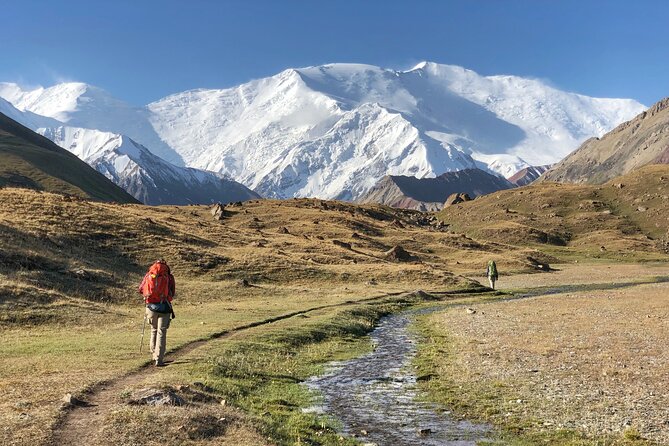
- Yurt nights plus a homestay stop with lunch, shower time, and WiFi at Tulpar-Kol/Sary Mogul area
- Major pass moments at Sarybell Pass (3,132 m) and Jiptok Pass
- Meals are handled end-to-end (7 breakfasts, 8 lunches, 7 dinners) with a traditional Kyrgyz twist
- Small group size (max 10) with a horseman and up to 15 kg luggage carried by horse
- Community-based touring tied to local life, food, and shepherd culture
Price and Logistics: What $1,100 Covers (and What Doesn’t)
At $1,100 per person, you’re paying for a guided, multi-day mountain experience where the biggest moving parts are already organized. Based on what’s included, you get an English-speaking trekking guide, shared accommodation in yurts and homestays, and transport from/to Osh plus transfers around Tulpar Kol.
You also get something that matters more than it sounds: your meals are included in full rhythm—breakfast (7), lunch (8), dinner (7)—so you’re not hunting for food at altitude. Add in the luggage service up to 15 kg per person via horse, plus a horseman for support, and it starts to feel like you’re buying time for hiking and rest instead of juggling logistics.
What’s not included is equally important for planning your budget: your hotel/meals in Osh city, tipping, and travel/health insurance. If you’re expecting a fully private setup, note the shared-room format is 3–5 people for both yurt nights and homestays.
You can also read our reviews of more tours and experiences in Osh.
Why This Route Works: Osh to the Alay High Country
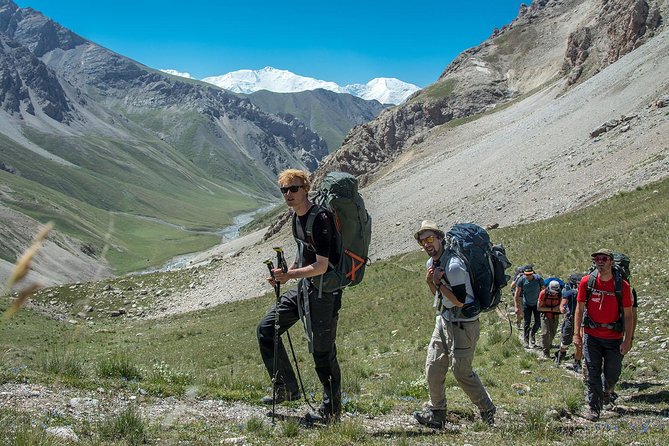
This trek is built around the Alay Mountains, starting around Sary-Mogul at 3,000 meters after you drive from Osh. From there, the daily effort steps upward with long walking days, river crossings, and repeated altitude changes that keep your body awake even when the distances vary.
The itinerary mixes walking and driving in a smart way: you spend travel time at the front end so the hikes start when you’re already positioned in the mountains. You’ll also notice the route is varied—open valleys, rocky alpine stretches, and high-pass viewpoints—so the week doesn’t feel like one long grind on the same terrain.
Day-by-Day: What Each Day Feels Like in Real Terms
Day 1: Osh to Sary-Mogul (3,000 m), First Mountain Walk
You depart Osh and drive about 220 km (around 4 hours) to Sary-Mogul at 3,000 meters. Then you start with a gentler trekking day: about 6 km for 3–4 hours, helping you acclimatize while you ease into the region.
Even when the hike isn’t long, day one matters because you’re adjusting to high elevation and mountain weather. Bring layers you can manage without turning the whole experience into a gear-fumbling exercise.
Day 2: Easy Valley Trek to Your First Yurt Camp
After breakfast, you walk roughly 14 km over 4–5 hours with a total ascent/descent listed at 461 m up and 115 m down. The trail follows an easy car road through open valleys and passes scenery that stays visible for long stretches.
This is the day I’d treat as your “find your rhythm” hike. If you pace calmly here, the later pass days feel more doable.
Day 3: The Long Day (15 km) with Big Elevation Work
Day three ramps up: the trek is about 15 km, often 8–9 hours, and the elevation change is substantial (1,059 m up / 859 m down). There’s a short drive—around 30 minutes—to the trek start point, then you go straight into longer climbing and sustained effort.
If you’re managing altitude, you’ll want to drink regularly and keep your breathing steady. This is the kind of day where moving too fast early costs you later.
Day 4: 19.4 km with Downhill and River Crossings
You’ll cover about 19.4 km in 7–8 hours, with 866 m ascent and 1,596 m descent. The day starts easier and trends downhill, with the route crossing rivers and changing from rocky alpine areas into greener terrain.
The descent can be tough on knees and ankles even when it feels less demanding on breath. Trekking poles help more than you think on a day like this.
Day 5: Sarybell Pass (3,132 m) and Kichik Alay Views
This is one of the standout high points. You’ll walk about 24 km in around 9 hours, climbing 1,299 m and descending 1,095 m. The key moment is reaching Sarybell Pass at 3,132 m, where the route is described as offering views of the Kichik Alay Mountains.
Expect this day to feel long. The pass itself is worth the effort, and the payoff is exactly what you want from a trek: a clear, high vantage where the miles finally make sense.
Day 6: Jiptok Pass via Switchbacks
Day six covers about 16 km in around 8 hours with 1,150 m ascent and 931 m descent. The trail climbs gradually along a river to the foot of Jiptok Pass, then you take switchbacks to reach it.
This is a strong “work up, then earn your views” day. Switchbacks can feel slow, but they’re efficient for gaining altitude without turning the hike into a scramble.
Day 7: Lake Tulpar-Kol Area, Homestay Lunch, Shower and WiFi
Day seven is shorter on paper: about 11 km for roughly 3 hours, with minimal net climb (40 m ascent) and a 320 m descent. You then walk to Sary Mogul village (noted as about 3 hours) for a homestay lunch, a chance to shower, and WiFi time.
This day is valuable because it’s the recovery bridge. Your body gets a lighter hiking day, and you get a more home-style reset before the final push.
Day 8: Toward Lenin Base Camp, Then Back to Osh
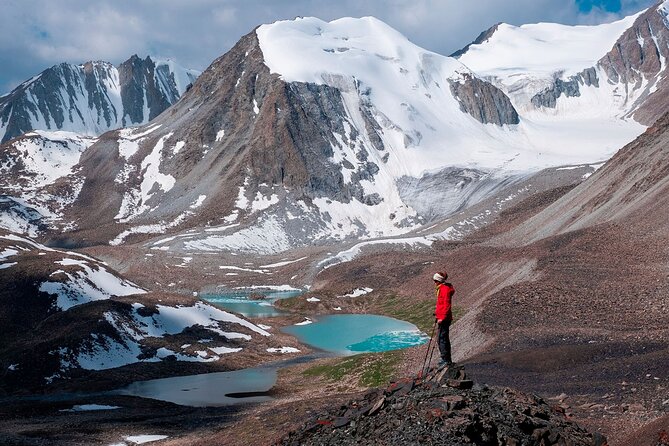
On the last day, you’ll wake early and head south from Tulpar Kol toward the alpinist Peak Lenin Base Camp area. The trek is described as 20 km for about 6 hours with 760 m ascent and 760 m descent, followed by a 5-hour drive back.
If you’re used to treks that end with a gentle walk, this one doesn’t. It closes with one final meaningful day in the mountains, then gives you the practical payoff: you’re back on the road after.
Yurts, Homestays, and Food That Isn’t an Afterthought
Sleeping here is part of the story. You’ll use shared accommodation in both yurts and homestays, with the setup noted as 3–5 person shared rooms. If you’re social, that can be fun. If you’re a light sleeper, bring earplugs and an eye mask.
Food is a real strength. Meals are included throughout, and the experience description emphasizes a traditional Kyrgyz twist to the menu. One key detail from real-world feedback: a vegetarian food option is available, which is a big deal on a trek where choices can otherwise be limited.
Also, don’t skip the homestay reset on day seven. The chance to shower and get WiFi time means you can re-charge your body and your phone without turning the trip into a constant survival mode.
The Guides and Support Team: Why This Feels Human
This trek is built around an English-speaking trekking guide, and the tone from guide names in feedback is consistent: the guides stick with the group and share knowledge, not just directions. People have mentioned standout guides like Ernis and Dastan, plus others such as Azi, Asan, and Eshim, which suggests you’re not getting a silent handoff.
There’s also a horseman and luggage transport up to 15 kg per person. That changes the hiking feel. You’re still carrying yourself, but your pack weight is reduced, which matters on long elevation days like the 8–9 hour walks.
One more practical point: you need a border permit for Peak Lenin Base Camp and the info notes that last-minute permit requests can trigger a surcharge. If you’re booking close to a start date, ask early so you’re not scrambling.
Altitude, Weather, and Prep That Actually Helps
This route starts at around 3,000 meters, and it climbs to at least 3,132 m at Sarybell Pass. Even if you’re fit, altitude changes how quickly you burn energy. Your best tool is pacing—move slower than you think on the first half of the trip.
Weather matters a lot in the mountains. This experience requires good weather, and the operator notes that if cancellation happens due to poor weather, you’ll be offered another date or a refund. So you want flexibility in your travel schedule even if you’re booking far ahead.
If altitude is a concern for you, it’s smart to plan your personal strategy ahead of time. One trekker specifically noted Diamox helped them with altitude sickness, so if you already use it or have a plan, bring it as advised by your own clinician.
The Balanced Take: Who Will Love This, and Who Might Struggle
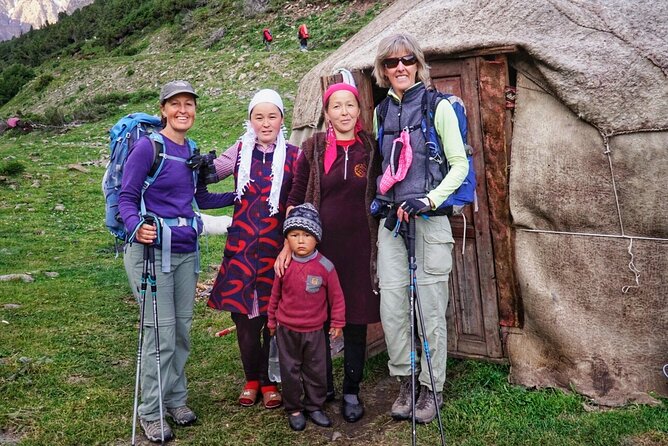
If you want a trek that mixes real mountain effort with community-based travel, this fits. The fact that the tour emphasizes local people, nomad culture, and shepherd interaction makes the experience more than just scenery hours. The small group size (max 10) also supports a calmer pace and more personal help when someone needs it.
The main “maybe not” is physical. Between the long days and the elevation gains/descents, this demands moderate physical fitness. If you know you struggle on 7–9 hour hikes or on steep descents, you’ll feel it here.
One caution I’d include, based on an outlier experience report: there can be times when organization and hygiene expectations don’t match what you hoped for, especially when people get sick. I don’t want to scare you off the trek, but it does mean you should ask how they handle health situations and what basic hygiene standards look like in the field.
Should You Book This 8-Day Alay Mountains Trek?
I’d book this if you want a guided Kyrgyzstan trek that’s structured, culturally grounded, and not padded with tourist fluff. The combination of English-speaking guides, included meals, yurt and homestay nights, and real pass days like Sarybell (3,132 m) gives you strong value for the money.
I wouldn’t book if you want a short, easy hike or a private, high-comfort setup. Shared rooms, long hiking hours, and mountain weather reality are part of the deal. If you do book, go in with a sensible pace plan, pack for cool high-altitude nights, and confirm any dietary needs like vegetarian food before departure.
FAQ
What is the duration of the Alay Mountains trekking trip?
It runs for 8 days (approx.).
How much is the trek, and what’s the trip price based on?
The price is $1,100.00 per person.
Is pickup included, and how do you get to and from the mountains?
The tour offers pickup, and it includes transport from/to Osh. There are also transfers related to Tulpar Kol Yurt Camp and the final drive back at the end of the trek.
What kind of lodging will I have during the trek?
You’ll stay in shared accommodations: yurts and homestays, with note that rooms are 3–5 people per shared space.
How are meals handled?
Meals are included: 7 breakfasts, 8 lunches, and 7 dinners. The food is described as having a traditional Kyrgyz twist, and one trekker noted a vegetarian option.
Can I cancel for a full refund if plans change or weather is bad?
Yes. You can cancel up to 24 hours in advance for a full refund. If the experience is canceled due to poor weather, you’ll be offered a different date or a full refund.