REVIEW · POKHARA
Trekking in Annapurna/Langtang/Everest/Upper Mustang regions
Book on Viator →Operated by Trekking Nepal with Raju - certified & professional guide · Bookable on Viator
Your best trek starts with a smart plan. This experience lets you base in Pokhara and choose routes in the Annapurnas or Upper Mustang, with a guide who organizes the details for your group. It’s set up as a private outing for up to 15 people, so you’re not stuck in a big crowd dance.
Two things I really like: you get real flexibility (day hikes or multi-day options), and the guide planning is hands-on. Raju Bhandari’s communication style shows up again and again in the feedback, including texting you before the hike and sharing photo options so you can choose a route with confidence.
One consideration before you book: the price mainly covers the guide (including guide’s lunch & dinner and guide accommodation). Your own food, drinks, and trekking lodging are extra, and you’ll also want to be ready for a moderate fitness level and changing weather.
In This Review
- Key things that make this trek setup work
- Pokhara makes the Annapurna and Mustang feel doable
- Choosing Annapurna or Upper Mustang from Pokhara (and keeping it flexible)
- What Raju Bhandari does well: planning, attention, and calm leadership
- Walking the Annapurna day hike: mountains, villages, and a steady 8-hour rhythm
- Price and value: $40 per group, plus your own trek costs
- Getting picked up, using a mobile ticket, and staying near transit
- Fitness level, pacing, and how to choose the right day
- Weather matters, and planning with a guide helps
- Should you book this Pokhara-guided trek setup?
- FAQ
- Where do the treks start and end?
- Can I choose between Annapurna and Upper Mustang routes?
- Are day treks and multi-day treks both possible?
- What is included in the $40 per group price?
- Is pickup included?
- What’s the cancellation policy if weather is bad?
Key things that make this trek setup work
- Pokhara start/end convenience: you’re not trying to relocate just to begin hiking
- Real route choice: you pick Annapurna or Upper Mustang, and the guide builds the plan
- Private group up to 15: calmer pacing, easier communication, less chaos
- Guide-led planning by text: you get options early, often with photos to help you decide
- Guide food and accommodation included: you budget better for your own trekking costs
Pokhara makes the Annapurna and Mustang feel doable
Pokhara is a practical base city. It’s close enough that a lot of trekking routes can feel like a day trip, yet it still puts you in the orbit of major Himalayan regions. The big win here is that the trekking experience is designed so your trip begins and ends in Pokhara, which means less moving around before you ever lace up your boots.
I also like the way the tour is structured around your group, not around a fixed script. You’re capped at 15 people, and it’s private for your group only. That matters because trekking is not just “walking.” It’s timing, weather windows, comfort breaks, and adapting to how your group feels. A smaller group tends to make those adjustments easier.
And then there’s the guide factor. The guide doesn’t just point the way. They help you arrange the itinerary and walk you through it as a group decision. When you’re choosing between the Annapurnas or Upper Mustang (and when you’re deciding day vs. multi-day), you want someone who can translate the options into something you can actually manage.
If your dream is to see mountain scenery and also feel Nepalese mountain life, this kind of guided setup is a nice middle ground. You get structure without being locked into one exact route.
You can also read our reviews of more tours and experiences in Pokhara.
Choosing Annapurna or Upper Mustang from Pokhara (and keeping it flexible)
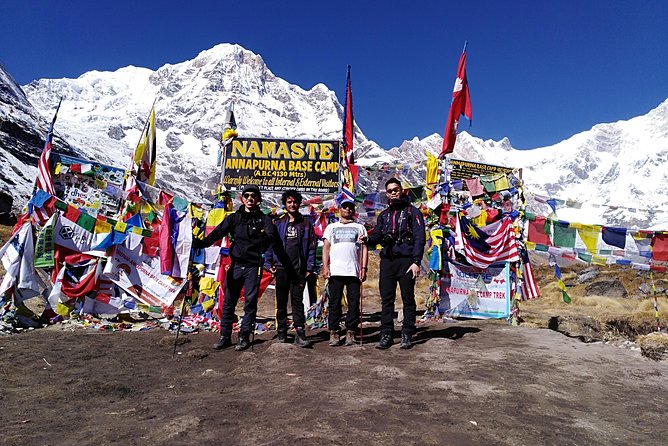
Here’s how the choice works: you select the region—either the Annapurnas or Upper Mustang—and then your guide arranges the itinerary around what you want to do. That could mean a short day hike or a longer multi-day trek, depending on your time and energy.
You’ll especially appreciate this flexibility if your group doesn’t match perfectly on fitness or hiking style. One person might want a longer route with more stops for views. Another might prefer fewer hours but a stronger focus on villages and scenery. Since your guide is building the plan with you, you can steer the hike toward what you care about.
The trekking options are framed around major regions including Annapurna/Langtang/Everest/Upper Mustang, but the practical planning angle you’ll be working with here is Annapurna or Upper Mustang. So, in real terms, you’re getting a guide-led decision process that’s grounded in where the trek starts and ends—Pokhara.
Also note the time range: this can run from about 2 hours up to 1 day depending on what you pick. That’s useful if you’re trying to fit hiking into a packed Nepal itinerary. It’s also useful if you’re acclimating or building confidence before committing to something bigger.
What Raju Bhandari does well: planning, attention, and calm leadership
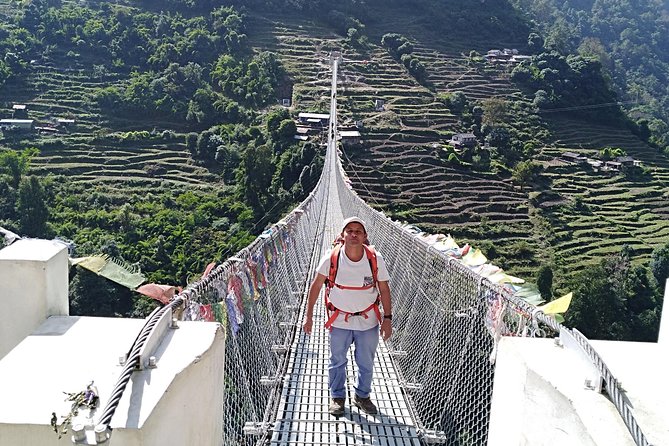
Your guide is central to how this experience feels. The provider listed here is “Trekking Nepal with Raju,” and the guide name that shows up clearly in the feedback is Raju Bhandari. The standout theme is that he communicates early and keeps the planning straightforward.
From the feedback, Raju tends to do three practical things well:
- He sends options so you can choose a trek without guessing.
- He uses text communication leading up to the hike, which reduces confusion on timing and route choice.
- He’s attentive during the hike—staying aware of the group and keeping things moving at a workable pace.
That “calm leadership” matters on trails. Mountain trekking has a way of turning small issues into big ones: shoes that need adjusting, a slower step because of altitude effects, someone needing an extra water stop. When a guide is paying attention, the day feels smoother.
There’s also the cultural and life side of the experience. Raju’s guidance isn’t limited to scenery. The route planning and on-trail talk are aimed at helping you experience Nepalese mountain life, not just pass through it. One full-day style route described focuses on villages and forest sections, with plenty of scenic points along the way—exactly the kind of mix that makes a day hike feel like more than exercise.
Walking the Annapurna day hike: mountains, villages, and a steady 8-hour rhythm
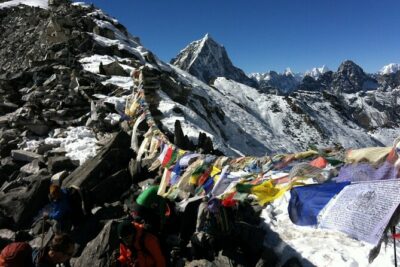
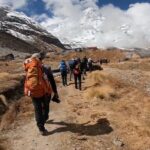
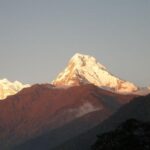
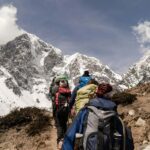
One of the most clearly described options is an Annapurna-region day outing that runs about 8 hours. The focus is on mountain views and Nepalese mountain life. There’s also a note that an admission ticket is free for this stop, which helps your day stay predictable.
What can you expect in practical terms on a hike like this?
- A long, view-oriented walk with time to absorb the scenery
- Stops that connect you to daily life in the hills, not just big viewpoints
- A steady rhythm rather than a sprint-and-photos model
In similar one-day Annapurna routes guided by Raju, people have gone to areas like Australian Camp and Dhampus, with time spent around forest sections and local villages. I mention those as examples because they reflect the kind of route mix you may be offered when you’re deciding what to do in the Annapurnas from Pokhara.
Here’s the important part for you: the planning stage is where you decide how “touristy” vs. “local-life” you want the day to feel. If you want more village texture, lean into options that spend more time in settlements and community areas. If you want more big-view trekking, choose routes that prioritize viewpoint time.
Potential drawback: an 8-hour day is not a casual stroll. Even with moderate fitness, you’ll want to set your expectation that this is an all-day effort. If your group has mixed pace, build in a buffer for rest stops and slower walkers.
Price and value: $40 per group, plus your own trek costs
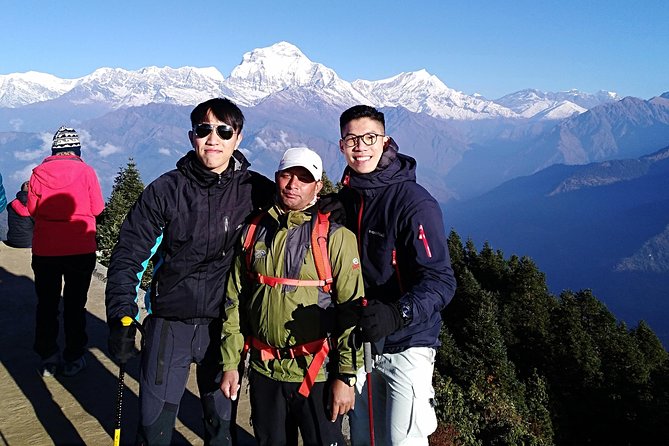
The price is listed as $40.00 per group (up to 15). That’s not a per-person mountain price tag, which can make the cost feel surprisingly reasonable when you’re traveling with others. The key is to look at what that $40 actually covers.
What your fee includes:
- Guide’s lunch & dinner
- Guide’s accommodation
What’s not included:
- Your lunch/food and drinks
- Your accommodation during the trek
- Private transportation (you can ask to organize it, but it isn’t included at this rate)
- Guide’s tip
So, is it good value? Usually yes—especially for a group—because you’re paying for guided planning and the guide’s basic support during the day. But you should budget separately for your own meals and any overnight lodging. In other words, don’t plan to travel on the $40 alone.
Also, the small group model changes the value math. With up to 15 people, you can share the guide cost without inflating it like some private 1-on-1 guide arrangements. But if you’re traveling as just two people, the per-person cost might still be manageable, just not as “bargain-group” friendly.
My advice: treat the $40 as the guide-and-setup fee, then create a second budget for your food/drinks and any trekking lodging you want. That’s the cleanest way to avoid surprise.
Getting picked up, using a mobile ticket, and staying near transit
This experience includes pickup offered. That’s a big deal in Pokhara where you don’t want to lose hiking time figuring out local transport logistics. You’ll also get a mobile ticket, which is helpful if your group is trying to keep things simple and paper-free.
Another practical detail: the experience is listed as near public transportation. That matters if you’re staying somewhere flexible or want a backup plan if pickup timing changes due to local traffic.
Because this is set as a private tour/activity for your group only, logistics feel calmer. You’re less likely to deal with the typical big-tour problem: waiting for strangers who are ready “soon.”
One small caution: your day still depends on trail conditions and weather. Your guide is the one who adjusts the plan, but you should be ready to be flexible if conditions aren’t ideal.
Fitness level, pacing, and how to choose the right day
The fitness level listed is moderate physical fitness. That’s a useful signal. It means you don’t need to be an elite hiker, but you should be comfortable walking for hours, including uneven trail sections and some steep parts depending on the route your guide chooses.
The duration can run from around 2 hours to 1 day, and the Annapurna example is about 8 hours. So your route choice is really the pacing decision. If you’re newer to trekking, go shorter and keep your energy for enjoying the views and village moments. If you already hike regularly, choose the longer day outing and accept that it will be an event.
Here’s a practical way to decide:
- If you want more time talking, resting, and absorbing culture, choose a route with a slower built-in rhythm.
- If you want a workout-style hike with more distance, choose the longer day option.
Also, remember that guides include food support for themselves, but you’ll be responsible for your own meals. Bring what you need for your comfort breaks, because food and drinks can affect pace a lot.
Weather matters, and planning with a guide helps
This kind of trekking requires good weather. If the experience is canceled due to poor weather, you’ll be offered a different date or a full refund. That policy is straightforward, and it protects you from throwing money at rainy forecasts.
The bigger “real-life” value is how the guide planning process reduces uncertainty. When you pick your region and your trek type in advance, your guide can structure the day around what’s likely workable. Text communication before the hike helps here too—getting route options and photos early means you don’t end up on the trail with a vague idea of what you signed up for.
If weather turns quickly, the best move is to stay flexible and let your guide lead the call. The mountains don’t care about your itinerary, but good planning can keep your day from becoming a slog.
Should you book this Pokhara-guided trek setup?
I’d book this if you want a guided Annapurna or Upper Mustang trekking day that starts and ends in Pokhara, with a guide who helps you choose your route instead of handing you a confusing list and wishing you luck. It’s especially strong for groups up to 15, since the pricing is per group and the guide’s meal/accommodation support is included.
Skip or rethink it if:
- You’re expecting the $40 to cover all your trekking costs. It won’t. Your food, drinks, and any accommodation for you are extra.
- You want an ultra-short, low-effort stroll every time. Even the day hikes can run long, and the listed fitness requirement is moderate.
- Your schedule is rigid to the minute and you hate weather changes. Bad conditions can force date changes.
If you’re okay with planning, moderate hiking, and budgeting for your own meals, this is a solid way to get real Nepal mountain time without turning logistics into your main activity. And if your guide is Raju Bhandari, you’re also getting the kind of communication and attentiveness that makes a day hike feel smoother from the first text message to the last viewpoint.
FAQ
Where do the treks start and end?
The treks are arranged to begin and end in Pokhara.
Can I choose between Annapurna and Upper Mustang routes?
Yes. You can pick routes in either the Annapurna region or Upper Mustang.
Are day treks and multi-day treks both possible?
Yes. You can choose day treks or multi-day treks depending on what you want.
What is included in the $40 per group price?
Your fee includes your guide’s lunch & dinner and the guide’s accommodation.
Is pickup included?
Pickup is offered.
What’s the cancellation policy if weather is bad?
You can cancel up to 24 hours in advance for a full refund. If the experience is canceled due to poor weather, you’ll be offered a different date or a full refund.