REVIEW · KATHMANDU
Explore The Beauty Of Langtang Valley In 8-Days Trek
Book on Viator →Operated by Bold Himalaya Treks and Travels Pvt Ltd · Bookable on Viator
Few treks feel this instantly real.
This Langtang Valley trek in about 8 days mixes practical logistics with mountain time, from a jeep ride out of Kathmandu to teahouse nights along the trail. I also like that the plan stays flexible, so you can take breaks for photos and breakfast without feeling rushed (Langtang Valley is the star, not a checklist).
I love two things most. First, you get full trip support on the ground: hotel pickup/drop-off in Kathmandu, an experienced English-speaking guide, and teahouse accommodation along the route with meals included (teahouses and food are part of the deal). Second, the guide focus is more than route-walking. You’ll get explanations about Himalayan culture and nature, which makes each day’s scenery feel connected instead of just scenic.
One drawback to keep in mind: it is still a real high-altitude trek with long walk days (often 5–6 hours), plus an optional higher hike. If you’re new to altitude, you’ll want to follow the pace advice and not force extra speed just to prove something on day 5 at Tserko Ri (up to 4,984m).
In This Review
- Key things I’d pay attention to before you go
- Why this 8-day Langtang Valley route works for real hikers (and first-timers)
- Kathmandu setup: pickup, optional hotel comfort, and quick prep
- Day 1: Syabrubesi (the long drive that sets the mood)
- Day 2: Syabrubesi to Lama Hotel and the suspension-bridge moment
- Day 3: Lama Hotel to Langtang Village through forests and meadows
- Day 4: Langtang Village to Kyanjin Gompa for panoramic views
- Day 5: Kyanjin Gompa exploration and the optional Tserko Ri push
- Day 6: Return to Lama Hotel and the art of retracing steps
- Day 7: Lama Hotel to Syabrubesi through forests and rolling hills
- Day 8: Drive back to Kathmandu and the farewell mood
- Price and value: what $270 covers and what you still pay for
- Teahouses, breaks, and food: the comfort you can actually count on
- The human side: guides, care, and that small-group attention
- Who should book this Langtang Valley trek, and who should pause
- Should you book Bold Himalaya’s Langtang Valley 8-day trek?
- FAQ
- How long is the Langtang Valley trek?
- Where does the trip start in Nepal?
- Is hotel pickup and drop-off included?
- What kind of accommodation is provided during the trek?
- Are meals included?
- Do I need trekking experience to join?
- Is the Tserko Ri hike required?
- Is there a guide, and what language do they speak?
- Are cultural activities included?
- What’s not included in the price?
Key things I’d pay attention to before you go
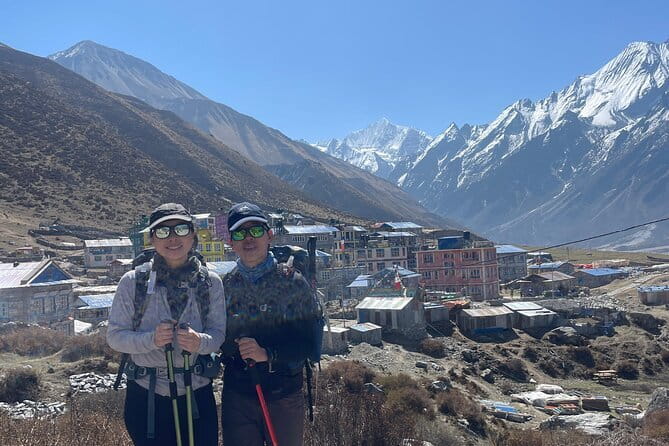
- Support that adapts when life gets messy: Bold Himalaya’s team handled real-world problems in Kathmandu for a solo trekker, including helping with luggage issues and escorting them while shopping in Thamel.
- A guide who keeps the route human: The trek is built around a friendly hiking guide, with time for regular breaks and explanations of Himalayan culture and nature.
- Teahouse nights and meals already planned: You’re not guessing where to sleep or what to eat most days. Lunch, dinner, and breakfast are included on most days, plus seasonal fruits.
- Big-view payoffs without a marathon schedule: Kyanjin Gompa sets up classic panorama vibes, and Tserko Ri offers a 360-degree option if you feel good that morning.
- Small-group guiding: A licensed trekking guide is set up for groups of up to 5 trekkers, which usually means more attention and fewer bottlenecks.
Why this 8-day Langtang Valley route works for real hikers (and first-timers)
This trek is designed for flexibility, not for you to sprint from viewpoint to viewpoint. The daily plan includes regular breaks, refreshments, and time to take photos, so you can move at your own rhythm instead of matching someone else’s legs. Most travelers can participate, and if you’re a beginner, the guidance is simple: walk at your own pace so you can acclimatize more effectively.
You should also note how the itinerary is paced around key stops. You start relatively low, then gradually gain altitude—Syabrubesi to Lama Hotel, onward to Langtang Village, then up to Kyanjin Gompa. That matters because your body needs time to adjust, and a staged route helps you avoid the common mistake of treating altitude like it’s just another hill.
At the same time, this isn’t a stroll. Some hiking days are around 5–6 hours, and you’ll be at meaningful elevation. If you’re the type who hates being cold at altitude or struggles with steady uphill walking, you’ll want to prepare mentally and physically.
You can also read our reviews of more tours and experiences in Kathmandu.
Kathmandu setup: pickup, optional hotel comfort, and quick prep
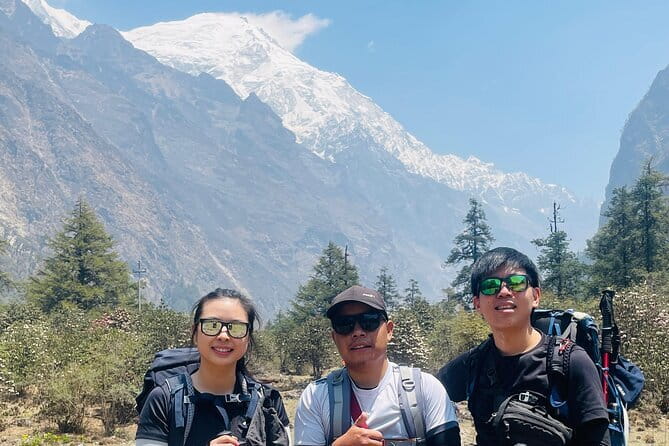
Your trip starts in Kathmandu, and you’ll be picked up and dropped off from your Kathmandu location. The tour is built around convenience: you meet the Bold Himalaya team, then transfer to the trailhead area by shared jeep. There’s also mention of accommodation options in Kathmandu that range from 3-star to 5-star hotels and resorts, with those upgraded stays available for an extra cost.
Before you head out, there are a few practical steps you’ll want to handle. You’ll need to send a copy of your passport after booking so documents can be prepared. And it’s smart to check your phone and get a local SIM card when you arrive, especially if you want to stay reachable and organized while your trek starts.
Day 1: Syabrubesi (the long drive that sets the mood)
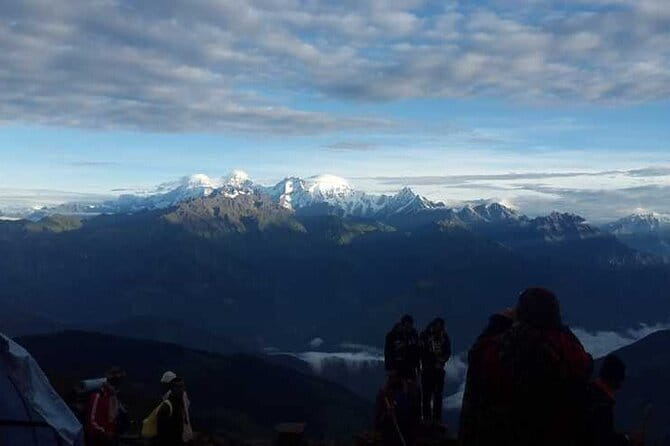
On day 1, you’ll ride from Kathmandu to Syabrubesi in about 6 hours in a shared jeep. This isn’t the part where you feel like a mountaineer; it’s the part where you settle in, watch the valleys change, and let your expectations adjust from city chaos to mountain pace.
The ride passes through mountain valleys, villages, rivers, and waterfalls. It’s a good warm-up in the sense that your senses start tuning in before you ever lace up boots. Also, it gets you to Syabrubesi in time to begin trekking the next day without an exhausting overnight travel scramble.
Day 2: Syabrubesi to Lama Hotel and the suspension-bridge moment
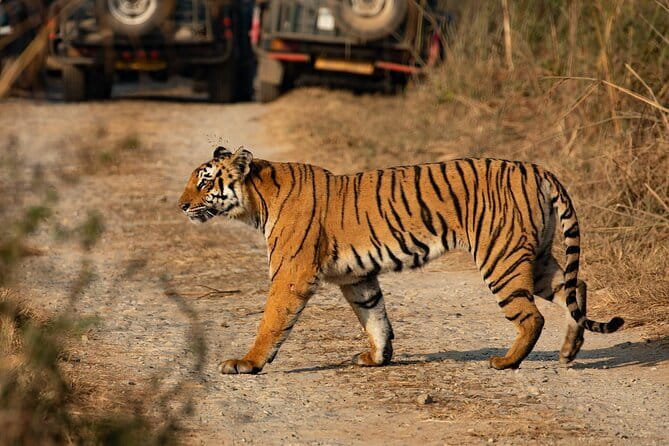
Day 2 is your first real trek day. After breakfast, you hike from Syabrubesi up to Lama Hotel (2,380m), which takes about 5.5 hours. The route crosses suspension bridges over the Bhote Koshi and Langtang rivers, and those crossings are often what you remember most from day 2—partly because they feel dramatic, partly because they break up the uphill effort.
This is also where the guide structure starts to feel valuable. You’ll have regular breaks and refreshments, and your meals are handled (lunch is included). The altitude is still manageable compared to later days, but it’s enough to remind you that you’re heading into a thinner-air world.
Day 3: Lama Hotel to Langtang Village through forests and meadows
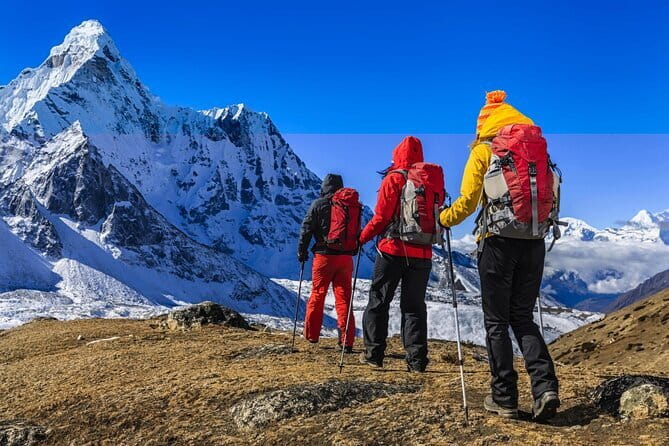
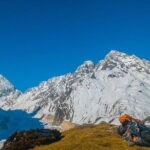
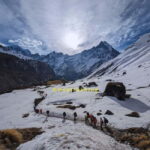
Day 3 takes you from Lama Hotel to Langtang Village (3,430m) in about 6 hours. The trail ascends through forests and meadows, so the day doesn’t feel like one long, identical uphill grind. You get scenery changes, which helps your head stay calm even when your legs are working.
This is also the day where the guide’s role becomes more than logistics. The trip is designed so your guide shares detailed knowledge of Himalayan culture and nature. That means you’re not just walking through space; you’re learning what you’re seeing—an approach that can turn a hard day into a meaningful one.
There’s flexibility built into the rhythm too, with breaks you can use for photos. That’s useful here because Langtang Valley’s beauty is easier to enjoy slowly, not by rushing past it.
Day 4: Langtang Village to Kyanjin Gompa for panoramic views
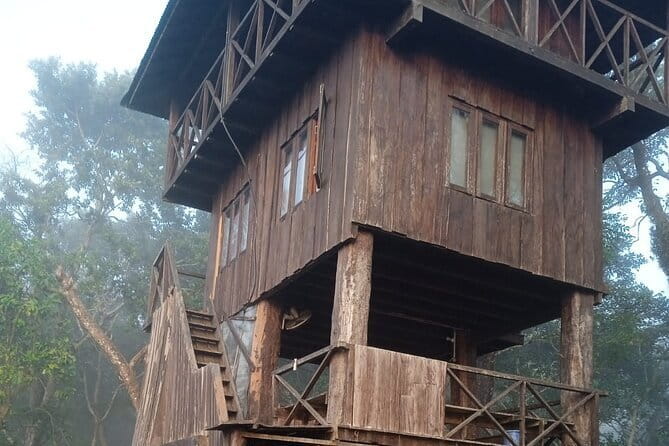
Day 4 is a shorter hiking day by time—about 4.5 hours—from Langtang Village to Kyanjin Gompa (3,870m). Even with less walking time, the elevation gain is still real, so it’s worth pacing yourself and using the breaks.
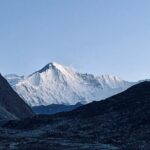
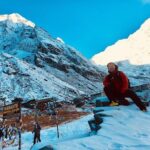
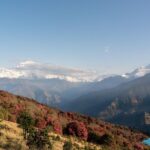
Kyanjin Gompa is the classic “this is why I came” stop. The route starts with breathtaking mountain views, and the day is described as short and scenic with panoramic vistas of Langtang Lirung and other surrounding peaks. Translation: you’ll likely feel it in your chest when you arrive, even if you’re not a big emotions person.
A shorter day like this is also smart for acclimatization. You get altitude, a big view payoff, and then you have time to rest and plan your next morning.
Day 5: Kyanjin Gompa exploration and the optional Tserko Ri push
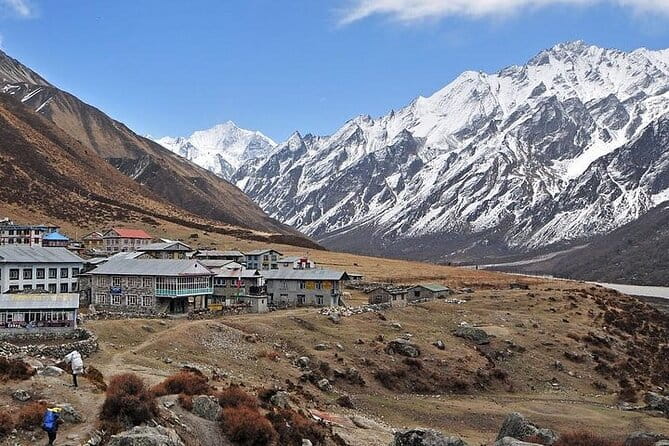
Day 5 revolves around views and a choice. You wake up and explore Kyanjin Gompa, then there’s an optional hike to Tserko Ri (4,984m) for people who want a challenge.
The option is framed as an adventurous add-on, and it’s described as a route that delivers 360-degree Himalayan views. It also means you should be honest with yourself about how you’re feeling at altitude. If you’re even slightly unsure, it’s better to skip the high hike and enjoy Gompa and the surrounding panoramas at a lower elevation.
This day usually comes down to energy management. The plan says the full day is about 7 hours, so even the optional part isn’t treated like a five-minute detour.
Day 6: Return to Lama Hotel and the art of retracing steps
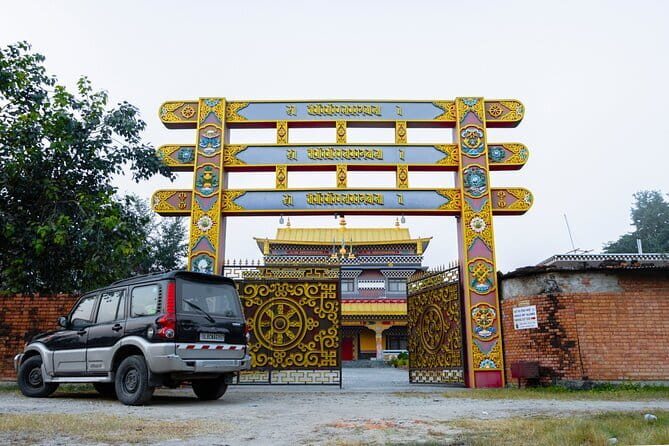
Day 6 is a return hike from Kyanjin Gompa back to Lama Hotel (2,380m). It takes about 6 hours and retraces the valley route. Retracing sounds boring on paper, but it usually isn’t—because now you’re moving through the same scenery with a different kind of focus.
You might notice different light on the trail, different bird calls, and different stone-and-dust details that you missed while heading up. And physically, descending can feel easier than climbing, but it can also stress your knees. That’s where trekking poles and steady pacing help.
Because lunch and dinner are included, day 6 keeps its pace. You’re not spending energy worrying about meals; you can spend it on walking.
Day 7: Lama Hotel to Syabrubesi through forests and rolling hills
Day 7 hikes back to Syabrubesi in about 5 hours. The description emphasizes lush green forests and rolling hills, with the soothing sounds of rivers. This is a great day for letting your brain un-clench after the harder altitude days.
It also gives you an extra buffer for the final transfer. Getting back to Syabrubesi on schedule means you’re not rushing at the end when you’re already tired.
Day 8: Drive back to Kathmandu and the farewell mood
On day 8, you drive from the trail area back to Kathmandu in about 6 hours. The day is described as reflecting time—thinking about memories, enjoying mountain views and charming towns along the road.
You’ll also have at least one special cultural show and a farewell dinner program as part of the overall trip. These are the moments that make the trek feel like a complete experience rather than just walking and sleeping.
When you reach Kathmandu again, you’ll likely feel two things at once: relief at having your bed nearby, and a weird sense of calm because you’ve been living in a simpler rhythm for days.
Price and value: what $270 covers and what you still pay for
The price is listed as $270 per person. What makes it feel like decent value is what’s wrapped in: accommodation in teahouses along the route, and a licensed guide included with salary, lodging, meals, and insurance. You also get meals—breakfast (7), lunch (8), dinner (7)—plus occasional seasonal fruits.
Pickup and drop-off in Kathmandu are included too, and there’s the cultural show plus farewell dinner program. In other words, you’re paying for more than just a GPS track. You’re paying for the human support and the day-to-day basics that keep you from turning the trek into a logistics project.
What’s not included is also clear. Bar bills and personal expenses are on you. That’s normal for most trekking setups, but it’s worth remembering before you pack your budget like every sip is free.
Teahouses, breaks, and food: the comfort you can actually count on
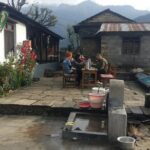
This trek includes accommodation in the “best teahouses along the trek route,” plus regular breaks and refreshments. That’s important because teahouse trekking is not about luxury; it’s about having a predictable place to rest when your body asks for it.
Meals are included, which changes your day-to-day stress level. When lunch and dinner are handled, you can focus on pacing and breathing. And when breaks are scheduled, you’re less likely to accidentally overdo it because you’re hungry and pushing through.
Even seasonal fruits are mentioned, which is a small detail but the kind of thing that makes the walk days feel more human and less robotic.
The human side: guides, care, and that small-group attention
The standout theme from the reviews is support that feels personal. One review highlights Sorbit as particularly attuned to needs and able to develop a custom trip to Langtang. That same review mentions a luggage problem: when luggage didn’t arrive in Kathmandu, Sorbit took time to meet the traveler and even escorted them while shopping around Thamel to get what they needed.
That kind of on-the-ground help matters. Kathmandu can throw curveballs, and altitude treks don’t leave much room for wasted days. It’s reassuring to know the company responds fast.
Another review emphasizes a guide named Garap as outstanding for someone doing their first solo high-altitude trek. That reviewer specifically appreciated feeling supported—plus the guide’s patience and knowledge while handling a first-time experience. Even though solo trekking can feel intimidating, the way the trek is structured here—licensed guidance, small group guiding, and flexible pacing—helps reduce the stress of doing everything alone.
Also, the guide coverage is set for up to 5 trekkers. Smaller group ratios usually mean you’re more likely to get help when you need it, and less likely to get lost in a crowd rhythm.
Who should book this Langtang Valley trek, and who should pause
I think this trek fits best if you want a guided Langtang Valley experience with real logistics handled: teahouses, meals, a friendly English-speaking guide, and time for breaks. It’s also a solid choice if you want culture and nature explained along the way, not just route instructions.
Beginners can participate, especially if you respect the advice to walk at your own pace for acclimatization. If you’re new, the optional peak hike to Tserko Ri is the one part to be cautious about. It’s listed as optional for a reason—your best view might come from choosing the hike only when your body says yes.
If you hate walking 5–6 hours on most days, you’ll likely find this too much. This is a trek, not a scenic bus tour.
Should you book Bold Himalaya’s Langtang Valley 8-day trek?
If you want a reliable, guided Langtang Valley trek with included meals, teahouses, pickup/drop-off, and a small-group guide setup, this one makes sense. The fact that the company’s support shows up in real situations—customizing the trip and helping when luggage goes missing—gives the trip extra credibility beyond a brochure.
Before booking, be honest about your fitness and altitude comfort. Plan to walk slowly, especially in the first climbing days. And decide early whether Tserko Ri is truly your style, not just your ambition.
If that all sounds like you, you’ll likely come away with the kind of trek satisfaction that lasts longer than the sore legs.
FAQ
How long is the Langtang Valley trek?
The trek lasts about 8 days.
Where does the trip start in Nepal?
The meeting point is the Tribhuvan International Airport area on Ring Rd in Kathmandu.
Is hotel pickup and drop-off included?
Yes, pickup and drop-off in Kathmandu are included.
What kind of accommodation is provided during the trek?
You’ll stay in teahouses along the trek route.
Are meals included?
Yes. Breakfast is included on 7 days, lunch on 8 days, and dinner on 7 days, with some seasonal fruits mentioned as well.
Do I need trekking experience to join?
Most travelers can participate. If you’re a beginner, the guidance is to walk at your own pace to help with acclimatization.
Is the Tserko Ri hike required?
No. The hike to Tserko Ri is described as optional.
Is there a guide, and what language do they speak?
Yes. An in-person English-speaking guide is included, and it’s described as a licensed trekking guide for up to 5 trekkers.
Are cultural activities included?
Yes. The trip includes one special cultural show and a farewell dinner program.
What’s not included in the price?
Bar bills and personal expenses are not included. The trip also lists free cancellation up to 24 hours in advance for a full refund.