REVIEW · PHUKET
Big Buddha Jungle Trekking and Temple tour with Lunch
Book on Viator →Operated by CC's Hideaway · Bookable on Viator
Steep jungle, big views, temple calm. This Phuket jungle hike mixes serious walking with classic sights: the Big Buddha area and Wat Chalong. I like how the day has clear rewards along the climb (coconut, fruit, and stops for photos), and I also like the human side—guides like Kong, Bon, and Nuya show up in the feedback as upbeat and good at keeping people moving. The main drawback is simple: it’s hot, steep in spots, and you’ll want solid shoes and a realistic fitness level.
You start at CC’s Hideaway around 10:30am and typically roll back by about 3:30pm. The tour includes free pickup and drop-off in the Kata, Kata Noi, and Karon area, and a vegetarian lunch option is available if you flag it at booking.
In This Review
- Key Things That Make This Tour Worth Your Time
- Phuket in One Morning: Jungle Workouts and Temple Calm
- Price and Logistics: What You Pay for, and What You Actually Get
- The Trek Up: Steep Jungle Path, Rest Breaks, and View Rewards
- Stop for Fuel: Coconut, Fruit, and Local Snacks at the Big Buddha Break
- Viewing Big Buddha With Closure Limits: See It Anyway
- Wat Si Supharam: Merit-Making Time in a Quieter Temple Setting
- Wat Chalong: Phuket’s Most Visited Temple, With Time to Wander
- Lunch at WeCafe and Organic Spots: Healthy Food After the Hike
- The Real Value: Why This Combo Works
- Who Should Book This (and Who Should Skip It)
- Tips to Have a Smoother Day
- Should You Book the Big Buddha Jungle Trekking and Temple Tour?
- FAQ
- How long is the Phuket Big Buddha Jungle Trekking and Temple tour?
- What’s included in the price?
- Do I get hotel pickup?
- What time does the tour start?
- Can I visit the Big Buddha statue up close?
- Is lunch provided, and is there a vegetarian option?
- How physically demanding is the jungle trek?
- What’s the group size limit?
- What should I wear for the trek?
Key Things That Make This Tour Worth Your Time
- A real jungle climb, not a stroll: expect a short-but-steep workout up the hill with frequent pauses.
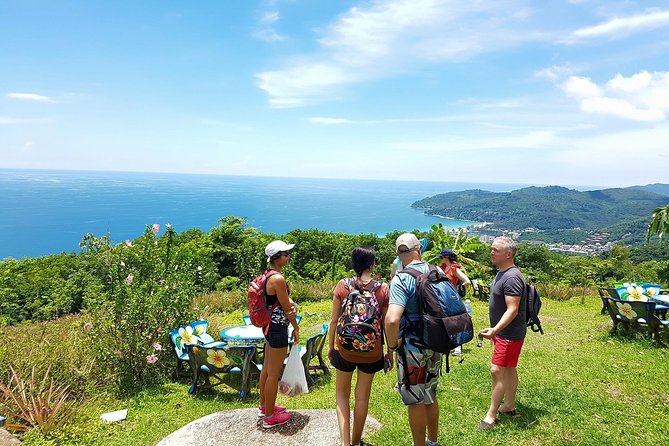
- Fresh rewards at the Big Buddha viewpoint: coconut, fruit, and local Thai desserts during the break.
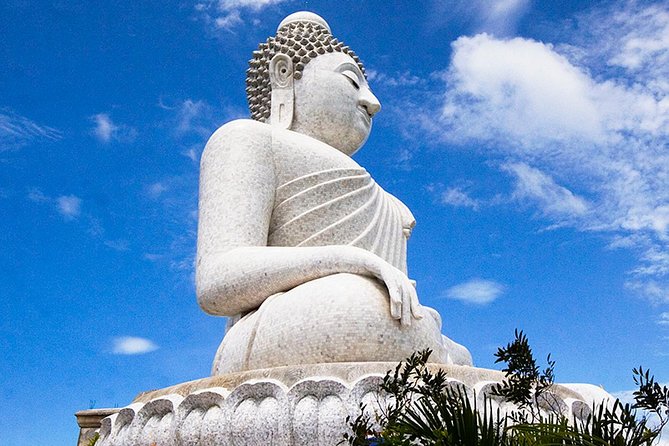
- Big Buddha access even with closure limits: the main statue is reportedly closed by government orders, but you can still view it from behind.
- Temple stops that go beyond a photo stop: Wat Si Supharam and Wat Chalong include time to wander and learn.
- Lunch is healthy and farm-to-table style: it’s served at WeCafe (salad/coffee/family) or another organic spot depending on the day.
- Small group size (max 10): it keeps the pace manageable and makes the guide easier to ask questions.
Phuket in One Morning: Jungle Workouts and Temple Calm
This tour is built for people who don’t want to spend a whole day trapped in traffic. The plan is simple: you earn your views with a hike through the jungle, then you switch gears to temples with a calmer pace.
I also like that the route is designed to get you out of the thick crowds. Because it’s a morning-focused plan, you tend to get more breathing room at viewpoints and temple grounds than you would on a midday bus tour.
You can also read our reviews of more tours and experiences in Phuket.
Price and Logistics: What You Pay for, and What You Actually Get
At $52.15 per person for about 5 hours, this is priced like a budget day trip—until you look at what’s included. You get a professional guide, hotel pickup and drop-off in the Kata/Kata Noi/Karon area, beverages plus bottled water, lunch, and snacks.
Admission tickets are included for the stops too, which matters at Big Buddha and the temples. Also, the group max of 10 people is the kind of small number that often makes a tour feel more personal without turning it into a private (and pricey) operation.
The tradeoff is transfer fees if you’re outside the pickup zone. If you’re not in Kata, Kata Noi, or Karon, double-check the added transfer cost before you assume it’s included.
The Trek Up: Steep Jungle Path, Rest Breaks, and View Rewards
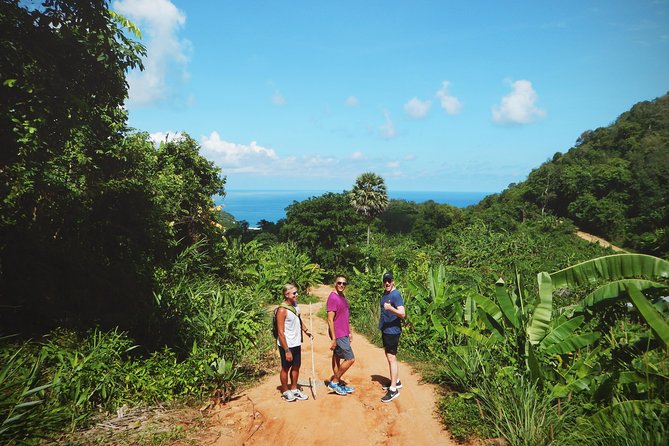
The day starts with pickup from CC’s Hideaway, then you meet the guide at CC’s Eco Tours. From there, you go straight into the climb. Expect a route that feels short on paper but challenging in heat—steep in parts, and hard if you try to sprint.
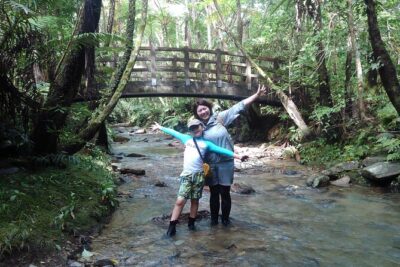
Based on common trip experiences, many people describe the uphill section as roughly 2km going up around 300m, with the path steep enough that you’ll likely stop to catch your breath. The good news: you’re not shoved along. Guides tend to build in rest breaks and keep the pacing human, even if the hill is not.
You also walk under tree cover more than you might expect, which helps. Still, you’ll sweat. Bring light clothes and good grip shoes, and plan to drink steadily.
One practical note: even though water is provided, I’d still bring extra if you run hot. Heat can turn a “moderate” trek into a slow crawl fast.
Stop for Fuel: Coconut, Fruit, and Local Snacks at the Big Buddha Break
Once you reach the Big Buddha area, you get a short break before you go higher. This is where the tour feels like it respects your effort. You’ll often be offered fresh coconut, fruit, and local Thai desserts—simple, but very welcome after the uphill work.
If you’re the kind of person who starts feeling hungry halfway through a hike, this stop is exactly what you want. It’s not just about food; it’s also your moment to reset, take photos, and get your legs ready for the next section.
Viewing Big Buddha With Closure Limits: See It Anyway
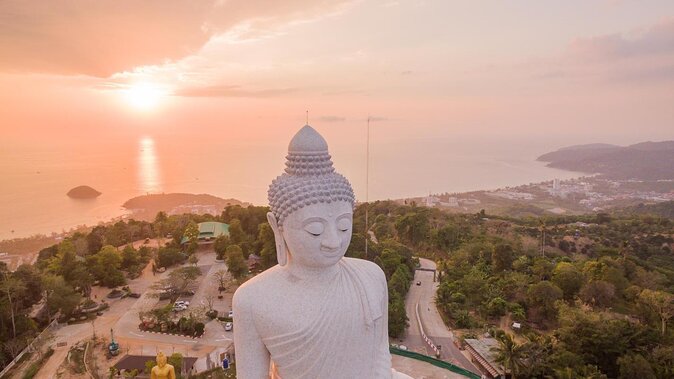
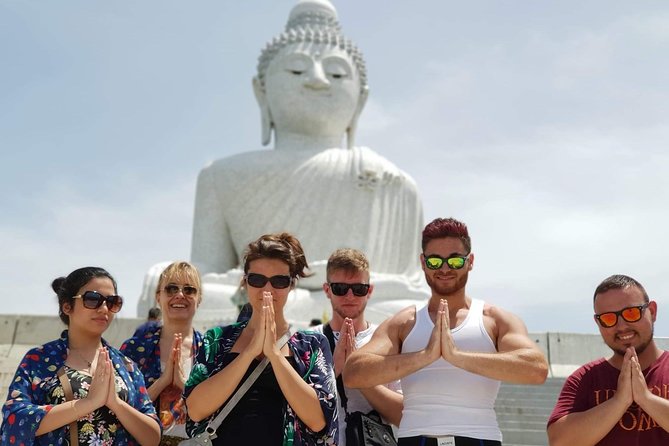
Here’s the part that keeps the tour honest. The main Big Buddha statue is reportedly closed due to government orders, so you don’t get the same access as usual.
But the experience still has a big payoff: you can ride up to the higher area and view the statue from behind. So you still get the scale and the atmosphere, just with different access than you might expect from an open-season visit.
Also, plan your photo timing. If you want the statue shots without major crowd pressure, the morning timing helps. You’re not competing with a late-day rush for viewpoints.
Wat Si Supharam: Merit-Making Time in a Quieter Temple Setting
After Big Buddha, the tour heads to Wat Si Supharam, also known as Wat Luang Phu Supha. This stop is more about atmosphere than about rushing through highlights.
You’ll have time to soak in the peaceful temple environment. There’s also a chance to make merit through an offering ritual, which is a nice cultural touch if you’re interested in how Buddhists practice everyday faith.
I like this stop because it slows the day down. After a steep hike, it feels good to walk at a temple pace—less counting steps, more watching how people move through a space.
Wat Chalong: Phuket’s Most Visited Temple, With Time to Wander
Wat Chalong (also called Chai-Thararam Temple) is next. This is Phuket’s largest and most revered temple, built in the early 1800s.
You’ll drive over, then spend time exploring the grounds. The best way to enjoy Wat Chalong is to move slowly and let the temple buildings and gardens do their job. It’s not a “you have 12 minutes” stop, and you don’t need to rush to get something out of it.
If you’re into religious architecture and temple symbolism, this is the stop where the day starts to feel like more than an active tour. It turns into a real cultural visit.
Lunch at WeCafe and Organic Spots: Healthy Food After the Hike
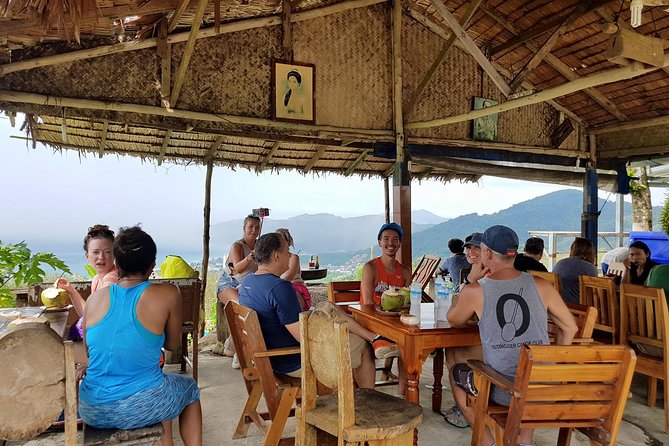
Lunch is part of what makes this tour feel balanced. You’ll head to WeCafe—labeled around salad, coffee, and family style—or a farm-to-table restaurant/organic place depending on the day.
This is usually a solid recovery meal: warm and filling enough after the hike, and positioned as a healthier choice rather than a greasy “tour lunch.” If you booked the vegetarian option, you can request it ahead of time.
Still, a bit of real-world honesty: the exact lunch spot can vary by day, so the food style can feel different. If you have strong cravings for Thai flavors only, you might want to ask at booking which restaurant is planned.
The Real Value: Why This Combo Works
Lots of Phuket tours do one thing well—either hiking or sightseeing. This one stitches together both, and it works because the pacing is built around effort.
You get:
- movement and sweat during the trek
- earned views during the Big Buddha segment
- calm time during temple wandering
- a recovery meal that isn’t an afterthought
The result is a day that feels active but not chaotic. And with a maximum of 10 people, it’s easier for the guide to manage stops, water, and pace so you don’t feel like you’re being herded.
Who Should Book This (and Who Should Skip It)
Book it if you want a day that mixes nature + temples without spending hours in a van. It’s especially good for couples, solo travelers, and anyone staying around Kata/Kata Noi/Karon who wants an efficient plan from pickup to drop-off.
You should think twice if:
- you hate steep uphill walking
- you’re very sensitive to heat and humidity
- you want a relaxed walking tour with minimal effort
For families, it can work with the right expectations. There are examples of even younger participants handling the trek with rest breaks, but the climb is still steep enough that comfort depends on the child and the pace your guide sets.
Tips to Have a Smoother Day
First, treat shoes like part of the gear list. Comfortable walking shoes with grip are not optional on a steep, jungle path.
Second, bring water habits. Water is included, but you’ll still sweat hard. If you’re worried about the heat, pack a small extra bottle.
Third, expect the day to be active but guided. Guides on this kind of trek tend to keep the group together with rest points and short breaks, plus they help with photos at key sights.
Finally, be aware of the reality of small roadside stops. At least one person described a moment that felt uncomfortable at a drink stop involving animals outside. If animal welfare issues hit your nerves, keep your eyes open and follow your own comfort level.
Should You Book the Big Buddha Jungle Trekking and Temple Tour?
I’d book this if you want one Phuket day that earns your views and also gives you meaningful temple time. The value is strong for the price because lunch, snacks, water, guide support, admissions, and hotel pickup are included.
You should skip it (or choose a gentler alternative) if you want mostly flat sightseeing. This is a trek-first day, and the temples are the calmer reward after the climb.
If you can handle a steep uphill walk in warm weather, this is the kind of tour that makes Phuket feel less like a beach loop and more like a real place.
FAQ
How long is the Phuket Big Buddha Jungle Trekking and Temple tour?
It runs for about 5 hours (approx.), from pickup in the morning until you return around 3:30pm.
What’s included in the price?
The tour includes bottled water and beverages, lunch and snacks, a professional guide, and free hotel pickup and drop-off in the Kata, Kata Noi, and Karon area. Admission tickets are included for the tour stops.
Do I get hotel pickup?
Yes, free pickup and drop-off is included for hotels in the Kata, Kata Noi, and Karon area. Other areas may have extra transfer fees, which you should confirm with your hotel.
What time does the tour start?
It starts at 10:30am, and it ends back at the meeting point around 3:30pm.
Can I visit the Big Buddha statue up close?
The main Big Buddha statue is reportedly closed due to government orders, but you can still view the statue from behind.
Is lunch provided, and is there a vegetarian option?
Yes, lunch is included. A vegetarian option is available if you request it at booking.
How physically demanding is the jungle trek?
It’s designed for travelers with moderate physical fitness. The hike is steep in parts and can be challenging in heat, with rest breaks offered.
What’s the group size limit?
The maximum group size is 10 travelers.
What should I wear for the trek?
Wear comfortable walking shoes and comfortable clothes suitable for warm weather and a steep hike.