REVIEW · KATHMANDU
Mardi Himal Trek – 9 Days
Book on Viator →Operated by Alliance Adventure Pvt. Ltd · Bookable on Viator
Mardi Himal rewards early mornings. This trek mixes Mardi View Point sunrise drama with quieter forest walking, and the team keeps things running with an English-speaking guide, strong porters, and steady lodge-to-lodge meals. I also like that you’re provided a warm down jacket and sleeping bag, so you’re not scrambling for winter gear last minute. The main drawback is simple: you’re still doing a real trek with early starts, basic lodge conditions, and extra costs like bottled water, cold drinks, and tips.
If you want the Annapurna region without the biggest-trail crowds, Mardi Himal hits a nice balance: big Himalayan moments, plus everyday Nepal life—tea gardens, village paths, and local culture—thrown in at a pace that feels manageable. It’s also a private tour, so you won’t have to squeeze your schedule around strangers.
In This Review
- Key highlights to know
- Why Mardi Himal feels like the Annapurna option with fewer headaches
- Price and what you’re really paying for ($1,315 per person)
- Kathmandu start: culture time on Day 1 (without trying to do everything)
- Day 2 to Day 4: clear-weather Himalayan looks, then forest walking with mood shifts
- Day 5: the 4am push to Mardi View Point and Base Camp (yes, it’s early)
- Day 6: Badal Danda sunrise, then the long, satisfying downhill
- Day 7: local village trekking and culture that’s part of the path
- Day 8: tea garden morning, then drive back to Pokhara (free & easy)
- Day 9 and Day 10: farewell dinner, Nepal history time, and Kathmandu shopping
- Lodges, meals, and the comfort level you should expect
- Permits, documents, and the paperwork you need before you go
- Packing smart: clothes and gear the trek expects
- Who should book this Mardi Himal Trek—and who should pause
- Should you book this Mardi Himal Trek with Alliance Adventure?
- FAQ
- How many days is the Mardi Himal Trek?
- Where does the tour start?
- Is there domestic transportation included?
- Does the price include hotels in Kathmandu and Pokhara?
- What permits are included?
- Do I need to send passport details and photos before the trek?
- What trekking gear is included?
- Are meals included during the trek?
- What costs are not included?
- Is this a private tour?
- If I cancel, do I get a refund?
Key highlights to know
- 4am sunrise push to Mardi View Point and back-legs to Base Camp area timing
- Badal Danda as a final major sunrise viewpoint before the descent
- Forest days that shift into more open-sky views as the trail gains mood
- Tea garden morning and a drive back to Pokhara for a calmer finish
- Permits (TIMS + trekking permit) and trekking meals are built into the price
- Gear support: warm down jacket, sleeping bag, duffel bag, and walking pole after the trek
Why Mardi Himal feels like the Annapurna option with fewer headaches
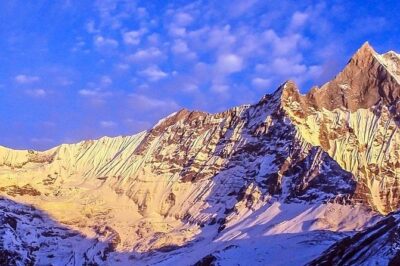
Mardi Himal sits in the Annapurna region, but the experience tends to feel less crowded and more “local trail.” You get the classic high-mountain payoff—views you’ll want to stare at longer than is reasonable—without spending every day in a traffic jam of other hikers.
What I like most is the mix of big views and in-between moments. Some days are about the trees and the hush of the forest. Other days open up to wider sky. That rhythm matters because it breaks up the strain. It also makes it easier for your legs to recover between the early starts.
You can also read our reviews of more tours and experiences in Kathmandu.
Price and what you’re really paying for ($1,315 per person)
At $1,315 per person, this is not a bargain-basement trekking deal. But it’s also not just a “guide + good luck” situation. A big chunk of the cost goes into the stuff that usually becomes hidden in trekking: meals across the trek, lodging, permits, and the domestic transportation between Kathmandu and Pokhara.
Here’s where the value shows up for you:
- Kathmandu (2 nights) and Pokhara (1 night) hotels with breakfast
- Domestic flights: Kathmandu → Pokhara → Kathmandu, plus private driving on the ground
- All lodge meals on trek (breakfast, lunch, dinner, plus tea/coffee and hot drinks)
- Trekking permits including TIMS cards
- Guide and porters, with insurance for guide and porter and a medical kit along the way
- Cold-weather support gear like a warm down jacket and sleeping bag
The parts that cost extra, and you should budget for:
- cold drinks and mineral water, plus hot showers (not included)
- tips for guide and porters
- your international flight and the Nepal visa fee
- snacks, laundry, and bar bills (because trekking + bars is a risky combo for your budget)
Net-net: this price looks fair if you want fewer moving pieces and more hand-holding—especially when you add up permits, domestic transport, and gear support.
Kathmandu start: culture time on Day 1 (without trying to do everything)
Your trek begins in Kathmandu, with a Day 1 that’s meant for getting your bearings and easing into Nepal. You land, you settle in, and then you explore the capital’s culture.
This “not rushed” opener matters. Trekking is hard enough without adding a second stress: getting lost, figuring out cash points, or hunting for dinner after a long flight. Here, you’re set up with arrival-to-departure transportation, and you’ll have hotel breakfast waiting.
Practical note: the company strongly discourages wandering alone and reminds you to be alert. There’s also guidance about avoiding flashy valuables and not engaging with street children/beggars. In plain terms: keep it simple and safe, and let your guide handle the busy parts.
Day 2 to Day 4: clear-weather Himalayan looks, then forest walking with mood shifts
On Day 2, the experience hinges on weather. If it’s clear, you’ll get views of the Himalayan range plus local villages. When weather isn’t cooperative, you’ll still be walking and seeing the day-to-day rhythm of highland Nepal, but the big photos may be fewer.
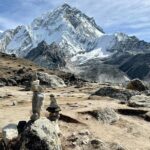
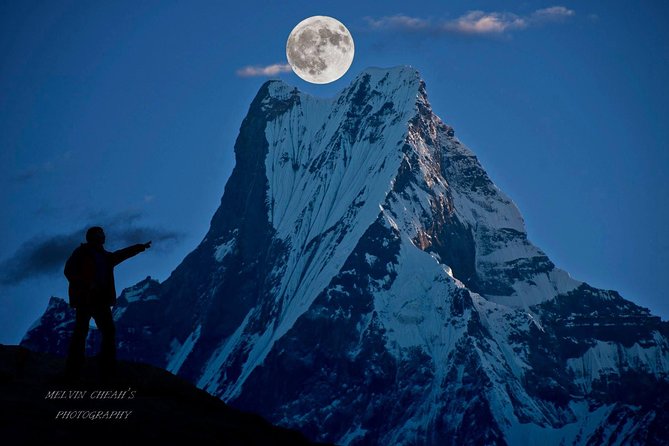
Then Day 3 brings the classic Mardi Himal feel: the trail moves into forest, and you pass scenery connected to the region’s well-known peaks—including the Fishatail view area you’ll hear about along the way. This is a good day to slow down. Forest trekking can feel easier than steep trail climbing, but it can also quietly wear you out because you’re walking through variable footing.
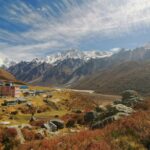
Day 4 adds another layer: the walking continues through forest, and later you’ll see more open sky with mountain views. That “switch” is important. It tells your body that harder climbs might be ahead, while your mind gets rewarded with wider views.
Possible drawback to watch for here: the days can include both shaded forest sections and exposed colder stretches. Dress in layers, and don’t wait until you’re chilly to add warmth.
Day 5: the 4am push to Mardi View Point and Base Camp (yes, it’s early)
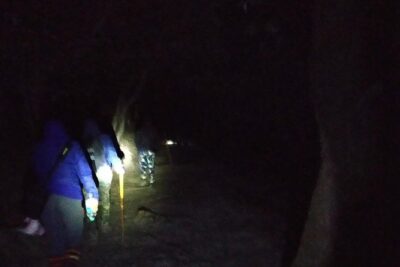
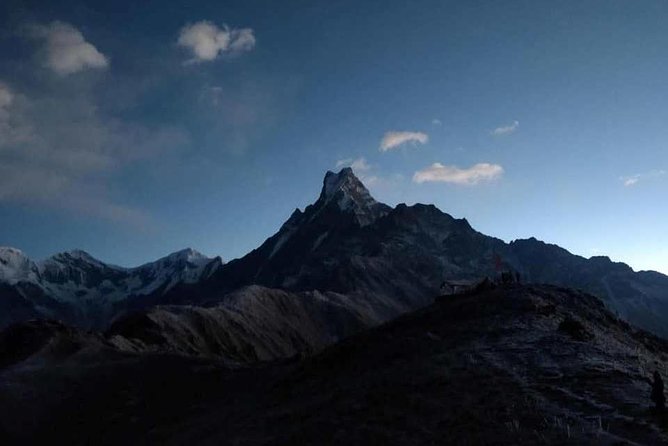
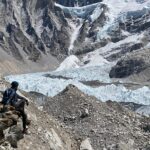
Day 5 is the centerpiece for many people. You start walking around 4am toward Mardi View Point and then continue to the Base Camp area timing (with a few hours out and back). It’s sunrise-focused, so you’re moving in the dark and cold.
Here’s what makes this worth it:
- You’ll get sunrise catching either from the view point or along the way, depending on conditions
- The early start forces the trip into “mountain mode,” where everything feels more intense and meaningful
Also, this trek is paced like a leisure trek rather than a forced march. That matters at 4am, because you want the team to keep the rhythm steady—not blow out your energy too fast.
Gear tip: bring the flashlight you’re advised to carry, and make sure your batteries are fresh. If you forget that, you’ll be relying on others’ headlamps, which is never the way you want your night to feel.
Day 6: Badal Danda sunrise, then the long, satisfying downhill
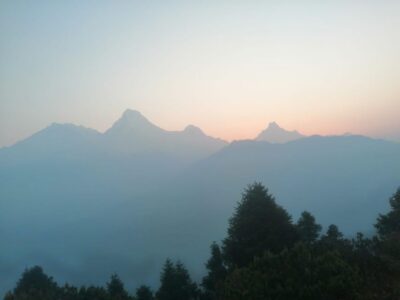
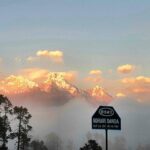
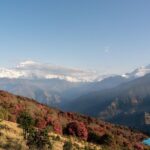
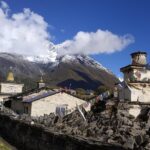
Badal Danda is one of the best sunrise view points on this route—and it’s also your last major view moment before the trek drops down into village life. You’ll see another sunrise day, then you continue walking downhill toward local villages.
This day is a psychological shift. After a big view-driven Day 5, you trade that wow-factor for momentum. Downhill walking can feel easier, but it can also beat up knees and calves. Take your time, keep your steps controlled, and don’t treat it like a race.
One more practical piece: the program provides walking poles during the trek support and notes the pole return after the trek to the company. Poles help on downhill sections; they don’t fix everything, but they do reduce strain when used correctly.
Day 7: local village trekking and culture that’s part of the path
On Day 7, you’re back in the flow of villages and local culture. This is where Mardi Himal stops being just about mountain photos and starts becoming a human-scale journey.
You’ll be walking through areas where daily life is visible, not staged. Your guide will help you understand what you’re seeing, and the porters keep the logistics stable so you can focus on the trail and the small moments: friendly greetings, slow village transitions, and the way the day changes as the altitude drops.
Day 8: tea garden morning, then drive back to Pokhara (free & easy)
Day 8 begins early again, with exploring a Himalayan tea garden and village lifestyle. This is one of those “how people live here” experiences that makes the trek feel grounded. You’re not only climbing; you’re learning the land’s everyday economy and habits.
Later, you drive back to Pokhara, and the afternoon becomes free & easy. That free time is valuable. It lets you wash up properly (within what’s available), eat at your pace, and decompress before the final evening plans.
Even if you’re tired, don’t skip a slow Pokhara evening. The contrast—mountain air and village trails one day, city comfort the next—helps the whole trip feel complete.
Day 9 and Day 10: farewell dinner, Nepal history time, and Kathmandu shopping
Day 9 is your wrap-up in Nepal. You get last minutes to explore Nepal history with the company, then you’re treated to a farewell Nepali culture dinner. After days of rice, lentils, and trail energy, this kind of meal is a nice reset. It’s also a social moment where you’ll notice how tired everyone is in a good way—because you made it.
Day 10 is the final stretch: last shopping for family and friends, then your safe flight in Kathmandu International Airport.
This part matters because it finishes the trip cleanly. You’re not left trying to coordinate transport the day you’re also packing and dealing with last-minute souvenirs.
Lodges, meals, and the comfort level you should expect
On the trek, you’ll use comfortable lodges and a consistent routine:
- Breakfast, lunch, dinner, plus tea/coffee
- hot lemon/ginger honey and hot chocolate (warm drinks are a big deal at altitude)
What’s not included: cold drinks, mineral water, and hot showers. That doesn’t mean you’ll be uncomfortable, but it does mean you should plan to hydrate smartly and accept that showers may be limited or not available.
A big plus is meal stability. Food on trekking days can make or break your mood. Here, meals are handled as part of the package, and you also get a medical kit along the trek. Plus, the team includes strong porters lodging and feeding support.
Permits, documents, and the paperwork you need before you go
This trek includes the trekking permit and TIMS cards, but you still need to provide your details first:
- your flight details
- a copy of your passport
- a passport-size photo
Do this quickly after booking. Getting permits can’t happen without clean information, and delays can create stress for everyone.
Also keep receipts until you arrive home, as the program asks you to do. It’s one of those boring rules that can save trouble later.
Packing smart: clothes and gear the trek expects
The company provides key cold-weather gear, but you still need to show up with the basics. You’re strongly advised to avoid “flashy stuff”—think simple, not shiny.
Here’s the practical packing list you should follow:
- windproof outer jacket and a warm down-filled layer (even if you’re getting a warm down jacket, having your own warm layer can help)
- comfortable trousers (loose skirts for women during the day are suggested)
- gloves, hat or cap, sunglasses, sunblock, and lip balm (high-altitude sun is intense)
- lightweight trekking shoes and warm socks (wool or thermal socks if you run cold)
- thermal undergarments for nights, if needed
- flashlight with spare batteries
And one small but important note: the trek is described as requiring moderate physical fitness. That means you don’t need to be an athlete, but you do need to be comfortable walking for extended periods, especially on early mornings.
Who should book this Mardi Himal Trek—and who should pause
I’d recommend this trek if you want:
- a private group experience with your own schedule and fewer logistics headaches
- mountain sunrise goals at Mardi View Point and Badal Danda
- a balance of forests, village days, and the tea garden morning
- a setup that handles permits, meals, lodging, and domestic transport
You should think twice if:
- you want hot showers and lots of bottled drink options (those aren’t part of the included package)
- you hate early starts or you’re not ready for cold conditions
- you’re expecting medical coverage for altitude sickness (medical is not included in the trek package)
Also, keep in mind that the program states entry to some temples may be prohibited for non-Hindus, and leather articles are prohibited inside temple precincts.
Should you book this Mardi Himal Trek with Alliance Adventure?
If you want a smooth, guided Mardi Himal trek where you spend less time coordinating and more time walking and looking up, I think it’s a strong booking. The biggest reason is practical: the price covers the hard-to-manage parts—domestic flights, permits, meals, lodging, and key cold-weather gear. That’s exactly what you want when you’re trading city plans for mountain reality.
Book it if:
- you’d rather show up with your passport, good shoes, and a calm attitude
- you want sunrise moments built into the trek rather than optional side quests
- you value a team that runs things like a system (guide, porters, lodge allocation, meal planning)
Skip it (or ask extra questions) if:
- you’re hoping for lots of extras like cold drinks and hot showers
- you want zero chance of tough days and you’re not comfortable with early morning trekking
- you’re counting on medical coverage beyond the kit provided
FAQ
How many days is the Mardi Himal Trek?
The program runs about 10 days, with the trekking experience spread across the trip, described as a 9-day Mardi Himal Trek.
Where does the tour start?
It starts in Kathmandu, Nepal.
Is there domestic transportation included?
Yes. The package includes flight from Kathmandu to Pokhara to Kathmandu and private transport driving from Pokhara to Dhampush Village and Lumre to Pokhara.
Does the price include hotels in Kathmandu and Pokhara?
Yes. It includes 2 nights hotel in Kathmandu with breakfast and 1 night hotel in Pokhara with breakfast.
What permits are included?
The package includes a trekking permit and TIMS cards.
Do I need to send passport details and photos before the trek?
Yes. You need to provide your flight details, a passport copy, and a passport-size photo for the trekking permit and TIMS card.
What trekking gear is included?
The package includes a warm down jacket and sleeping bag, a trekking duffel bag (water proof), and a walking pole after the trek is returned to the company.
Are meals included during the trek?
Yes. Lodges and meals are included: breakfast, lunch, dinner, tea/coffee, and hot drinks during the trek.
What costs are not included?
Cold drinks, mineral water, hot showers, phone use, laundry, and bar bills are not included. Tips for the guide and porters are also not included, along with your international flight ticket and Nepal entry visa fee.
Is this a private tour?
Yes. It’s listed as a private tour/activity, so only your group participates.
If I cancel, do I get a refund?
No. The experience is non-refundable and cannot be changed for any reason. If you cancel or ask for an amendment, the amount paid will not be refunded.