REVIEW · POKHARA
4 Days Mardi Himal Base Camp Trek from Pokhara
Book on Viator →Operated by Nomad Mountain Club - NMC · Bookable on Viator
Four days, big Himalayan moments. This trek on the Mardi Himal route is a smart way to climb fast to about 4,500 meters without committing to a long expedition, and it feels refreshingly less crowded than many Annapurna options. I really like the cozy tea houses and warm local hospitality along the way, and the sunrise-focused plan gives you standout peak views quickly.
Before you book, one thing to think about: you’ll be walking steady ups and downs for several hours a day, and the trip asks for moderate physical fitness. You also need to share a digital passport copy and a passport-size photo ahead of time so the permits can be issued.
In This Review
- Key highlights worth your time
- Why Mardi Himal works when you only have 4 days
- Getting there from Pokhara: pickup and jeep timing
- Day 1: Forest Camp and Rhododendron-country calm
- Day 2: Dense evergreen forests on the way to Mardi Himal
- Day 3: Early sunrise at Base Camp and the Badal Danda panorama
- Day 4: Descent toward Sidhing, plus the Mt. Machhapuchhre feel
- Teahouses, guest houses, and the local welcome
- Guides and safety: English support that keeps the pace honest
- Permits, TIMS, and the passport info you must send
- Price and value: why $299 can make sense here
- Who this trek suits best (and who should reconsider)
- Should you book Nomad Mountain Club for this Mardi Himal trek?
- FAQ
- FAQ
- How long is the 4 Days Mardi Himal Base Camp trek?
- Is hotel pickup and drop-off included?
- How do you get to the starting point?
- What kind of guide is included?
- Do you stay in tea houses or guest houses?
- Are permits included in the price?
- What passport information do I need to send?
- Is the tour private or shared?
- What fitness level is recommended?
- What is the cancellation policy?
Key highlights worth your time
- Quieter trekking vibe compared to busier Annapurna routes
- Fast altitude goal: around 4,500 meters in just four days
- Sunrise moments built in at the base camp and Badal Danda
- English-speaking, certified local guides (with strong emphasis on pace and safety)
- Tea house/guest house nights with traditional Nepali meals and friendly hosts
Why Mardi Himal works when you only have 4 days
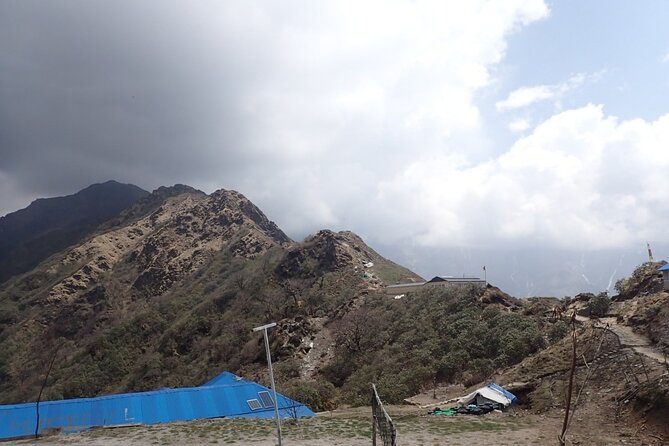
Mardi Himal is one of those Nepal treks that gives you a lot of payoff for a limited schedule. In a short window, you climb up into big views without the long, slow grind that some classic treks demand. If you’re drawn to the Himalaya but don’t have weeks to spare, this route is built for that reality.
What makes it especially appealing is the feel. The plan leans toward a more intimate, less crowded trail, so you spend more time noticing trees, ridgelines, and mountain light instead of weaving around crowds. Expect a trek that still feels wild, but with a comfortable structure in place.
Also, the viewing windows are designed to happen early. Getting to the base camp area at dawn and using Badal Danda for sunrise means you’re not stuck waiting around all day for the one great moment. You’re moving toward it.
You can also read our reviews of more tours and experiences in Pokhara.
Getting there from Pokhara: pickup and jeep timing
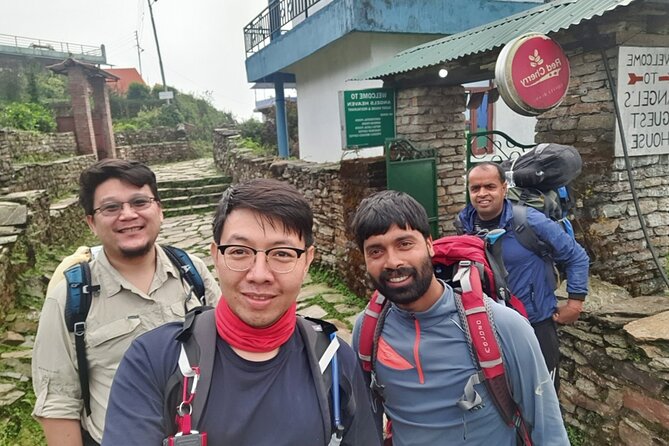
Most of the logistical heavy lifting is handled for you. The package includes hotel pickup and drop-off in Pokhara, plus transportation by sharing jeep to and from the starting point.
This matters more than people think. A lot of trekking frustration comes from last-mile delays and uncertain starts. Here, you get a planned handoff from city life to trail life, and that keeps Day 1 from turning into a long, stressful warmup.
If you’re trying to fit this around other Pokhara activities, keep your schedule flexible on the day you’re picked up. Jeeps run on local time and road conditions, and you’ll want a buffer so you’re not rushing breakfast or travel plans.
Day 1: Forest Camp and Rhododendron-country calm

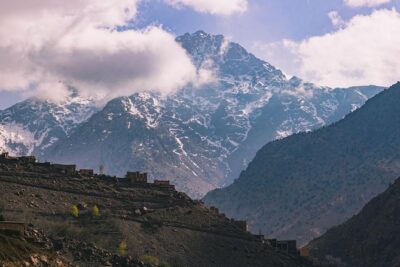
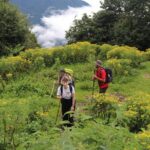
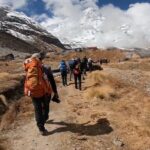
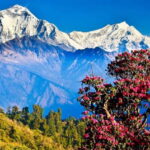
Day 1 is the gentle opener. You hike for about six hours, with a gradual incline that eases you into the rhythm of altitude and trail walking. The route passes terraced farmlands and a rhododendron forest, which is a nice way to start because the trail stays more mentally interesting than just switchbacks.
You’ll also come across Australian Camp, which is treated as an especially good viewpoint on this first stretch. Even if you don’t feel fully awake on Day 1, these early sights help you get your bearings and build motivation for what comes next.
The main drawback on Day 1 is also simple: it’s still uphill walking. If you’re the type who needs a day to fully adjust, you may find the “easy start” still asks you to stay focused the whole time.
Day 2: Dense evergreen forests on the way to Mardi Himal
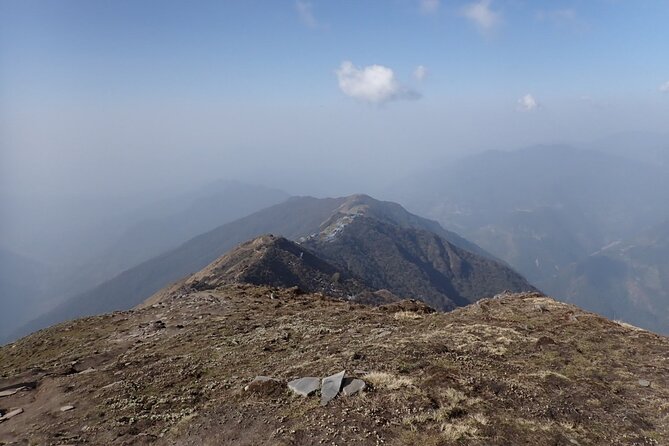
On Day 2, the trail leans more forest-heavy. You’re walking through dense evergreen growth, with abundant greenery and a jungle-like feel along parts of the path. The plant life is described as moderate, but what you’ll notice day to day is the shade and the steady trailwork.
This is a good day if you like consistent trekking without constant altitude drama. With about six hours on the trail, it’s a full day, but it’s also the kind of walking where you can settle into a pace and just keep moving.
The strategic value of Day 2 is that it gets you into position for the big morning on Day 3. Even if the views are less dramatic during midday, the forest sections are doing the job: they’re getting you higher safely and setting up your sunrise plans.
Day 3: Early sunrise at Base Camp and the Badal Danda panorama
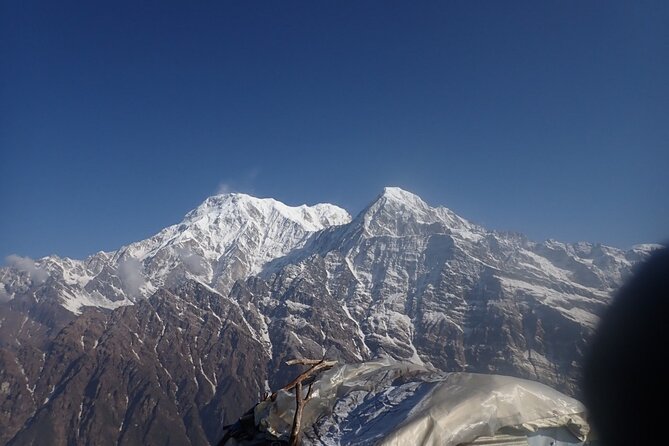
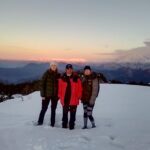
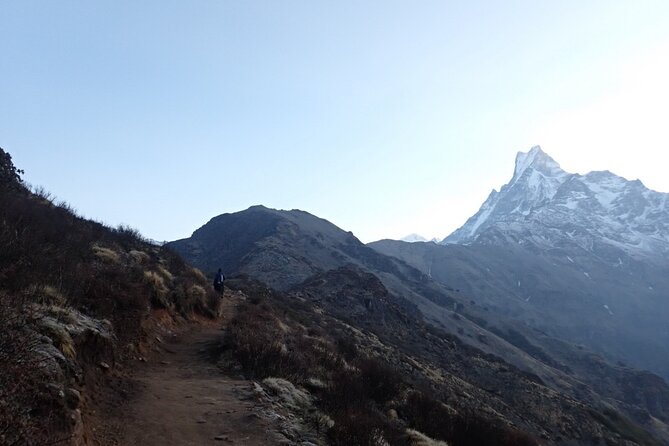
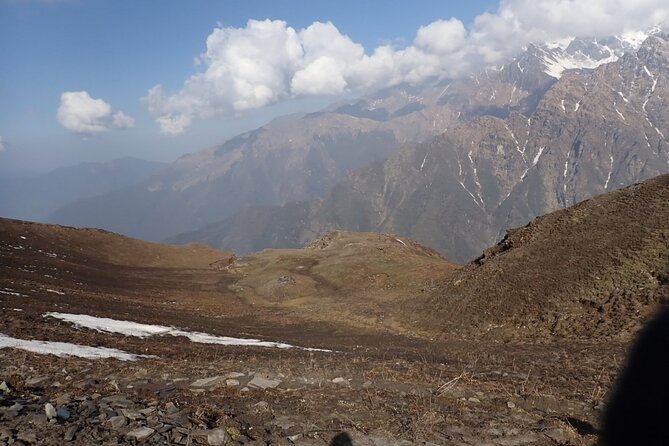
Day 3 is where the trek turns into a real Himalayan highlight. You start bright and early, aiming to reach Mardi Himal Base Camp to see sunrise. This matters because sunrise views are usually where conditions are most forgiving and the light is at its most dramatic.
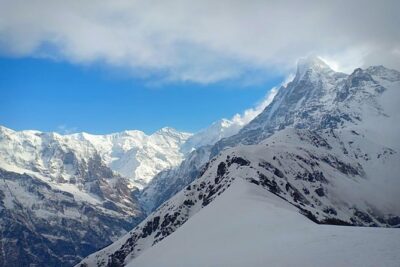
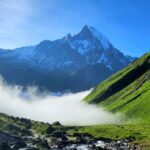
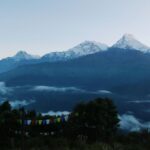
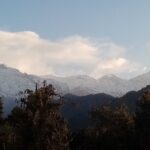
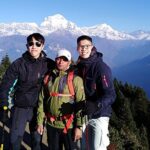
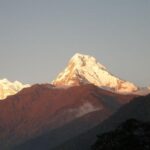
You’ll spend about five hours moving toward the base camp area. After that, the plan continues to Badal Danda for more sunrise viewing. Badal Danda is known for a wide panorama, including Annapurna’s majestic peaks, and it’s often the kind of view that makes a short trek feel like a much longer journey.
If you want one practical mindset for Day 3, it’s this: don’t treat it like a long sightseeing day. It’s a timed push for dawn light, then a chance to soak in the view for a short window before you move again. Weariness at the end of the trek is normal, but the morning effort tends to be worth it.
One more note: if you’re prone to feeling cold at high altitudes, plan for early starts. The trip schedule is designed around dawn, so your body will feel the difference.
Day 4: Descent toward Sidhing, plus the Mt. Machhapuchhre feel
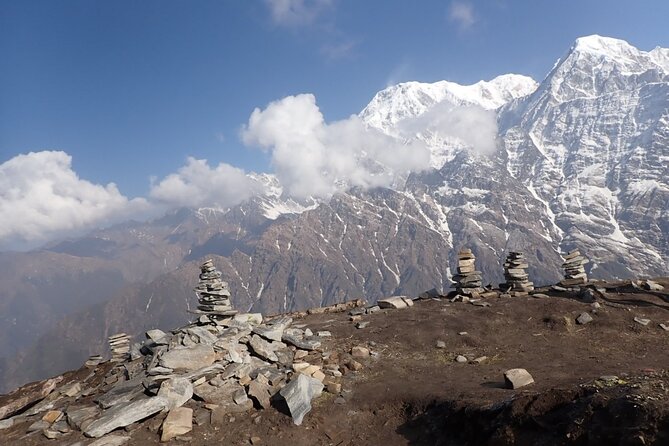
Day 4 starts with a split from the Badal Danda area. The route goes toward Sidhing, walking through thick forests at the base of Mt. Machhapuchhre. The walk is longer on paper, around seven hours, and it shifts from earlier “steady climb” energy into a steeper descent.
This day can feel more tiring than Day 2, even if the main altitude grind is done. Descents ask for careful footing, and your legs will remember every step on the way down. The good news is that forests provide a bit of visual and mental variety, so it doesn’t turn into an endless gravel grind.
The final stretch heads through a route described as moving toward a lakeside area, which gives you a sense of leaving the mountain back toward comfort. It’s the classic trek arc: up into the air, then back down toward warmth and real meals.
Teahouses, guest houses, and the local welcome
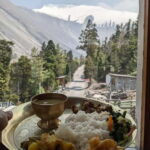
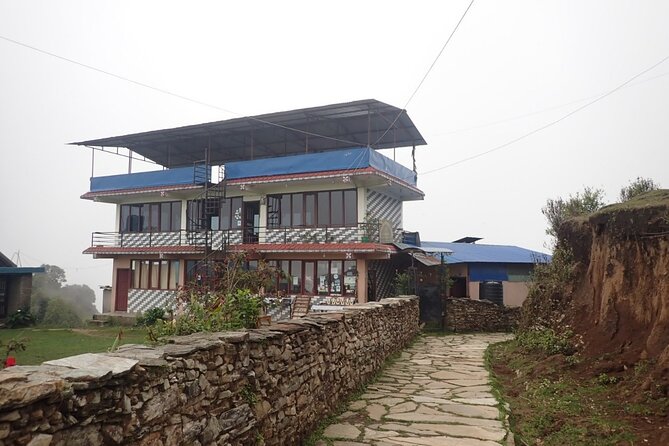
This trek includes accommodation in tea house / guest house settings. That’s part of the charm here: you’re not staying in a remote camp with zero community contact. Instead, you’re in places run by locals, and you get that hands-on Nepal feel—hospitality, local routines, and food you’ll actually look forward to after a long walking day.
The plan includes traditional Nepali meals as part of the overall experience. Tea house trekking is simple, but it’s also dependable. You’re not guessing about where you’ll sleep each night.
One consideration: tea house comfort varies by location and altitude. The package guarantees the accommodation type, but it doesn’t promise hotel-grade amenities. If you’re expecting a resort experience, this won’t match. If you’re okay with basic comfort in exchange for real trail life, you’ll be happier.
Guides and safety: English support that keeps the pace honest
One of the strongest parts of this experience is the guide support. The trek includes a professional English-speaking guide, and the package includes a first aid kit carried by the guide. That kind of built-in safety planning matters on high ground where conditions can change fast.
The guides highlighted in past experiences with this operator include Amrit and Biru, and the consistent theme is professionalism and attentiveness. A good guide doesn’t just point the way—they manage your pace, explain what you’re seeing, and help you keep moving without burning out.
You’ll also benefit from cultural context. The experience description emphasizes legends and deep knowledge of the landscape and culture, and the guide-led approach tends to make the trek feel more grounded. Even when you’re walking through forests most of the day, you’re not just passing time—you’re building understanding.
Permits, TIMS, and the passport info you must send
This is one of the most important “read this twice” parts. The trek includes Annapurna Conservation Area Permit and TIMS Card, but you’ll need to provide your passport details so those permits can be issued.
Specifically, you’ll need:
- A digital copy of your passport
- A passport-size photo
You should handle this early, because confirmation and permit processing can take time. If your passport photo is outdated or your file is unclear, it can cause delays. Send clean files and double-check that names match exactly.
Also, the experience notes that confirmation is received at booking. If you know your dates are fixed, book soon enough to get the permit paperwork in on time.
Price and value: why $299 can make sense here
At $299 per person, this trek can feel like good value once you look at what’s included. You’re not just paying for walking routes. The price covers hotel pickup/drop-off, a sharing jeep ride, accommodation in tea house/guest house settings, and guided support.
You also get the permits (Annapurna Conservation Area Permit and TIMS Card) handled through the package, plus a first aid kit carried by the guide. For many trekkers, that’s the big hidden cost and headache—permits, logistics, and figuring out local compliance on short timelines.
Another value point is the format: the trek is described as a private trip, meaning it’s only your group participating. That generally makes pacing and communication easier than on large shared group setups, especially on sunrise-focused schedules.
The one reason the price might not feel “cheap” to you is that it’s designed for a fast climb with guided support and included permits. If you’re comparing to DIY trekking where you only pay for food and sleeping, you’ll see why packaged trekking costs more. But if your goal is simplicity and reliable coordination, the structure here is the point.
Who this trek suits best (and who should reconsider)
This trek fits you if:
- You want a short Himalayan adventure with high-impact views
- You prefer a less crowded trail feel
- You’re comfortable with several hours of walking per day
- You can manage moderate physical fitness and a steady ups-and-downs routine
- You like tea house trekking with local hospitality
You might reconsider if:
- You need an ultra-gentle walking schedule with minimal physical strain
- You’re not ready for early starts for sunrise
- You don’t want to deal with submitting passport details and photos ahead of time
Also think about altitude expectations. The experience description notes ascent to around 4,500 meters, so treat the trip as “short but serious.” Even if you’re fit, altitude still changes how you breathe and move.
Should you book Nomad Mountain Club for this Mardi Himal trek?
If you’re looking for a fast, structured trek with fewer crowds, this can be a smart pick. The package includes key parts that trip you up when you plan alone: pickup/drop-off, jeep transport, tea house accommodation, English guide support, permits, and a first aid kit.
I’d book if you value the combination of sunrise viewing, forest walking, and a guide who explains what you’re seeing. The repeated praise for guides like Amrit and Biru also signals that you’re not just getting a person to lead you—you’re getting someone focused on pacing and safety.
I’d think twice if you want luxury comfort or you’re hoping this is a casual stroll. It’s four days, but it still asks for real trail effort and a willingness to get moving early.
FAQ
FAQ
How long is the 4 Days Mardi Himal Base Camp trek?
The trek is designed for about 4 days.
Is hotel pickup and drop-off included?
Yes, hotel pickup and drop-off in Pokhara are included.
How do you get to the starting point?
Transportation is included by sharing jeep to and from the starting point.
What kind of guide is included?
You get a professional English-speaking guide.
Do you stay in tea houses or guest houses?
Yes. Accommodation during the trek is provided in tea house / guest house settings.
Are permits included in the price?
Yes. The Annapurna Conservation Area Permit and TIMS Card are included.
What passport information do I need to send?
You need to send a digital copy of your passport and a passport-size photo to issue trekking permits prior to your travel date.
Is the tour private or shared?
It’s listed as a private trip, meaning only your group participates.
What fitness level is recommended?
You should have moderate physical fitness, and you should be ready for walking ups and downs on mountain trekking trails.
What is the cancellation policy?
Free cancellation is available. You can cancel up to 24 hours in advance for a full refund, and cancellations less than 24 hours before the start time are not refunded.