REVIEW · MARRAKESH
Marrakech: 3-Day High Atlas Mountains and Three Valleys Trek
Book on GetYourGuide →Operated by Atlas Mountains Day Trips from Marrakech · Bookable on GetYourGuide
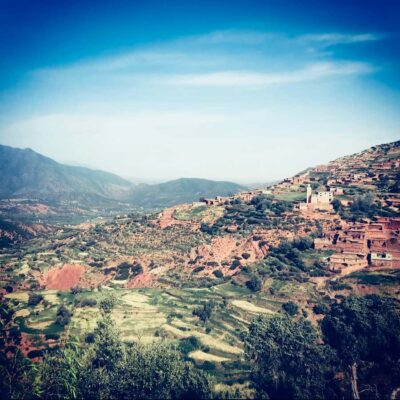
One good hike out of Marrakech, and you’re in the clouds. This 3-day trek through the High Atlas takes you over key passes, past valley waterfalls, and into Berber village life. I especially like the mix of big mountain views with real everyday moments—chatting with guides like Abdul and learning how they read the terrain.
The meals are another standout. You’ll get full support with a guide plus a muleteer/chef team, and you’re not left to “snack your way” through the day. One thing to plan for: the overnight guesthouses can feel rustic, and you’ll want comfort basics like a liner for cold or sheet-light beds.
In This Review
- Key points
- High Atlas Three-Valley Trek: why this works from Marrakech
- Day 1: Imlil → Tizi n’Tamaterte → Tachdirt/Tinghourine
- Day 2: Tachddirt → Aguersiwal Pass → Oudit Pass → Ait Aissa
- Day 3: Ait Aissa → Tizi Mazik (2500m) → Imlil → Marrakech
- The pace, the mules, and the food (where the real value lives)
- Getting your kit right: shoes, warmth, and the little things that save the trip
- Price and logistics: why $227 can make sense (if you match the style)
- Who this trek is best for (and who should skip it)
- Final call: should you book this High Atlas three-valley trek?
- FAQ
- How long is the Marrakech High Atlas trek?
- How much walking is there each day?
- What kind of accommodation do you get for the 2 nights?
- Are meals included?
- Is bottled water included?
- What languages are the guides?
- Is this trek suitable for everyone?
Key points
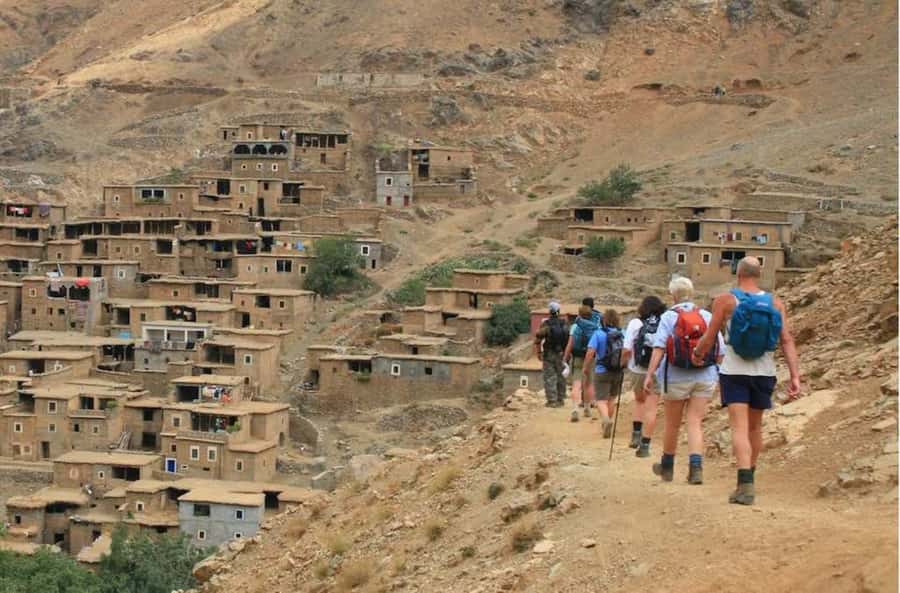
- Small group (up to 10) means you can move at a human pace and ask questions without getting lost in the crowd.
- Pass crossings at around 2300m, 2100m, 2200m, and up to 2500m make the views earn their keep.
- Toubkal National Park waterfalls on Day 3 add a dramatic nature payoff before the final descent.
- Mules carry luggage, so you’re hiking, not hauling your whole life uphill.
- Food is consistent and plentiful, with guides and chefs who adapt to requests like allergies and even vegan needs.
- Sleep comfort varies, so packing a sleep liner (and warm layers) matters more than you’d think.
High Atlas Three-Valley Trek: why this works from Marrakech
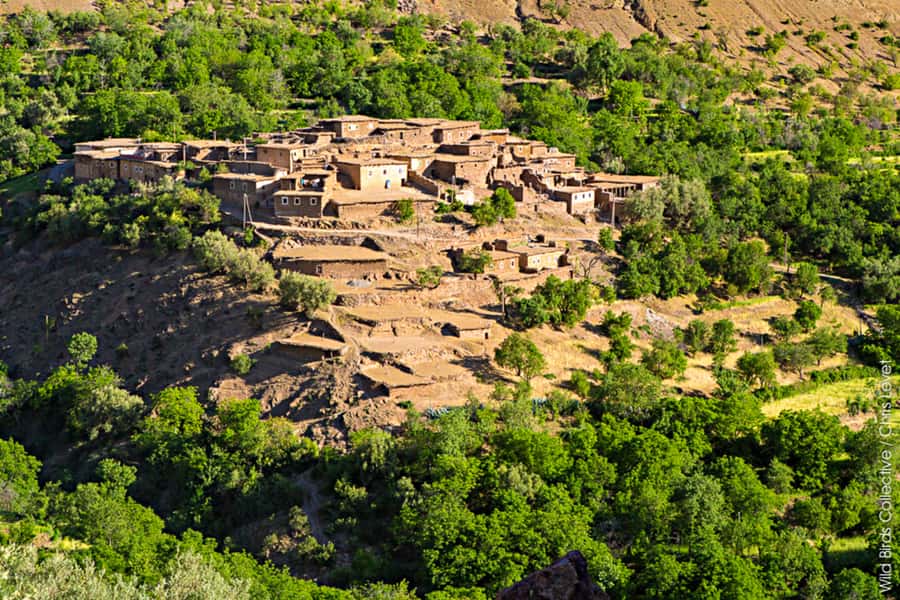
This is a smart “step into the mountains” trek. You start close enough to Marrakech to make logistics easy, then spend three days hiking through different valleys and villages instead of doing a single long point-to-point slog.
What makes the route feel worthwhile is the rhythm: a moderate walking day, then a village night, then another pass. With hike days typically around 5–6 hours (and a longer Day 3), you’ll see a lot without feeling like your entire vacation is just moving your legs.
And because you’re limited to a small group, the guide can adjust. That matters on rocky stretches and steep downs where a steady pace beats heroics.
Day 1: Imlil → Tizi n’Tamaterte → Tachdirt/Tinghourine
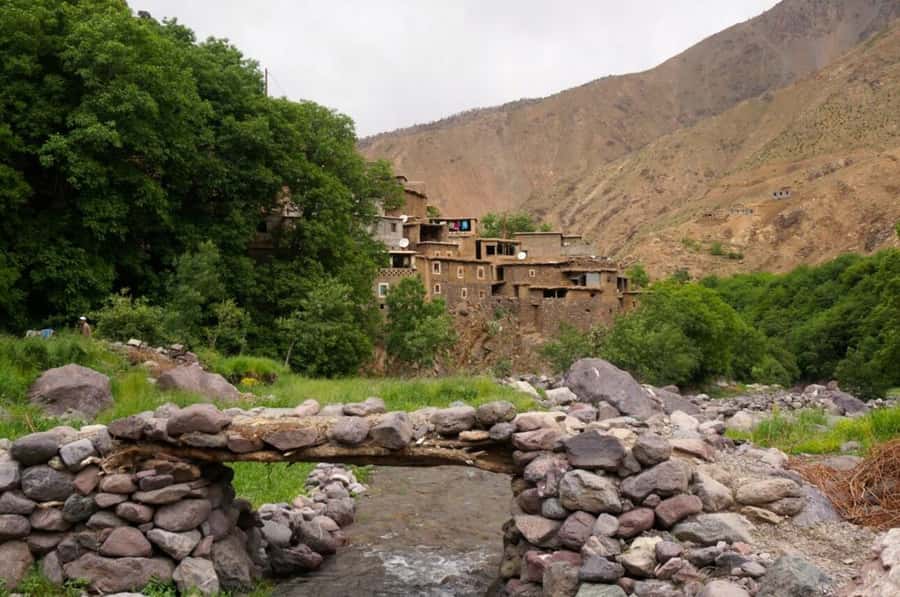
Day 1 begins in Imlil Valley (1740m). From there, you climb toward Tizi n’Tamaterte (2300m), with the kind of pass views that make you stop even if you normally don’t.
The hike length is roughly 5–6 hours, so it’s a good warm-up: enough climbing to feel you’re earning the views, not so much that you’re crushed before your first night. Lunch is served at the pass, which is a nice touch—you get scenery with your meal instead of eating with your hands in your pockets.
After lunch, you keep going to Tachdirt or Tinghourine for the night. Expect a guesthouse stay—charming, but practical rather than polished. Reviews often mention blankets are provided, but sheets may be missing, and beds can be more “rugged mountain simple” than hotel-comfy.
My advice for Day 1 comfort: plan to arrive ready to rest. Nights can feel cool at altitude, and a warm layer pays back fast.
Day 2: Tachddirt → Aguersiwal Pass → Oudit Pass → Ait Aissa
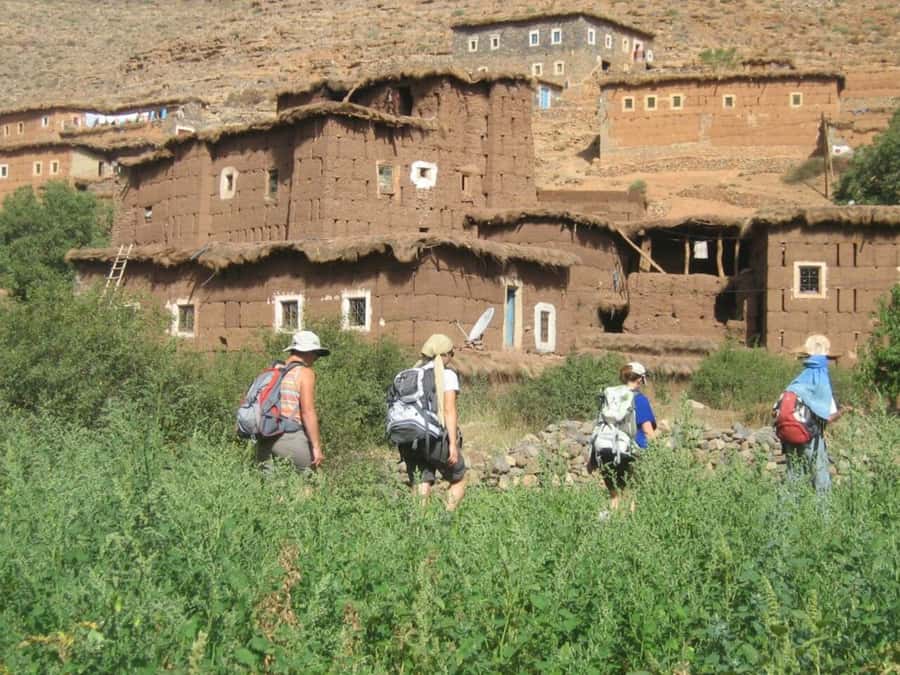
Day 2 continues the valley story. You hike from Tachdirt through Aguersiwal Pass (2100m) and onward via Oudit Pass (2200m), with another 5–6 hours on the trail.
This is one of the better days for “walking through real places,” not just looking at them. You pass small villages and see how the routes connect day-to-day life. Guides like Abdul and Mustafa are often praised for pacing and for sharing Berber (Amazigh) cultural context, so it can feel more like a guided journey than a photo safari.
Your overnight stop is Ait Aissa, where you’ll sleep in a gite/guesthouse. The itinerary notes a steam shower option, and many people find that a welcome reset after steep or rocky sections.
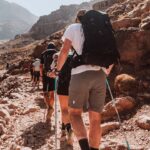
What to watch for on Day 2: the walking surfaces can be rocky and the route can get steep in spots. Good footwear matters here more than your ambition level. If you’re thinking about trainers versus boots: choose trail shoes or hiking boots with grip, especially for downhill.
Day 3: Ait Aissa → Tizi Mazik (2500m) → Imlil → Marrakech
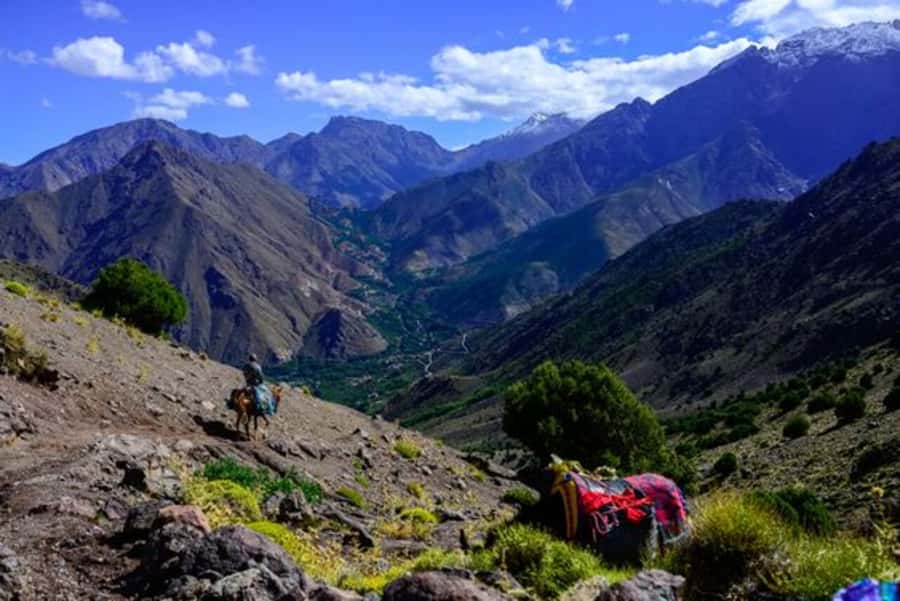
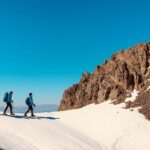
Day 3 is the payoff day. You’ll start with a waterfall stop in Toubkal National Park, then head toward Tizi Mazik (2500m) for the high panoramic views.
This day is about 6 hours overall, but it doesn’t feel like one long grind. The waterfall break helps reset your legs and gives you a different kind of mountain moment—power, mist, and a change of pace from pass hiking.
From the pass area, you follow the trail for wide views over the Ait Mizan valley. Then you’ll eat lunch (in the mountains, not in a parking lot), and begin the descent toward Imlil.
Finally, you get a transfer back to Marrakech. After three days in mountain air, it’s a nice landing: you don’t have to figure out transport from the middle of nowhere.
The pace, the mules, and the food (where the real value lives)
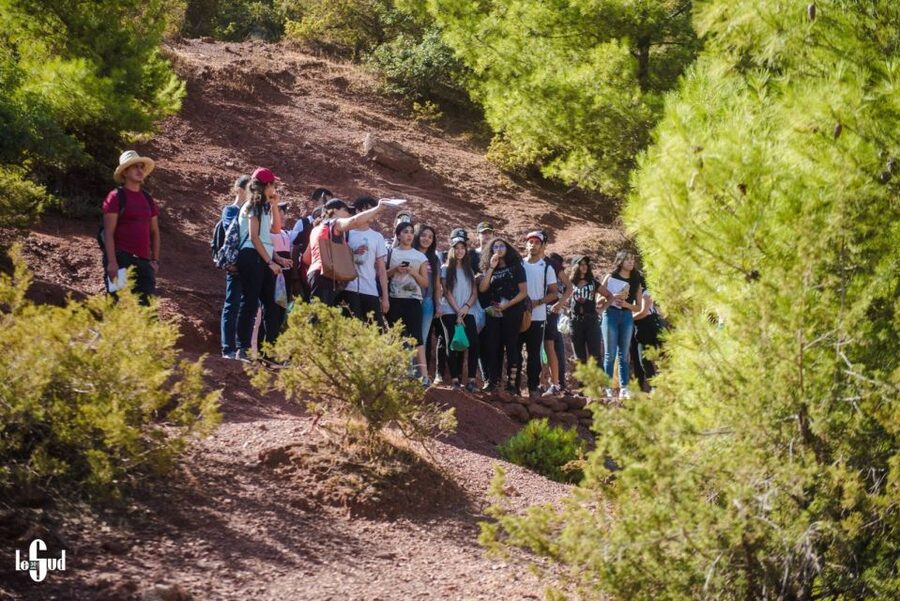
For me, the biggest reason this trek is good value is how it’s structured to keep you hiking comfortably. You get:
- a local guide
- a muleteer and mules to carry luggage
- all meals during the trek (3 lunches, 2 dinners, 3 breakfasts)
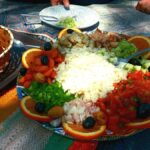
That last part is huge. Many day trips tempt you to buy snacks on the fly. Here, you’re fed. Reviews consistently describe meals as abundant and often the best part of the day—tagines, salads, and plenty of tea stops.
Guides and chefs you might cross paths with include Abdul, Mustafa, Kamel, and cooks like Ibrahim (and others referenced in different groups). People mention the cooking team as a core part of the experience, including handling allergies with fresh ingredients and adjusting requests like vegan diets.
Pacing-wise, guides are praised for matching your ability. One theme pops up repeatedly: enough time to stop for photos and breaks, but still a steady rhythm that keeps you moving before night settles in.
A small reality check: guesthouses aren’t “turn down service.” You’re in the High Atlas. Comfort can be good, but it’s simple comfort—think blankets, showers when available, and the kind of quiet that makes you hear your own breathing on the climb.
Getting your kit right: shoes, warmth, and the little things that save the trip
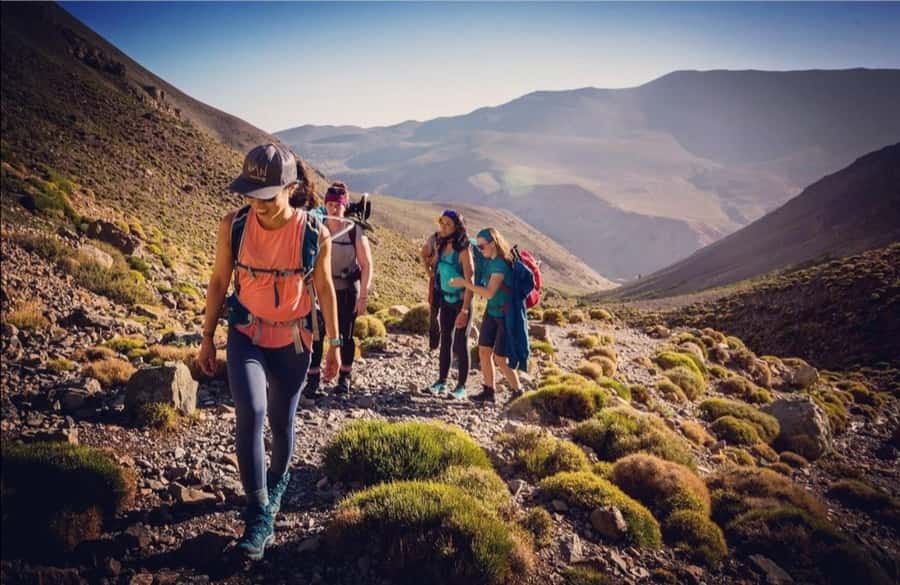
This trek is outdoors, and the trail includes rocky and steep sections. So plan around traction and footing, not fashion.
What to bring (from the trip guidance) includes:
- passport or ID
- comfortable shoes
- towel
- sunscreen
- hat
- sunglasses
Then add the upgrades that show up in reviews:
- a sleeping bag liner (especially if sheets aren’t on the beds)
- a warm layer for evenings (it can get chilly, even in months that feel mild in Marrakech)
- a plan for basic toiletries (reviews mention toilet paper isn’t always provided)
- baby wipes can be handy in colder periods where showers are less convenient
Water and snacks: mineral water isn’t included, but you’ll likely have chances to buy bottled water and drink tea along the route. If you like carrying your own system, a water filter might be something you pack—but don’t assume you’ll be grinding water all day. It’s more about having what you need than needing every gadget.
Price and logistics: why $227 can make sense (if you match the style)
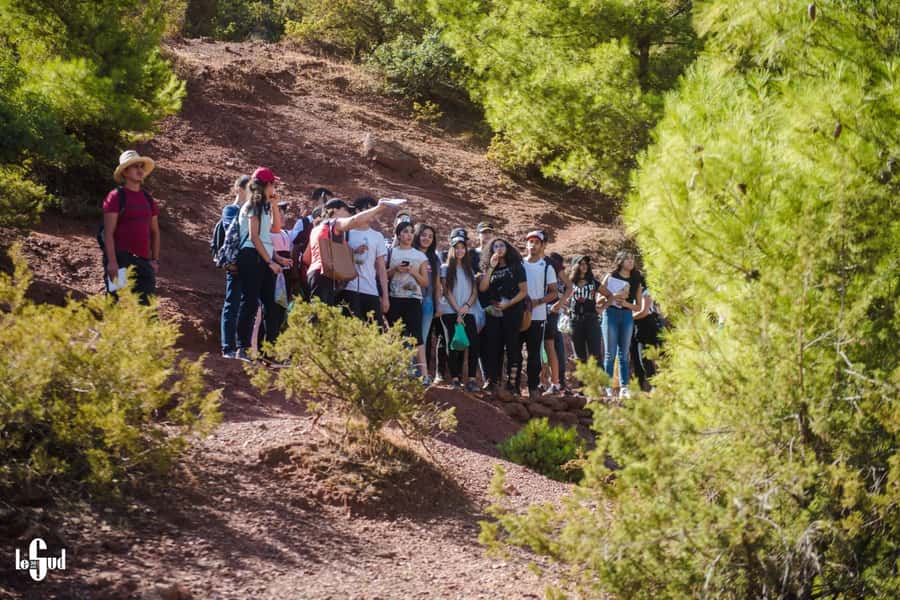
At $227 per person for 3 days, this trek is priced like an “all-in mountain support” experience. You’re paying for more than the trail:
- pickup/drop-off in Marrakech
- air-conditioned transport to/from the start area
- a local guide
- mule support for luggage
- two nights in guesthouses
- all meals during the trek
If you tried to do this solo—transport, guide help for route navigation, packing mule support, and meals—you’d spend time and effort just coordinating basics. Paying for the full package can be worth it if your goal is to walk, eat well, and focus on the mountains instead of paperwork and planning.
But the price won’t feel like a bargain if you hate rustic stays or if you want hotel-level comfort every night. Think “mountain simple,” not “resort tidy.”
Also: the group cap of 10 participants helps here. You’re not paying to be one face among dozens.
Who this trek is best for (and who should skip it)
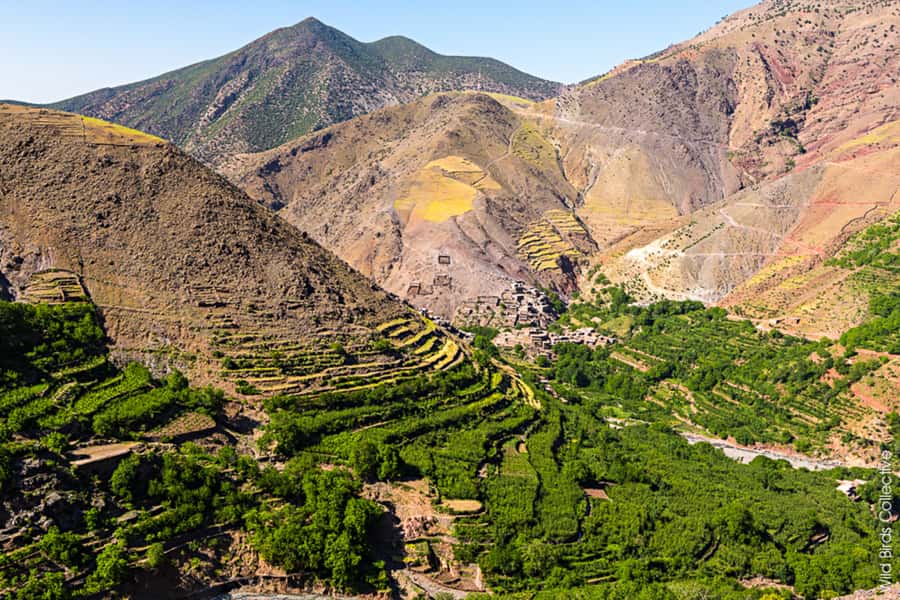
This experience is a good fit if you:
- want moderate hiking with big views over passes
- enjoy village travel and cultural context from guides
- like your days structured: hike, lunch, village dinner, sleep, repeat
It’s also a good match if you appreciate the support team. Having mules means you can hike lighter and still feel human by dinner.
Not recommended if you have:
- heart problems
- pregnancy
- wheelchair use
If you have mobility concerns, the steep downhill and rocky paths are the main concern, not the distance on paper.
Final call: should you book this High Atlas three-valley trek?
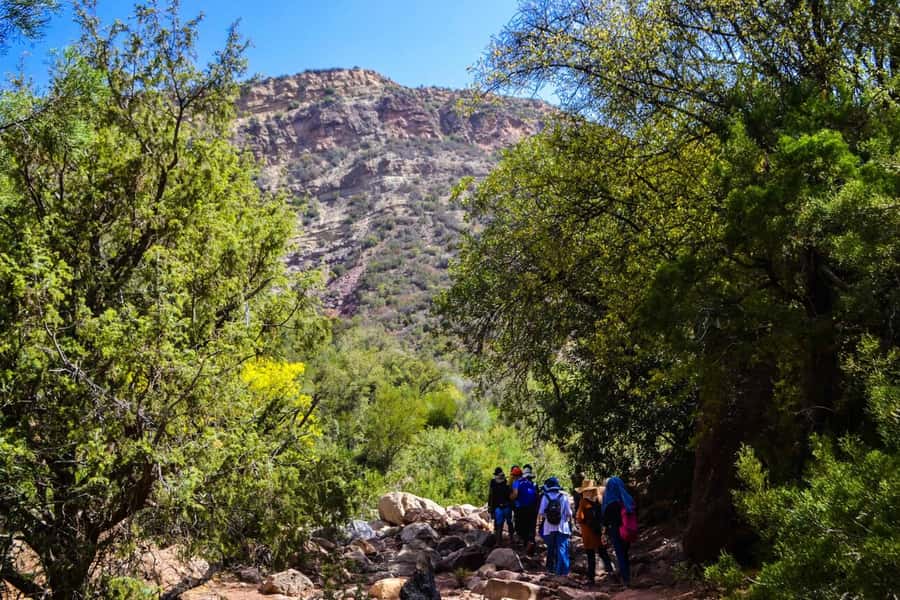
I’d book this if you want a real mountain break from Marrakech with clear value: guide + mule help + meals + two village nights, all within 3 days. The waterfall-and-pass combo on Day 3 is exactly the kind of moment that makes a trip feel memorable, not just scenic.
I wouldn’t book it if you need perfectly smooth paths, hotel bedding, or consistent warm showers. You’ll be happier if you pack smart for cold nights and accept simple guesthouse comfort as part of the deal.
If you want flexibility, the operator offers options like free cancellation up to 24 hours and reserve now, pay later, which makes it easier to align the trek with your broader Morocco timing.
FAQ
How long is the Marrakech High Atlas trek?
It runs for 3 days.
How much walking is there each day?
Day 1 and Day 2 are about 5–6 hours of walking each. Day 3 is about 6 hours.
What kind of accommodation do you get for the 2 nights?
You’ll stay for 2 nights in guesthouses/gites along the trek route (rustic mountain stays, typically with blankets provided).
Are meals included?
Yes. The trek includes all meals during the trek: 3 lunches, 2 dinners, and 3 breakfasts.
Is bottled water included?
Mineral water is not included. You can find opportunities to get tea and bottled water along the route.
What languages are the guides?
The tour guide is available in English and French.
Is this trek suitable for everyone?
It’s not suitable for pregnant women, wheelchair users, or people with heart problems.