REVIEW · MU CANG CHAI
Half Day Private Trekking Mu Cang Chai_Morning or Afternoon
Book on Viator →Operated by Indigenous Adventure · Bookable on Viator
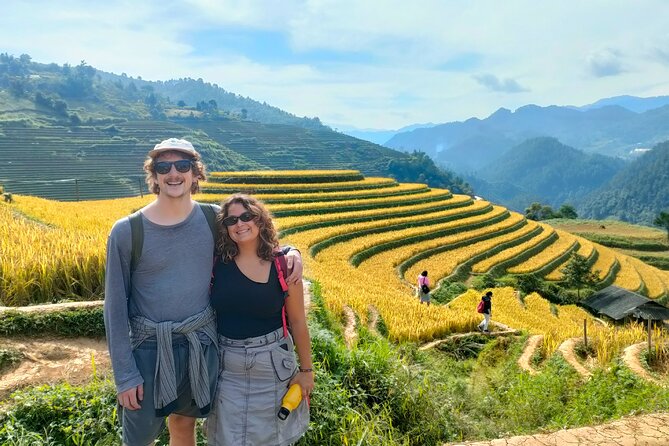
Rice terraces slow everything down. This half-day private trekking experience in Mu Cang Chai keeps things intimate with a small group cap of six and an English-speaking Hmong guide (like Yien, who helps connect visitors to the places he grew up around).
I like that you’re not just walking for photos. You’ll move through traditional Hmong villages and rice-field life, then sit down to a homestay lunch that’s part of the day, not an add-on. The route choice also matters: you can go via Đồi Mâm Xôi (Raspberry Hill) or through the La Pán Tẩn viewpoint area, depending on what you want to see.
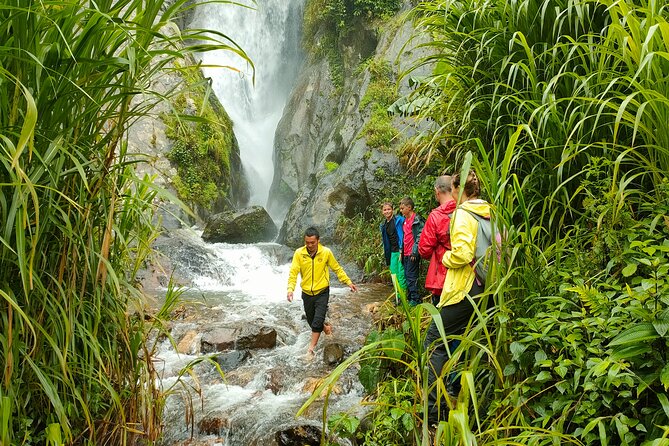
One consideration: it’s a 4 to 5 hour trek with a moderate fitness level, and the experience depends on weather. Heavy rain can happen in the area, so plan for wet, slippery footing and a schedule that may be adjusted if conditions are too poor.
In This Review
- Quick hits
- Arriving at Mu Cang Chai: where your day really starts
- The real value: a private trek with an English-speaking Hmong guide
- Two trek choices: Đồi Mâm Xôi (Raspberry Hill) or the La Pán Tẩn route
- Route option 1: Đồi Mâm Xôi (Raspberry Hill) viewpoint
- Route option 2: the rice-field and La Pán Tẩn viewpoint area
- Which one should you choose?
- Mu Cang Chai on foot: villages, fields, and small moments you can’t screenshot
- Stop pacing: how the day stays within 4 to 5 hours
- Lunch at an indigenous homestay: included, but also part of the point
- Transfers in La Pán Tẩn: why pickup matters on a short tour
- Price and value: is $60 per person fair here?
- Weather reality: plan for rain, and don’t hate the forecast
- Who this half-day private Mu Cang Chai trek suits best
- Should you book it?
- FAQ
- Is this tour private?
- How long does the Mu Cang Chai private trekking tour take?
- What routes can I choose from?
- What’s included in the price?
- Are beverages included with lunch?
- What happens if weather is bad?
Quick hits
- Group size capped at six for real interaction with your guide
- Hmong guide in English with local culture context
- Two route options: Đồi Mâm Xôi (Raspberry Hill) or the rice-field/viewpoint route through La Pán Tẩn
- Homestay lunch included, plus bottled water and entry tickets
- Two-way transfers handled from La Pán Tẩn area homestays and hotels
- Private tour means it’s just your group
Arriving at Mu Cang Chai: where your day really starts
Your day begins back at the Mu Cang Chai Center homestay & Tours hub in La Pán Tẩn (Mù Cang Chải District, Yên Bái). In practice, that’s where you and your guide link up before the walking starts, and where you’ll end again after the trek.
What I like here is that the “get there” part isn’t a big puzzle. The tour includes hassle-free two-way transfers from La Pán Tẩn area homestays and hotels. That means you spend your limited half-day actually moving through the terraces and villages, not negotiating rides on the fly.
You’ll also receive a mobile ticket, which is handy if you’re traveling light and want to keep paperwork simple.
You can also read our reviews of more tours and experiences in Mu Cang Chai.
The real value: a private trek with an English-speaking Hmong guide
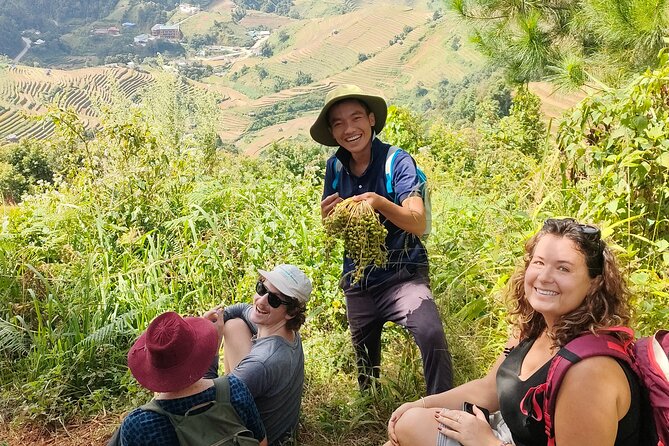
This is a private trekking tour, capped at six people total. That small number changes the whole feel. You can ask questions, pause when you want photos, and hear explanations without everyone having to wait in silence.
Your guide is Hmong and speaks English. That matters because you’re not just getting directions to viewpoints. You’re getting the human layer behind the scenery: customs, everyday work, and how life adapts to the remote mountain setting.
One guest’s experience highlighted how a guide like Yien can keep the day going even when weather turns wet and heavy. That kind of steadiness is worth something, especially in a place where conditions can shift quickly.
Two trek choices: Đồi Mâm Xôi (Raspberry Hill) or the La Pán Tẩn route
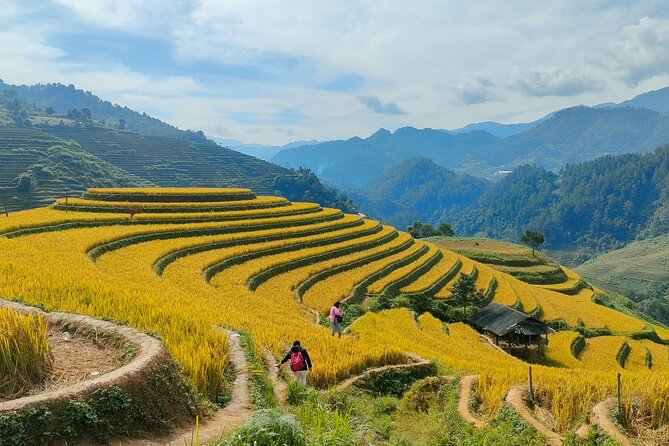
You get to choose between two route styles, and it’s worth thinking about what kind of morning or afternoon you want.
Route option 1: Đồi Mâm Xôi (Raspberry Hill) viewpoint
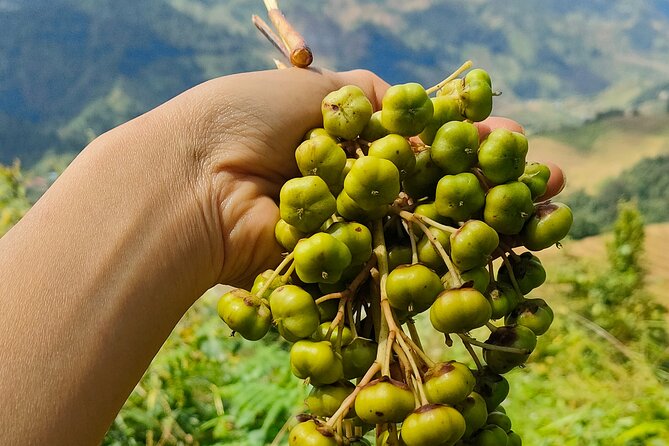
If you pick the Raspberry Hill-style route, your guide will aim for a famous viewpoint area called Đồi Mâm Xôi. Viewpoint routes tend to feel more “signature” because you’re working toward a clear visual goal, and you’ll likely spend more time adjusting your stops for photo angles.
A practical upside: you can feel the progress of the walk because the viewpoint acts like a magnet pulling the day forward. If you like structured sightseeing, this option usually fits well.
Route option 2: the rice-field and La Pán Tẩn viewpoint area
The second route also includes a viewpoint stop, tied to the La Pán Tẩn area. This option tends to feel more like a journey through rice-field life, with villages and fieldwork woven into the walk.
I like this style for a different reason. You spend less time chasing one big photo point and more time seeing how people actually move through the terraces as part of normal life.
Which one should you choose?
If you want a classic “big view” payoff, choose the Raspberry Hill direction. If you prefer a more hands-on feel—villages, fields, and daily rhythms—choose the La Pán Tẩn route. If you’re unsure, ask your guide at pickup which route is better for the day’s conditions, since weather can affect what’s comfortable to walk.
Mu Cang Chai on foot: villages, fields, and small moments you can’t screenshot
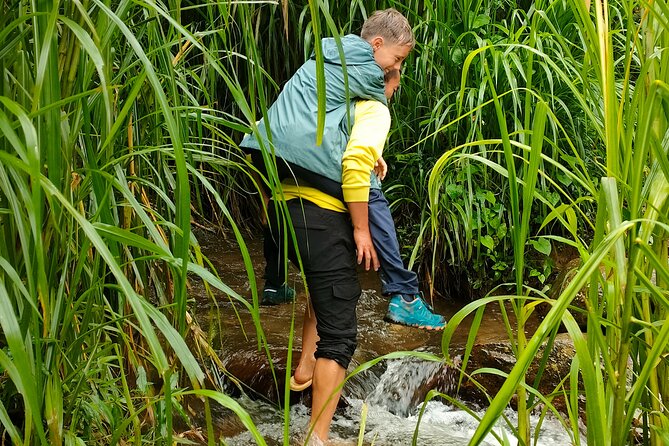
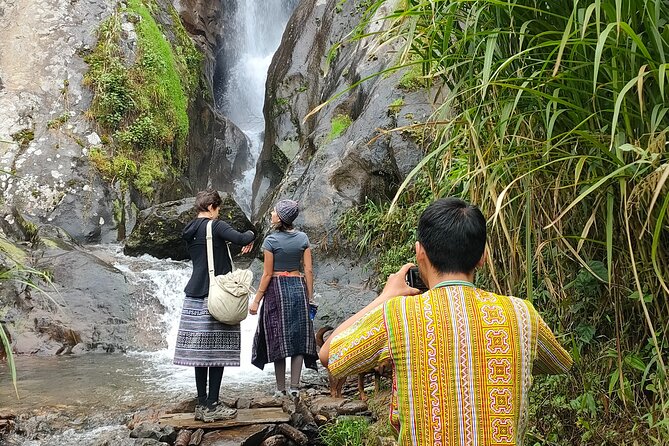
The core of the trek is simple: you’ll walk through Mu Cang Chai’s rice terrace valleys and traditional Hmong villages. But the way it’s described tells you what to look for.
You’re not limited to scenic overlooks. Along the route, you may see people working in rice fields, at home sewing clothes, tending buffalo, and living with the realities of mountain farming. Your guide can explain what you’re seeing as you pass it, and that turns “random sights” into a story you understand.
Here’s the practical part: in a half-day, you won’t cover everything. The tour’s value is that you get a curated slice of local life instead of just a string of distant views. That’s why the group cap matters again—you’ll have time to ask, and the guide can point out details without rushing.
And since your guide is Hmong, you should expect explanations to include everyday customs and food context, not just geography trivia.
Stop pacing: how the day stays within 4 to 5 hours
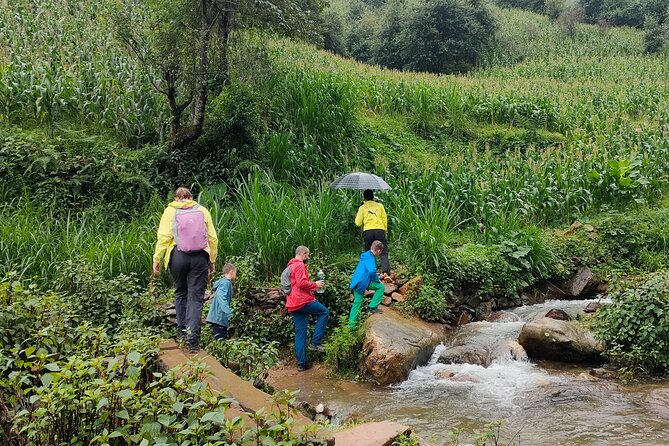
The trek runs about 4 to 5 hours total. That timeframe is short enough to be doable for a day trip, but long enough that you’ll feel like you went somewhere, not just “walked to a viewpoint and back.”
Your guide will manage timing around the viewpoint stop and the lunch break. Since lunch is included and tied to the homestay experience, the day has a built-in rhythm.
Because the tour is listed with a moderate fitness level, you should plan for uneven, sloped walking. Even without technical climbs, these terrace regions can feel tough if you’re not used to moving on changing elevations. You don’t need a gym background, but you do need comfortable legs.
Lunch at an indigenous homestay: included, but also part of the point
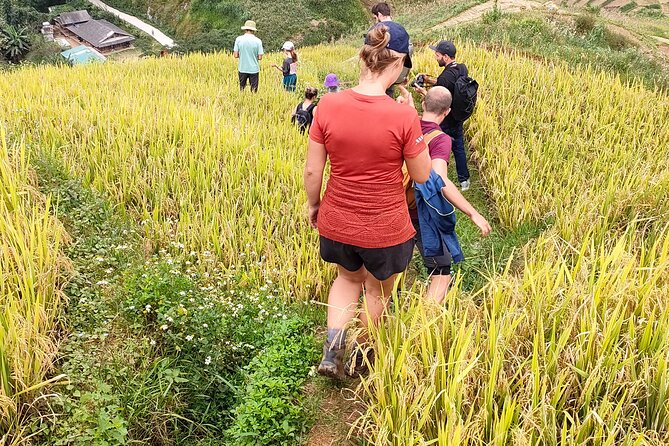
Lunch is included, and it’s eaten at an indigenous homestay. This is more than a meal stop. It’s where the tour’s “culture connection” becomes practical.
You can expect bottled water to be included as well. Beverages are not included, so if you drink more than water, bring that expectation. (The good news: you don’t have to scramble mid-trek to find lunch or entry tickets.)
The homestay lunch also gives you a chance to slow down. In a place built around farming and terraces, the middle of the day can feel like the calm reset. Even if your trek is moving at a steady pace, lunch helps you breathe, regroup, and chat with context in a way that an outdoor viewpoint can’t.
One more detail that’s easy to miss: entry tickets are included. That reduces friction, especially when you’re on a tight schedule and want to spend energy on walking and learning, not asking who pays for what.
Transfers in La Pán Tẩn: why pickup matters on a short tour
On a half-day tour, transportation isn’t a minor issue. It can steal time you don’t have.
This one covers round-trip transfers from La Pán Tẩn area homestays and hotels. That means you’re not negotiating shared rides, and you don’t have to build extra buffer time for meeting points.
The meeting point is also clearly set at Mu Cang Chai Center homestay & Tours back in the La Pán Tẩn area. That clarity reduces stress. When you’re trying to squeeze a trek into a morning or afternoon, reduced logistics is part of the value.
Price and value: is $60 per person fair here?
At $60 per person for a private half-day (about 4 to 5 hours), the value comes from what you actually get for your money:
- A private experience with just your group
- A small group cap of six, which keeps the guide attentive
- An English-speaking Hmong guide who shares culture and daily-life context
- Lunch at an indigenous homestay (and it’s included, not extra)
- Bottled water and entry tickets included
- Two-way transfers from the La Pán Tẩn area
If you compare this to “cheap” trekking options where you might get a rushed guide or a meal that’s not really part of the visit, the price starts to make more sense. Here, your payment is buying time, guidance, and a structured cultural component.
Also, because it’s timed for half-day, you’re paying for efficiency. You’re not spending a whole day commuting just to get a short walk and a quick lunch.
Weather reality: plan for rain, and don’t hate the forecast
The experience notes that it requires good weather. If it’s canceled due to poor conditions, you’ll be offered a different date or a full refund.
That doesn’t mean you should panic if the forecast looks wet. In fact, one guest’s account described trekking through quite heavy rain with Yien as the guide. So it can be workable even when conditions are challenging.
The practical takeaway: pack for wet conditions. Bring a rain layer and wear footwear that grips. In terraced areas, water makes footing more slippery, and that matters for comfort during a moderate trek.
Who this half-day private Mu Cang Chai trek suits best
This is a good match if you want:
- A short, focused day in Mu Cang Chai with a real guide relationship
- Culture context, not just viewpoints
- A private format but still small-group sized for better interaction
- A lunch stop that is part of the local experience
It may not be ideal if you have very limited mobility, since it’s described for moderate fitness and involves walking on uneven terrain.
Should you book it?
I’d book this if you want Mu Cang Chai in a way that feels grounded: Hmong village life, rice-field work, and a homestay lunch, all wrapped into a half-day schedule with transfers handled.
I’d think twice if your schedule is super tight and weather risk would ruin your plans, because the tour depends on conditions. But if you can be flexible and you’re open to wet trekking, this tour’s structure and guide quality look like the kind of value you remember after the views fade.
If you want one practical next step: choose the route based on how you like to travel—Raspberry Hill for a classic viewpoint goal, or the La Pán Tẩn route for a fuller slice of village-and-fields walking.
FAQ
Is this tour private?
Yes. It’s a private tour/activity, and only your group participates.
How long does the Mu Cang Chai private trekking tour take?
Plan for about 4 to 5 hours total.
What routes can I choose from?
You can choose one route via Đồi Mâm Xôi (Raspberry Hill) or a second route via the rice-field area connected to the La Pán Tẩn viewpoint.
What’s included in the price?
Lunch, bottled water, entry tickets, and the trekking experience itself are included.
Are beverages included with lunch?
No. Beverages are not included.
What happens if weather is bad?
The experience requires good weather. If it’s canceled due to poor weather, you’ll be offered a different date or a full refund.