REVIEW · ALICANTE
Alicante: Via Ferrata del Ponoig Guided Trek and Climb
Book on GetYourGuide →Operated by Jose Francisco Carbonell Oltra · Bookable on GetYourGuide
A via ferrata here feels like climbing into the sky. Via Ferrata del Ponoig is a guided K4 route built for people who want a real rock-climb experience without guessing the safety steps. I especially like two things: the start-with-instruction approach (you learn the basics before you go high) and the payoff views, from the Valley of Guadalest to the Mediterranean coast.
One thing to weigh carefully: this is nearly vertical and physically demanding, and it’s not for anyone with vertigo, limited mobility, or kids under 18. If you can handle steep, aerial steps for hours, it’s a great match.
In This Review
- Key Things I’d Budget Your Energy For
- Entering Via Ferrata del Ponoig: Where the Climb Starts
- Getting Your Harness Right (and Why It Makes the Difference)
- The Pre-Climb Practice: Learning the Moves Before You Go Vertical
- K4 Climbing Reality: Metal Staples, Security Cable, and Your Rhythm
- The Views Over Guadalest and the Mediterranean You Actually Earn
- How the 5 Hours Work: A Calm Plan for a Physical Experience
- Shoes, Water, and the Little Things That Save Your Energy
- Safety and Suitability: Who Should Say Yes or No
- Price and Value: Is $65 Worth It for This 5-Hour Adventure?
- Should You Book Via Ferrata del Ponoig?
- FAQ
- What difficulty level is Via Ferrata del Ponoig?
- How long is the guided trek and climb?
- Where do I meet the guide?
- Is safety gear included?
- What should I bring besides the safety gear?
- Are shoes included in the price?
- Is food and drinks provided?
- Who can’t join this activity?
- Can I cancel for a refund?
Key Things I’d Budget Your Energy For
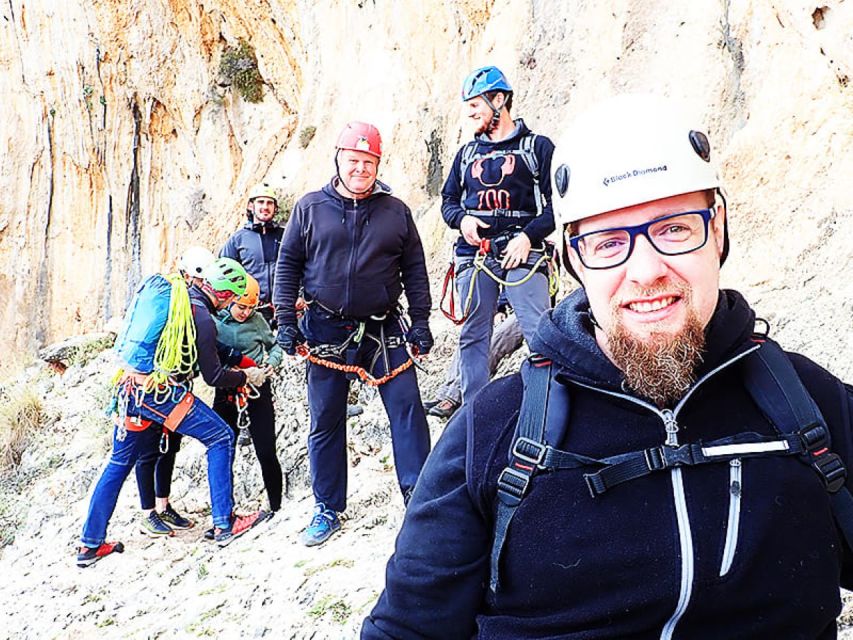
- K4 difficulty means steep, aerial climbing with metal staples and a security cable
- Gear is provided, so you can focus on technique instead of equipment shopping
- You practice first on a rock wall, which makes the real climb less intimidating
- Expect strong views over Guadalest, the Sierras de Aixortá and Bernia, and the Mediterranean
- Small groups (up to 10) keep you from getting lost in the shuffle
Entering Via Ferrata del Ponoig: Where the Climb Starts
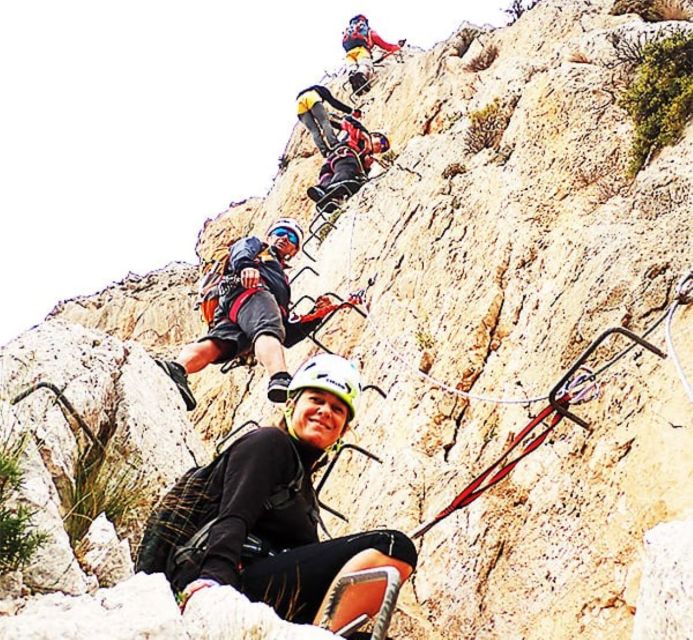
The day begins at Parking Vía Ferrata Ponoig, the spot where you look for your guide holding a visible sign. That meeting point matters because via ferrata days run on timing: you want your harness on, your helmet snapped, and your questions answered before the route starts climbing straight up.
Once you’re geared up, you’ll get a safety briefing as part of the first chunk of the experience. This is one of those tours where the early minutes set the tone: if your guide is calm and clear, the whole climb feels more controlled.
Also, you’ll be in good company size-wise. This activity caps at 10 participants, which typically means more attention during the practical instruction and fewer people crowding the route approach.
Getting Your Harness Right (and Why It Makes the Difference)
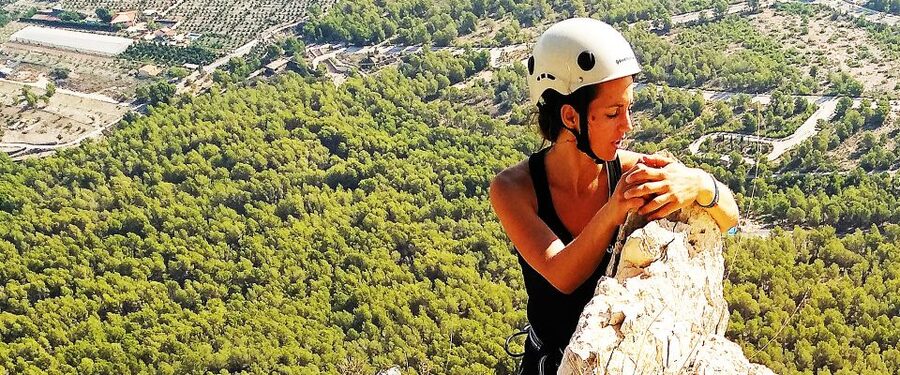
Safety gear is included: a harness, helmet, and Ferrata kit, plus your guide. That sounds standard, but the real value is what comes next: you’re not just handed equipment and pointed at the rock.
Before you start upward, the plan is to get everything properly fitted and then learn the basics of wall climbing with your guide. This is also where you learn how to move with the cable system so you don’t waste energy fighting the route.
Practical tip for your body: wear clothing that can handle friction and stretches your movement without snagging. And bring hiking shoes—your shoes are not included—because good footing makes everything easier when the route turns steep and exposed.
The Pre-Climb Practice: Learning the Moves Before You Go Vertical
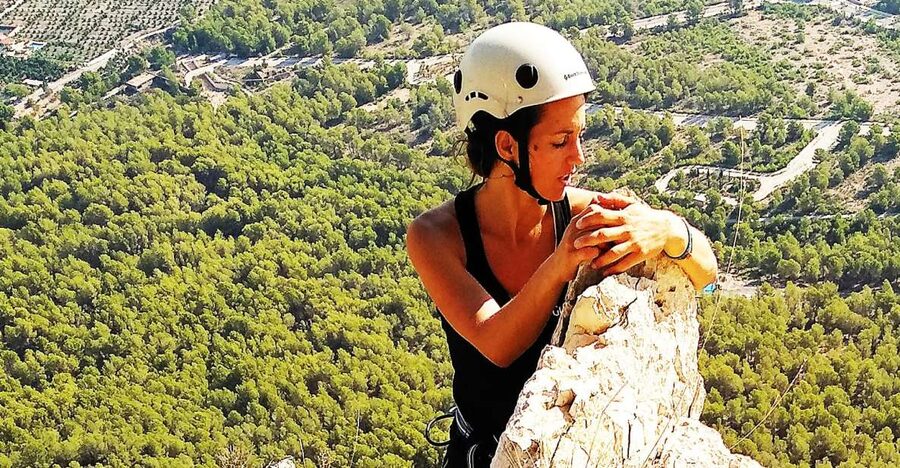
A big reason this via ferrata works well for first-timers is that it doesn’t throw you into the hardest part immediately. Your guide takes you through a short practice phase, including climbing on a rock wall with guidance before you begin the actual trek and climb.
Think of it like a warm-up with instructions built in. If you’re new to foot placement on metal-staple terrain, this helps you understand what your legs should do, how to keep weight stable, and how to stay mindful of the cable.
This is also where you’ll get pacing advice. The route is categorized K4, which is serious steep climbing—so you’ll want to avoid burning all your energy on the first awkward sections. A good guide makes you feel safe without making you slow.
Guides are also called out for being reassuring and clear—names you may hear in past groups include Osmar and Frank, both praised for patient, understandable instruction in English.
K4 Climbing Reality: Metal Staples, Security Cable, and Your Rhythm
Now for the main event: the climb is designed with a solid security cable and thick metal staples fixed into the rock. The route is steep and aerial, meaning you’ll be moving upward with real exposure around you.
In plain terms, you’re going to do a lot of careful leg work. The staples provide holds, but your technique still matters—where you place your feet and how you transfer weight. You’re not doing a casual hike here. It’s climbing straight up rock sections while staying connected to the cable system.
The other reality: you’ll probably feel your heart rate once you’re moving steadily. That’s normal. The route is built for a strong physical effort, so your best strategy is rhythm—short, deliberate moves rather than long lunges.
Also, because you’re in a guided setup, you’ll get help on what matters most in that moment. The cable and gear are there, but the guide’s eye is what keeps you from overthinking and freezing.
The Views Over Guadalest and the Mediterranean You Actually Earn
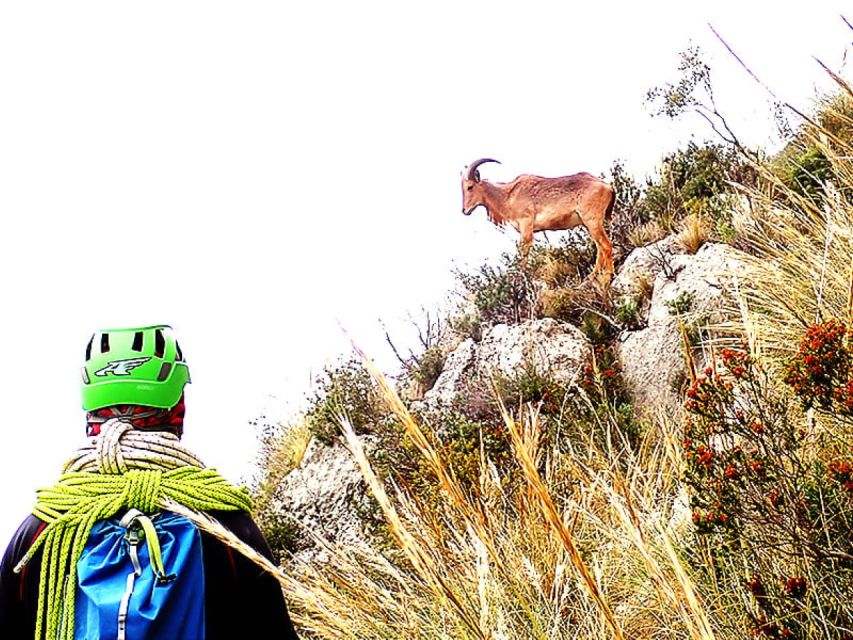
The route is famous for the view payoff, and it’s not just at the very top. As you climb, you’ll look out over:
- the Valley of Guadalest
- the Sierras de Aixortá and Bernia
- and the Mediterranean coast from above
What I like about this is how the scenery changes while you climb. You’re not watching one fixed photo spot for hours. Instead, the perspective widens as you gain height, and the cliffs start to frame the valley and coast like a giant window.
If you’re the type who worries about heights, this is where you need to be honest with yourself. The route is aerial and steep, so if vertigo is even a maybe for you, it’s better to sit this one out. The safety setup helps, but it doesn’t erase the mental challenge of being very high on a vertical climb.
When the view hits, it’s also a natural reset. You stop focusing only on the next step and start feeling the big geometry of the region—valley lines, mountain ridges, and sea horizon.
How the 5 Hours Work: A Calm Plan for a Physical Experience
The total duration is 5 hours, with about 4 hours on the activity during the main guided time. That time split matters because via ferrata days can feel either rushed or draggy—this one is structured enough that you get instruction, climbing, and a steady flow.
The simplest way to understand the schedule:
- you meet at Parking Vía Ferrata Ponoig
- you get geared up and go through a safety briefing
- you practice on a wall
- then you climb the K4 route with guided support and view breaks as needed
- you return back to the parking area
A small group size helps the flow. With up to 10 participants, your guide can keep an eye on spacing and pace without constant regrouping.
Also, remember the climb is significant physical activity, so you want your energy and hydration ready before you start moving upward. If you wait until you’re tired to start drinking water, you’ll feel it immediately.
Shoes, Water, and the Little Things That Save Your Energy
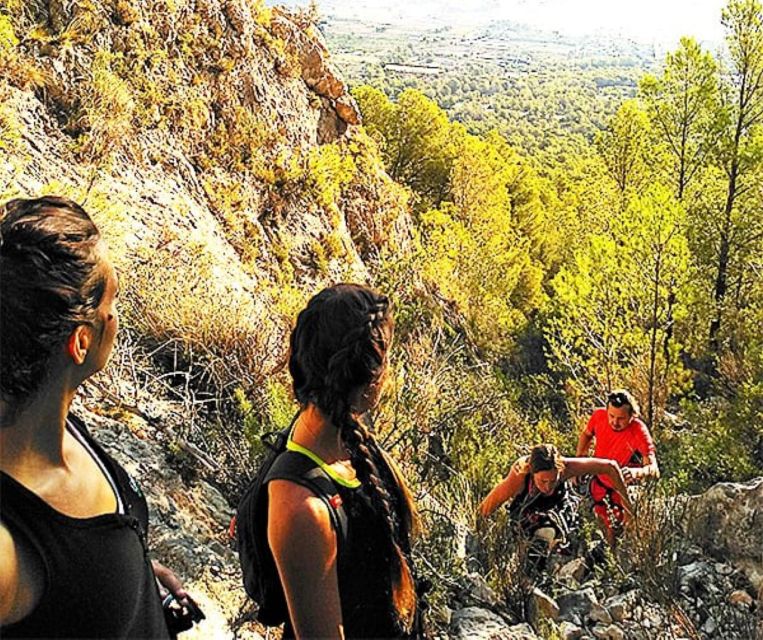
This experience includes safety gear and a climbing guide, plus photos. But you still need to bring the essentials for comfort and stamina.
What you should bring:
- Hiking shoes (shoes are not provided)
- Water
- Weather-appropriate clothing
Here’s a small tip I like because it’s practical: pack a light snack. One useful suggestion from people who’ve done the climb is bringing a small energy treat like Haribo, especially if you want something quick during breaks. Keep it simple—just something you can eat without fuss.
Also add sun protection. The route gives you long stretches of exposure to open air and light, and people who’ve done it recommend things like suncream. If you’re going in hot weather, that’s not optional—it’s smart planning.
And bring a rucksack if you can. Even if you’re not carrying much, having a place for water, sun protection, and a small snack keeps you from juggling items around your harness area.
Safety and Suitability: Who Should Say Yes or No
This via ferrata is not built for everyone. It’s categorized K4, and the experience involves significant physical activity and a nearly vertical climb.
It’s not suitable for:
- pregnant women
- people with mobility impairments
- people with vertigo
- children under 18
Why those restrictions make sense: K4 routes require stable movement, controlled breathing, and comfort with exposure. Even with proper gear and a guide, you still need to be able to climb confidently while attached to a cable system.
On the flip side, it’s a great choice if you:
- want an actual climbing experience (not just a walk)
- can climb for hours at a steady pace
- appreciate guided instruction that builds confidence early
If you’re a beginner, don’t assume you’re automatically excluded. The key is that you get practice first and you climb with professional safety support.
Price and Value: Is $65 Worth It for This 5-Hour Adventure?
At $65 per person for about 5 hours, the price is mainly buying three things: instruction, safety systems, and guided time on the route. You’re not renting a bunch of gear on your own day. You’re also not paying for a generic hike guide; you’re paying for someone to teach and manage the climbing process.
Is it a bargain? It can feel like one, because harnesses and Ferrata kits aren’t cheap when you price them separately, and the route itself is a high-effort activity. The small group format (up to 10) also helps value because you’re more likely to get individual attention during fitting and technique.
What you should do to protect your value: show up prepared. Good shoes, water, and sun protection reduce the chance you’ll spend the climb distracted or drained.
If you’re looking at other outdoor activities around Alicante, this one is a strong pick when you want a physical highlight with dramatic views.
Should You Book Via Ferrata del Ponoig?
If you want a guided K4 via ferrata day with clear instruction, provided safety gear, and serious viewpoint rewards, I’d book this. It’s structured for confidence-building: gear up, safety briefing, wall practice, then the vertical climbing sections with cable support.
Skip it if the word nearly vertical makes you nervous in the wrong way, or if vertigo is in your risk zone. Also be realistic about fitness. This is not a “light activity” outing.
If you do book, make it easy on yourself: wear proper hiking shoes, bring plenty of water, and protect yourself from sun. And if you like snacks during active tours, consider packing something small like Haribo for a quick energy boost.
FAQ
What difficulty level is Via Ferrata del Ponoig?
This climb is categorized as K4.
How long is the guided trek and climb?
The total duration is 5 hours.
Where do I meet the guide?
Meet your guide at Parking Vía Ferrata Ponoig. Look for a visible sign.
Is safety gear included?
Yes. The activity includes safety gear with a harness, helmet, and Ferrata kit.
What should I bring besides the safety gear?
Bring hiking shoes, water, and weather-appropriate clothing.
Are shoes included in the price?
No. Shoes are not included, so you need hiking shoes.
Is food and drinks provided?
No. Food and drinks are not included.
Who can’t join this activity?
It is not suitable for pregnant women, people with mobility impairments, people with vertigo, or children under 18.
Can I cancel for a refund?
Yes. You can cancel up to 24 hours in advance for a full refund.