REVIEW · CHANIA
From Chania: Full-Day Samaria Gorge Trek Excursion & Guide
Book on GetYourGuide →Operated by PLATANOS TOURS · Bookable on GetYourGuide
Samaria Gorge is the kind of day that changes your legs. You’ll get a structured day from Chania to the White Mountains, then a long, mostly-downhill trek through caves, river crossings, and thousand-year-old trees, ending with sea time in Agia Roumeli. I particularly like the combo of real hiking payoff and the built-in rhythm of breakfast, checkpoints, and a boat ride home. The one thing to watch: this is seriously challenging walking on rocks, and the day can be shortened or rerouted if the national park closes.
Here’s what makes this excursion feel practical, not touristy: you’re not left on your own. Your English-speaking guide keeps the group moving and offers help while you hike at your own pace, and guide teams like Sara and Christina have been praised for safety focus and clear pacing. If you want a “control-your-day” style of hiking—without planning buses, ferries, and entry points yourself—this one fits.
That said, if you hate crowds, the famous gorge can feel packed once you’re inside, and the on-site facilities can be basic. Build your mindset for a working hiking trail, not a quiet nature walk.
In This Review
- Key things I’d circle before you book
- Why Samaria Gorge from Chania feels like a real Cretan day
- Getting from Chania to Omalos: the White Mountains drive and the early rhythm
- Omalos to Samaria Gorge National Park: entering the trail system
- Walking Samaria: downhill stamina, rocky terrain, and smart pacing
- The crowd reality: why timing and mindset matter inside the gorge
- After the hike: Agia Roumeli and the sea-level payoff
- Ferry to Sougia: views with less effort than the trail
- Price and value: what $41 buys (and what costs extra)
- What to bring: the simple checklist that prevents misery
- Difficulty and who should skip this gorge hike
- If Samaria closes: the realistic backup plan
- Should you book this Samaria Gorge trek from Chania?
- FAQ
- How long does the Samaria Gorge trek tour take?
- Where does the tour start and how do pickup/drop-off work?
- Is the Samaria Gorge entrance ticket included?
- Do I need to pay for the boat too?
- Will I hike with a guide or go on my own?
- What should I bring for the hike?
- What happens if Samaria Gorge National Park is closed due to weather?
Key things I’d circle before you book
- Most of the hike is downhill over rocky terrain, so you need strong footwear and slow, careful steps.
- Omalos breakfast + park timing helps you start the gorge window with less stress.
- Agia Roumeli is your recovery zone: swim/snorkel time plus tavernas and shops nearby.
- Ferry transfer to Sougia breaks up the end of the day and gives coast views before the bus back.
- If Samaria closes, you may pivot to an alternative gorge itinerary instead of losing the entire day.
Why Samaria Gorge from Chania feels like a real Cretan day
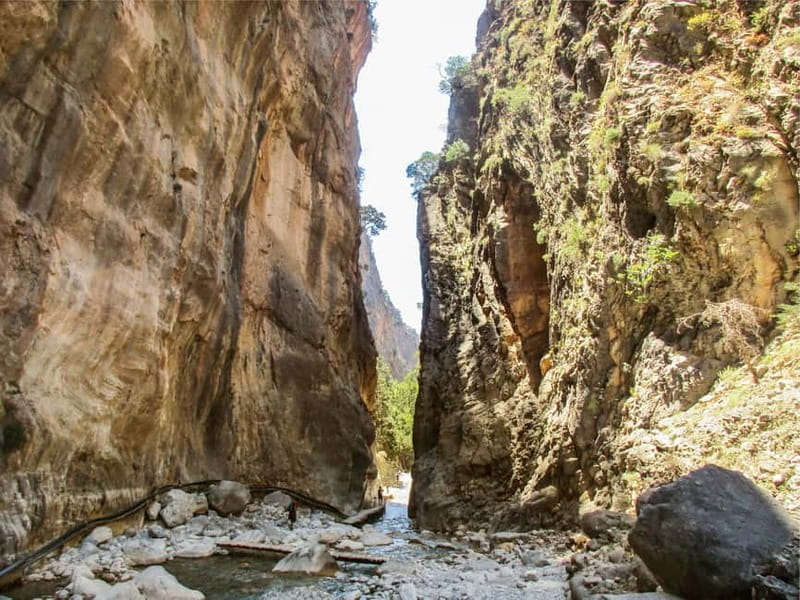
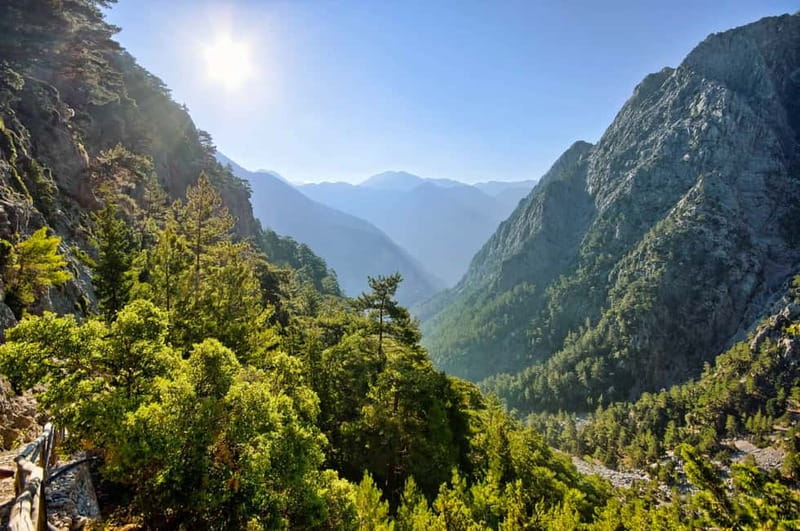
Samaria Gorge is one of Europe’s longest gorges, and the day is built around that fact. You’re not just seeing views from a bus window. You’re dropping into the gorge and walking its path—past river sections, freshwater springs, and big limestone rock walls that make the hike feel enclosed and intense.
The best part of this tour is how it mixes effort with payoff. You get the “I’m earning this” feeling after breakfast in the White Mountains, and then the day ends with sea time in Agia Roumeli rather than turning into an all-bus slog. It’s also budget-friendly relative to what you’d pay if you arranged transport, ferry, and a guide yourself.
One more practical win: pickup is wide (many areas in and around Chania), and the tour uses air-conditioned buses. That matters because you’ll be on the move for most of the day, and Crete heat + waiting around is not a fun pairing.
You can also read our reviews of more tours and experiences in Chania.
Getting from Chania to Omalos: the White Mountains drive and the early rhythm
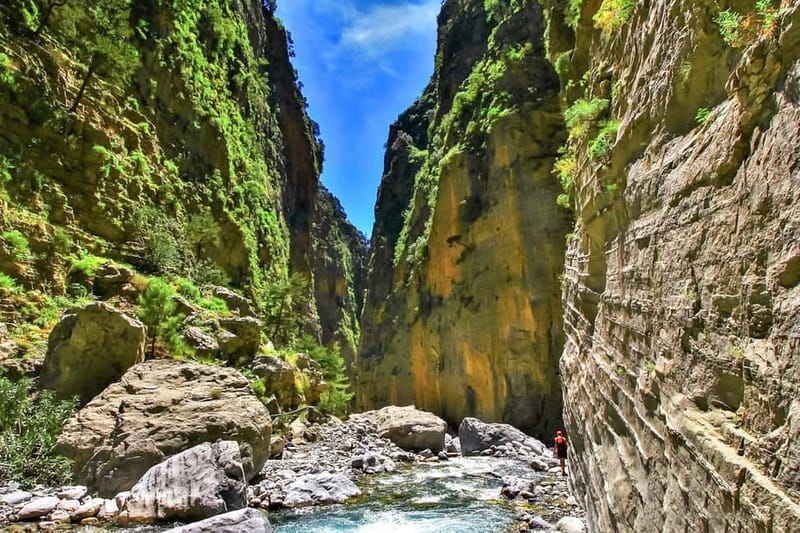
You’ll start with hotel pickup from a long list of Chania-area stops. After pickup, the bus ride to the White Mountains is about 100 minutes, followed by a break at Omalos where you’ll have breakfast and time to get your bearings. Omalos is the staging point in the heart of the White Mountains, and the timing helps you transition from road travel to hiking mode.
What I like about this structure is the pressure relief. Instead of dropping you at a trailhead with no prep, you get a meal and a moment to sort your daypack. That’s especially helpful because Samaria is a “bring what you need” hike: water, sunscreen, and a hat aren’t optional for comfort.
One consideration: the whole day runs roughly 9 to 12 hours, and this is a serious early-to-late itinerary. Even if you’re fit, you’ll feel the schedule in your day—not just your legs.
Omalos to Samaria Gorge National Park: entering the trail system
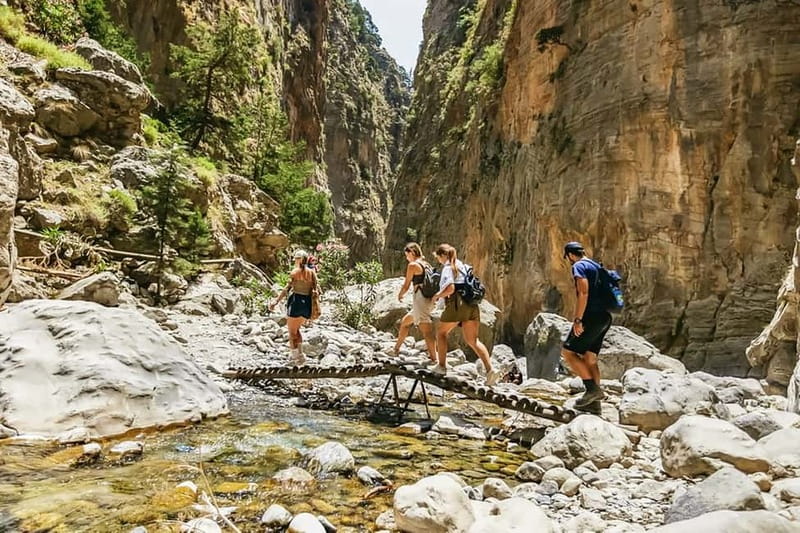
After breakfast, you enter Samaria Gorge National Park. This is where the tour shifts from coaching to supporting. You hike with an English-speaking guide, but the pace is designed so you can walk at your own speed. The guide typically positions themselves toward the end of the group to help anyone who needs a hand.
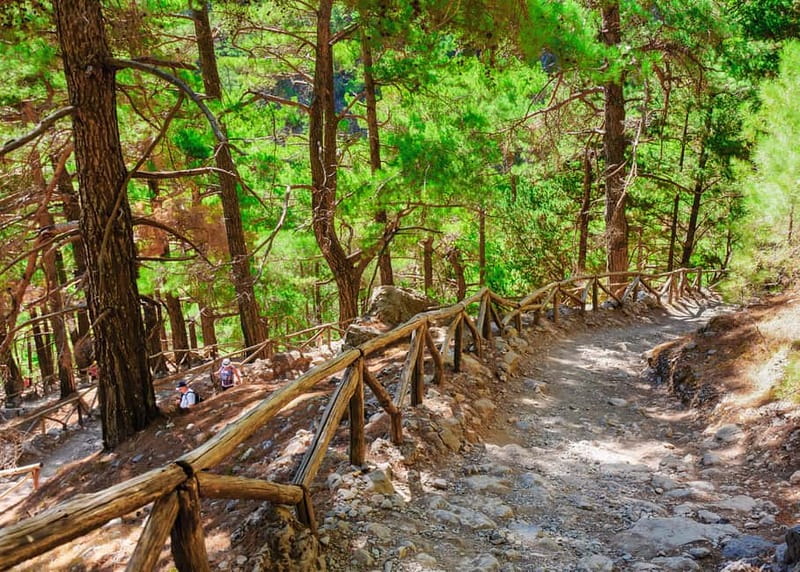
The trek is listed as about 4.5 hours on the path through the national park area. The overall walking challenge is bigger than that once you add rocky footing and the time it takes to step carefully. Plan for a long downhill session and don’t treat it like a casual stroll.
Along the way, the tour experience is built around natural features:
- Thousand-year-old trees in sections of the gorge
- A river setting with river passages where the footing can be uneven
- Fresh-water springs you pass by during the walk
- Wild goats roaming the area
- Extraordinary rock formations that make the gorge feel dramatic rather than just narrow
And there’s an educational layer too. You’ll learn about rare indigenous plants, local flowers, and bird species—exactly the kind of info that turns “pretty rocks” into something you can actually remember.
Walking Samaria: downhill stamina, rocky terrain, and smart pacing
This is the part where your gear decides how much you enjoy the day.
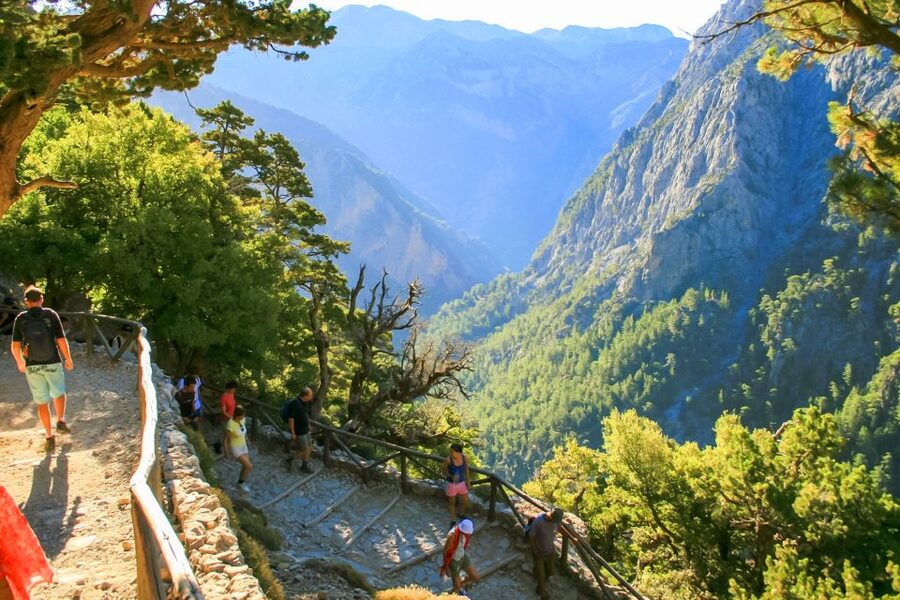
The tour description calls it very challenging: about 17 kilometers (roughly 16–17 km is echoed in feedback), with rocky terrain and a long downhill walk. Reviews also underline that hiking poles help with stability, and that ankle support matters a lot. One recurring theme in feedback: people can underestimate how hard a downhill hike is, even if they’re otherwise in good shape.
If you want a simple strategy, it’s this:
- Go slow early so your calves and quads don’t scream later.
- Keep your eyes on your feet more than your phone.
- Use poles if you have them, especially on slippery or steep sections.
One tour guide experience that stands out from feedback: Sara provided very clear instructions before arriving at the gorge, including recommended times to hit major checkpoints so everyone stays within a workable rhythm. That’s a big deal because Samaria is busy, and everyone’s “comfortable pace” isn’t the same.
Another safety note from feedback: a guide Christina was praised for being kind and supportive, and one group specifically mentioned feeling reassured about medical help along the way. Even with that, you should still assume you’re responsible for your own footing.
The crowd reality: why timing and mindset matter inside the gorge
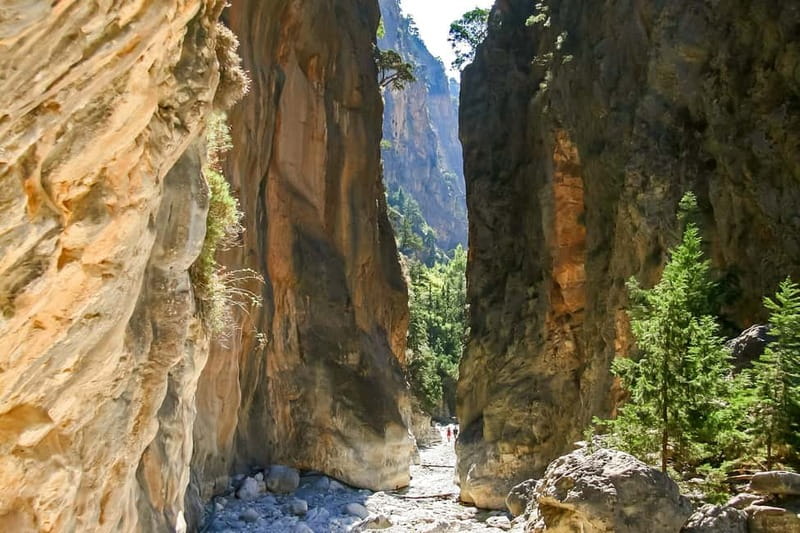
Samaria is famous, so it draws crowds. Some hikers note the footpath can feel narrow at times and that it gets hard when fast walkers and slower walkers mix. The solution isn’t rage. It’s pacing and space management: step aside where you can, keep moving steadily, and accept that the gorge is a shared trail.
Bathrooms can also be a mixed bag once you’re deep in the national park area. It’s not the kind of hike where you’ll think about comfort like a city tour. Bring what you need ahead of time and don’t plan on facilities being a highlight.
After the hike: Agia Roumeli and the sea-level payoff
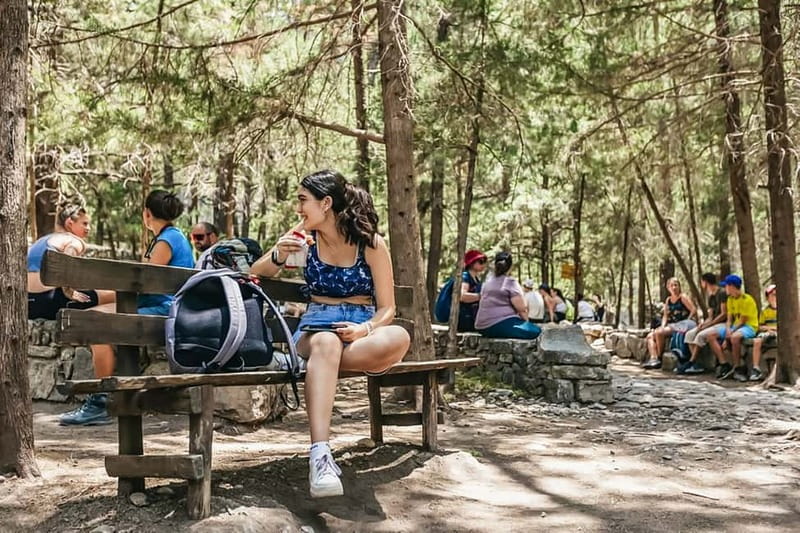
At the end of your trek, you reach Agia Roumeli. This is your reset moment, and it’s built into the schedule: about two hours of free time, with photo stops and time for lunch options. There are taverns, bars, and shops nearby, so you’re not trapped without choices.
What I like about this stop is that it’s not artificial. It’s a real village environment where you can do the obvious things: grab food, cool down, and enjoy the sea. Reviews highlight that you’ll have time to swim and even snorkel, plus opportunities to watch wildlife around the shore.
This section also helps manage the mental side of hiking. When you finally hit the coast, the day switches from effort to reward. That’s not just emotional—it changes how you recover. A swim or a long sit on the beach helps your legs reset for the ferry and the bus ride back.
Ferry to Sougia: views with less effort than the trail
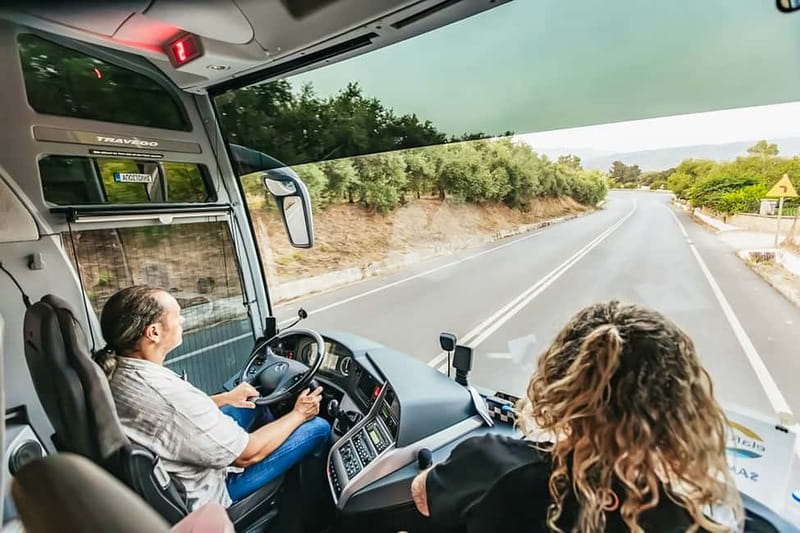
Later in the afternoon, you board a boat from Agia Roumeli to Sougia. The ride is about an hour, and it matters because it breaks the day in half: you’ve finished the hard part on foot, and now you’re moving through the coastline while you come down from exertion.
You’ll then transfer by bus back toward Chania. The bus ride is about 100 minutes, and the tour can land you back around 8:30 PM depending on routing and timing.
One practical detail: a meeting point is arranged so you can collect your ferry tickets from your guide. If you like to stay organized, this is a simple advantage—you’re not trying to find a kiosk while your feet are thumping.
Price and value: what $41 buys (and what costs extra)
At about $41 per person for the excursion, this tour is priced like transportation + guidance, not like a full package of all expenses.
Not included costs you should expect to budget for:
- Samaria Gorge National Park entrance ticket (paid onsite; pricing depends on age/status—€10 is referenced for many adults)
- Boat ticket from Agia Roumeli to Sougia (about €14, with a child price also listed)
- Food and drinks during the day
- Entrance fee policy details for EU/age groups (also listed in the tour notes)
So what’s the value? I’d call it strong because the price covers:
- Hotel pickup and drop-off across many Chania-area locations
- Air-conditioned bus transfers and bus tickets
- An English-speaking guide
- A trekking/hiking excursion setup
- The structure that takes the planning burden off you
If you already know how to arrange transport and entry tickets cheaply, you could potentially DIY. But for most visitors, the real value is not just the money—it’s the time and the reduction in mistakes. Samaria isn’t a place you want to “figure out later” with a deadline and a packed day.
What to bring: the simple checklist that prevents misery
Bring this stuff or you’ll pay for it with discomfort:
- Hiking shoes (sturdy trainers are better than flimsy sneakers; ankle support helps)
- Hat and sunscreen for sun exposure
- Water (you’ll need it for a long downhill walk)
- Trekking gear you’re comfortable with
- A basic daypack setup that keeps essentials within reach
Hiking poles are strongly suggested in feedback. If you’re on the fence, I’d lean toward taking them. Downhill on rocks is where poles turn chaos into control.
Also: plan socks that won’t slip. Blisters aren’t a moral failing; they’re often a setup problem. Don’t wait until mid-hike to learn your shoes don’t work.
Difficulty and who should skip this gorge hike
This is not a stroll. It’s a long, rocky downhill trek with steep and slippery sections.
The tour notes say it’s not recommended for:
- Children under 6
- Pregnant women
- People with back problems
- People with mobility impairments
- People with heart problems
If you’re uncertain, treat this as an advanced hike unless you’ve done similar rocky descents before. Footwork matters more than pure fitness.
Heat and weather also influence the day. Samaria Gorge National Park may close without advance notice due to safety concerns like heavy rainfall, strong winds, extreme heat, or winter conditions. If that happens, the tour will try to reschedule during your stay, but availability can be limited. If rescheduling isn’t possible, you’re told a full refund is provided.
If Samaria closes: the realistic backup plan
One of the best reasons to book this kind of organized excursion is flexibility. In one recent experience, the gorge closed five minutes before the start, and the guide offered an alternative: walking Imbros Gorge instead, plus time in Hora Sfakia after. That kind of pivot matters because it turns a ruined day into a complete outing.
So if your schedule allows, I recommend booking early in your Crete stay. That gives you room for a swap if weather forces a change.
Should you book this Samaria Gorge trek from Chania?
Book it if you want a memorable, physical day with guidance, structure, and a satisfying end at the sea. You’ll get plenty of natural variety (trees, river sections, springs, goats, rock formations), plus the village break in Agia Roumeli and the ferry ride that makes the day feel complete.
Skip it if your idea of hiking means flat ground, low impact, and minimal crowding stress. Also skip if you’re not confident with long downhill walking on rocks.
If you do book: pack for comfort, treat the hike as advanced, and plan to move slowly through the gorge. This isn’t a race—it’s a long descent worth doing right.
FAQ
How long does the Samaria Gorge trek tour take?
The full tour runs about 9 to 12 hours, with the hike inside the national park listed around 4.5 hours.
Where does the tour start and how do pickup/drop-off work?
You’ll get hotel pickup and drop-off from many Chania-area locations using air-conditioned buses.
Is the Samaria Gorge entrance ticket included?
No. Entrance to Samaria Gorge National Park is not included and is paid onsite (the tour notes list pricing that depends on age/status).
Do I need to pay for the boat too?
Yes. The boat ticket from Agia Roumeli to Sougia is not included, with a price listed around €14 (and a reduced price for children).
Will I hike with a guide or go on my own?
You hike with an English-speaking guide, and you walk at your own pace. The guide is positioned toward the end of the group to help if needed.
What should I bring for the hike?
Bring a hat, hiking shoes (or sturdy trainers), sunscreen, water, and trekking gear. Hiking poles are also helpful based on feedback.
What happens if Samaria Gorge National Park is closed due to weather?
The park may close without notice. The tour will try to reschedule you to an alternative date during your stay, but rescheduling can’t be guaranteed. If rescheduling isn’t possible, you receive a full refund.