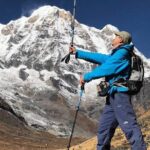
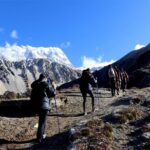
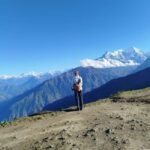
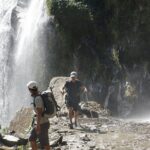
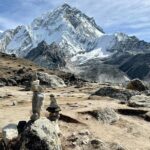
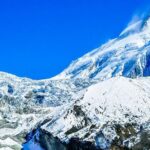
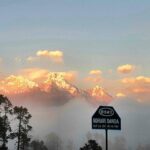
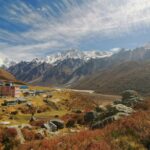
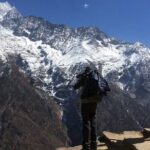
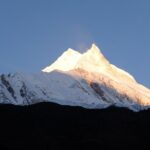
That first sunrise over Annapurna changes the math of a trip. This trek mixes Poon Hill viewpoints with the big milestone of reaching Annapurna Base Camp (4,310m), plus village walks through Gurung and Pun settlements with terraced fields and forests. I love how the route gives you both classic postcard views and real day-to-day hiking, with warm teahouse life at night; the one drawback is that you’ll do plenty of steady up-and-down and the cold at altitude is real.
I also like the way the trip is set up for you to spend less time worrying and more time walking: hotel pickup/drop-off, transfers into the trail area, and an English-speaking guide with evacuation support. One consideration to keep in mind is that teahouses are basic, so expect outdoor toilets and simple rooms rather than spa-level comfort.
If you’re looking for a Nepal trek that starts from the Pokhara side, includes a sunrise day, and finishes with a relaxing dip at a natural hot spring, this is a strong fit.
In This Review
- Key highlights at a glance
- Why This Trek Feels Like Two Journeys (Not One)
- Price and Logistics: What $835 Really Covers
- Getting On the Trail: Ulleri to Ghorepani Through Rhododendron
- Poon Hill Sunrise and the Shift Toward Tadapani
- Chhomrong, Sinuwa, and the Day That Tests the Legs
- Modi Khola Riverbank Walking and a Day With Fewer Views
- Annapurna Base Camp at 4,310m: Sunset First, Sunrise Second
- Jhinu Danda and the Modi Hot Spring Reset
- What Packing Makes This Trek Feel Easier (Not Miserable)
- Guide and Support: English, Evacuation, and Real Coordination
- Who This Trek Is For (and Who Might Want Another Option)
- Should You Book Annapurna Base Camp Trek With This Operator?
- FAQ
- How high does the Annapurna Base Camp trek go?
- Does the trek include Poon Hill sunrise?
- Are transfers between Pokhara and the trail included?
- What kind of accommodation is provided on the trek?
- Are meals included in the price?
- Is there a hot spring during the trek?
- What costs are not included in the trek price?
- Do I need a passport to join the trip?
- What happens if poor weather cancels the trek?
Key highlights at a glance
- Poon Hill sunrise early hike for the best mountain light, then you keep moving
- Gurung and Pun villages with terraced farmlands and changing forest as you climb
- Annapurna Base Camp at 4,310m with both sunset and sunrise moments
- A hot-spring payoff at Jhinu Danda after a long descent day
- Teahouse trekking built around meals (breakfast, lunch, dinner) and guided pacing
- Outdoor-Himalayan Treks team coordination noted in feedback for being organized and flexible
Why This Trek Feels Like Two Journeys (Not One)
I like treks that don’t just climb a straight line. ABC here works like two adventures stitched together: a Poon Hill segment for sunrise drama, then a longer arc into Annapurna Base Camp where the mountains get closer and the walking gets heavier.
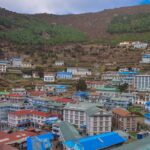
You’ll start the trekking phase after a drive and a first hike that gets your legs going without wasting a whole day. Along the way, you pass through settlements that thin out higher up, with forests and farmlands trading places—so even when a day doesn’t deliver wide-open views, the scenery still has texture.
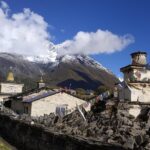
Another reason I’d pick this itinerary is the ethnic mix you’ll see on the lower sections—especially Gurung and Pun communities. You don’t just pass through; you slow down enough to notice how people live, work, and host trekkers in tea houses.
Finally, the finish isn’t just “walk and leave.” After the long descent, you get a natural hot spring at Modi riverbank near Jhinu Danda, which is a smart way to end a week of pounding your shins.
You can also read our reviews of more tours and experiences in Kathmandu.
Price and Logistics: What $835 Really Covers
At $835 per person, what matters isn’t just the number—it’s what’s packaged for you. This cost includes basic teahouse accommodation during the trek, including the fact that toilets and bathing are outside. It also includes Pokhara-to-trail-area transfers (Pokhara–Hile and Jhinu–Pokhara), plus hotel pickup and drop-off.
Meals are largely handled, which is a big deal on trekking days when you don’t want to make constant choices: you get 9 lunches, 8 breakfasts, and 8 dinners. Your English-speaking guide is included, and the guide’s own costs—wages, accommodation, meals, transportation, insurance—are covered too.
Emergency support is also included for evacuation and medication if something goes wrong. And the operator states there are no hidden costs in the plan itself, which I appreciate because trekking budgets tend to leak money fast.
What isn’t covered is where you’ll likely spend most of your “on the ground” cash: beverages (cold drinks, bottled water, tea/coffee) and personal expenses like extra snacks or wifi. Tips for the guide are expected, and you also need travel insurance on your side.
Getting On the Trail: Ulleri to Ghorepani Through Rhododendron
Day 1 has a practical rhythm: after breakfast, you meet your guide and drive toward Ulleri. The route is split—private jeep for the first part to Hile, then hiking the rest—so you start with movement without burning the whole day on transport.
You’ll check in at a tea house at Ulleri and settle into the basic trekking routine quickly. Tea houses work best when you stop expecting hotel comforts and start enjoying the trade-off: warmth, simplicity, and the chance to meet people heading the same direction.
Day 2 is all about getting higher through scenery that changes as you go. You hike toward Ghorepani through a rhododendron forest, and in springtime that area can bloom with pink reds and whites around you. I like this day because it sets expectations: even if you don’t see the highest peaks yet, you’re already surrounded by a living forest corridor that makes the climb feel worthwhile.
You’ll have lunch at a local restaurant partway through the hike, then check in at a lodge in Ghorepani for the night.
Poon Hill Sunrise and the Shift Toward Tadapani
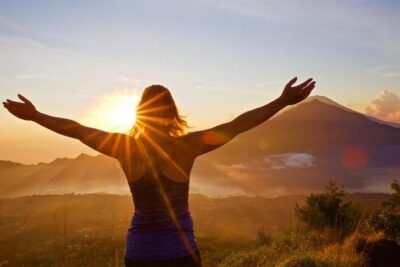
Day 3 starts early for a reason: you hike up to Poon Hill to catch sunrise. This is one of the best ways to “earn” mountain views early in the trek—light first, then breakfast, then forward motion.
After sunrise, you trek down back to Ghorepani for breakfast and then continue toward Tadapani. This is a smart pacing move. You get the drama of the mountains, but you don’t turn the day into a long sit-and-stare. Your legs work, your mind stays engaged, and you build altitude step by step.
A practical tip: sunrise hikes can feel chilly even in warmer months. Bring layers you can strip and re-layer as you move from dark-cold morning into warmer daylight.
Also, note the way this itinerary combines viewpoints with travel through multiple village levels. You’ll keep shifting between forests, farmlands, and settlements, which means you’re not just walking on a single “type” of scenery.
Chhomrong, Sinuwa, and the Day That Tests the Legs
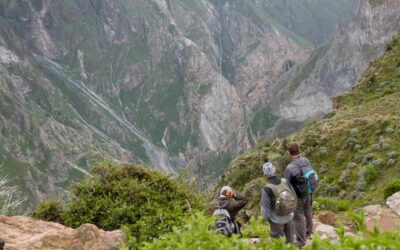
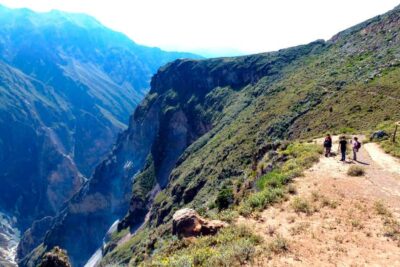
Day 4 is the kind of day you’ll remember because it’s “full of up and downs.” You hike down to Kimrong Khola, then climb up toward Chhomrong, and continue further to Sinuwa.
This is the terrain that separates comfort from character. Going downhill can be easier in breath but tougher on knees, and uphill always demands steady effort. The upside is that these sections usually feel like you’re moving through layers of Nepal’s geography rather than repeating the same path.
You’ll sleep at a lodge in Sinuwa. That matters because after a rough profile day, a dry place to rest and a predictable meal schedule help you recover instead of wandering around searching for food.
If you want to feel good for the Base Camp push later, don’t treat this day like a race. A trekking guide helps here—someone with real experience can nudge pace so altitude and fatigue don’t stack up too fast.
Modi Khola Riverbank Walking and a Day With Fewer Views
Day 5 shifts your focus. You mostly walk along the bank of the Modi river, and it’s specifically noted that you may not see mountain view on this day.
That can sound discouraging until you reframe it: not every trek day is about a wide-open view. Sometimes the value is consistency—steady walking, village life at a more local scale, and keeping your body moving in a manageable rhythm.
You’ll spend the night in Deurali at a simple lodge. Simple is a theme on this trek, but the schedule stays clear: breakfast and meals are included in the overall plan, and your guide handles the route decisions.
I like days like this because they reduce “photo pressure.” When views are limited, you can listen more—how the trail changes underfoot, the sound of water in the riverbank areas, and the way communities function along the route.
Annapurna Base Camp at 4,310m: Sunset First, Sunrise Second
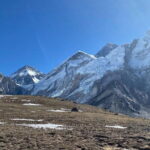
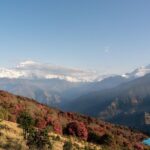
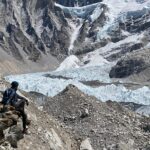
Day 6 is the big target day. You hike to Annapurna Base Camp (4,310m), then you’ll see sunset from the base camp area and spend the night near the Annapurna Himalayan ranges.
Reaching base camp is the moment you planned for, but the best way to enjoy it is to treat it as a finish line and a starting point for recovery. Cold and wind are common at altitude, even if your body feels energized after the climb. Dress in layers, keep your hat and gloves handy, and don’t underestimate how fast comfort drops at night.
Then on Day 7, you’re up again for a sunrise view from Base Camp. After breakfast, you walk back down the same trail to Bamboo for the night.
This down day is important. Descending is often harder than people expect on the body, but it also helps you settle altitude more than continuing to climb. Your route choice here is practical: come down, sleep, and reset.
Jhinu Danda and the Modi Hot Spring Reset
By Day 8, you’re in descent mode toward Jhinu Danda. After checking in at a lodge, you walk down to the Modi riverbank to enjoy a natural hot spring.
This is one of the best “earned relaxations” on any trek. After a week of walking, warm water can make the difference between feeling wrecked and feeling merely tired. Even if you keep the soak short, it’s a morale boost that helps you actually enjoy the last day rather than just survive it.
You’ll spend the night at a lodge again, then Day 9 stays easy: you walk for about an hour and then catch your ride back to Pokhara. Your guide leaves you at the hotel, and that’s basically your release valve from trekking life.
What Packing Makes This Trek Feel Easier (Not Miserable)
The trek runs in all weather conditions, and you’re advised to dress appropriately. So, your packing strategy is about staying warm and managing layers—especially because nights at altitude can be cold even when daytime feels fine.
Plan on bringing warm items listed in the guidance: down jacket, sleeping bag, full-sleeve warm layers, warm hat, sunglasses, gloves, warm socks, trekking boots, and a day bag. A gore-tex jacket is also mentioned, plus thermal undergarments, fleece jacket, water bottle, sun/cold creams, and a head light.
One small but important mindset: on teahouse treks, gear quality matters more than gear quantity. If your base layer and gloves are wrong, you’ll feel it all trip. If they’re right, you’ll still complain sometimes, but you’ll keep moving comfortably.
Also, the guidance includes a formal dress code note. That may be about keeping things respectful for lodges and shared spaces. Either way, bring at least one clean set you’re okay wearing around tea houses.
Guide and Support: English, Evacuation, and Real Coordination
You’ll travel with a professional, experienced trekking guide who speaks English. That helps not only with directions, but also with pace and safety decisions when conditions change.
Support doesn’t stop at route planning. The trek includes emergency rescue service assistance in evacuation and medication needs. That’s not something you want to think about while you’re trekking, but it’s reassuring to know it’s part of the package.
In feedback about Outdoor Himalayan Treks, the theme is organization and flexibility—planning that runs from pickup to drop-off, plus help with advice around Kathmandu and Pokhara. Some messages also mention team members like Ram, Dilli, and Tupie for being responsive and helpful as arrangements were made. That lines up with the promise of a coordinated local host.
Who This Trek Is For (and Who Might Want Another Option)
This is a moderate fitness trek, and you should have enough stamina for days with lots of climbing and descending. If you’re comfortable hiking with a pack for several hours and you can handle uneven terrain, you’ll likely find the schedule doable.
This trek fits you if you want:
- sunrise views early on from Poon Hill
- real village walking through Gurung and Pun areas
- a major destination day at base camp
- a relaxing payoff at Jhinu Danda hot spring
It may not fit you if you hate steep up/down days, because Day 4 is specifically described as challenging on the profile. It also may not feel right if you expect indoor toilets and private bathrooms at night, since basic teahouses use outside facilities.
Should You Book Annapurna Base Camp Trek With This Operator?
I’d book this trek if your priority is a well-run, full itinerary that hits the big highlights—Poon Hill sunrise, base camp at 4,310m, and Modi hot springs—without you having to micromanage logistics.
Choose it especially if you like a clear structure: guide-led movement, included meals (so you don’t constantly budget on the trail), and transport that gets you in and out smoothly from Pokhara. At $835, the value is strongest because the guide support, meals, and key transfers are wrapped into the price.
Skip it (or consider another option) if your biggest goal is luxury comfort. Teahouses are basic by design, and the cold at altitude needs serious gear. If you pack well and pace smart, you’ll probably love it.
If you want to make a confident call: do the fitness reality check first, then focus on layers and boots. Those two things will decide how much you enjoy the mountains.
FAQ
How high does the Annapurna Base Camp trek go?
Annapurna Base Camp is at 4,310 meters.
Does the trek include Poon Hill sunrise?
Yes. There’s an early morning hike to Poon Hill for sunrise views, followed by a descent back to Ghorepani.
Are transfers between Pokhara and the trail included?
Yes. Transfers include Pokhara to Hile and Jhinu to Pokhara, plus hotel/port pickup and drop-off.
What kind of accommodation is provided on the trek?
You’ll stay in basic teahouses. Toilet and bathroom facilities are outside (not in your room).
Are meals included in the price?
Yes. Lunch is included for 9 days, and breakfast is included for 8 days and dinner is included for 8 days.
Is there a hot spring during the trek?
Yes. On Day 8, you’ll descend to Jhinu Danda and then walk down to the Modi river bank for a natural hot spring.
What costs are not included in the trek price?
Beverages (like bottled mineral water and tea/coffee), personal expenses (extra snacks, wifi, hot shower, and similar), tips for the guide, and travel insurance are not included.
Do I need a passport to join the trip?
Yes. You need a current valid passport on the day of travel, and passport details are required at the time of booking.
What happens if poor weather cancels the trek?
The experience requires good weather. If it’s canceled due to poor weather, you’ll be offered a different date or a full refund.