REVIEW · SEMBALUN
Sembalun/Senaru: Mt. Rinjani Summit 2-Day Trekking Tour
Book on GetYourGuide →Operated by uji trekking · Bookable on GetYourGuide
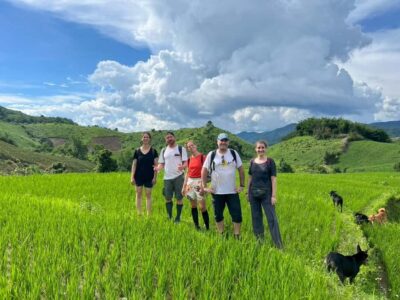
Waking before dawn changes everything on Rinjani. This 2-day climb from Sembalun or Senaru is built around summit sunrise timing, with the big payoff of wide views over Lombok, the Gilis, and beyond. You also get the crater drama: Lake Segara Anak at sunset, from the rim.
I love the way this trek breaks the effort into stages with real pauses. On day 1, you stop at POS-1 (1,300 m), POS-2 (1,500 m), and POS-3 (1,800 m) before a longer push to the Sembalun Crater Rim (2,639 m). I also like that you’re not hauling camping gear yourself—porters carry the cooking setup and equipment, and guides stay with you on the steep, dark summit section.
My one big caution is the summit night trek. You’ll start around 1:30 a.m., hike in darkness, and a flashlight is a must since the final climb can be sand and gravel. Also, the national park entrance fee is not included (IDR 200,000 per day per person), so check that in your budget.
In This Review
- Key Things To Know Before You Go
- The Big Picture: What This 2-Day Rinjani Trek Really Delivers
- Where the value shows up
- Getting There From Senaru or Sembalun: Logistics That Affect Your Day
- Day 1: From Village to Sembalun Crater Rim (Views + Setup for Night)
- Registration and the first climb: POS-1 to POS-3
- Lunch and the long push to the rim
- Where you sleep: camping setup and reality
- Day 2: Summit Sunrise at 3,726 m (The Dark Climb You Plan For)
- Bring a flashlight. Really.
- The view when it all clicks
- Breakfast and the downhill reset
- Guides and Porters: Why This Trek Feels Less Like a Fight
- What I’d Pack (Based on What Actually Helps Up There)
- Price and Value: Is $141 a Good Deal?
- Who This Trek Suits Best (And Who Should Rethink It)
- Practical Tips That Make the Difference
- Should You Book This Mt. Rinjani 2-Day Trek?
- FAQ
- Do I get picked up and dropped off?
- What time do we start the summit trek?
- Do I need a flashlight or headlamp?
- Is the national park entrance fee included?
- What camping and toilet items are provided?
- Who should avoid this trek?
Key Things To Know Before You Go
- Two pickup bases (Senaru or Sembalun): Choose the start that’s easiest for your lodging, then expect similar high-altitude effort.
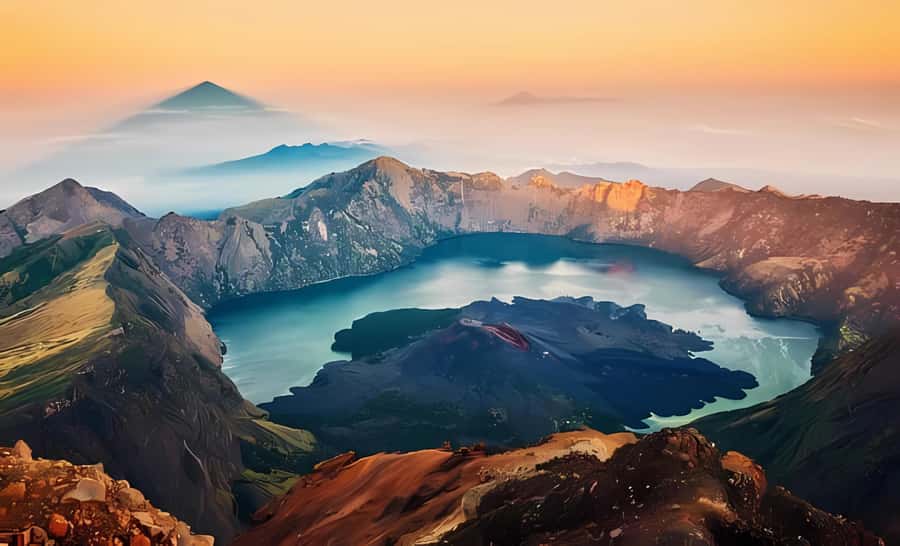
- Crater rim night is the ticket: The Sembalun Crater Rim is built for sunset views of Segara Anak and a classic starry night.
- A real sunrise mission: Day 2 starts at about 1:30 a.m., and the summit push usually takes around 3 hours.
- Porters do the heavy lifting: Cooking gear and camping equipment go up with them, so you carry less than you might expect.
- Bring the right basics: Flashlight/headlamp, long pants, gloves, and shoes matter more than you think—dust is real.
- Weather can make or break the view: If skies clear, the summit panorama is a reward. If clouds roll in, you’ll still hike, but the skyline can get muted.
The Big Picture: What This 2-Day Rinjani Trek Really Delivers
Mt. Rinjani is one of those hikes where your day doesn’t follow a neat, normal schedule. It follows light. Day 1 runs toward the crater rim for sunset and sleep. Day 2 runs toward the summit for sunrise. That rhythm is exactly why this tour feels special.
The other thing that makes this itinerary work is pacing. You don’t go from the car straight into an all-out scramble. Instead, you register at the Rinjani Information Center (RIC) and steadily climb through marked points (POS-1, POS-2, POS-3). Those pauses matter if you want to enjoy the views rather than just survive the route.
And then there’s the human factor. In the small stories people share after this trek, the guide and porter team comes up again and again. Names like Cakra, Anji, Reno, and Djordan are connected to fun, steady help on tough steps. You still feel the mountain. But you’re not doing it alone.
Where the value shows up
At $141 per person for a 2-day trek, the price feels reasonable mainly because several costs people usually pay separately are bundled: hotel pickup/drop-off from Senaru or Sembalun, an English-speaking guide, porter support for cooking and camping gear, and the core gear setup (tents, sleeping bags, mattresses). You also get drinking water during the trek—listed as 3 liters of mineral water per day/person.
The national park fee is the notable extra (IDR 200,000 per day/person). Once you plan for that, the cost starts to look like what you’d expect for a guided, gear-supported hike at this altitude.
Getting There From Senaru or Sembalun: Logistics That Affect Your Day
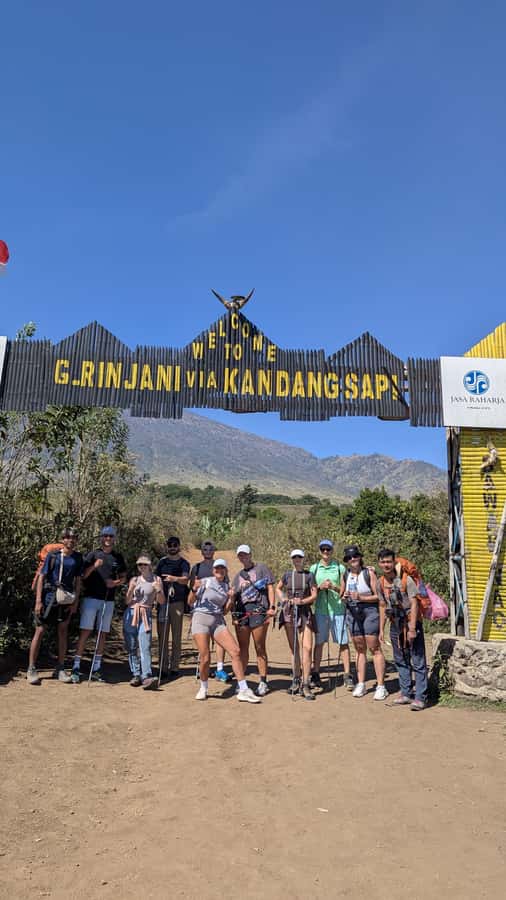
You’ll get picked up from either Senaru or Sembalun, depending on the option you choose. After pickup, you drive about an hour to Sembalun Village before starting the day 1 trek.
This is more than convenience. It changes how quickly you get into hiking mode. If your morning starts tight, you’re more likely to feel rushed before you ever reach POS-1. Starting with hotel pickup helps you avoid that stress and gives you a chance to eat before you climb.
On day 2, the tour drops you back at your selected drop-off location (Senaru or Sembalun). That matters if you’re continuing onward in Lombok the same day, because you don’t want to scramble for transport after you’ve already been awake since roughly 1:30 a.m.
Day 1: From Village to Sembalun Crater Rim (Views + Setup for Night)
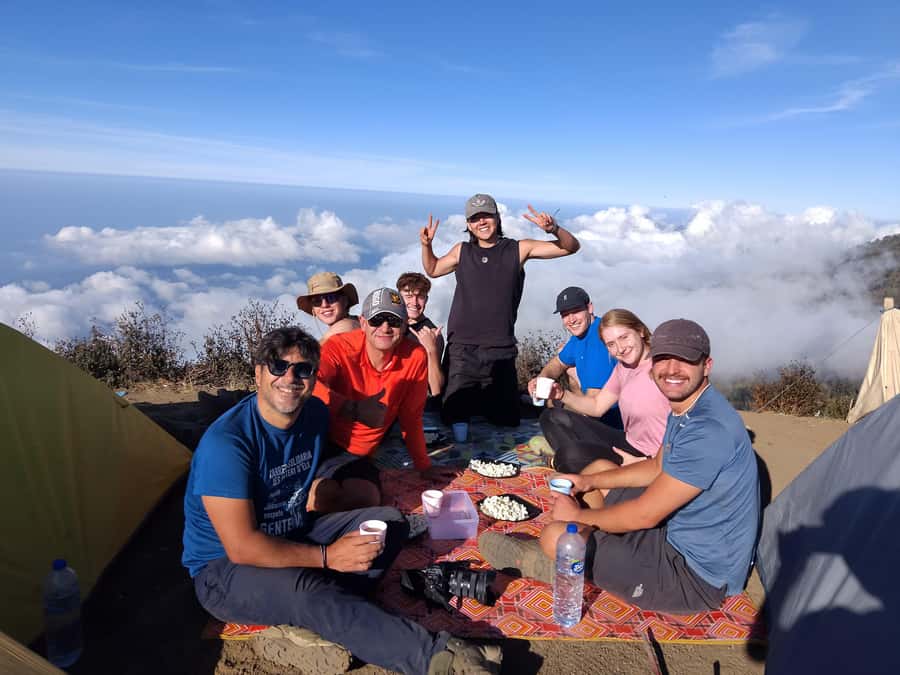
Day 1 is the long climb toward your campsite, with enough breaks to keep it from turning into a full-body grind.
Registration and the first climb: POS-1 to POS-3
After you arrive at Sembalun Village, you register at the Rinjani Information Center (RIC). Then you start walking for about 2 hours to POS-1 (1,300 m). Expect a gradual ramp up, then step by step progress rather than one dramatic push.
Next is POS-2 (1,500 m), about an hour later, followed by short breaks and another climb to POS-3 (1,800 m). That third stop is where the tour shifts from just moving upward to actually resting and refueling.
At POS-3, you rest for around 2 hours. This is where the hot drinks come in—tea, coffee, hot chocolate, or lemon tea. It’s a small detail that feels big at altitude. Warm fluids can make the rest of the day feel less punishing.
Lunch and the long push to the rim
After lunch and a rest, you continue climbing to Sembalun Crater Rim (2,639 m). This section is described as about 3 hours. It’s a stretch where stamina matters more than speed.
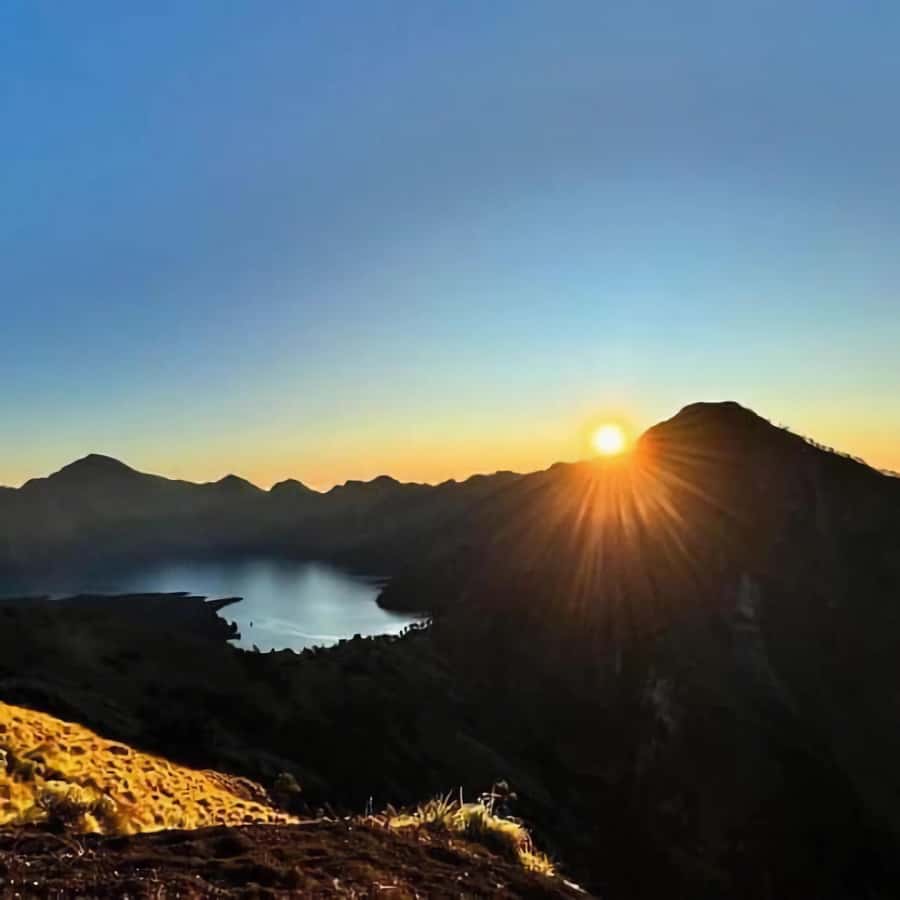
The reward is the rim itself. From camp, you’ll have panoramic views including sunset over Segara Anak and wide sights across most of North Lombok Island. That’s the point of this first day: you climb so you can enjoy the light show without racing against the clock.
Where you sleep: camping setup and reality
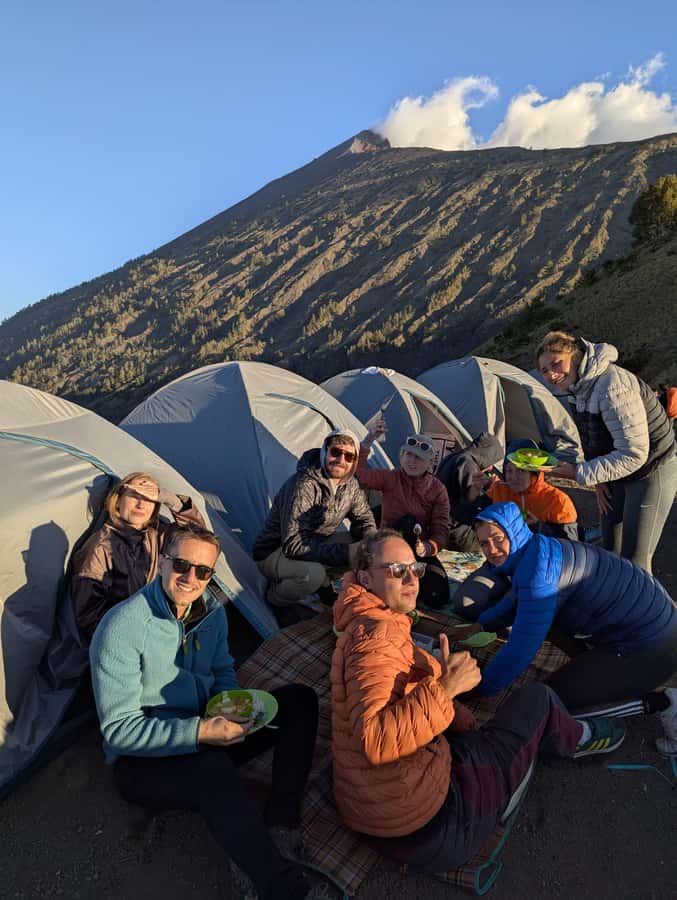
You spend the night on the Sembalun Crater Rim. The tour includes tents, a toilet tent, toilet paper, sleeping bags, and mattress. Porters carry the cooking gear and camping equipment, which means you’re dealing with your body and your own small personal items—not the full camping load.
Still, night at elevation is cold. You’ll want to pack based on that reality. Even if the days feel manageable, temperature drop is common up there.
Day 2: Summit Sunrise at 3,726 m (The Dark Climb You Plan For)
Day 2 starts early in a way that sounds extreme until you realize it’s the whole experience. You wake at 1:30 a.m. with coffee or tea and a light breakfast.
Then you start the summit trek. The ascent to the top typically takes around 3 hours, depending on how fast your group moves. You’re hiking in the dark for a chunk of it, and the route includes sand and gravel. This is one of the most tiring parts of the trek.
Bring a flashlight. Really.
A flashlight is specifically called out for the night portion. Headlamps are not listed as included, so you’ll need your own light. And one practical tip from trek experience: bring spare batteries for your head torch. It’s one of those things that’s boring until it saves your mood.
The view when it all clicks
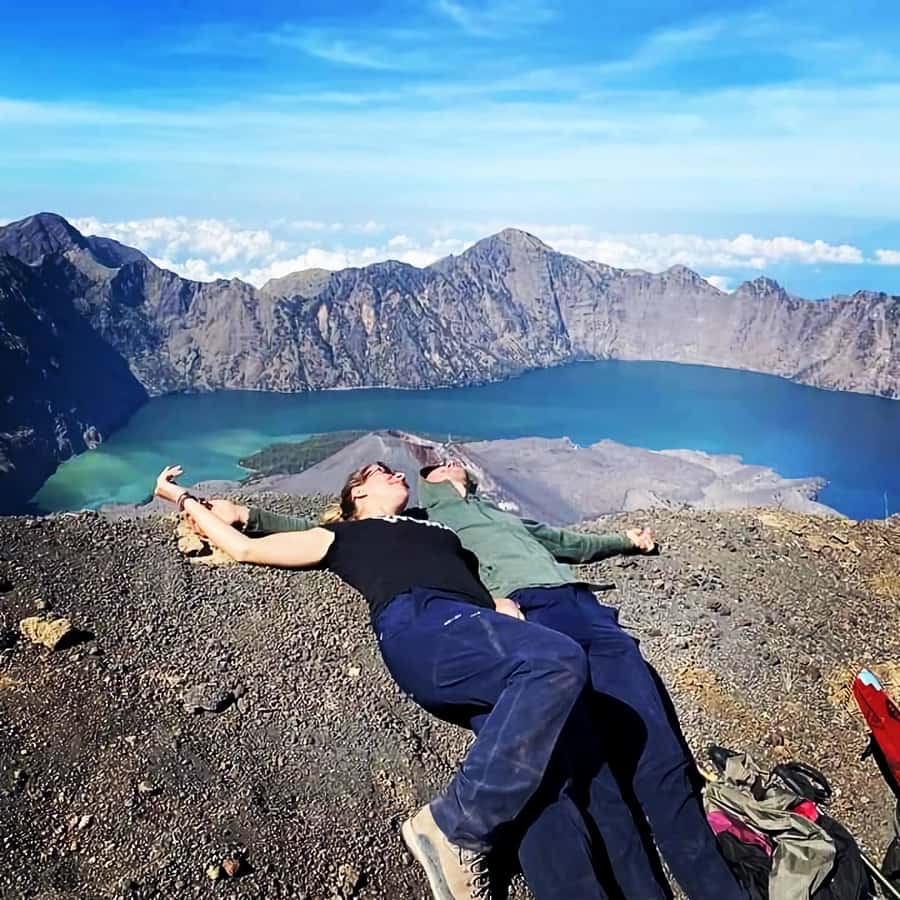
Once you reach the summit—3,726 m—you get a short break and photo time. The view described from the top is wide: Bali, Sumbawa, and all of Lombok and the Gilis.
That’s why this trek is worth the effort. You don’t just climb to a high point; you climb to a perspective that makes the whole region feel connected. It’s also why weather matters. If the sky is clear, the skyline payoff is huge. If clouds sit in, the view can turn into a lower-contrast version of the same landscape.
Breakfast and the downhill reset
After the summit, you return to the crater rim campsite. Porters prepare breakfast for you there. Then you begin the descent back to Sembalun Village.
Downhill is its own kind of workout: legs tire, shoes get dusty, and your body complains in new ways. But the fact that your summit moment is scheduled and supported means you’re not left guessing what happens next.
Guides and Porters: Why This Trek Feels Less Like a Fight
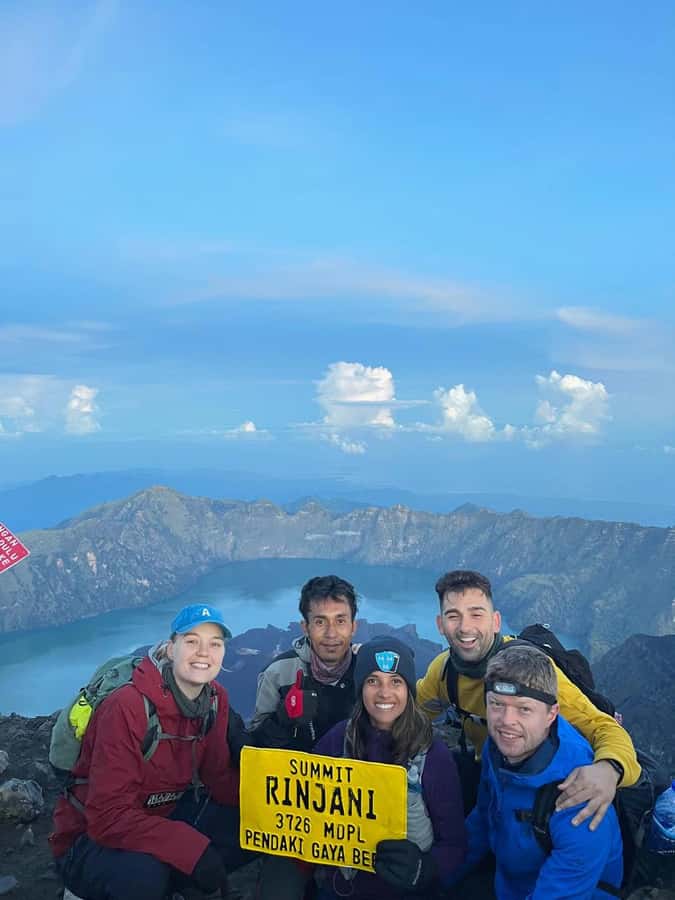
This tour includes a trekking guide and porters to carry cooking gear and camping equipment. You’ll feel the difference.
Several guide names have been associated with this hike—Cakra, Anji, Reno, and Djordan—and the consistent theme is that they keep things moving while still making the experience fun. On the hardest paths, especially the dark summit climb, having that constant support helps you keep your footing and your pace.
Porters also show up as a major part of the value. Meals are cooked for you while you hike. In at least one account, the food is described as surprisingly delicious with big portions, and you’re grateful later when you realize they carried the cooking equipment up with them.
What I’d Pack (Based on What Actually Helps Up There)
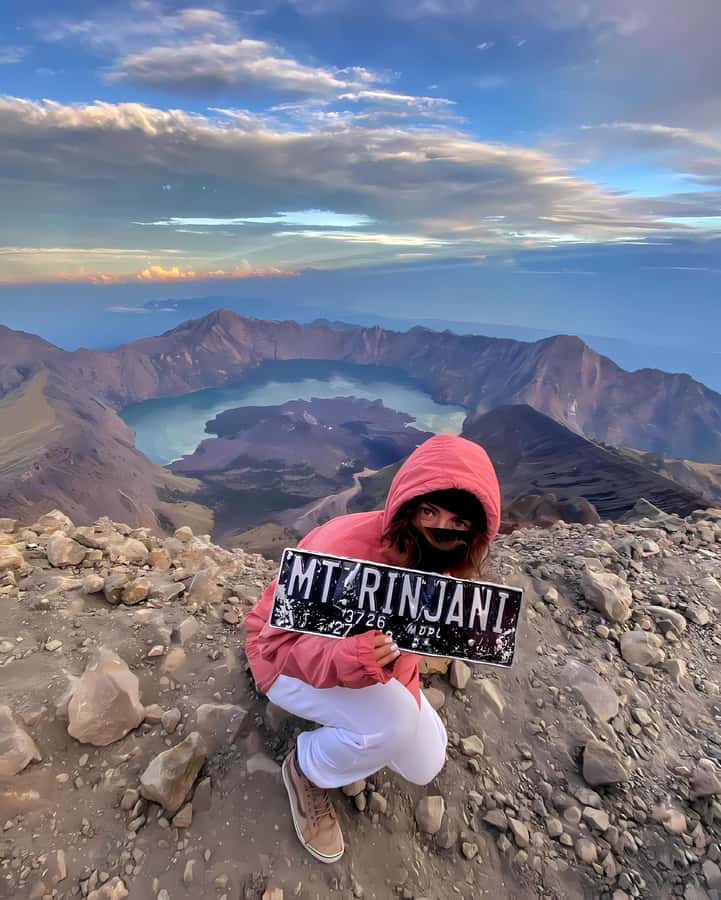
You’ll be climbing and camping at altitude and in dusty conditions. Your packing list should support that.
Essentials to prioritize
- Flashlight (and ideally your own headlamp system)
- Gloves and long pants (dust + cold nights)
- Hiking shoes (good tread matters; sand and gravel are real)
- Jacket and rain gear (weather can shift)
- Hat and camera
- Power bank (for summit photos and phone battery survival)
Smart extras
- A mask or something to protect you from dust, especially if you’re sensitive
- Personal medication and anything you need for altitude-related comfort
Bring your passport
It’s on the provided list, so don’t assume you can leave it behind.
Price and Value: Is $141 a Good Deal?
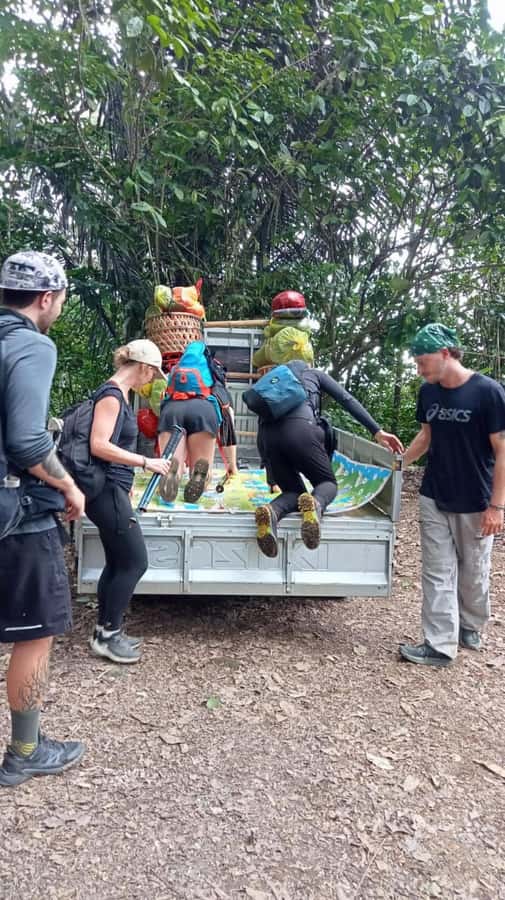
At $141 per person, this tour is priced in a way that feels fair for a guided, supported 2-day trek. The standout value items are:
- Pickup and drop-off from Senaru or Sembalun
- An English-speaking guide
- Porters for cooking and camping equipment
- Camping setup: tents, sleeping bags, mattress, and toilet facilities
- Food and drinking water during the trek (including 3 liters of mineral water per day/person)
The two costs to mentally account for:
- National park entrance fee: IDR.200,000 per day per person (not included)
- Your own gear: flashlight/headlamp, footwear, and trekking clothing basics (not included)
If you were planning a DIY trek, you’d still need permits, guiding help, and camping support, and you’d likely end up paying similarly once you factor in logistics. The guided structure is what makes this feel like a smooth climb instead of a stressful puzzle.
Who This Trek Suits Best (And Who Should Rethink It)
This trek is demanding. It has altitude, early mornings, and sand/gravel sections that get tiring fast.
You’ll likely enjoy it most if you:
- Can handle long walking days and a very early start
- Want sunrise and sunset views as the main event
- Prefer having porters handle most camping logistics
- Like structured guidance on a route with challenging footing
Not suitable if you:
- Are pregnant
- Have altitude sickness concerns
- Are over 70 years
If altitude is borderline for you, be honest about your history and talk to a medical professional before going.
Practical Tips That Make the Difference
Here are a few things that directly improve your experience on this specific trek:
- Wear long pants and gloves. Dust and cold make both feel more essential than you expect.
- Expect the summit route to be sand/gravel. Tread and footing matter more than speed.
- Don’t treat the night climb like a casual walk. Plan for darkness and fatigue.
- Bring extra batteries for your flashlight/head torch.
- If weather is questionable, understand that your best-view outcome is tied to clear skies. You can’t control that, but you can control preparation.
Should You Book This Mt. Rinjani 2-Day Trek?
I’d book this trek if your goal is summit sunrise plus crater rim views, and you want a setup that handles camping gear and meals for you. The included porters and camping equipment are a big deal. They let you focus on the hike and the views instead of turning the trip into a gear-transfer project.
Skip it (or research alternatives) if you’re worried about early-night starts, altitude stress, or you don’t want to carry the basics like a flashlight and proper clothing. Also budget for the national park entrance fee.
If you’re prepared and you pick your start base (Senaru or Sembalun) based on where you’re staying, this is one of those rare hikes where the itinerary is built around the moments you actually came for.
FAQ
Do I get picked up and dropped off?
Yes. You’ll be picked up from your hotel in Senaru or Sembalun and dropped off back at Senaru or Sembalun.
What time do we start the summit trek?
You wake up at about 1:30 a.m., then start trekking toward the summit for sunrise. The summit push usually takes around 3 hours, depending on your pace.
Do I need a flashlight or headlamp?
Yes. The summit trek is done in the dark, and you’ll need a flashlight for that section. Head lamps/flashlights are not listed as included.
Is the national park entrance fee included?
No. The national park entrance fee is listed as not included: IDR. 200,000 per day per person.
What camping and toilet items are provided?
The tour includes tents, a toilet tent, toilet paper, and sleeping bags and mattresses for the overnight.
Who should avoid this trek?
It’s listed as not suitable for pregnant women, people with altitude sickness, and people over 70 years.