REVIEW · CUSCO
4-Day Lares Trek to Machu Picchu from Cusco
Book on Viator →Operated by Bamba Travel · Bookable on Viator
Machu Picchu starts with mountain mornings. What makes this trip feel special is the mix of small-group trekking and the human side of the Andes, from mountain communities to a chef who turns campsite meals into a highlight. I also really like the professional bilingual guidance you get along the trail, plus the focus on getting you to Machu Picchu with time to actually see it well.
One thing to consider: the itinerary hits serious altitude, with long days around 4,000m+, so you’ll want a solid fitness base and warm gear.
In This Review
- Key things that make this trek work so well
- Price and logistics: what you’re really paying for in $847
- Cusco to Lares: why this trek starts with community, not just views
- Day 1: Cusco pickup, Lares hot springs option, and the climb to Wakawasi
- Day 2: Ipsayccocha Pass at 4,400m, lakeside lunch, and Patacancha llama-country
- Day 3: the walk to Ollantaytambo and the train into Aguas Calientes
- Day 4: the 05:30 bus to Machu Picchu and a guide-led two-hour walk
- Food and camp setup: where the trek really surprises you
- Guides, safety, and the small-group feel (including Percy)
- What you should pack and how to pace your body
- Who should book this Lares trek, and who should think twice
- Should you book this trek to Machu Picchu?
- FAQ
- Is this a small-group tour?
- Do you offer a vegetarian meal option?
- Do I need to bring a sleeping bag?
- What optional hikes are available besides Machu Picchu?
- What time is the Machu Picchu bus?
- Is this tour refundable if I cancel?
Key things that make this trek work so well
- Small-group size (max 15, avg 4) means the pace feels personal, not rushed
- A real local bilingual guide helps you manage altitude, navigation, and context
- Camping plus a stocked 3 night in Aguas Calientes keeps the middle days comfortable
- Meals are a priority, with a vegetarian option available if you plan ahead
- Horses carry cooking/camping gear and set limits for your load, so you hike more than you haul
- Early Machu Picchu bus at 05:30 gives you the best shot at misty views and less crowd chaos
Price and logistics: what you’re really paying for in $847
At $847 per person, this is not a bargain-style add-on. You’re paying for a lot of moving parts: buses, a tourist train, guided time at Machu Picchu, camping setup, and meals for multiple days. When you break it down, the value mostly comes from how much the operator handles for you—especially the logistics between trekking, camping, and the Machu Picchu visit.
Here’s what’s included that matters day-to-day:
- Round-trip train Ollantaytambo to Aguas Calientes
- Round-trip bus Aguas Calientes to Machu Picchu
- A guided Machu Picchu visit with a walking tour
- Camping with a tent and basic mattress for 2 people (so you don’t need your own camping system)
- A 3 hotel night in Aguas Calientes
- A professional bilingual guide on the trek and the Machu Picchu tour
- Meals across the trek days, with snacks built in
- Safety gear: first aid kit plus emergency oxygen bottle
- Horses that carry cooking/camping equipment, with a total load system for your group (including limits on what you personally carry)
What you should budget separately:
- Your sleeping bag rental (listed as $15 USD for the trek)
- Hot springs in Lares Town (10 soles) if you want to do it
- Bottled water on the trek and your day 1 breakfast and day 4 lunch
- Optional hikes (Huayna Picchu, and possibly a Machu Picchu mountain hike)
- Tips, which are optional but common in Latin America
- Your Cusco accommodation (pickup exists, but drop-off in Cusco is after the trip)
Also, this runs Monday, Wednesday, and Saturday. If you’re flexible, that helps. If you want a specific date, confirm availability early.
You can also read our reviews of more tours and experiences in Cusco.
Cusco to Lares: why this trek starts with community, not just views
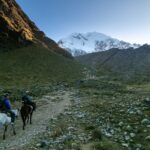
The magic of the Lares route is that it feels like living Andes, not a scenic photo line. You start with a transfer from Cusco early, then climb into higher valleys where you’re hiking through rural communities and farmland rather than just chasing distant lookouts.
This is a multi-day trek with a real guide on the ground, and that matters. At altitude, it’s not only about distance—it’s about how you pace yourself, when you pause, and how you handle breathing. A strong local guide also adds context that you’d miss if you were just following a trail map.
I especially like that the plan includes time to connect with the place you’re passing through. On day one, you camp in the Wakawasi community area, which sets the tone: this isn’t only about getting to Machu Picchu. You’re learning the route as you go.
Day 1: Cusco pickup, Lares hot springs option, and the climb to Wakawasi
Your day begins with an accommodation pickup around 6:00 am in Cusco. You’ll ride by van/bus to Lares Town (about 2,900m), where you have time to settle in before hiking.
If you want hot springs, you can add it in Lares Town for an extra cost (10 soles). This is one of those choices that can make tomorrow easier—warm water can help your legs relax before you start climbing.
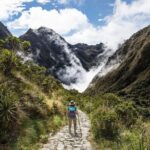
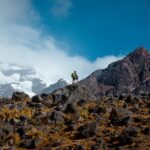
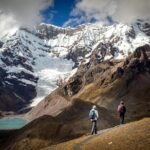
Then the trek starts: a roughly 6-hour hike with zigzag climbing to Wakawasi (around 3,850m). The route is described as offering views of glaciers, wildlife, and local communities. You’re also likely to notice how quickly the air feels different as you gain elevation.
When you reach Wakawasi, you camp. The campsite location is part of the appeal: you’re not sleeping in a generic scenic spot. You’re in a community setting, which gives the day a grounded feel.
What to watch: day 1 is mostly about getting used to altitude without sprinting. If you go too fast, your breathing will tell you early.
Day 2: Ipsayccocha Pass at 4,400m, lakeside lunch, and Patacancha llama-country
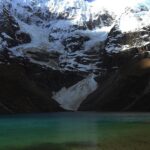
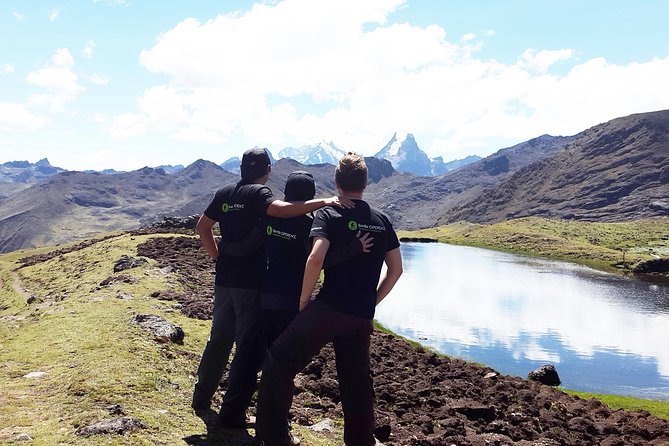
Day two is where you earn your Andes bragging rights. It starts with an uphill trek of about 4 hours, crossing Ipsayccocha Pass (around 4,400m). That height is no joke, even if you’re a fit hiker. Your goal here is steady effort, not speed.
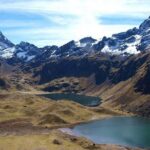
After the pass, you descend for about 40 minutes to your lunch stop near the lake. This break is more than a meal. It’s where the day shifts from climb-focused to scenery-focused.
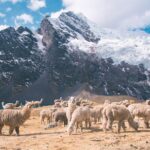
From there, you continue around 3 more hours to Patacancha town (about 3,800m) and camp nearby. The area is described as surrounded by llamas and alpacas, with native crop plantations around you. This kind of setting is exactly why people choose alternative routes: you get the Andes in a lived-in way.
What to watch: pass day usually brings unpredictable weather. Even if it’s sunny at the start, conditions can change quickly at elevation. Pack for cold wind.
Day 3: the walk to Ollantaytambo and the train into Aguas Calientes
After two big trekking days, day three still has movement—but it transitions you from mountain hike mode into Machu Picchu logistics.
You start from Patacancha (about 3,800m) and hike for around 4 hours toward Ollantaytambo. Then you’ll have lunch and board a train to Aguas Calientes.
A few practical notes:
- You’ll be with your guide for the trek portion, but transfers on the train/bus don’t come with a guide accompanying you on those segments. You’ll get instructions for what to do next.
- Once you arrive in Aguas Calientes, you spend the night at a 3* hotel. This is a comfort upgrade compared with camping and helps your body recover before Machu Picchu day.
After check-in, the plan includes time to wander around town. You’ll find shops, cafes, and internet spots where you can organize your morning. Your guide also meets you to go over what to expect next.

Day 4: the 05:30 bus to Machu Picchu and a guide-led two-hour walk
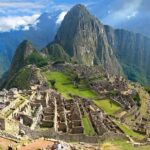
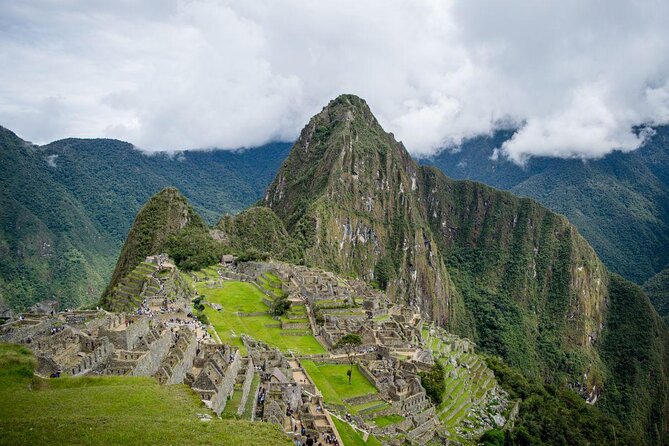
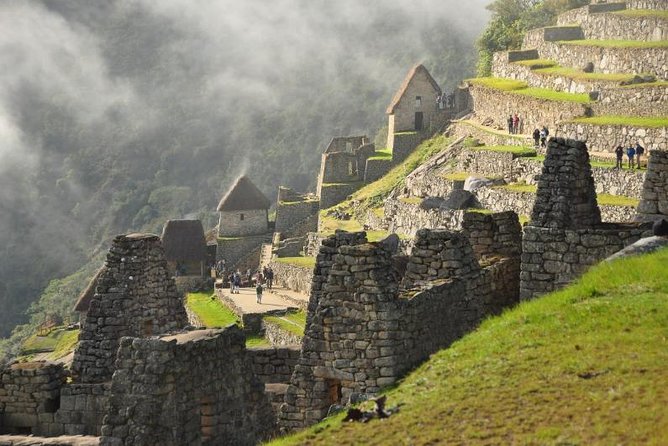
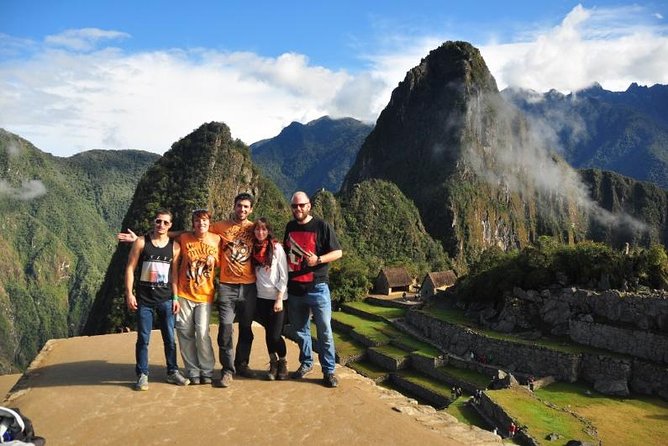
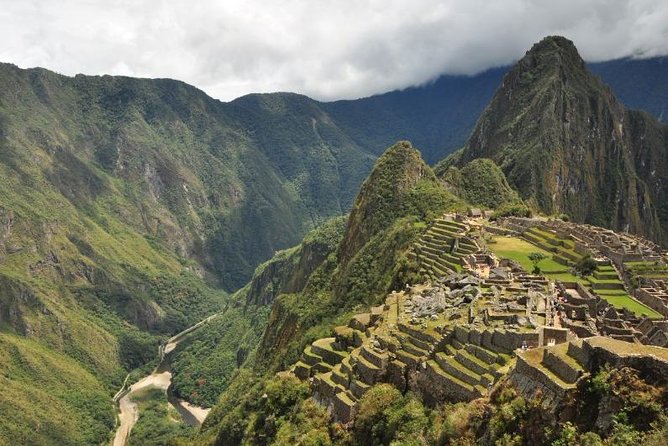
Machu Picchu day is timed for early morning. You catch one of the first buses at 05:30, with about a 25-minute ride up to the site. The early start is about the light and the mist—when it clears, the place looks unreal.
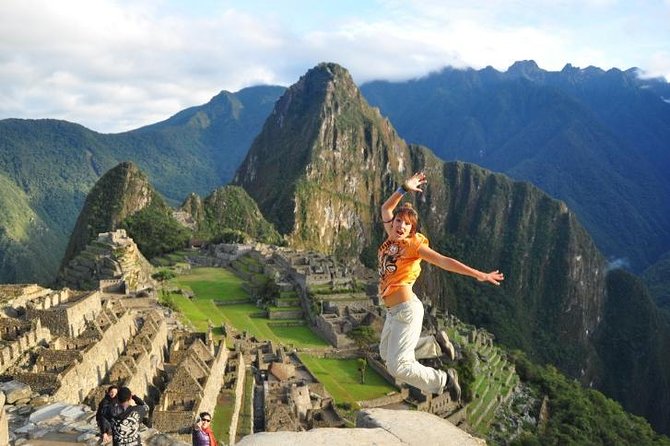
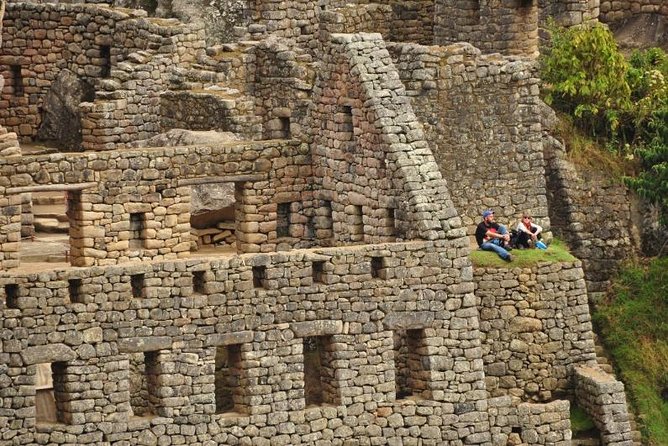
Once at the sanctuary, you get a walking tour of about 2 hours with your guide. This is the part that’s hard to replicate alone, because you’re moving through key areas with explanations that give you a map in your head. You’ll also get free time afterward to explore on your own and take photos at your pace.
If you’re feeling energetic, there’s an optional climb inside the Machu Picchu area: Huayna Picchu. It’s about 45 to 60 minutes up and can be muddy. The important part is the ticket system: you need to request and purchase in advance. You’re told to secure it at least 2 weeks ahead for 400 passes—200 people for the 7:00am slot and 200 for the 10:00am slot. You’ll need to email the operator to request the extra ticket.
After exploring, you take the bus back down to Aguas Calientes. You can visit the local market near the train station until the train whistle tells you it’s time to return to Ollantaytambo. Then you ride the bus back to Cusco, arriving around 8:00 pm. The drop-off is at Plaza San Francisco, so you’ll handle the last bit to your accommodation.
Food and camp setup: where the trek really surprises you
This trip does food like a real expedition, but without turning it into survival mode. There’s a cook responsible for preparing and serving meals and snacks, and the meals are planned fresh each day.
You’ll get:
- Breakfasts for the trek days
- Lunch and dinner on the trekking days
- A snack pattern that includes drinks and small bites
And yes, there’s a vegetarian option. The key detail: you should request it ahead of time (the info says at least 2 days in advance). That’s the difference between getting a good vegetarian meal and getting a last-minute substitute.
A few example meal types mentioned for the trek include hot porridge and eggs for breakfast, then soup-style first courses and hearty second courses like quinoa-based dishes and stews. Desserts include cakes and pudding-type options. In other words: you’re not eating only plain carbs to survive—you’re eating to enjoy the day.
Camp is also practical:
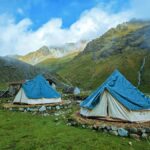
- Day 1 and day 2 camping includes tent accommodation and a basic mattress.
- Single travelers share a tent with another traveler; couples get their own tent.
- Day 3: single travelers share a room; couples get a private room.
One essential gear note: you’ll want a sleeping bag. The tour lists sleeping bag rental at $15 USD. If you don’t have one, plan to rent.
Also, you don’t carry everything. Horses carry cooking and camping equipment. There’s a weight system for the first 3 days, including the amount allowed for sleeping bag/mattress and personal items. That setup is what keeps the trek feeling more like hiking than hauling.
Guides, safety, and the small-group feel (including Percy)
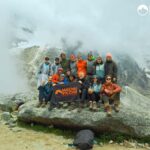
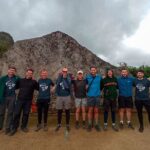
Small-group size is not just a marketing line here—it affects how the day feels. With max 15 and an average around 4, you get enough group energy to coordinate logistics, but not so many people that you’re constantly waiting.
The guide experience is a big deal. One review highlighted Percy as the guide, calling him experienced, funny, helpful, and considerate, with very good English. I take that as a good sign you’ll get more than directions—you’ll get someone who reads the group and keeps things moving at the right tempo.
Safety is also addressed in the basics:
- A first aid kit is included
- Emergency oxygen is included
- You get a mandatory pre-departure briefing the evening before the trek, which covers what to bring and confirms departure details.
That briefing happens at 6:00 pm in Cusco at Calle Matara 242, Second Floor. It’s worth treating it like a prep meeting, not a formality.
What you should pack and how to pace your body
Even though the days are structured, your comfort will come down to what you wear. The tour stresses that most hiking is above 4,000 meters, so warm layers are key.
From the suggested packing list, I’d focus on:
- Rain protection: rain pants and a poncho (weather can be changeable)
- Trekking boots and warm socks
- Hat and gloves
- Sunscreen and sunglasses (altitude sun is intense)
- Hiking poles if you use them
- A flashlight/torch
- A few personal items in a waterproof bag if your camera matters
For day-to-day effort: go slower than you think you should on the first climbs. Altitude punishes overconfidence. If you find yourself breathless fast, you’re going too hard.
Who should book this Lares trek, and who should think twice
This is a great fit if:
- You want the Machu Picchu payoff but also care about the road getting there
- You like small groups and real guiding
- You’re comfortable hiking 6 to 8 hours on high-altitude days
- You want good meals and actual camp support rather than roughing it
Think twice if:
- You’re prone to altitude issues and you’re not prepared for 4000m+ hiking
- You hate very early mornings (Machu Picchu bus at 05:30)
- You want a fully independent trip with zero schedule constraints
Minimum age is 7, but remember the trek is difficult and you’ll need good physical condition.
If you want a little more buffer, the operator says an extra night in Aguas Calientes can be arranged. That’s useful if you don’t love tight timing.
Should you book this trek to Machu Picchu?
If you’re deciding between a quick route and a more meaningful Andes journey, I’d lean toward booking this one. The combination is strong: small-group hiking, a guide who can explain what you’re seeing, and a Machu Picchu visit that uses time wisely with a guided walk first and exploration after. Add solid meal support and a safety setup with oxygen, and the trek feels serious without being punishing.
You should book if you can handle altitude and early starts. If those are big question marks, you might want a gentler plan.
FAQ
Is this a small-group tour?
Yes. The group size is capped at 15 travelers, and the average group size is about 4.
Do you offer a vegetarian meal option?
Yes. A vegetarian option is available upon request. You should advise the operator at least 2 days in advance.
Do I need to bring a sleeping bag?
A sleeping bag is not included. Rental is listed at $15 USD for the trek.
What optional hikes are available besides Machu Picchu?
Huayna Picchu is optional and requires an additional ticket. It must be booked at least 2 weeks in advance for an extra cost. There is also an optional Machu Picchu mountain hike (at an extra cost) that must be booked at least 1 week in advance.
What time is the Machu Picchu bus?
You’ll take one of the first buses at 05:30, with about a 25-minute ride to Machu Picchu.
Is this tour refundable if I cancel?
No. The experience is non-refundable and cannot be changed for any reason.