REVIEW · CUSCO
Ausangate Trek 5 Days
Book on Viator →Operated by Vidal Expeditions · Bookable on Viator
Ausangate feels far from the usual tourist route. I like the small-group pace, where your guide can actually slow down and explain what you’re seeing. I also love that all-inclusive meals keep you fueled so you can focus on the passes, the lagoons, and the spiritual moments around Apu Ausangate.
One thing to plan for: altitude days stack up fast, and nights can get very cold. If you don’t already have a warm sleeping bag, you’ll need to budget for one.
Key things I’d clock before you go
- Small group (max 10) with a real trekking team: guide, cook, horse driver, and support
- Hot springs twice: Upis on Day 1 and Pacchanta on Day 4
- High passes that hit about 4,850m, 4,980m, and a peak day at 5,200m
- Meals are truly built in: breakfasts plus packed days with lunch, and dinners at camp
- Cultural ceremonies: one at a high pass for Apu Ausangate, plus a Day 5 family food and weaving experience
In This Review
- Ausangate Trek Basics: Cold Nights, High Passes, and Small-Group Comfort
- 5:00 am Cusco Start to Tinke and Rondoca: The Trek Gets Serious Early
- Day 1 Upis Hot Springs: Your First Camp at 4,200m (and Why It Helps)
- Day 2 Arapa Pass to Jatun Puqa Q’ocha: Green Lake, Turquoise Water, Then a Big Climb
- Day 3 Palomani Pass at 5,200m: Apu Ausangate Ceremony in Thin Air
- Day 4 Deep-Blue Lagoons to Pacchanta Hot Springs: One Pass, Big Views, Real Recovery
- Day 5 Local Food and Weaving Ceremony, Then Back to Cusco
- Food, Gear, Horses, and the Trek Team: What You’re Actually Paying For
- Price and Logistics: The Value Case for $660
- Should You Book Ausangate Trek 5 Days with Vidal Expeditions?
- FAQ
- What time does the trek start?
- How many days is the Ausangate Trek?
- What group size should I expect?
- Are meals included?
- Is camping equipment provided?
- Do I need to bring a sleeping bag?
- What is the highest point on the trek?
- Are hot springs part of the trek?
- Is there an entrance fee, and what if the trek can’t run due to weather?
Ausangate Trek Basics: Cold Nights, High Passes, and Small-Group Comfort
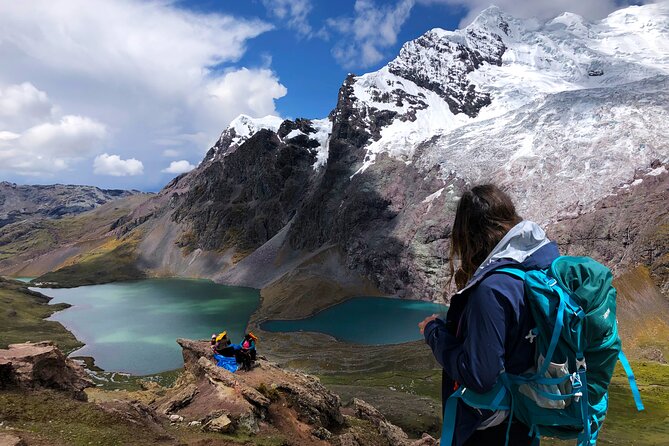
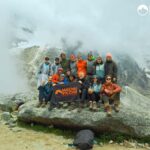
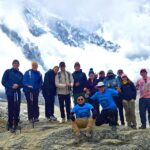
This is a 5-day trek out of Cusco, run as a small-group experience with a maximum of 10 people. What I like about that size is simple: you’re not stuck in a long line. You can keep your rhythm, stop when you need to, and actually hear the guide talk about the places you’re walking through.
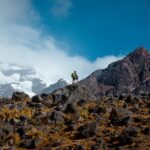
Physically, this is for people with moderate fitness. You’re hiking mostly uphill, often at high altitude, with a mix of long walking days and big elevation gains. The passes alone show you the tone: Day 2 works you up to about 4,850m and 4,980m, and Day 3 goes to 5,200m at Palomani Pass. That’s not a casual hike.
The other practical point is gear. Camping equipment is included, but a sleeping bag is not. Reviews also point out that evenings and overnights can feel as cold as the Himalayas, so bring your warmest mountain sleep system you have—or plan to buy/rent one.
5:00 am Cusco Start to Tinke and Rondoca: The Trek Gets Serious Early
The day begins with an early meeting time: 5:00 am. You go by private transportation from Cusco to Tinke, and you’ll stop there to grab last-minute supplies. If you need a quick breakfast before the trail, this is your window.
Then you continue to Rondoca, where you meet the trekking team. From there, the first walking day starts gently enough to get your legs working, but high enough to remind you you’re not at sea level. Expect a warm-up hike of about 2 hours before lunch, with the Apu Ausangate mountain showing up as a constant presence in the background.
This early start matters. Higher-altitude walking is easier when the sun is up and weather holds. It also gives you daylight time for reaching camp at a manageable pace.
You can also read our reviews of more tours and experiences in Cusco.
Day 1 Upis Hot Springs: Your First Camp at 4,200m (and Why It Helps)
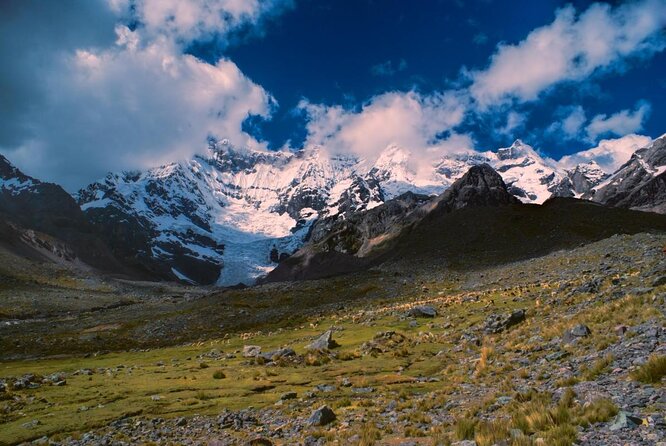
Day 1 covers around 8 km (3 miles) and roughly 3–4 hours of hiking, moving between about 3,800m and 4,200m. You’ll walk for a couple hours, stop for lunch, and then keep going to camp.
The big payoff on Day 1 is less about distance and more about recovery. Once you reach the village of Upis and your camp, you get access to hot springs. You soak your muscles while enjoying coca tea—then dinner follows.
I like this setup because it gives you a built-in altitude recovery rhythm. You don’t just walk all day and hope for the best. You get warmth, relaxation, and a chance to settle your breathing before the next long day.
Day 2 Arapa Pass to Jatun Puqa Q’ocha: Green Lake, Turquoise Water, Then a Big Climb
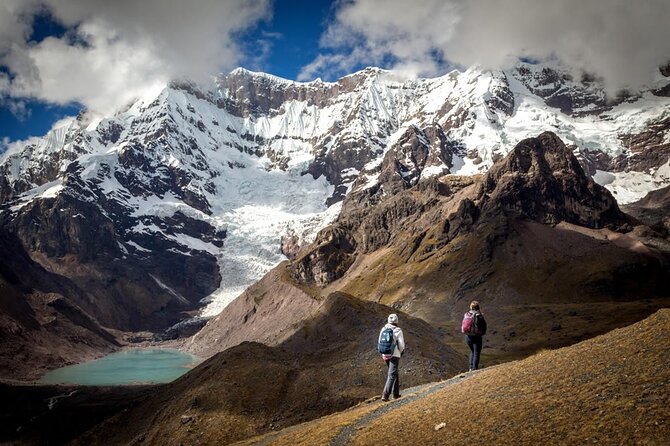
Day 2 is the first long push. You hike about 12 km with around 7 hours of hiking, and you climb and descend between camps at roughly 4,200m up toward 4,930m, with camp at about 4,630m.
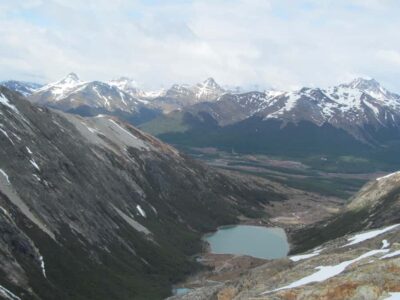
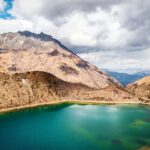
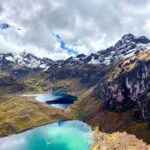
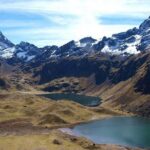
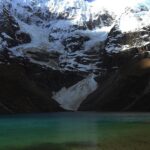
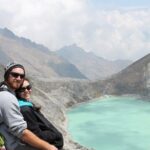
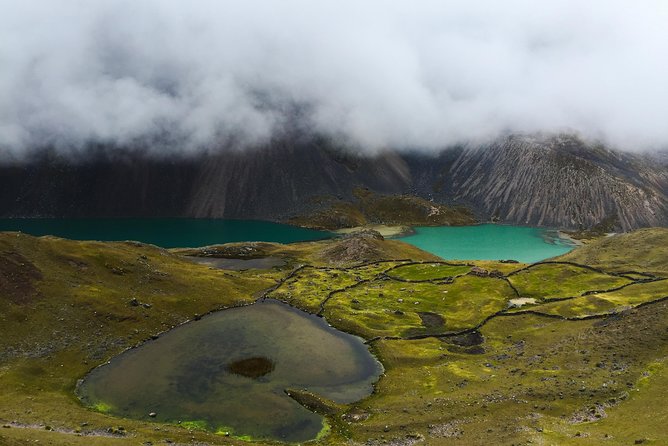
The day starts with a hot coca tea wake-up, then breakfast, then hiking begins in earnest. You cross the Arapa pass (4,850m / 15,908 ft). After the pass, you descend into the valley and pass the green lake of Puqa Q’ocha, then reach Laguna Jatun Puqa Q’ocha, described as turquoise blue with outstanding views.
What makes this day special is the sequence of color and viewpoint changes. You’re not only walking beside water—you’re changing elevations that make those lakes look like different places. It’s also a great day for photos if you’re willing to pause often. You’ll have lunch near the lake, with time to explore the area.
Then comes the second pass: Apacheta (4,980m / 16,338 ft). After that, you descend toward Ausangate Qocha and hike for about an hour before camping.
If you tend to get hit hard by altitude, Day 2 is where you should take your pace seriously. Go slower than you think you should at the passes. You’ll feel better later, not just immediately at the top.
Day 3 Palomani Pass at 5,200m: Apu Ausangate Ceremony in Thin Air
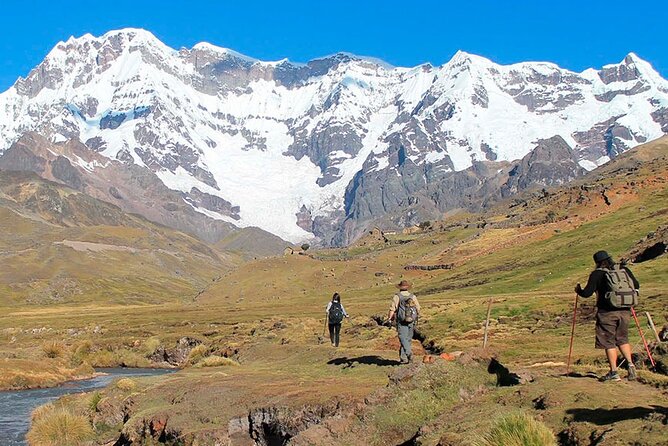
Day 3 brings the highest pass on the trek: Palomani Pass at 5,200m (17,060 ft). You’ll hike about 6–7 hours total over around 13 km, with elevation shifting from roughly 4,600m up to 5,200m and then down to around 4,300m.
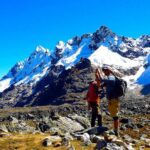
The ascent to the pass takes about 2 hours. Once you’re up there, your guide conducts a ceremony for Apu Ausangate. This is one of the moments that makes the trek feel more than just scenic hiking. You’re in a place where local people connect the mountain to living belief and local identity, and the guide helps you understand what you’re standing in.
After the ceremony, you descend for about an hour to lunch in Uchuy Phinaya. In the afternoon you hike a couple more hours to reach your next campsite.
I like the flow here: a big effort, a meaningful pause at the top, and then real recovery time with lunch. It also helps you avoid rushing, because the structure is already built for you.
Day 4 Deep-Blue Lagoons to Pacchanta Hot Springs: One Pass, Big Views, Real Recovery
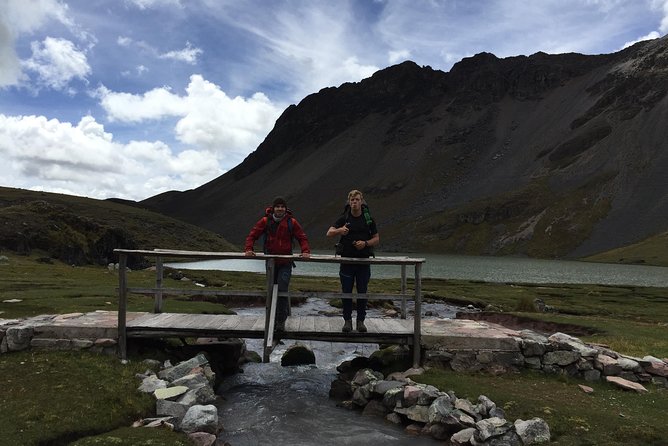
Day 4 is listed as a 6-hour day, but the distance is longer—about 15 km—so think of it as steady walking with plenty to look at. You’ll move around 4,300m by camp, and you cross only one pass today, with the emphasis on lagoons and glacial-colored waters.
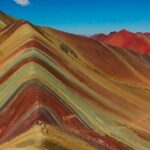
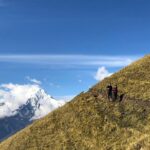
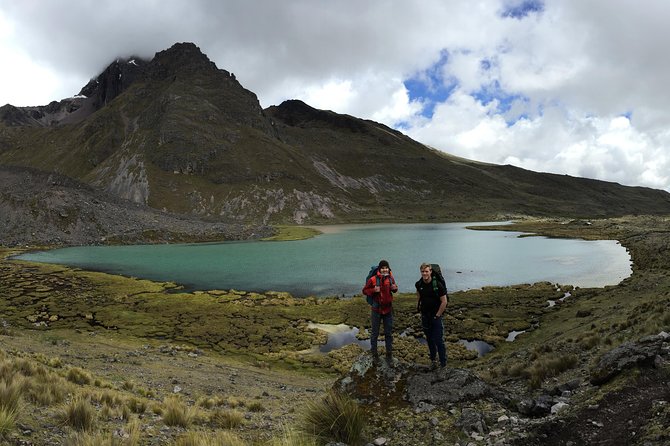
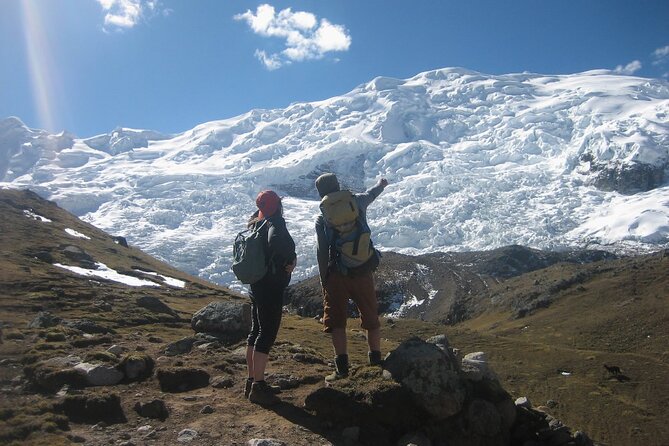
The trail takes you past deep blue lagoons and alpine lakes with glacial hues. You’ll keep seeing the massive Ausangate mountain, but from new angles, plus views toward Pacchanta Valley.
There’s also a fun optional moment: you can jump in to cool off if you feel brave. Real talk: only do this if you’re comfortable in cold water and you can handle slippery terrain. When you’re already at altitude, your body wants safety, not hero moments.
The best part is the destination: the hot springs of Pacchanta. You’ll soak with views of Ausangate above, which is the perfect “soft landing” before the final day of trekking.
This day also makes a difference mentally. By Day 4, you’ve already done the hard altitude work. Hot springs turn that fatigue into something manageable.
Day 5 Local Food and Weaving Ceremony, Then Back to Cusco
On Day 5 you’re not finishing with a long hike. After breakfast, the day focuses on culture. You’ll have a ceremony with a local family where you learn about traditions through local food preparation and weaving techniques.
This is one of the more human parts of the trek. You’re not just consuming the mountain experience. You’re seeing how people live nearby and how craft, food, and ritual connect to place.
After the family time, you take a bus back to Cusco. The drive is about 3 hours.
This is also where you get to notice changes in your body and mood. For many people, the last day feels easier because the trekking pressure is gone—but you’ll still feel the altitude from the previous days.
Food, Gear, Horses, and the Trek Team: What You’re Actually Paying For
At $660 per person, this trek can feel like a serious cost—until you break down what’s included and what it avoids.
Included:
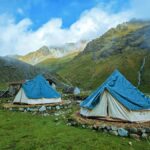
- Camping equipment
- Horses for equipment
- Meals: lunches (5), dinners (4), and breakfasts (4)
Not included:
- Entrance fee (20 soles)
- Sleeping bag
The horse support matters. It means your pack is lighter than it would be on a fully self-supported trek. That can be the difference between feeling strong at Day 3 versus feeling wrecked early.
And the meals are not just token fuel. A trekking team includes a cook and assistants who run a camp kitchen. In accounts from past hikers, the food is repeatedly described as generous and hot, with a pace that keeps you from dragging yourself through long walking stretches.
Finally, you’ll be working with a real crew, not just a guide. Past experiences reference guides like Chino and Guillermo (and also Urbano), with support from people like Benigno (cook) and Angel (horse driver), and assistant cook names like Euden and José showing up in crew notes. You can expect that team rhythm on the trail: they move gear, set camp, and keep things running so you’re hiking—not managing logistics.
Price and Logistics: The Value Case for $660
Here’s the value math I think makes sense for you.
You’re paying for:
- A guided route with high-altitude navigation through multiple passes
- Small-group handling (max 10), which usually means a better pace and fewer bottlenecks
- Full logistics: camp setup support, equipment transport via horses, and cooking
- Built-in comfort wins: hot springs and frequent meal stops
If you tried to replicate this yourself, the hidden costs add up fast: permits/fees, specialized gear rental (especially a sleeping bag suitable for cold nights), food planning, and the time needed to coordinate routes and staffing.
The one drawback in the price is also simple: the sleeping bag isn’t included, and you’ll pay the entrance fee. Still, most people who buy a proper sleeping bag once end up reusing it on future Andes trips, so it’s not only a one-off cost.
Overall, $660 feels like it’s aimed at people who want to suffer a little for the views, without suffering for logistics.
Should You Book Ausangate Trek 5 Days with Vidal Expeditions?
Yes—if you want a high-mountain trek that feels human, not crowded, and you’re okay with real altitude work. The combination of small-group pacing, meals included, hot springs, and cultural ceremonies at high places makes this more than just a photo hike.
Book it if you:
- Can handle moderate fitness and want a challenge that’s managed by guides and a strong crew
- Care about cultural meaning as much as scenery
- Appreciate comfort built into the route, like soaking after hard walking
Hold off if you:
- Don’t have a warm sleeping bag plan
- Know you struggle badly with altitude climbs and want a gentler option
If you do go, pack for cold nights and move slowly at the passes. You’ll enjoy the mountains more when you’re not racing your own breathing.
FAQ
What time does the trek start?
The meeting time is 5:00 am.
How many days is the Ausangate Trek?
It’s about 5 days.
What group size should I expect?
The tour has a maximum of 10 travelers.
Are meals included?
Yes. The tour includes 5 lunches, 4 dinners, and 4 breakfasts.
Is camping equipment provided?
Yes. Camping equipment is included, and horses for equipment are also provided.
Do I need to bring a sleeping bag?
Yes. A sleeping bag is not included, so you’ll need to arrange your own.
What is the highest point on the trek?
The highest pass is Palomani Pass at 5,200 meters.
Are hot springs part of the trek?
Yes. You’ll soak in hot springs in Upis (Day 1) and at Pacchanta (Day 4).
Is there an entrance fee, and what if the trek can’t run due to weather?
There is an entrance fee of 20 soles not included in the price. If the trek is canceled due to poor weather, you’ll be offered a different date or a full refund. You can also cancel for a full refund if you cancel at least 24 hours before the experience starts.