REVIEW · CUSCO
5-Day Salkantay Trek to Machupicchu Sky Lodge Dome
Book on GetYourGuide →Operated by TERRA QUECHUA PERU · Bookable on GetYourGuide
Machu Picchu feels earned after five hard days. This 5-day Salkantay trek mixes big mountain effort with camp comfort (private sky lodge-style domes) and a very practical finish at Machu Picchu, including the first bus. Along the way, you’ll also get a real sense of the region’s mix of high Andean terrain, high jungle, coffee culture, and Inca trail viewpoints.
I especially like the private dome setup: your own bathroom and a hot shower change the whole mood after a long day. I also like the small-group feel (limited to 10) plus a bilingual guide and a full kitchen team—meals are handled, not improvised.
One consideration: don’t assume the Machu Picchu ticket details are handled quietly in the background. There’s been at least one case where the Machu Picchu ticket slot wasn’t fully sorted until right before departure, which forced a rushed change. If you book, take a moment before you start to confirm the Machu Picchu entry timing you’re expecting.
In This Review
- Key things you’ll remember
- Why this Salkantay trek feels different: domes, coffee, and sunrise logistics
- Day 1: Cusco to Challacancha, plus Humantay Lagoon and a Mother Earth ceremony
- Day 2: Soraypampa to the 4,650 m Salkantay high pass and snow views
- Day 3: Chaullay to La Playa via high jungle, the Lluskamayo River, and coffee culture in dome comfort
- Day 4: Llaqtapata viewpoint, Inca-trail walking, Hydroelectric lunch, and the track to Aguas Calientes
- Day 5: Aguas Calientes at 5:30 am, Machu Picchu with a 2-hour guide, and optional Huayna Picchu
- Guides, cooks, and the support crew: where the comfort comes from
- What to pack (and what to plan for when you’re not carrying everything)
- Price and value: what $700 buys you, and the one risk worth checking
- Who this trek fits best (and who should skip it)
- Should you book the 5-Day Salkantay Trek to Machu Picchu Sky Lodge Dome?
- FAQ
- How long is the trek?
- Where do you sleep during the trek?
- Are meals included?
- Does the price include Machu Picchu tickets and the bus up?
- What time do you go to Machu Picchu?
- Can I climb Huayna Picchu?
- What are the baggage rules during the hike?
- What should I bring?
- Can I cancel and get a refund?
Key things you’ll remember
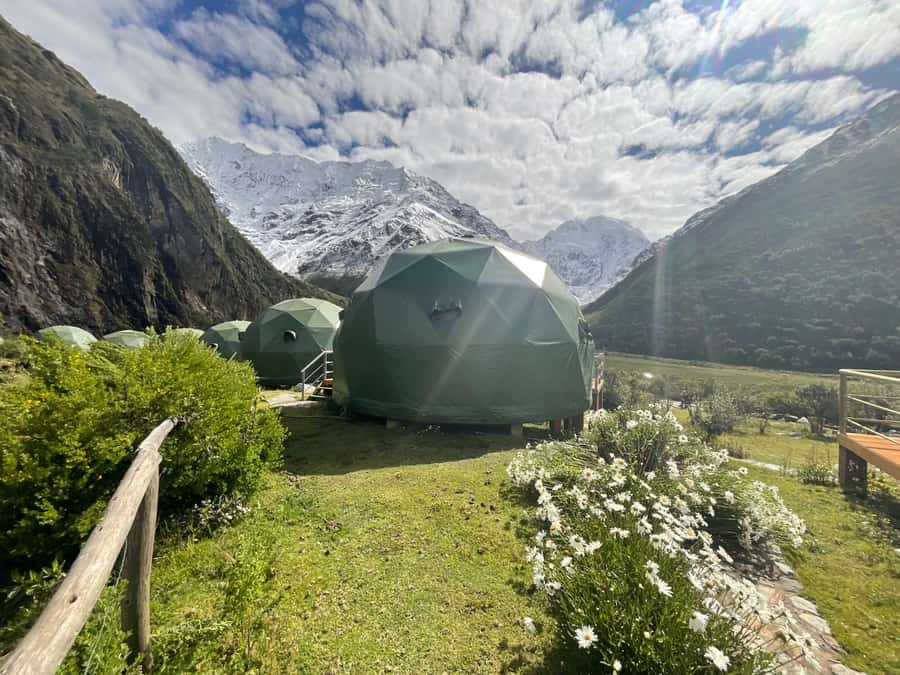
- Luxury dome camping with private bathroom and hot shower for the nights on the trail
- Crossing the 4,650 m Salkantay high pass for big snow-and-mountain views (with weather reality)
- High jungle trek to a coffee plantation camp, with hands-on coffee steps like harvest, roast, and grind
- Llaqtapata timing that gives you an early Inca-trail taste and your first Machu Picchu sight
- First bus to Machu Picchu (5:30 am) plus a guided 2-hour tour before free exploring
- Support for your load: horses/mules carry gear and food, and they also manage luggage up to 7 kilos per person
Why this Salkantay trek feels different: domes, coffee, and sunrise logistics
Most Salkantay treks are either fully rugged or only lightly comfortable. This one aims for the sweet spot: challenging trekking, but with camp conditions that don’t feel like punishment every night.
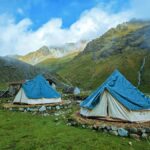
The dome nights are the big comfort lever. You’re not sharing common bathroom setups or relying on cold water after a wet day. That matters because your next morning starts early, and you’ll want to wake up warm enough to move.
And then there’s the Machu Picchu strategy. You go on the first bus (leaving Aguas Calientes around 5:30 am), which is the difference between seeing the city in morning light versus spending your day fighting crowds and heat. Add the included 2-hour guided walkthrough, and you get context before you wander.
Value-wise, $700 per person can look “high” until you see what’s included: guide, meals (almost every meal), dome lodging, Machu Picchu tickets, bus up, and the train back. You’re paying for fewer moving parts, not just for walking.
You can also read our reviews of more tours and experiences in Cusco.
Day 1: Cusco to Challacancha, plus Humantay Lagoon and a Mother Earth ceremony
Your morning starts with pickup from your Cusco hotel, usually around 4:30–5:00 am. From there, it’s a van ride toward Mollepata (about 2 hours), breakfast on the way, then more transport to Challacancha (about 40 minutes). This early start is normal for altitude treks, but it’s also your first preview that the schedule will be firm and efficient.
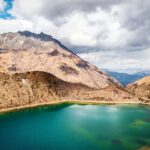
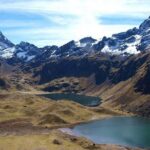
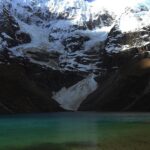
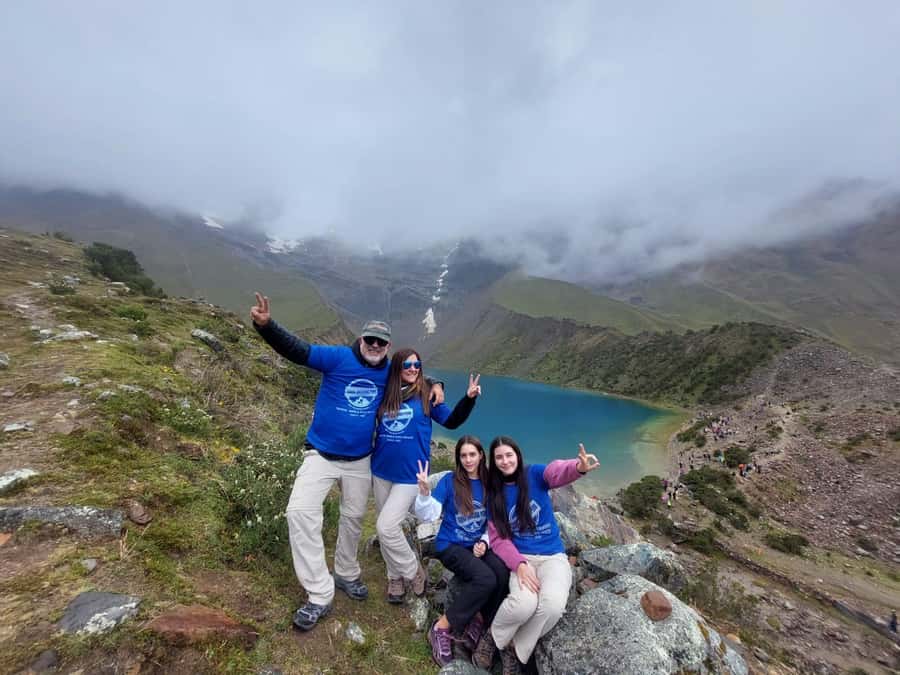
Once you start hiking, the day includes a visit to Humantay Lagoon. This is a classic add-on for a reason: the lagoon sits in a striking Andean setting, and the view makes the first day feel like more than just getting into trekking mode. It also helps you ease into the altitude rhythm with a scenic focus instead of only counting steps.
You’ll spend the night in domes. An Andean ceremony of offering to Mother Earth is included on day one as well. It’s not just “a ritual for photos.” It’s part of how guides frame the trek as a relationship with the landscape you’re moving through—especially helpful when you’re about to hit steep, high-country terrain for several days.
Practical note: warm layers matter early. Even if the daytime feels manageable, evenings in domes can chill fast.
Day 2: Soraypampa to the 4,650 m Salkantay high pass and snow views
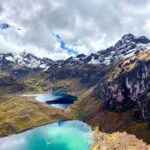
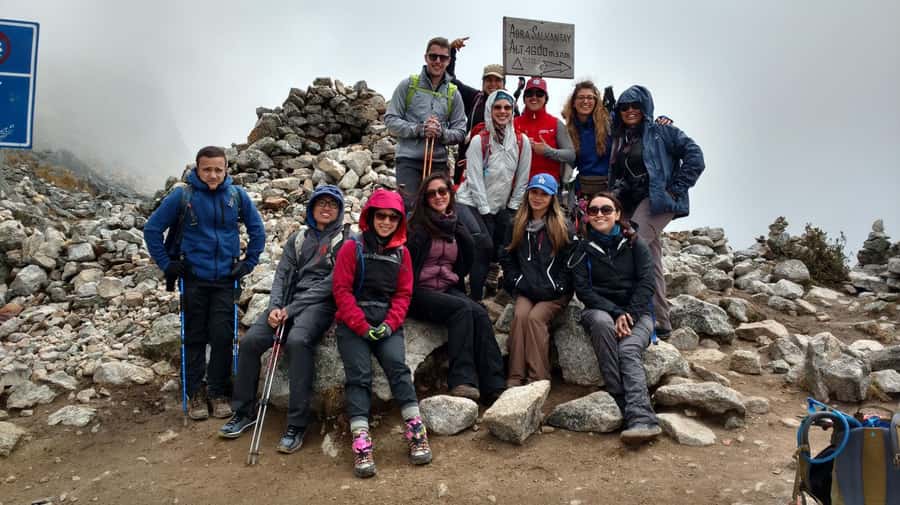
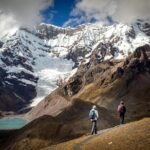
Day two is where the trek earns its reputation. After breakfast around 5:30 am, you hike toward the highest pass: 4,650 m / 15,200 ft. The pass sits between two massive mountains: Salkantay and Tucarhuay.
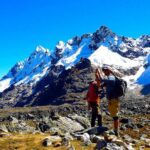
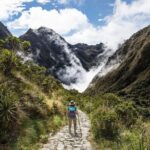
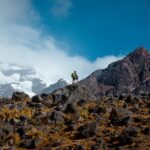
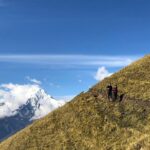
From the pass area, the views are the point. Expect dramatic snow-capped scenery when weather cooperates. The altitude itself also becomes part of the experience—slow pace, steady breathing, and a lot of respect for your own limits.
This day is ideal if you like effort with payoff. It’s also a day where the pace and coaching from your guide matter. A professional bilingual guide helps you keep your energy for the descent that follows.
One drawback to plan for: the high pass can be a “weather gamble.” You might see snow, or you might get fog and colder wind. Either way, pack for it. The trek isn’t only about endurance—it’s about being ready for changing conditions at altitude.
Day 3: Chaullay to La Playa via high jungle, the Lluskamayo River, and coffee culture in dome comfort
After breakfast around 6:30 am, you head into a different world: the high jungle. The route crosses the Lluskamayo River and follows streams as you work toward Playa, with about 4 hours of walking.
This is one of the most satisfying day-to-day changes on the itinerary. You start the morning thinking in mountain terms, then you shift into a wetter, greener rhythm where the sounds and air feel different. It’s not just pretty; it’s also a psychological reset after a high-pass day.
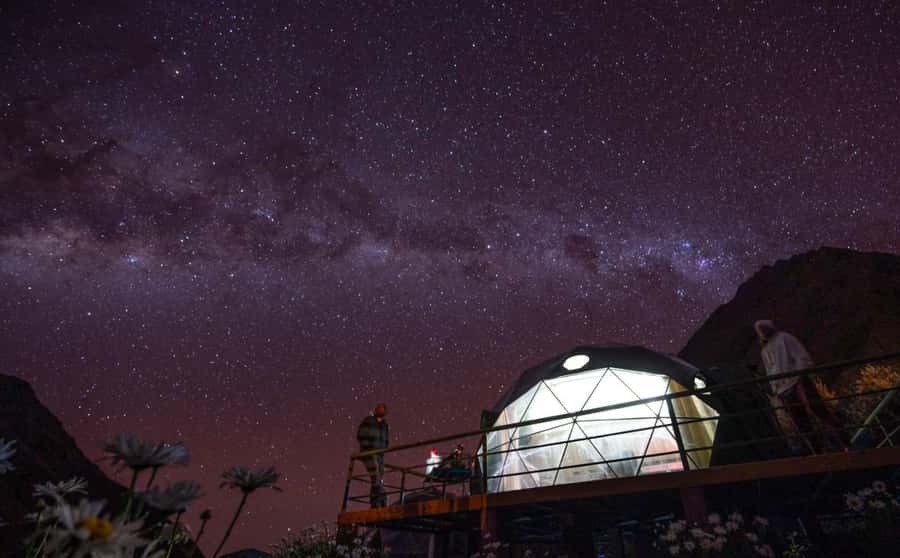
You’ll camp in geodesic domes at a coffee plantation. This camp stop is more than “sleeping near plants.” You learn the coffee process as part of the trek: harvesting, roasting, and grinding. It’s a tangible way to connect the landscape you walked through to what locals produce and share.
If you like your travel hands-on (and not only scenic), this is the best kind of cultural stop: practical, sensory, and tied directly to where you’re sleeping for the night.
Day 4: Llaqtapata viewpoint, Inca-trail walking, Hydroelectric lunch, and the track to Aguas Calientes
Day four starts again around 6:30 am, with the goal of reaching Llaqtapata early. This is a strong moment for two reasons.
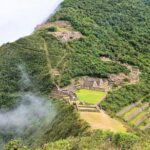
First, you walk part of the original Inca trail. Even if it’s only a section, it changes the feeling from “modern trek path” to “old route logic.” Second, you get a viewpoint over the Urubamba Valley, with Salkantay in the background and your first clear sightline toward Machu Picchu.
The itinerary also includes an interaction with people who live in the area, plus a chance to harvest fruits. These are the kinds of details that make the day feel real instead of staged.
After the viewpoint time, you go to Hydroelectric for lunch, then continue with about 2.5 hours of walking along the train track toward Aguas Calientes. It’s a long stretch, but it’s also straightforward. You’re moving downhill toward your final goal.
In Aguas Calientes, you sleep at a hostel for the night. If you want the classic decompression, you can use the town’s hot springs (entrance around 10 soles). It’s one of the best ways to reset your legs before Machu Picchu morning.
Important luggage detail: your duffel is carried for you until the third day. From day 4 onward, you’ll carry your own bags. That’s manageable, but pack smarter so you’re not hauling unnecessary weight on tired legs.
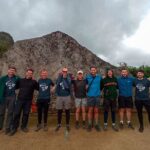
Day 5: Aguas Calientes at 5:30 am, Machu Picchu with a 2-hour guide, and optional Huayna Picchu
You wake up very early, around 5:00 am, for breakfast. Then you head for the first bus up to Machu Picchu, leaving around 5:30 am. The ride takes about 25 minutes, and the timing is built for sunrise light.
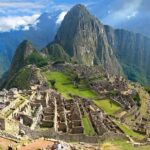
You’ll get a 2-hour guided tour inside Machu Picchu. This is valuable because it helps you understand what you’re seeing before you start wandering on your own. After the guided portion, you’ll explore independently.
If you have the energy and booked it in advance, you can climb Huayna Picchu (about 2,720 m / 8,890 ft). The climb takes about 1:45 to reach the top, and availability is dependent on what’s offered.
Later, you take the train back to Ollantaytambo between roughly 2:00–4:00 pm or at 6:20 pm, depending on train availability. From Ollantaytambo, private transport takes you back to Cusco.
This whole day is about maximizing your time where it counts: sunrise entry, guided context, then personal exploration.
Guides, cooks, and the support crew: where the comfort comes from
This trek runs because of the people behind it.
You’ll have a professional bilingual guide (Spanish–English). When the guide is sharp and practical, you feel it immediately: better pacing, better timing, and more confidence when weather shifts. One standout example from past experience is Roberto, who worked closely with cook Mario to keep everything on track.
Food is another high point. There’s a cook on the team, and the trek includes 4 breakfasts, 4 lunches, 4 dinners, and 4 snacks. That means you’re not spending the day hunting food while you’re hiking. One past cook named Exaltación was highlighted for making the days feel easier.
Logistics support is also built in. Horses and mules handle equipment, food, and personal luggage up to 7 kilos per person (so your pack weight matters). Kitchen setups include a dining tent and a kitchen area with table and chairs, which makes meal time less chaotic.
Why you should care: if you’ve ever done long hikes where “camp comfort” is mostly hope, you’ll appreciate that here. It’s a real support system, not just a promise.
What to pack (and what to plan for when you’re not carrying everything)
Bring warm clothing. Even if you think you’re only walking in sun, altitude nights and early mornings can be cold.
The tour lists what you’ll want:
- Warm clothing
- Sunglasses
- Sun hat
- Cash
- Daypack
- Trekking gear
- Hiking shoes
- Passport or ID card
Also note what you might still need:
- A sleeping bag is not included, so you may need to provide your own depending on your comfort level.
- Trekking sticks are not included either. If you like them for steep sections, pack or plan to borrow.
One more detail that changes what “light packing” means: your duffel is carried until the third day. From day four, you carry your own bags. So bring a daypack that’s comfortable for the long day where you walk along the train track.
If you want the trek to feel fun rather than stubborn, pack like you’ll be tired: fewer heavy items, more layers.
Price and value: what $700 buys you, and the one risk worth checking
At $700 per person for a 5-day trek, you’re paying for more than the physical journey. You’re also paying for the included infrastructure that saves you time and mental effort:
- Bilingual guide
- Pickup and transport segments in the Cusco region
- Train from Aguas Calientes to Ollantaytambo
- Machu Picchu tickets and bus up
- Meals throughout most days
- Dome lodging (with private bathroom and hot shower)
- One night in Aguas Calientes
Where value can wobble is ticket coordination. In one documented case, Machu Picchu ticket availability wasn’t properly confirmed until right before departure, forcing the schedule to compress. That’s why I recommend a simple pre-trek checklist: confirm the Machu Picchu entry timing you expect and how it connects to your train and bus day.
There’s also an extra option on day four: you can send luggage by car from Playa to Hydroelectric and then by train to Aguas Calientes for about 20 soles (pay directly). It’s not required, but it can reduce day-four carry stress if your legs already have a complaint.
Who this trek fits best (and who should skip it)
This is a challenging, high-altitude trek with steep effort days and long walking segments.
It’s best for hikers who:
- Are comfortable with strenuous trekking and early starts
- Want a mix of mountain views plus coffee and jungle changes
- Appreciate real camp comfort (private dome bathrooms and hot shower)
It’s not suitable for:
- People with back problems
- People with mobility impairments
- People with heart problems
- Pregnant women
One note: the activity description also states wheelchair accessible, which conflicts with the not-suitable guidance for mobility impairments. If mobility is a concern, don’t guess. Ask the operator directly about your specific situation before booking.
Should you book the 5-Day Salkantay Trek to Machu Picchu Sky Lodge Dome?
I’d book it if you want Salkantay’s classic challenge, but you don’t want your nights to feel like rough camping. The dome setup is a real quality-of-life upgrade, and the itinerary includes the key Machu Picchu timing pieces that most people struggle to manage on their own.
You should pause and ask harder questions before committing if you’re sensitive to schedule changes or if you rely on Machu Picchu entry timing being perfect. The route finishes with a first-bus plan, and past issues around ticket confirmation show why you should verify your slot early.
My practical recommendation:
- If you can handle altitude and long days, this is a strong value because major transport and park logistics are included.
- If you don’t like cold nights, plan for it with warm layers since the domes can get chilly.
- If you want Huayna Picchu, lock it in early since it depends on availability.
If that matches your travel style, this trek is one of the more well-built ways to reach Machu Picchu with both effort and comfort.
FAQ
How long is the trek?
It’s a 5-day experience (5 days and 4 nights on the trail, plus the night in Aguas Calientes).
Where do you sleep during the trek?
You sleep in luxury domes with private bathroom and hot shower during the trekking days, and then you spend 1 night in Aguas Calientes (hotel/hostel).
Are meals included?
Yes. The trek includes 4 breakfasts, 4 lunches, 4 dinners, and 4 snacks. The first breakfast and the last dinner are not included. Vegetarian and vegan options are available on request at no extra charge.
Does the price include Machu Picchu tickets and the bus up?
Yes. Machu Picchu tickets and the bus up from Aguas Calientes to Machu Picchu are included.
What time do you go to Machu Picchu?
You go on the first bus, which leaves around 5:30 am, and it takes about 25 minutes.
Can I climb Huayna Picchu?
Yes, it’s an optional climb, but it depends on availability and you should book in advance. The climb takes about 1:45 to reach the top.
What are the baggage rules during the hike?
Your duffel bag is carried for you until the third day. From day 4, you carry your own bags. Horses and mules transport equipment, food, and personal luggage up to 7 kilos per person.
What should I bring?
Bring warm clothing, sunglasses, a sun hat, cash, a daypack, trekking gear, hiking shoes, and your passport or ID card.
Can I cancel and get a refund?
Yes. You can cancel up to 24 hours in advance for a full refund.