REVIEW · MARRAKESH
Marrakech Desert Tours 3 Days with Camel Trek and Camping
Book on GetYourGuide →Operated by MOROCCOFIRSTGATE · Bookable on GetYourGuide
Three days later, the Sahara stays with you. This Marrakech-to-Merzouga route strings together Kasbah Ait Ben Haddou and two unforgettable dune moments. You’ll sleep in a real desert camp, then ride back at first light.
What I love most is the pairing of UNESCO Ait Ben Haddou with the cinematic film-location feel, plus the sunrise and sunset camel trek over Erg Chebbi dunes. You’re not just passing through Morocco’s scenery; you’re timing your day around the light.
One drawback to plan for: it’s a lot of time on the road, and meals like lunch (and some small extras) aren’t included, so you’ll need a bit of cash budgeting.
In This Review
- Key things to know before you go
- From Marrakech to Merzouga: a 3-day route that really moves
- Day 1: High Atlas views, Tizi n’Tichka, and UNESCO Ait Ben Haddou
- Day 1 night: a proper hotel stop before the dunes
- Day 2: Todra Gorge area stops, Merzouga downtime, and your Erg Chebbi camp
- Camel trek reality: what you’re signing up for at Erg Chebbi
- The desert night setup: private tent, dinner, and stars you can actually see
- Price and logistics: $115 and what you actually get
- Guides and comfort: how the trip feels day to day
- Who should book this Marrakech to Merzouga desert tour?
- Quick practical tips so you’re not scrambling
- Should you book it?
- FAQ
- How long is the Marrakech to Merzouga desert tour?
- What’s included in the price?
- Is lunch included?
- Do I visit Ait Ben Haddou Kasbah, and is the guide fee included?
- What camel trek experience do I get in Erg Chebbi?
- Where do you sleep during the tour?
- Is this tour suitable for kids or older adults?
Key things to know before you go
- Tizi n’Tichka driving: lots of hairpin views on the way east to the desert.
- Ait Ben Haddou with time to walk: about 2.5 hours on site, with a local guide (guide fees extra).
- Erg Chebbi dunes at the right moments: camel time for both sunset and sunrise.
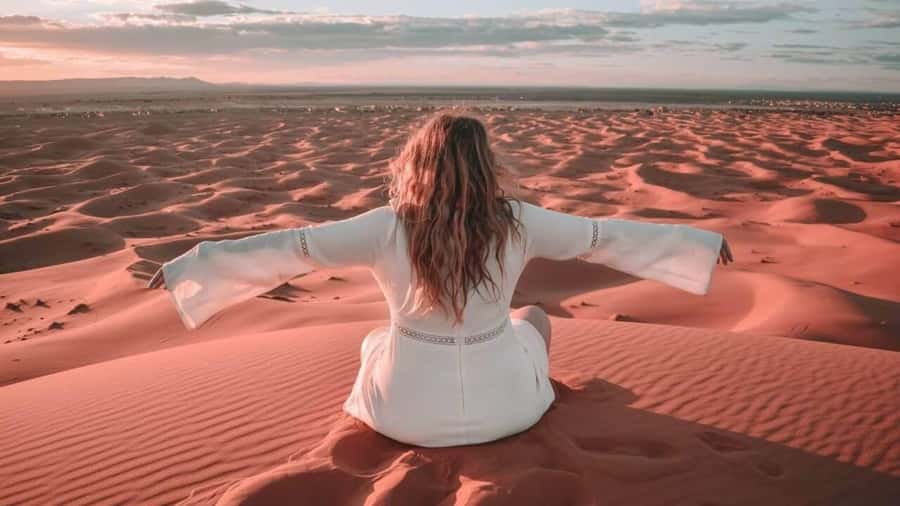
- Desert camp atmosphere: dinner and breakfast in a private tent, with music in the night sky.
- Air-conditioned comfort on long days: the vehicle has air conditioning, and some departures include USB charging.
- Possible extras on the return: you might have a quad ride option instead of camel for a fee (optional).
From Marrakech to Merzouga: a 3-day route that really moves
This is a classic “big Morocco hits” desert itinerary: Marrakech first, then High Atlas mountain roads, then UNESCO Kasbah time, then down into the Todra Gorge area, and finally the Erg Chebbi dunes of Merzouga. What makes it work is that it doesn’t only focus on the desert night. It uses the days to set up why that desert morning matters.
You’ll start early from Marrakech with pickup at your hotel or a nearby meeting point. From there, the trip is built around a tight rhythm: scenic driving breaks, set stopovers for photos and viewpoints, and enough time at the main sights so you can actually explore rather than just stop for a glance. The pace is friendly if you like road trips. It’s less friendly if you hate long bus days.
A key value point: the price includes two nights of meals (hotel night plus desert camp night), plus camel treks for both sunset and sunrise. That’s what turns it from a day tour into a real desert experience.
Day 1: High Atlas views, Tizi n’Tichka, and UNESCO Ait Ben Haddou
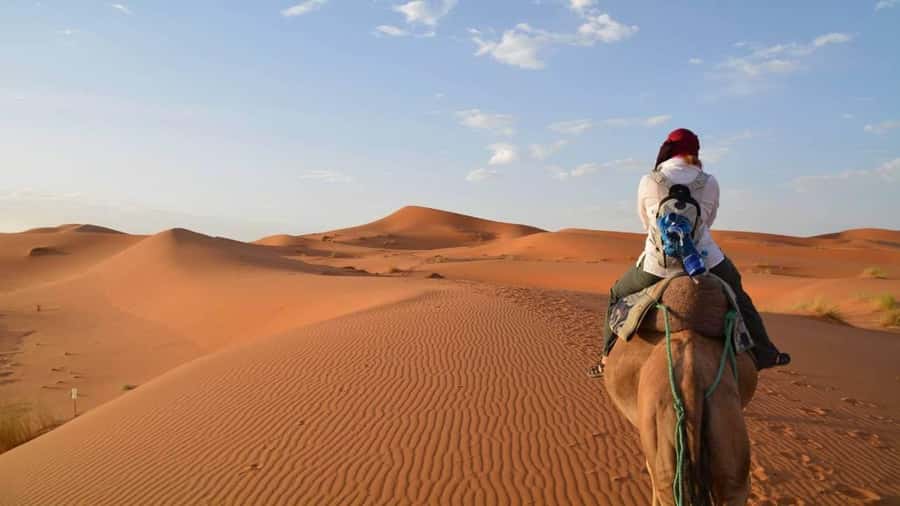
Your first day starts with the climb east out of Marrakech. The drive takes you toward the High Atlas Mountains and through the famous Tizi n’Tichka pass. Expect plenty of photo stops and quick breaks where you can stretch your legs, grab coffee, and reset before the road keeps winding.
Then comes one of the big reasons people choose this tour: Ait Ben Haddou Kasbah, a UNESCO-listed site. You get around 2.5 hours there with a local guide. This stop is more than architecture on a hill. The area is famous for film scenes, and you’ll likely hear references tied to movies such as Gladiator, Lawrence of Arabia, and Kingdom of Heaven. Even if you’re not a film fan, the kasbah’s layered design and fortified vibe makes it easy to understand why it became a go-to location.
After the kasbah visit, lunch comes before you keep driving. From there, the itinerary moves through areas like Ouarzazate, the Skoura Oasis area, and Klaa Mgouna, then heads toward the Dades region and Rose Valley. You’ll reach your hotel late afternoon, then enjoy dinner and breakfast.
Why this day feels worth it: Day 1 sets up a contrast. You go from lively Morocco city energy to mountain pass drama, then to an ancient fortified place—before you even reach the desert.
What to watch for: the biggest mental adjustment on Day 1 is how quickly the day fills up. You’ll be comfortable if you plan for long drives and keep snacks/water handy, because lunch is included only in the sense that it exists as part of the day plan—not necessarily that it’s built into your tour price everywhere.
Day 1 night: a proper hotel stop before the dunes
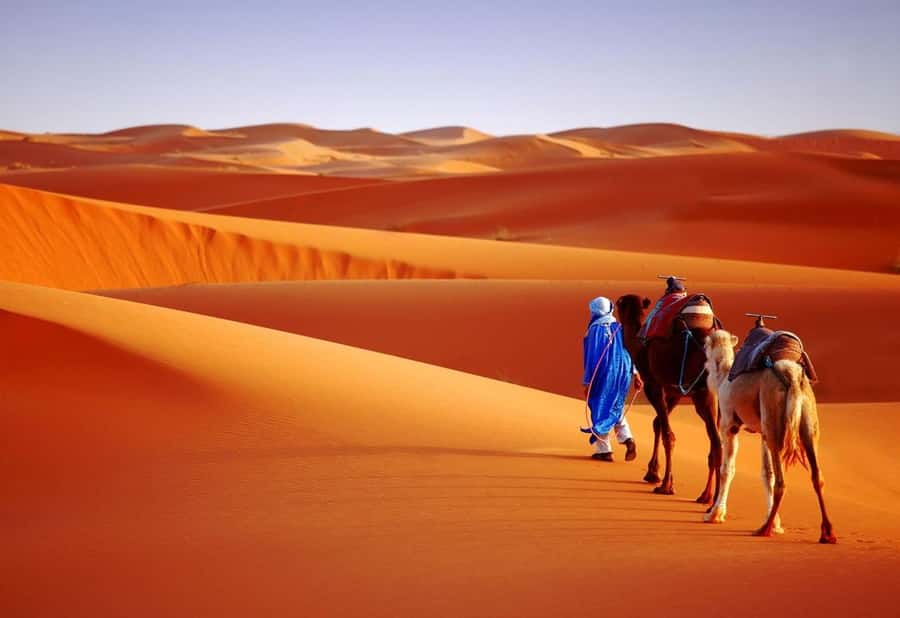
By the time you check in at the hotel (in the Rose Valley area), the trip has already given you a full day of movement: Atlas pass driving, kasbah exploration, and continued scenic stops. This hotel night matters because it gives you a real bed before the desert night.
In practical terms, you should expect dinner and breakfast included, and rooms that are set up for comfort rather than “roughing it.” In one set of experiences, travelers were pleasantly surprised by private rooms with clean bathrooms. That kind of setup is not guaranteed in every booking, but it matches the overall design of this itinerary: you’re sleeping well so you can enjoy the early desert start next morning.
Day 2: Todra Gorge area stops, Merzouga downtime, and your Erg Chebbi camp
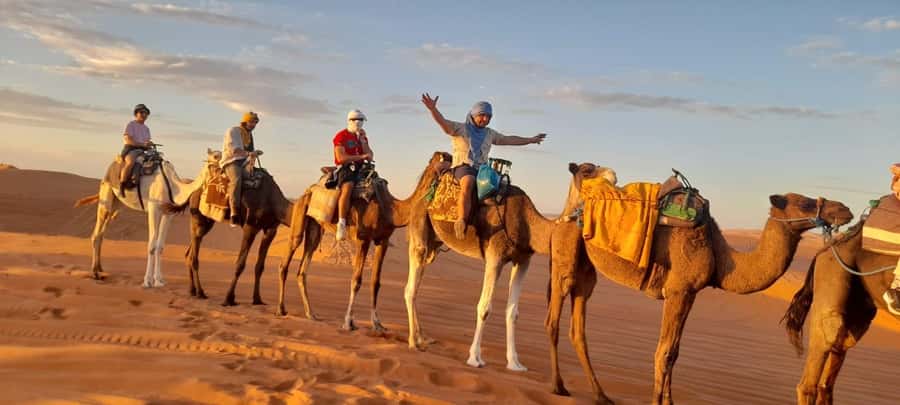
Day 2 is when the trip starts to feel like you’re getting closer to the heart of the desert. After breakfast, you’ll depart for the Erg Chebbi dunes in Merzouga. Along the way, you pass through Berber villages and famous stops connected to the region, including areas such as Todora Gorge, Tenghir, Tinjdad, Jorf, and Erfoud.
At some point, you’ll have time to relax in Merzouga before the camel trek. That downtime is useful. It’s also where you can reset your headspace before hours of sand, wind, and that constant “we’re actually here” feeling.
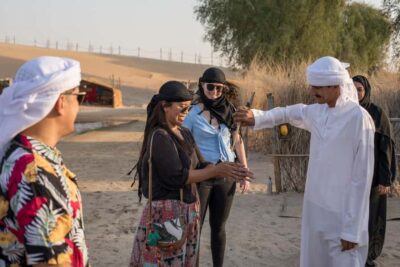
Then comes the practical setup for the desert night. You pack a small overnight bag for the camp portion and leave the rest. After that, you ride camels across the Erg Chebbi dunes to a traditional Berber camp. You’ll typically arrive with time to enjoy the sand in changing light, then leave the camels and walk up toward the higher dunes to watch sunset.
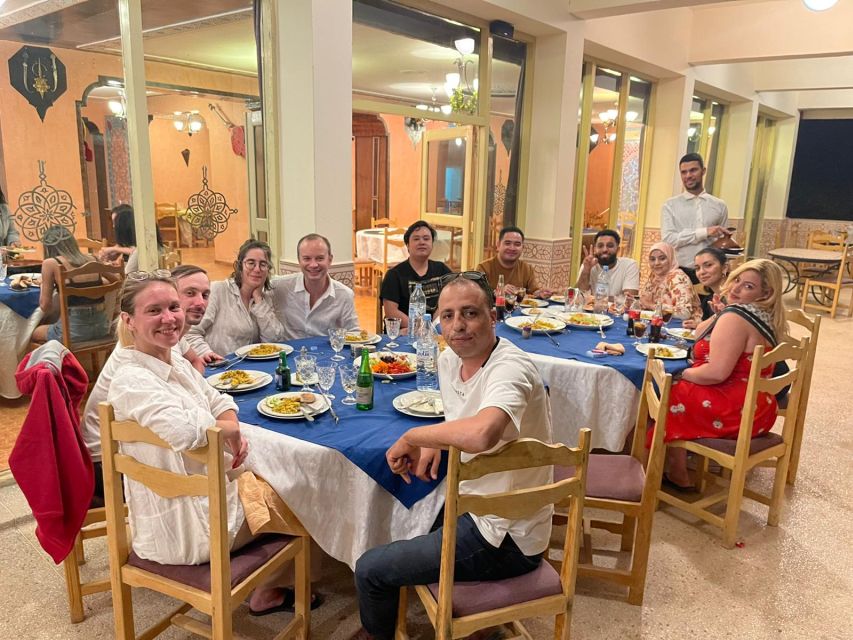
Night in the camp is built for atmosphere: you’ll sleep in a private desert tent, and dinner plus breakfast are included. You can also expect music—drum sounds—that makes the night feel intentional rather than random.
One small consideration: the pace on Day 2 can feel like two days stitched together. You’re doing the “roads and stops” phase, then switching fully into the “slow desert night” phase. That’s part of the appeal, but it helps to know that the day is busy by design.
Camel trek reality: what you’re signing up for at Erg Chebbi
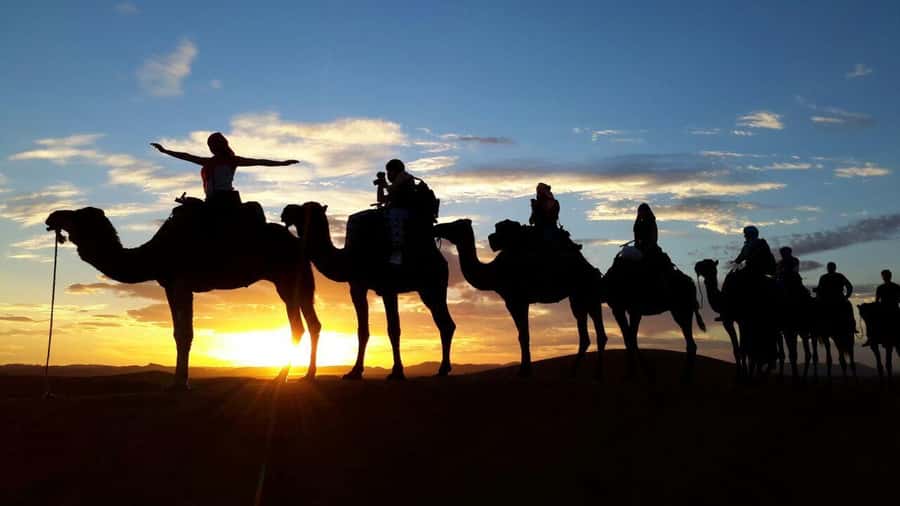
The camel trek is the headline, and in this itinerary it’s split into two different emotional moments.
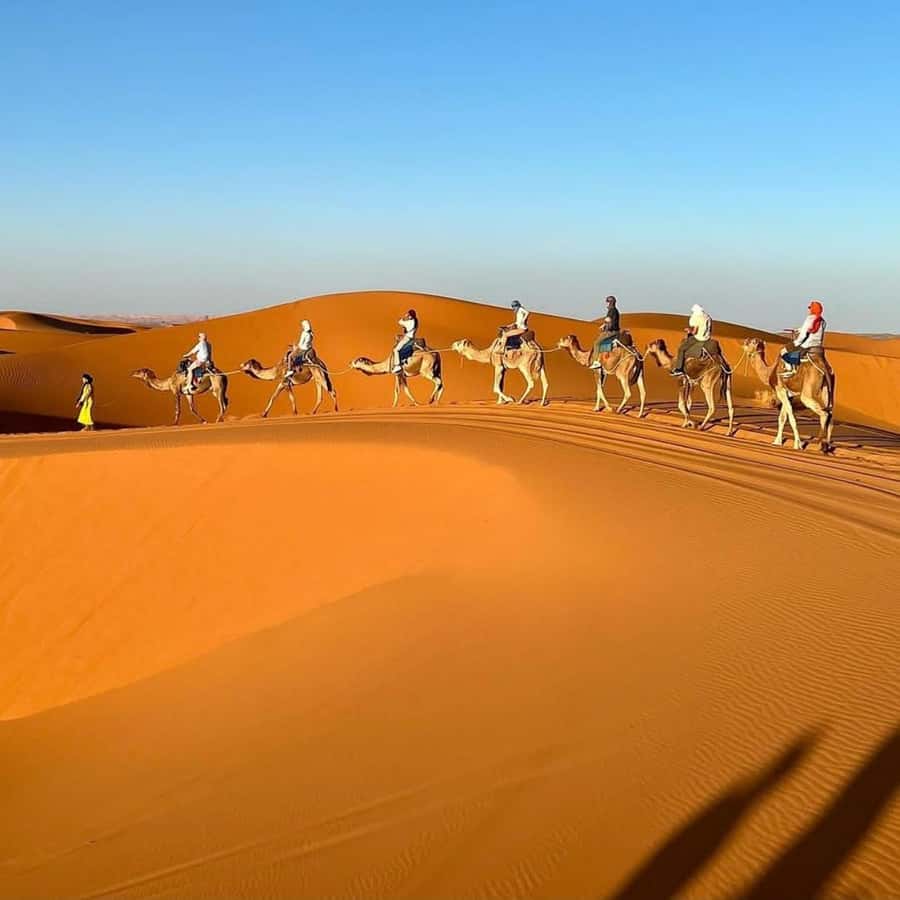
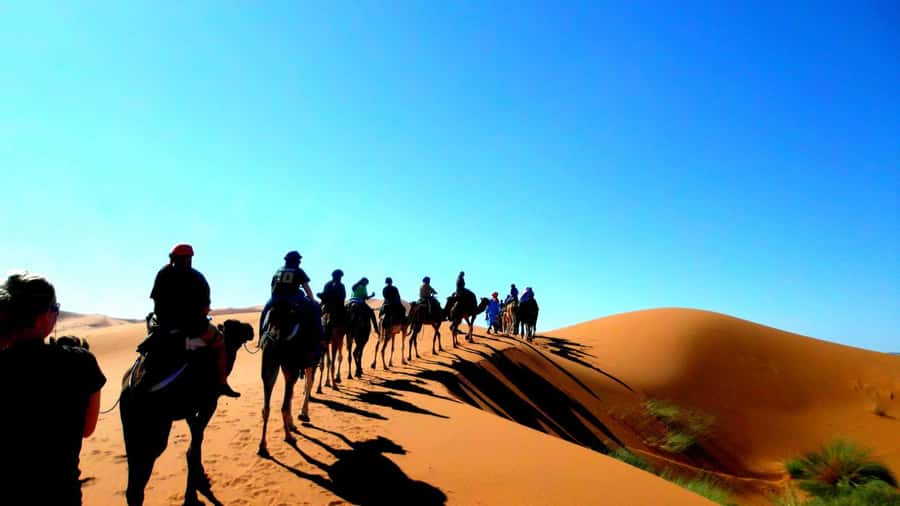
On the way in, you focus on the dunes and the sunset. You get to ride across Erg Chebbi, then move off the camel near camp to watch the evening over the sand. This is the part where the desert stops being a place you visit and starts being a place you watch.
On the way back the next morning, you switch from sunset magic to morning light. You’ll wake up early enough for sunrise, eat breakfast, and then hop back on your camel for the ride out. It’s a rare situation where the desert isn’t a single photo-op moment. It becomes two.
One more detail that can affect your expectations: on the return, there may be an optional quad ride instead of camel riding. In one set of experiences, the quad option was mentioned at around 50 euros for a single rider and 60 euros for two. This is not presented as a must-do. If it’s available when you go, it’s a fun change of pace—but don’t plan your whole memory around it.
Also, while it’s not written like a formal guaranteed activity, you may have time for sand-boarding on the dunes. If you’re the kind of person who likes action, ask about it during your camel/ camp transition so you can use that window.
The desert night setup: private tent, dinner, and stars you can actually see
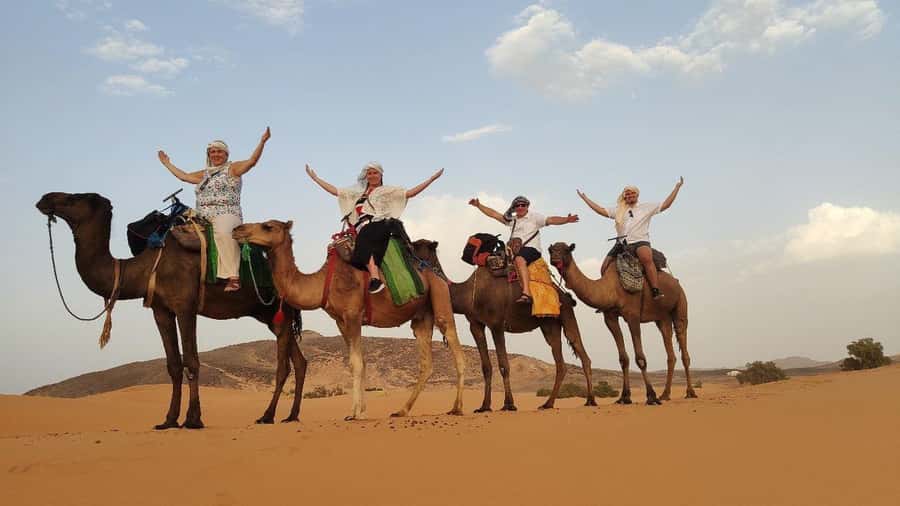
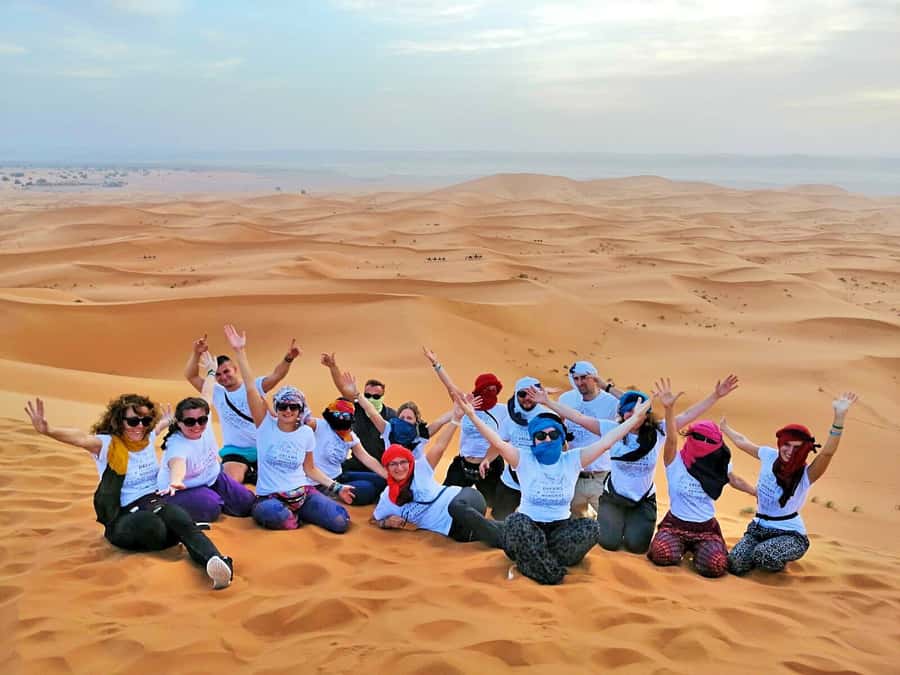
Sleep quality can make or break a desert trip. This one includes a night in a private desert tent, with dinner and breakfast included. The camp experience is built around the idea that you’ll enjoy the night skies and the quiet—but with enough comfort that you can still feel human the next morning.
It also helps that you’re not stuck in a long “camp wait” phase. Your camel trek timing and sunset/sunrise structure give the night a clear purpose. Instead of wandering, you’ll have dinner, the sounds of the camp, and time to look up after the sun goes down.
The practical part: bring what you need for visibility and sun protection. This tour specifically suggests sunscreen, sunglasses, and comfortable shoes. You’ll thank yourself for that on both the drives and the sand.
Price and logistics: $115 and what you actually get
At about $115 per person, this tour is priced like a value-focused way to experience a classic Marrakech-to-Merzouga circuit without you doing the heavy planning yourself. The math works best because multiple “separate expenses” are bundled into the package.
Included in the price:
- pickup and drop-off in Marrakech
- air-conditioned transportation and a driver/guide
- 1 night in a hotel with dinner and breakfast
- 1 night in a private desert tent with dinner and breakfast
- camel trek across Erg Chebbi (with sunset and sunrise riding)
- dinner and breakfast on desert night, plus a vegetarian option
- free time to explore during the day (for example, in Merzouga)
Not included:
- lunch
- drinks
- entrance fees (if applicable)
- the guide fee at Ait Ben Haddou Kasbah (listed as about €2)
There’s also a real-world budget tip from experience: lunches can be a fixed menu and can cost around 12 euros for a set 3-course meal. That’s not a reason to avoid the tour; it’s just a reminder that your day-to-day spending will happen mainly around lunch and optional add-ons.
If you’re the type who hates surprise charges, plan to carry some money. One practical heads-up: it’s smart to be ready with cash or a physical card.
Guides and comfort: how the trip feels day to day
Most people are choosing this tour for two things: the desert and the “route package” that gets you there efficiently. But how the trip feels between those highlights depends heavily on the driver-guide.
In past experiences with this kind of itinerary, guides like Ayoub, Moustapha, and drivers like Hicham have been described as friendly, helpful, and multilingual. One guide experience also noted speaking five languages, which is a real comfort when you want answers rather than guessing what’s happening next.
Comfort-wise, the transport includes air conditioning, and some departures also mention USB charging. That matters when you’re spending long stretches in the vehicle. You’ll be able to keep your phone charged for photos, maps, and sharing the sunrise sequence right away.
Who should book this Marrakech to Merzouga desert tour?
I’d point you toward this tour if you:
- want a 3-day classic Marrakech-to-Merzouga experience without coordinating transport between multiple providers
- care about seeing desert in motion, not only arriving at camp
- like the idea of camel time at sunset and sunrise, not just one ride
- are comfortable with a fairly active itinerary across mountain roads and desert driving
I’d think twice if you:
- want a slow, low-travel pace (this is road-heavy)
- need a tour that’s easy on mobility and long sitting time
Also, it’s clearly not suitable for people over 70, pregnant women, or children under 12. If any of those apply, you’ll want to pick a different style of trip with fewer long segments and easier day planning.
Quick practical tips so you’re not scrambling
Pack smart for sun and basic comfort:
- passport or ID card
- sunscreen
- sunglasses
- comfortable shoes
On the money side:
- budget for lunch (often a set menu option)
- carry some cash or a physical card
- remember that entrance fees and the Ait Ben Haddou guide fee (~€2) are not included
If you want extras:
- ask ahead or early in the process whether there’s time for sand-boarding
- if you’re interested in a quad option on the return, confirm pricing at the moment you’re offered it (the mentioned examples were around 50–60 euros)
Finally, keep a small overnight bag ready for Day 2. That’s the bag you’ll take into the camp portion, so make it the bag with the things you’ll actually need.
Should you book it?
If your dream is a straightforward Marrakech-to-Merzouga desert trip with UNESCO Kasbah time and a real Erg Chebbi camel trek with sunrise, this is a strong pick. The price makes sense because you’re getting two paid-for nights with meals plus the core camel experience—sunset and sunrise—without extra planning.
Book it if you can handle long driving days and you’re okay budgeting for lunch and small extras. Skip it if you’re looking for minimal road time, or if the tour’s age and pregnancy limits don’t fit your situation.
FAQ
How long is the Marrakech to Merzouga desert tour?
It’s a 3-day tour from Marrakech to Merzouga, including one night in a hotel and one night in a private desert tent.
What’s included in the price?
The tour includes pickup and drop-off, transportation in an air-conditioned vehicle, a driver/guide, 1 hotel night with dinner and breakfast, 1 private desert tent night with dinner and breakfast, camel trekking (including sunset and sunrise), and dinner and breakfast with a vegetarian option.
Is lunch included?
No. Lunch is not included.
Do I visit Ait Ben Haddou Kasbah, and is the guide fee included?
Yes, you visit Ait Ben Haddou Kasbah and you get about 2.5 hours there with a local guide. Entrance fees are not included, and the guide at Ait Ben Haddou is listed as an extra cost (about €2).
What camel trek experience do I get in Erg Chebbi?
You get camel trekking across Erg Chebbi dunes with sunset trekking and sunrise trekking, with 1 camel per person.
Where do you sleep during the tour?
You sleep one night in a hotel (with dinner and breakfast) and one night in a private desert tent in the Sahara camp (with dinner and breakfast).
Is this tour suitable for kids or older adults?
No. It’s not suitable for people over 70 years, pregnant women, or children under 12 years.