REVIEW · CUSCO
Waqrapukara 1 day trekking + meals
Book on GetYourGuide →Operated by Amaru explorer SAC · Bookable on GetYourGuide
Fortress views start before sunrise. This Waqrapukara day trek hits an Inca site high above Cusco at 4,300 meters, with breakfast, lunch, and walking sticks. If you like ruins with a payoff at the end, this is built for you.
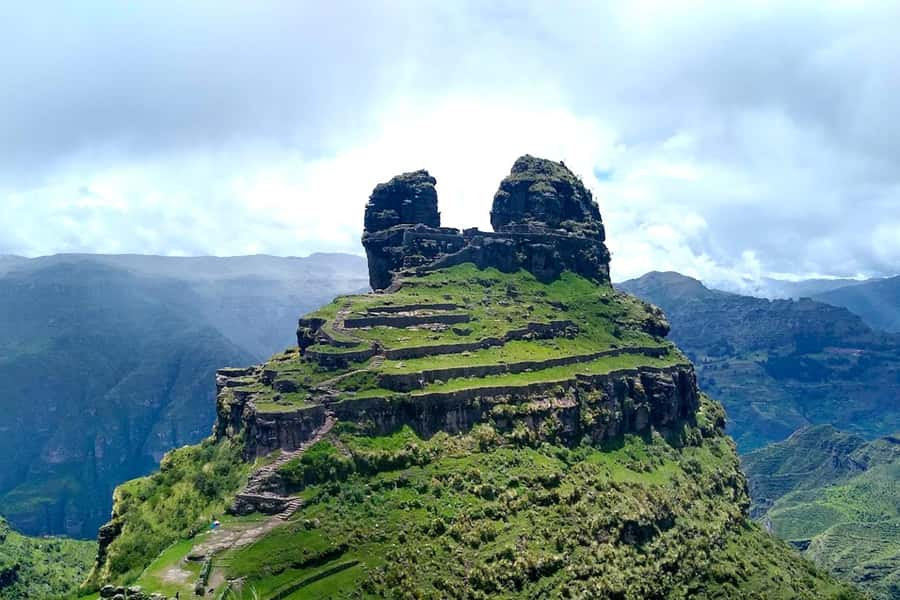
I like the way the site’s name fits what you see: Waqrapukara is known as the fortress in the form of a horn, and it still shows Inca temples and enclosures. I also appreciate the simple pacing—there’s a guided intro on arrival, then you get time to wander before heading back for a meal in Sangará. One consideration: the day includes roadside stops, and some people feel the schedule is heavier on non-ruin time than expected.
In This Review
- Key things to know before you go
- How the early Cusco pickup shapes your whole day
- The Sangará stops: breakfast fueling and a realistic lunch break
- Walking time: what the 2-hour trek really feels like
- Entering Waqrapukara: the fortress of the horns and what you’re looking at
- Logistics and value: $50 plus the entrance fee adds up
- What to pack for Waqrapukara at 4,300 meters
- Who this one-day trek suits best (and who should skip it)
- Should you book Waqrapukara?
- FAQ
- What time does pickup happen in Cusco?
- How long is the walking portion to Waqrapukara?
- Are breakfast and lunch included?
- What is the entrance fee for Waqrapukara?
- How high is Waqrapukara?
- What should I bring on this trek?
Key things to know before you go
- Waqrapukara is at 4,300 m, so you’ll want slow steps and warm layers
- A 2-hour walk starts from a parking area once your transport drops you off
- Breakfast in Sangará and lunch in Sangará keep the day manageable
- You get a brief guide orientation, then time to explore part of the site
- Walking sticks are included, helpful on uneven ground
- Entrance to Waqrapukara costs extra (S/ 15 or about 5 USD)
How the early Cusco pickup shapes your whole day
This tour begins with a pick up from your hotel area (near or inside the historic center) between 4:00 and 5:00 a.m. That’s early enough to test your alarm clock’s loyalty.
Why this matters: you’re leaving while Cusco is still waking up, which gives you a calmer start before the day’s heat and crowds build. It also helps with altitude timing. Even though the trek is only one day, you’re traveling straight up to a site that sits at 4,300 meters, so it’s better when the logistics are tight and predictable.
Your transportation is arranged to and from your hotel, and you’ll return to Cusco later in the day, dropped off near the Plaza de Armas around 6:00 p.m. That end time is important if you’re trying to plan dinner or a second activity.
In short: if you’re the kind of traveler who loves morning motion and fewer decisions, you’ll probably enjoy this format. If you hate starting before breakfast, you’ll need coffee and a good attitude.
You can also read our reviews of more tours and experiences in Cusco.

The Sangará stops: breakfast fueling and a realistic lunch break
The excursion has two main moments centered on Sangará. First, you’ll reach Sangará for breakfast, then later you’ll go back there for lunch.
Breakfast at the start is more than a perk. At altitude, the body tends to work harder, and you’ll be walking for hours total even if the main trek is described as 2 hours to reach Waqrapukara. A real meal before you start helps you avoid that shaky, light-headed feeling that can show up when you’re moving fast on an empty stomach.
Lunch at Sangará also gives you a sensible landing pad between hiking and the drive back to Cusco. It turns the day from a simple “go up and hope” into something with food and recovery built in.
One thing to keep in mind: the schedule includes time beyond the ruins themselves. For some people, that feels fine—because it means you’re not scrambling for meals. For others, it can feel like the day takes longer than they expected just to reach and see Waqrapukara. So if your top priority is maximum ruins time, go in with realistic expectations about a full-day itinerary.
Walking time: what the 2-hour trek really feels like
Once you reach the parking area, your vehicle stays there and you start the hike to the archaeological center. The walk is listed as about 2 hours.
On paper, that sounds like a manageable mountain stretch. In practice, the conditions are the main factor:
- You’re going at 4,300 meters, so your pace will likely slow down.
- The path can feel uneven and altitude-heavy, even if you’re fit.
- You’ll be glad you have hiking shoes and walking sticks, which are included.
I like that the tour provides walking sticks. You don’t need to bring your own gear, and they can help with stability when the ground isn’t perfectly smooth. Think of them as extra balance insurance, not just for the climb but for the return too.
Pace is everything. If you try to walk like you’re at sea level, you’ll pay for it. Move slower than you think you should, take short pauses, and drink water consistently. This isn’t a race; it’s a route to a specific viewing payoff.
And since weather can shift, bring layers. The tour notes that it will be sunny weather or whatever conditions are happening. That means you could get strong sun, then a chill. Warm clothing isn’t optional if you want to stay comfortable.
Entering Waqrapukara: the fortress of the horns and what you’re looking at
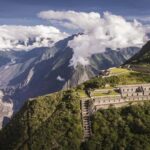
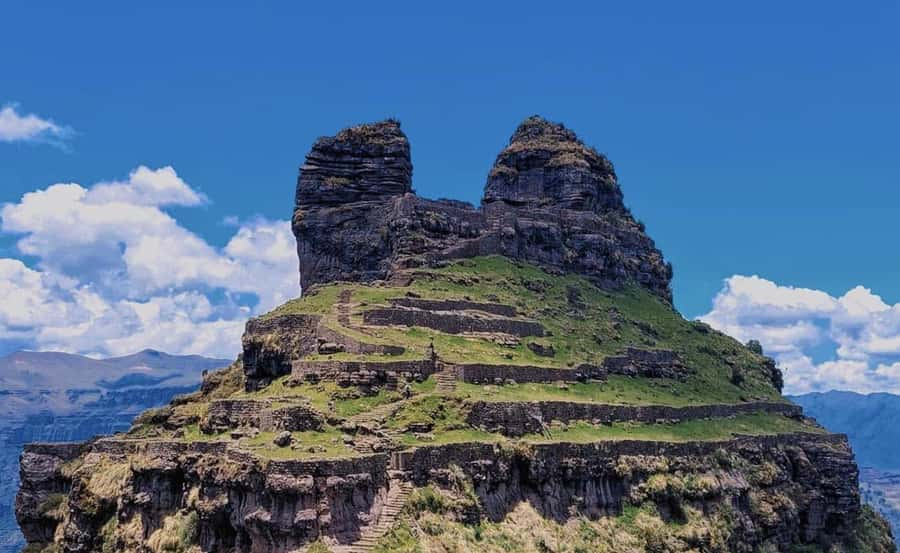
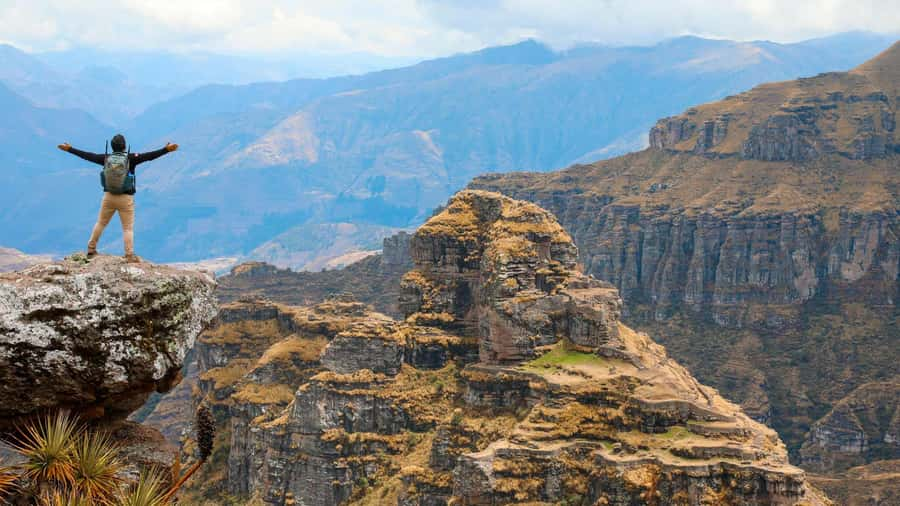
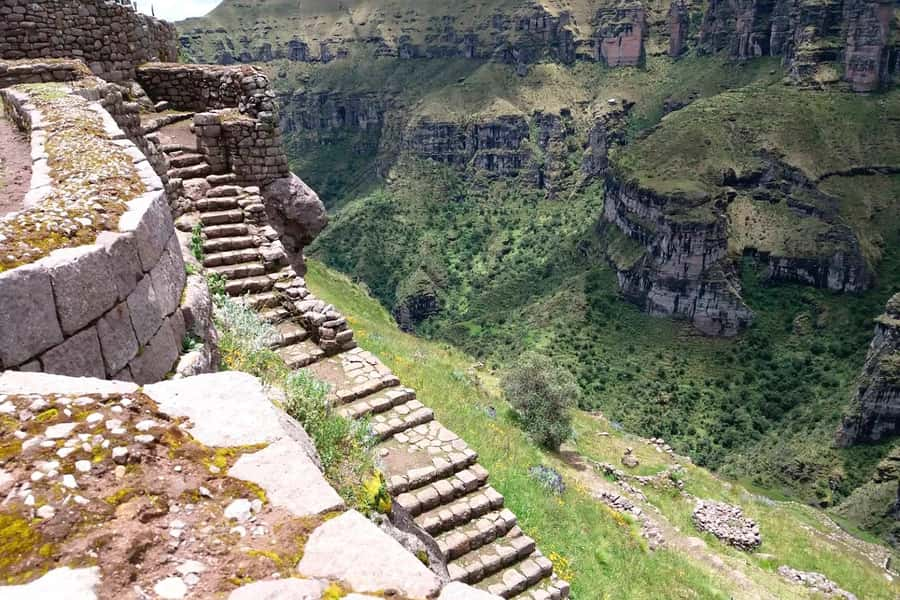
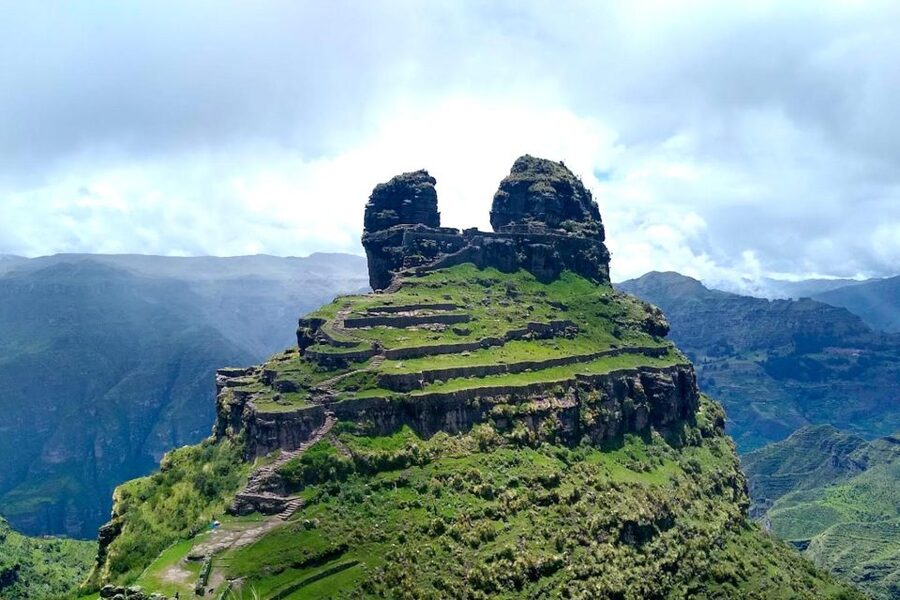
Waqrapukara is one of those Inca sites where the setting helps explain the structure. The attraction name translates as a fortress in the form of horn, and it’s associated with Inca nobility as a residence. What you’re seeing today isn’t just a viewpoint. It’s a living layout of stone work: temples and Inca enclosures.
When you arrive, you’ll have a brief guide and time to visit part of the area. This “intro, then explore” approach is a good match for day trips. You get enough context to understand what you’re looking at, and then you’re not stuck listening for hours.
What makes it satisfying is the mix of:
- Architecture you can track visually as you walk (enclosures and temple structures)
- A natural setting that frames the ruins
- A route that feels like you worked for your views
The highlight most people remember is the final look you get from the top. Even if the ruins are the main reason to go, that viewpoint is part of why the hike is worth doing. On a clear day, it’s the moment where the whole effort clicks.
What to watch for while you’re there:
- Any enclosure walls or boundary-like lines that suggest organized space
- Temple areas—look for changes in construction or layout
- Sections where the terrain helps “hold” the fortress shape, like the horn-like silhouette the site is known for
Just don’t expect it to feel like a museum. This is an outdoor archaeological walk. Wear shoes that won’t betray you, keep your water close, and give yourself time to stop and look.
Logistics and value: $50 plus the entrance fee adds up
The advertised price is $50 per person for a 1-day tour that includes pickup, transportation, breakfast and lunch, a professional guide, and walking sticks.
Then there’s the part you need to budget separately: the entrance fee to Waqrapukara. It’s listed as S/ 15 or about 5 USD.
So how do you judge value? For me, it comes down to convenience and effort:
- You get an early pickup and a full day itinerary without arranging transport yourself.
- You get two meals (not just snacks).
- You get a guide for orientation when you arrive.
- You get help with hiking basics via walking sticks.
Where value can feel weaker is if you measure the day in pure ruins minutes. One person’s view was that the day included more time on roadside stops and paid viewpoints than they expected, and they felt they could have done it cheaper with a taxi. That’s a real concern if you’re tightly focused on ruins time.
Here’s a practical way to think about it:
- If you want a low-stress, guided day with food included, this price can feel fair.
- If you have your own transport plan and you’re comfortable navigating, you might find cheaper options.
- If you care about long, detailed explanations in English, note that the tour offers English, but guide style and pace can vary. Ask questions early and don’t count on a deep lecture for every minute.



What to pack for Waqrapukara at 4,300 meters
The list of what to bring is short, but it’s spot on. Here’s your checklist:
- Warm clothing
- Sun hat
- Hiking shoes
- Sunscreen
- Water
- Cash
Why these items matter at this altitude:
- Warm clothing: even in sunny weather, mornings and high elevations can feel cold.
- Sun hat and sunscreen: you’re at elevation, and sun hits harder.
- Hiking shoes: you’re walking on a real mountain route, not a flat promenade.
- Water: altitude and exertion can sneak up fast.
- Cash: because entrance fees and small extras usually need on-the-spot payment.
If you tend to run cold, bring an extra layer. If you burn easily, bring stronger sunscreen than you think you need. And if you’re tempted to wear lightweight shoes because it’s only a couple hours, don’t. Your feet will thank you later.
Who this one-day trek suits best (and who should skip it)
This tour is described as not suitable for:
- Children under 6 years
- Pregnant women
- Wheelchair users
- People over 95 years
That’s not surprising given the altitude and walking involved. If you’re planning the trip, it helps to assess your comfort level with high-elevation hiking and early-morning start times.
This trek tends to suit you best if:
- You’re comfortable with a high-altitude day (4,300 meters)
- You want a guided introduction to an Inca site
- You like your day trips with food included, not constant decision-making
- You enjoy a final viewing moment as a reward for hiking
It might feel less ideal if:
- You want long uninterrupted time inside the archaeological area only
- You’re very sensitive to altitude and need a slower, more flexible schedule
- You expect very detailed English explanations the entire time
Also, a friendly reminder: sunny weather can still mean cold wind. Dress for sun and for chill.
Should you book Waqrapukara?
I’d book this tour if your goal is a simple, guided one-day visit to Waqrapukara, with a real workout, included meals, and a viewpoint payoff that makes the early start feel worth it. The combination of pickup from Cusco, a professional guide, and walking sticks removes a lot of hassle.
I’d pause before booking if you’re the kind of traveler who measures success only by time spent among ruins. The day includes additional stops and the schedule can feel long. If you’re trying to keep costs low and time extremely tight, you may want to compare alternatives before committing.
Finally, if you book, go prepared: warm layers, sun protection, solid shoes, and plenty of water. Do that, and you’ll give yourself the best shot at enjoying Waqrapukara for what it is—a high, horn-shaped Inca fortress site with temples and enclosures you can actually see.
FAQ
What time does pickup happen in Cusco?
Pickup is between 4:00 and 5:00 a.m., from a hotel near or inside the historic center.
How long is the walking portion to Waqrapukara?
After you reach the parking area, there’s about a 2-hour walk to the archaeological center.
Are breakfast and lunch included?
Yes. Breakfast is included at Sangará, and lunch is included on the way back at Sangará.
What is the entrance fee for Waqrapukara?
Entrance to Waqrapukara costs S/ 15 or about 5 USD, and it is not included in the tour price.
How high is Waqrapukara?
Waqrapukara is located at about 4,300 meters above sea level.
What should I bring on this trek?
Bring warm clothing, a sun hat, hiking shoes, sunscreen, water, and cash.