REVIEW · CUSCO
Cusco: 4-Day Salkantay Trek to Machu Picchu, Panoramic Train
Book on GetYourGuide →Operated by TreXperience · Bookable on GetYourGuide
Machu Picchu starts long before the gates. This 4-day Salkantay trek from Cusco hits Humantay Lake and the Salkantay Pass, then finishes with a guided Machu Picchu visit and a scenic return by Vistadome or 360° train.
I especially liked the mix of comfort and wildness: glamping tents on the first night, then Andean huts later, plus a proper 3-star hotel in Aguas Calientes. And the food is a big deal here, with Pachamanca and an actual coffee experience that powers you for the climbs.
One thing to keep in mind: the second-night lodging is in Andean huts, and quality can be hit-or-miss depending on what’s available for that stop, including how warm shower arrangements work.
In This Review
- Key things to know before you go
- Why this Salkantay route feels worth the effort
- Cusco pickup and Humantay Lake: the morning that resets your brain
- What I’d do to make Day 1 easier
- SalkaGlamp glamping night: comfort that actually helps on trek days
- Salkantay Pass and the cloud forest shift on Day 2
- Day 2 reality check
- Pachamanca and coffee: food as fuel, not just a meal
- A smart strategy for Day 3
- Machu Picchu at sunrise: guided time that’s long enough
- Ticket reality: Circuits and optional hikes
- Vistadome vs 360° train: why the ride home matters
- Price and value: what you’re paying for (and what you should double-check)
- Who should book this trek (and who should skip it)
- Packing and altitude tips that actually help
- Should you book this Salkantay + Machu Picchu trek?
- FAQ
- How long is the tour?
- What time is pickup in Cusco?
- How big is the group?
- What languages are the guides?
- What lodging is included during the trek?
- Are meals included?
- Does the tour include Machu Picchu access?
- Do you return to Cusco by train?
- Is this trek suitable for everyone?
Key things to know before you go
- Salkantay Pass (4,630 m / 15,190 ft) is the physical peak, with a morning ascent and big views of snow peaks and the lake below
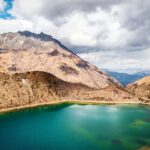
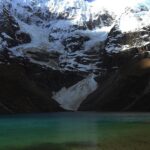
- Humantay Lake is the turquoise reward for a morning trek from Challacancha, with time to take it in before you descend
- Pachamanca + coffee farm isn’t a gimmick: underground-stone cooking and a hands-on bean-to-cup moment fuel the day
- Sleeping setup changes each night: glamping, then huts, then a 3-star hotel—so you’re never stuck in the same comfort level the whole time
- Return by Vistadome or 360° panoramic train makes the journey back feel like part of the tour, not just transit
Why this Salkantay route feels worth the effort
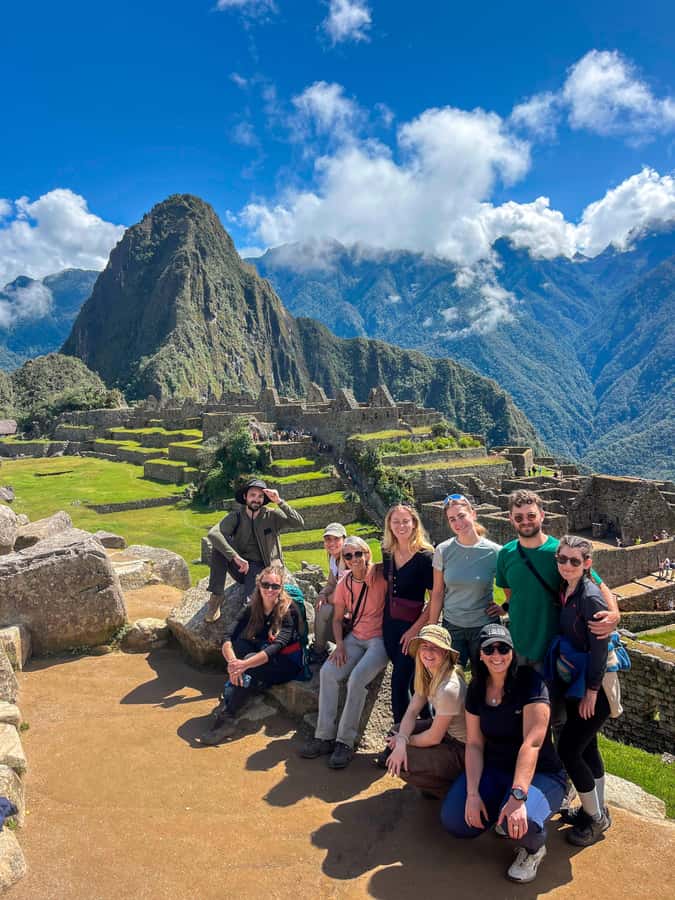
If your goal is Machu Picchu, you could show up via train and be done. But the Salkantay route is what makes the whole trip click. You build altitude slowly, you move through distinct ecosystems, and when you finally reach the citadel, it feels earned.
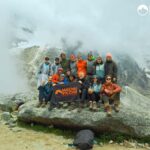
What I like about this version is that it doesn’t force you into a “rough it only” mindset. You’re still doing real hiking, including the Salkantay Pass, but you also get glamping comfort, organized meals, and guided logistics. Small group size—limited to 16—also matters. Fewer people means fewer bottlenecks when you’re trying to follow the plan at early hours.
The biggest consideration is the physical side. This trip isn’t for people who want a casual stroll. You’ll climb high, hike multi-hour stretches, and sleep at altitude. If you have back or heart concerns, or if mobility is limited, the tour isn’t suited for you.
You can also read our reviews of more tours and experiences in Cusco.
Cusco pickup and Humantay Lake: the morning that resets your brain
Your day starts very early, with pickup around 4:30 a.m. from your hotel in Cusco’s Historic Center. After a scenic drive through Andean valleys, you stop at Mollepata for breakfast. Then it’s onward to Challacancha to begin the trek.
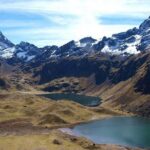
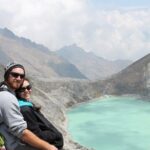
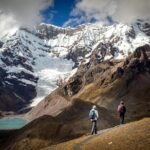
Humantay Lake is one of those places where the color looks almost unreal when you first crest the path. You’ll hike up and see the turquoise water framed by steep mountains, which is exactly the kind of payoff that makes an early start feel justified. After the main lake visit, you descend and continue toward Soraypampa for lunch.
This is also a good day to watch how you pace. The morning climb sets the tone for the whole trek. You don’t need to sprint. You do need to keep steady energy so the rest of the day stays enjoyable.
What I’d do to make Day 1 easier
- Wear shoes you can trust for uneven ground; the trip starts before you warm up
- Pack a small layer system since mountain temps shift fast
- Keep sunscreen handy; high altitude sun doesn’t care about your plans
SalkaGlamp glamping night: comfort that actually helps on trek days
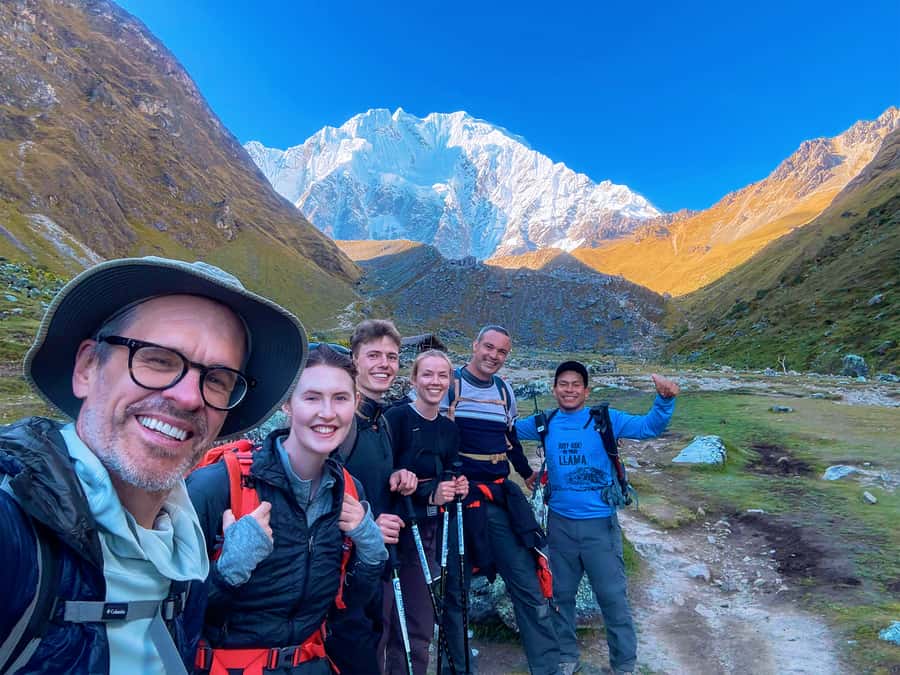
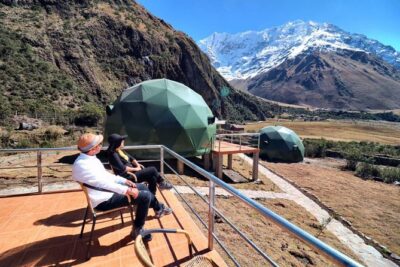
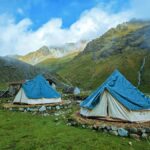
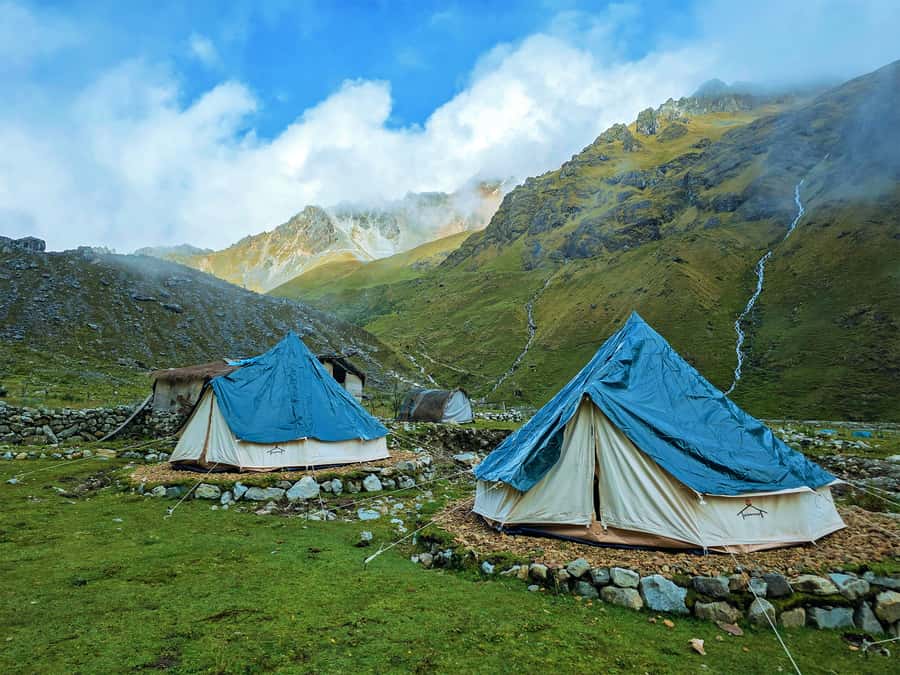
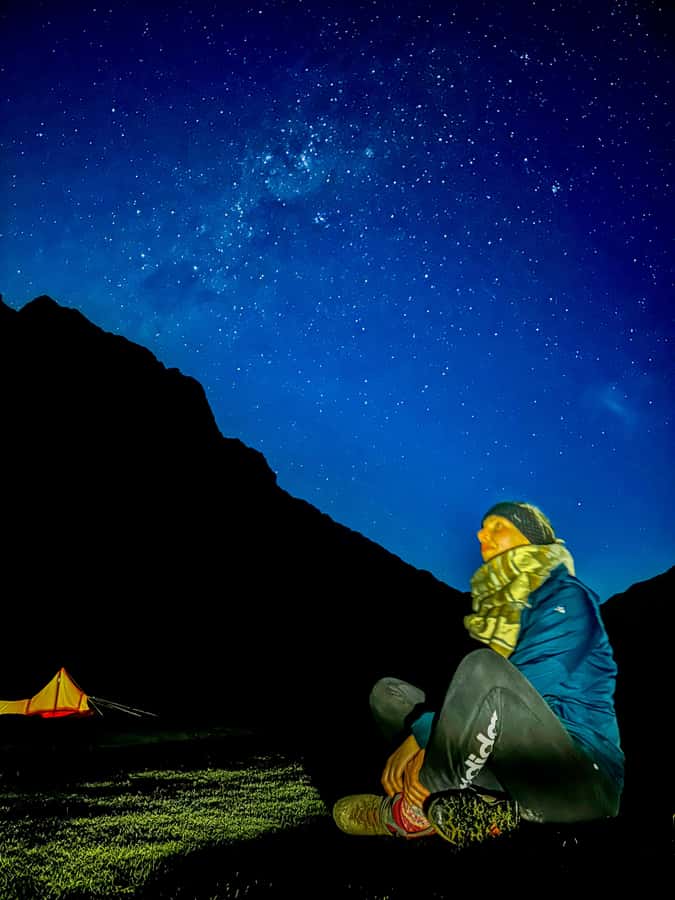
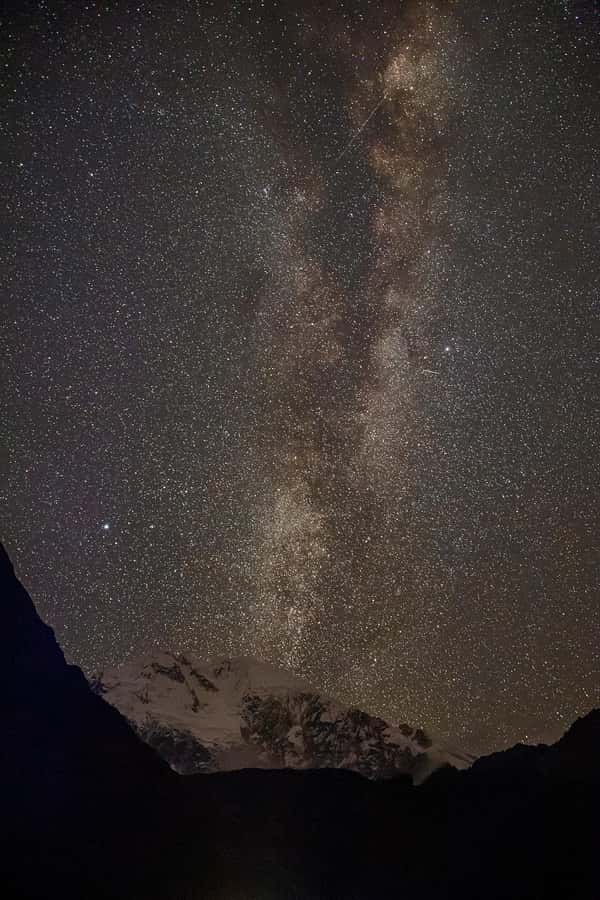
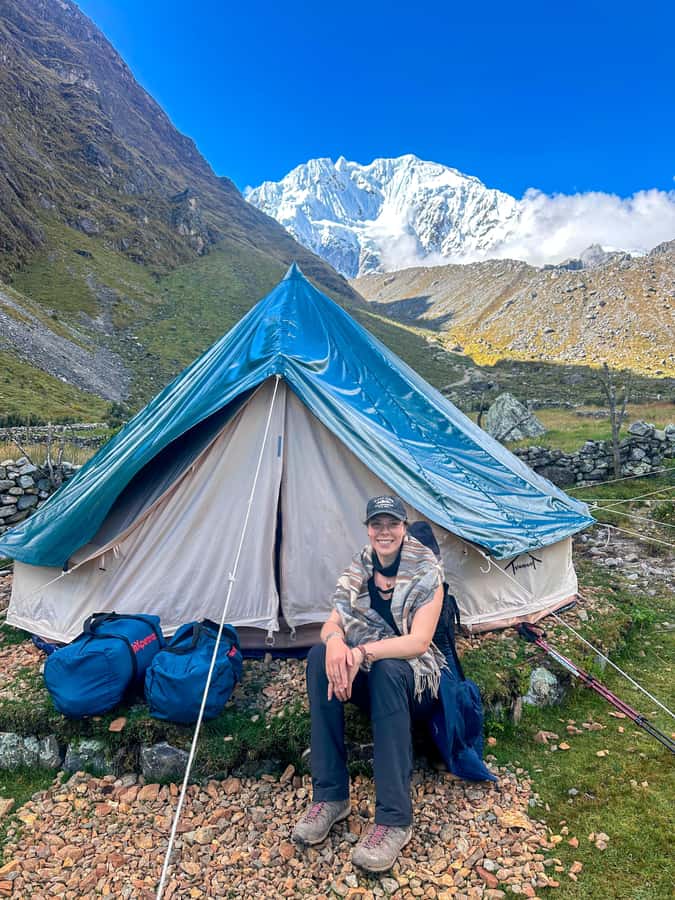
By late afternoon you arrive at Salkantaypampa for your first night. Instead of a basic camp setup, you sleep in glamping tents, which means you’re not spending the evening wrestling with the basics. Dinner is served, and you get a calm night under the Andes with star-filled skies.
In practical terms, this kind of lodging matters. Better sleep means better breathing the next morning. It also reduces the “I’m miserable” factor that can hit mid-trek if everyone’s cold and exhausted.
You’ll also get a little ritual at the start of the next day—coffee or coca tea is served at the tent—so the camp experience ties into the pacing of the trek rather than feeling like random downtime.
Salkantay Pass and the cloud forest shift on Day 2
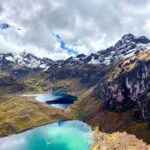
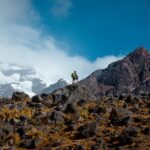
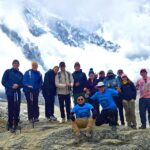
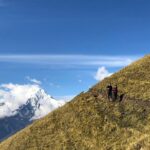
Day 2 is the one you’ll remember when people ask how hard the trip was. You start with breakfast at camp, then begin a roughly 2-hour ascent toward the Salkantay Pass. The pass sits at 4,630 m (15,190 ft), and it’s the highest point of the trek.
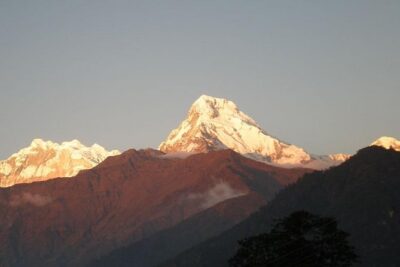
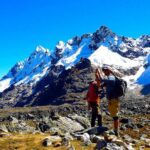
At the top, the views are wide and dramatic: snow-capped peaks, the mountain mass around you, and a sense of scale that’s hard to get anywhere else. Then comes the descent. You continue toward Wayracmachay for lunch, and the hiking doesn’t stop being interesting—because the terrain and vegetation start changing.
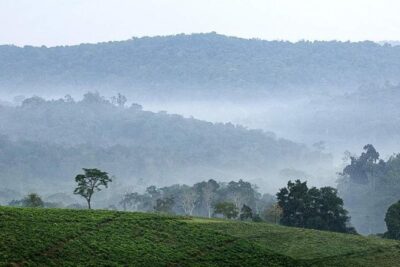
This is where the trip earns its reputation for variety. After lunch, you hike into lush cloud forest for around 3 hours, where you might see colorful flowers, orchids, and hummingbirds. It’s a tonal shift from the high, exposed feeling at the pass to a more shaded, living-feeling world. Even if you’re tired, that change helps keep your attention.
Then you finish the day in Collpapampa, where you rest in cozy Andean huts. You’ll likely hear nature all night long, and that quiet can be a welcome reset.

Day 2 reality check
The pass day is as much about breathing and steady effort as it is about walking. If you’re the type who goes out too fast, you’ll feel it here. If you take it slow and keep moving, you’ll have a much easier time enjoying both the pass views and the cloud forest.
Pachamanca and coffee: food as fuel, not just a meal
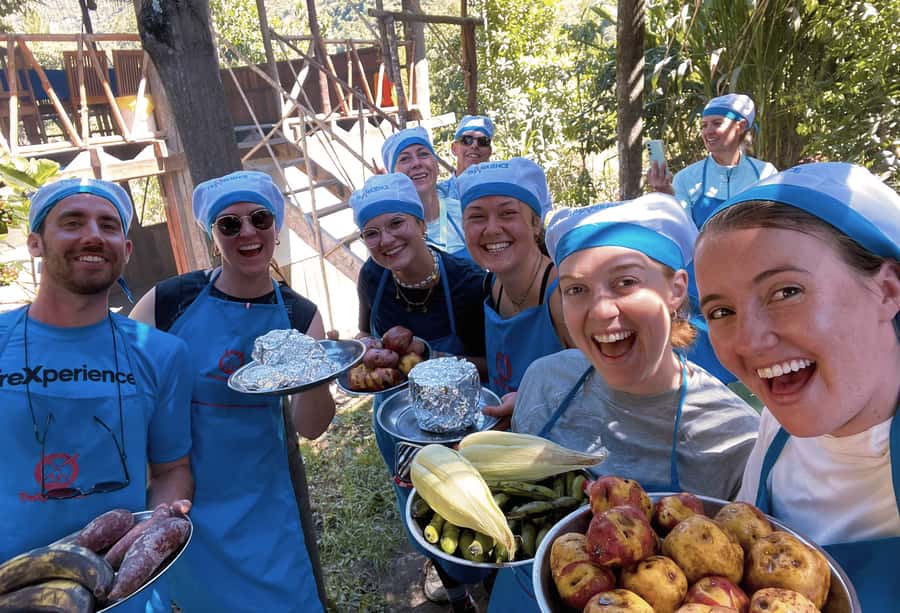
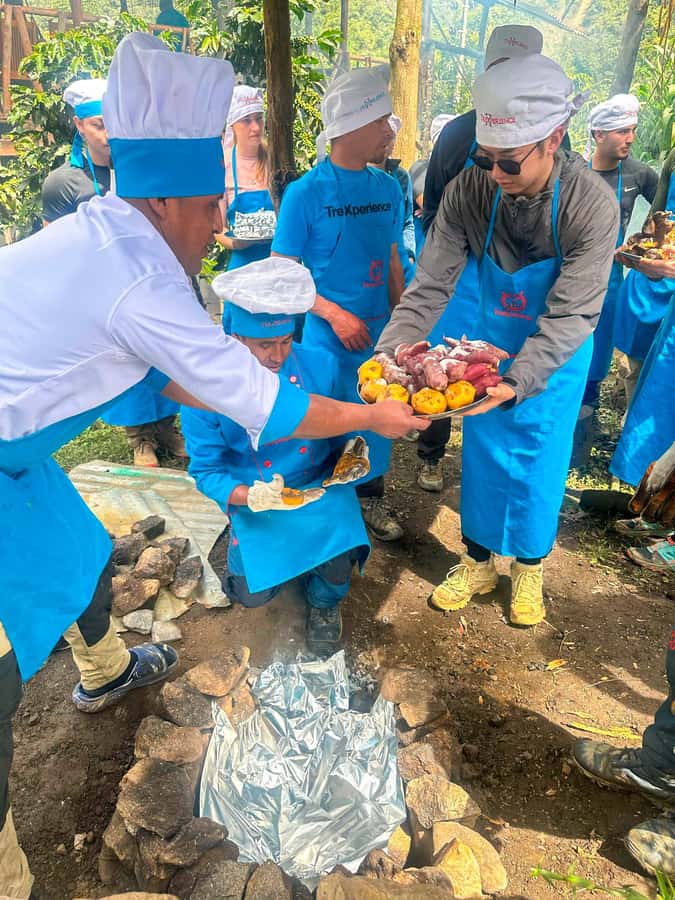
Day 3 starts with breakfast, then you hike for about 3 hours to Lucmabamba. This is where you get one of the most culturally grounded parts of the experience: a traditional Pachamanca barbecue.
Pachamanca is cooked using hot stones underground, and that slow method changes the flavor and texture in a way you won’t get from a normal grill. You’ll eat vegetables, fruits, and meats as part of the meal. It’s hearty, and it feels right for a trekking day when your body needs actual calories.
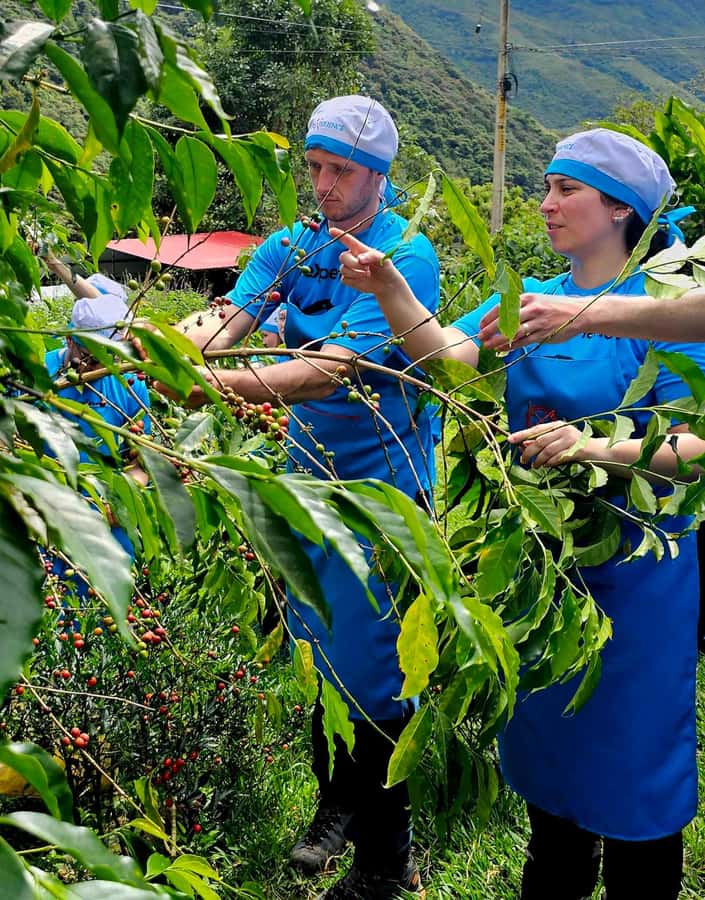
After Pachamanca, you visit a coffee farm and learn the process from bean to cup. Then you prepare your own freshly brewed espresso. It’s not just tasting; it’s learning how the coffee becomes what’s in your cup.
Then you transfer by drive to Hidroeléctrica, followed by a further 3-hour hike to Aguas Calientes. When you check into your 3-star hotel, you’ll have a much more normal travel rhythm again: shower, dinner at a local restaurant, and sleep with fewer “trail problems.”
A smart strategy for Day 3
You’ll be tempted to overpack at breakfast. Don’t. The coffee and Pachamanca are filling, and you’ll still hike after. Keep your energy steady and save your celebratory snacks for moments you actually need them.
Machu Picchu at sunrise: guided time that’s long enough
On Day 4, you rise early to catch a bus to Machu Picchu for sunrise. The goal isn’t only getting in; it’s watching the light spread over the surrounding mountains. Early entry also helps you beat the heavier crowds.
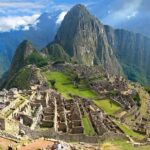
Then you get a guided exploration of the citadel, usually 2–3 hours. Your expert guide covers key areas and shares the history and mysteries of the site. You won’t just walk around with a photo spree mindset. You’ll understand what you’re looking at as you go.
Afterward, you head back to Aguas Calientes for lunch, which is not included, and then you ride back to Cusco by train. Your return includes transfers, with your team meeting you in Cusco to take you to your hotel.
Ticket reality: Circuits and optional hikes
This tour includes Circuit 2 by default. If that’s sold out, Circuit 1 or 3 will be assigned. If you want Huayna Picchu tickets, you need to book in advance. The same goes for optional hike upgrades like Machu Picchu Mountain.
If you’re picky about your route inside the citadel, plan ahead before you lock in travel dates.
Vistadome vs 360° train: why the ride home matters
The train back is more than scenery. It’s recovery time. After hiking and altitude, you’ll want your legs to stop working for a bit, and the train does that while keeping the day interesting.
You’ll ride either the Vistadome or 360° panoramic train back to Cusco, depending on availability. Expect big views through the windows—enough to make the journey feel like a continuation of the adventure instead of a dull commute.
Also, this matters for logistics. The tour includes all transportation, so you’re not stitching together train schedules, pickup times, and local transfers after a long day at Machu Picchu.
Price and value: what you’re paying for (and what you should double-check)
At $552 per person for 4 days, you’re paying for the hard-to-manage parts: organizing early pickups in Cusco, guided trekking with entrance coverage, full meal support, camp and hotel lodging, and the panoramic train return.
If you tried to build this trip on your own, you’d likely spend time coordinating multiple vendors and still worry about whether meals, permits/tickets, and timing line up smoothly at altitude. Here, the value is the “everything runs” approach—plus that small group size cap of 16.
That said, I’d double-check what you’re responsible for personally:
- Last day lunch in Aguas Calientes is not included
- You may need to book specific Machu Picchu options like Huayna Picchu in advance
- Some trekking gear can be rented if needed (sleeping bag, air mattress, trekking poles)
One more heads-up: warm shower details can vary, and some travelers consider extra shower fees a letdown. If a hot shower is a must for you, treat this as a “plan on it, don’t assume it” situation.
Who should book this trek (and who should skip it)
This is a strong fit if you want:
- Real high-altitude trekking with a meaningful finish at Machu Picchu
- A structured group experience with guide support, meals, and comfort upgrades like glamping
- Cultural stops that go beyond checking boxes (Pachamanca and coffee farm learning)
It’s not a fit if:
- You’re pregnant, have back problems, heart problems, mobility impairments, or you use a wheelchair
- You need the trip to be low-impact
Also, be honest about your fitness. The Salkantay Pass ascent and multi-hour hikes are not casual. If you’re unsure, it’s worth preparing with hills and endurance workouts before you arrive.
Packing and altitude tips that actually help
The tour provides several items you’ll be grateful for: a duffle bag (up to 7 kg / 11 lb), pillow, sleeping pad, rain poncho, and hand towels. Safety support is also included with a satellite phone, first-aid kit, and an oxygen tank.
Still, you should bring:
- Passport
- Hiking shoes or very solid comfortable shoes
- Sunglasses, sun hat, sunscreen
- Rain gear and a change of clothes
- Insect repellent and toiletries
- Cash (useful in many small places)
- A flashlight
A couple practical thoughts:
- Pack layers. Mornings can feel cold, then sun hits hard at altitude.
- Expect weather changes. Rain gear isn’t optional—just smart.
- Keep your day items small. You’ll appreciate having the right things easily reachable without unpacking your whole kit.
And a quick note on rules: no smoking, no alcohol and drugs, no littering, and no unaccompanied minors. You’ll also want to skip fireworks or open flames—making fire isn’t allowed.
Should you book this Salkantay + Machu Picchu trek?
Book it if you want Machu Picchu to feel like the climax of a journey, not a standalone ticket. The combination of Humantay Lake, a real climb over the Salkantay Pass, Pachamanca, coffee learning, and a guided Machu Picchu visit is the recipe here.
I’d hesitate if you’re extremely sensitive to lodging variability on the trek (especially the Andean hut night) or if you need a trip that guarantees every comfort detail. Also, if your health or mobility limits are a concern, this one isn’t designed for you.
If you’re prepared for early mornings, steady hiking, and some altitude reality, this tour offers strong value in the way it handles logistics while still delivering authentic moments.
FAQ
How long is the tour?
The tour runs for 4 days.
What time is pickup in Cusco?
Pickup is around 4:30 a.m. from your hotel in Cusco’s Historic Center. Please be in the lobby about 10 minutes before pickup time.
How big is the group?
The group is limited to a small group size of up to 16 participants.
What languages are the guides?
The live tour guide speaks English and Spanish.
What lodging is included during the trek?
You get 1 night in glamping tents at Salkantay Camp, 1 night in Andean huts at Collpapampa, and 1 night in a 3-star hotel in Aguas Calientes with breakfast.
Are meals included?
Yes. Meals on the trail are included: 3 breakfasts, 3 lunches, 3 dinners, plus water and daily snacks.
Does the tour include Machu Picchu access?
Machu Picchu entrance is part of the overall tour ticketing details, and the tour includes Circuit 2 by default (with Circuit 1 or 3 assigned if Circuit 2 is sold out). Huayna Picchu tickets and Machu Picchu tickets are listed as needing advance booking.
Do you return to Cusco by train?
Yes. You return to Cusco by Vistadome or 360° panoramic train, and transfers are included.
Is this trek suitable for everyone?
No. It’s not suitable for pregnant women, people with back problems, people with mobility impairments, wheelchair users, or people with heart problems. Unaccompanied minors are also not allowed.