REVIEW · KATHMANDU
Everest Base Camp Trekking – 16 Days
Book on Viator →Operated by Eco Holidays Nepal · Bookable on Viator
Everest Base Camp begins with a flight.
This 16-day trek blends city culture in Kathmandu, Sherpa village life in Khumbu, and the big payoff: Everest Base Camp plus standout viewpoints like Kalapathar. What I like most is the way the route builds you up step by step, so the scenery feels like a reward instead of a surprise attack.
I also really value the built-in acclimatization rest days, especially in Namche and Dingboche, because they give your body a fighting chance at altitude. One real consideration: Lukla flights can be weather-dependent, so delays happen—and this itinerary plans an extra Kathmandu day if that affects you.
In This Review
- Key things that make this Everest Base Camp trek work
- Kathmandu warm-up: Durbar Square, dinner, and getting your bearings
- Price and logistics: what $2,350.34 covers (and why it matters)
- The Lukla flight: 30 minutes that feel like a boundary line
- Phakding to Namche Bazaar: rhododendron trails and Sherpa village rhythm
- Namche and Dingboche rest days: why you should thank your legs
- Tyangboche Monastery: where the trek gets spiritual (and quiet)
- Lobuche and the Khumbu glacier zone: the trail gets raw
- Everest Base Camp day: the highlight is real, but pace still matters
- Kalapathar at 5,545 m: the view that makes the discomfort feel fair
- Pangboche to Namche: long downhill walking and monastery color
- Lukla back to Kathmandu: the mountains fade, the memories don’t
- Meals, lodging, and the provided equipment: small things that reduce stress
- Who should choose this Everest Base Camp trek?
- Should you book this 16-day Everest Base Camp trip?
- FAQ
- What’s the duration of this Everest Base Camp trek?
- Where does the tour start?
- Is round-trip flight included?
- Are meals included during the trek?
- What’s included in the price besides guides and accommodation?
- Is a porter included to carry luggage?
- Are entrance tickets for Kathmandu Durbar Square and the monastery included?
- What happens if flights are delayed due to weather?
Key things that make this Everest Base Camp trek work
- Lukla jumpstart: a short flight that kicks off the trek fast, rather than spending days just getting into the mountains
- Acclimatization built into the schedule: rest days in Namche and Dingboche help you adjust before going higher
- Tengboche monastery stop: a cultural anchor day, not just miles on a trail
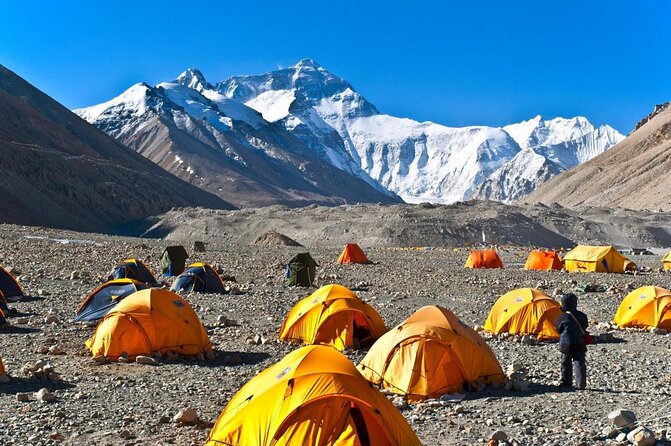
- Real Everest hits: Base Camp plus Kalapathar for close-up views of Everest and neighboring giants
- Sagarmatha National Park focus: the route is centered on the protected Khumbu landscapes
- Small-group feel: maximum 15 people per booking, with an assistant guide if the group is larger than 6
Kathmandu warm-up: Durbar Square, dinner, and getting your bearings
Your trip starts in Kathmandu with a pickup and a proper hotel check-in. Day 1 is your jet-lag buffer. That matters on this kind of trek because altitude doesn’t care if you arrived tired. You’ll also get a trek-group dinner at a local Nepalese restaurant, plus cultural programming in the evening. It’s a nice way to meet your guide and get a sense of pacing before the first serious walking days.
Day 2 is for context. You’ll visit Kathmandu Durbar Square for heritage-focused sightseeing and a little local culture immersion (without pretending it’s a museum tour). Admission is noted as not included, so if you care about ticket timing, check what the day will require before you go. Also, this day functions as preparation: you’re not yet “in Everest mode,” but you’re sorting your questions, gear needs, and overall plan.
If you’re someone who likes structure, Kathmandu here is solid. It’s enough sightseeing to feel like Nepal, but it still keeps the main purpose in view: getting you ready for Khumbu.
You can also read our reviews of more tours and experiences in Kathmandu.
Price and logistics: what $2,350.34 covers (and why it matters)
At about $2,350.34 per person, this price isn’t just “walking with a guide.” It includes several of the parts that usually cost extra—or become stressful if they’re missing.
Here’s what’s included that usually drives real value on Everest itineraries:
- Round-trip flights (Kathmandu to Lukla and back)
- Private vehicle transport in Kathmandu
- Guide and insurance (and an assistant guide if your group is bigger than 6)
- National park fees
- Accommodation during the trek
- Meals: breakfast, lunch, and dinner on scheduled days
- Necessary trekking equipment provided during the trek (returned at the end)
What’s not included is also important:
- porter service (they explicitly list porter for caring luggage as not included)
- alcohol
- WiFi, battery charging, and shower availability at high elevations
- souvenir photos
So the value question becomes simple: are you paying for convenience and risk reduction? If yes, this package fits. If you already know how to run your own logistics—permits, flights, meals, lodging, and staffing—then you might compare alternatives. But for most people, the included flights + staffing + permits are the heavy lifting you don’t want to piece together alone.
The Lukla flight: 30 minutes that feel like a boundary line
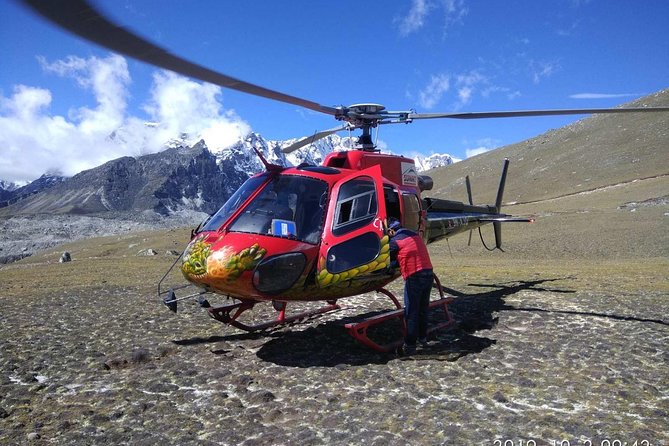
Day 3 kicks off the trek for real after a short flight from Kathmandu to Lukla (listed as 30 minutes). In practice, it’s a psychological shift. You go from city Nepal into the gateway altitude corridor where the trek starts looking and feeling serious.
Once you land, you trek to Phakding for the day’s end. This first trekking day is also where you learn how the trail “talks” to you: steady uphill segments, dips that reset your rhythm, and the reality that trekking boots feel different on day 1 than they do on day 1 at home.
A practical note: because flights depend on weather, always carry patience. Even if the schedule looks firm, Lukla can be fickle. The itinerary accounts for disruptions later with an extra day in Kathmandu, but you’ll still want a calm mindset early.
Phakding to Namche Bazaar: rhododendron trails and Sherpa village rhythm
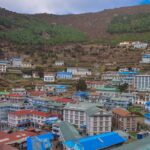
Day 4 moves through tall pines and rhododendron along the way to Namche Bazaar, the key gateway town for Everest-region trekking. Namche is where you start noticing the mix of cultures: Sherpa life, trekking tourism, prayer flags, and the mountain presence that feels close even before you reach high altitude.
You’ll overnight in Namche at a lodge. This matters more than it sounds. When lodging is included, you’re not scrambling for options in a place where availability can be tight during peak seasons.
Day 4 is also when the “tall peaks ahead” feeling becomes real. Even if you can’t read every ridge, you’ll see enough to get that wide-eyed moment—then you’ll sleep and wake up thinking about altitude, not just views.
Namche and Dingboche rest days: why you should thank your legs
Day 5 is a rest day dedicated to acclimatization. You’ll hike around Namche, visit a museum, and stroll for views. The point isn’t to exhaust yourself; it’s to keep your body learning the altitude while your schedule stays manageable.
Day 7 through Day 8 follows that same idea in the next bigger altitude step. After trekking to Dingboche (passing villages like Pangboche and Deoboche), you get another acclimatization day. You’ll stroll around and enjoy the surrounding peaks.
This is one reason I like this itinerary. Some Everest plans rush you higher too quickly, then act surprised when people get hit by altitude. Here, the rhythm is: go up, rest, go up again.
If you want practical advice: on these rest days, walk a bit, drink fluids, and don’t treat the day like a free-for-all. Your goal is to feel better tomorrow, not prove something today.
Tyangboche Monastery: where the trek gets spiritual (and quiet)
Day 6 is one of the cultural anchors: trekking from Namche toward Tyangboche and visiting Tengboche Monastery. You’ll see monks and priests during religious activities and get a break from the purely mountain-and-miles feel.
Admission to Tyangboche/Tengboche is listed as not included, so you may have extra costs depending on timing and local rules. But even if you only manage part of the visit, this stop changes the tone of the trek. It’s the day where the mountains aren’t the only headline.
Another practical advantage: monastery days tend to have a natural pace. You’re not just “grinding uphill.” You’re walking, absorbing, then settling into a lodge night in a place that feels more like a mountain community than a transit stop.
Lobuche and the Khumbu glacier zone: the trail gets raw
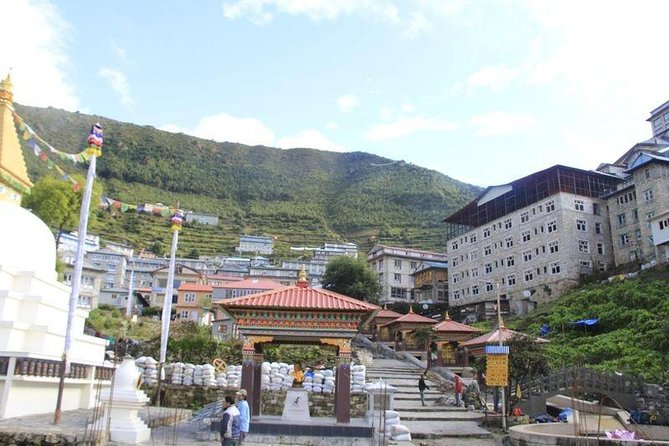
Day 9 takes you from the Pheriche valley area toward Lobuche. The description highlights views of Cholatse and Taboche peaks, and mentions Thugla, where you’ll see a massive Khumbu glacier melting into a raging river.
Whether you love geology or not, that description is a good hint of what you’ll feel: colder air, harsher terrain, and the sense that you’re closer to glacier power than to friendly forest walking.
Lobuche is your overnight stop here. It’s also a staging point before the final push to Everest Base Camp.
If you’re sensitive to long walking days, Day 9 is where you’ll want to stay disciplined. Eat on time, drink regularly, and keep your pace steady. This is not the day for hero moments.
Everest Base Camp day: the highlight is real, but pace still matters
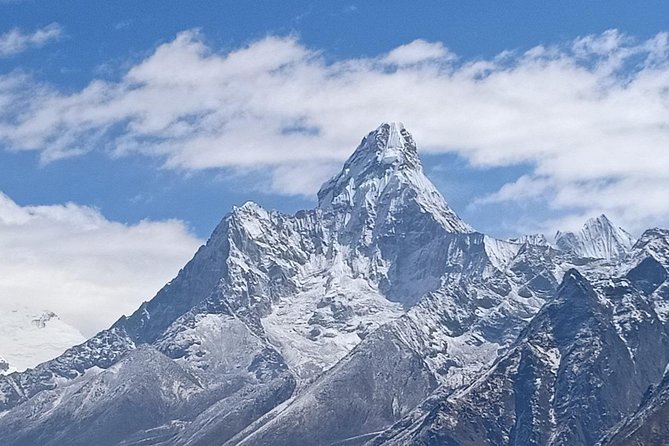
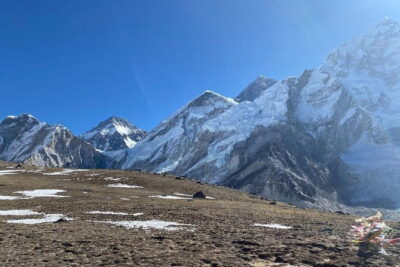
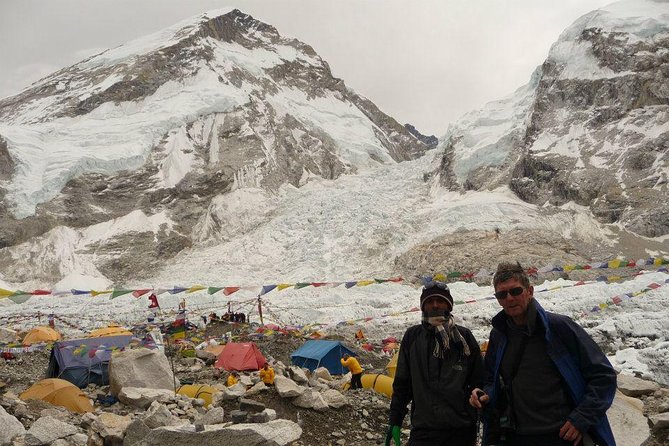
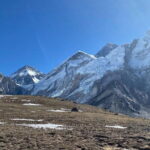
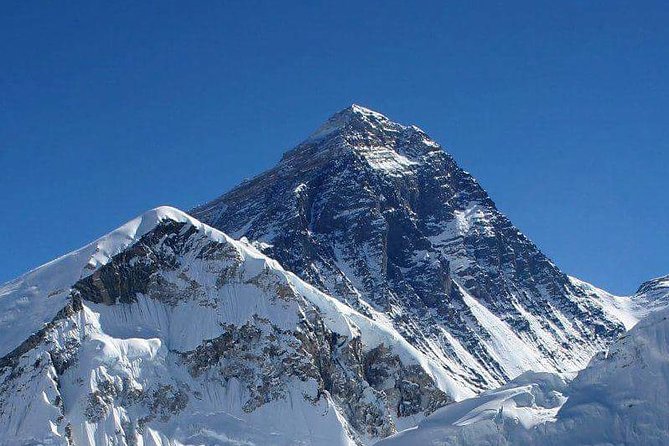
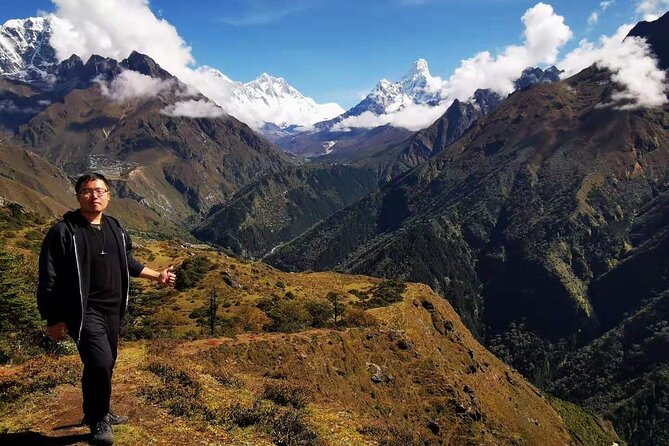
Day 10 is the big day: a long walk that leads to Everest Base Camp, the trek highlight. You’ll enjoy watching towering peaks like Mt. Everest, Nuptse, Lhotse, and Pumori.
This is where the trek earns its reputation. The trail becomes a corridor to the Everest zone, and the base camp area gives you that rare feeling: you’re seeing what you came for, not just images of it.
But even with the excitement, I’d still watch your pace and breathing. Base Camp days are famous for people moving too fast because adrenaline takes over. If you do that, you’ll pay for it later in fatigue.
After your time at Base Camp, you’ll return to Gorakshep for the night. Gorakshep is a reminder that Everest is the main character. Even before Kalapathar, the air feels more unforgiving.
Kalapathar at 5,545 m: the view that makes the discomfort feel fair
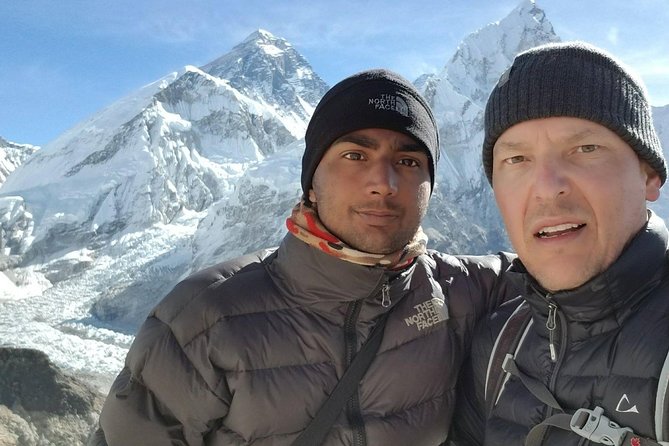
Day 11 begins early—before breakfast—with a climb to the top of a rocky hill at above 5,545 m, described as the highest spot of the adventure. You’re rewarded with an overwhelming panorama and close views of Everest and Mt. Pumori.
This is where you get the kind of vista that turns a lifelong dream into a memory you’ll keep replaying. The itinerary then has you descend to Gorakshep for breakfast. After that, you continue trekking down to the Pheriche valley, and then reach Pangboche for an overnight stay.
That next-day descent is smart. You’re not immediately repeating the hardest climbing. You’re letting your body recover while still keeping forward motion.
Practical tip: at Kalapathar, your legs might feel less important than your breathing. Go slow, keep sipping water, and accept that slow is the right speed here.
Pangboche to Namche: long downhill walking and monastery color
Day 12 turns into an “easy downhill but long walk,” heading from Pangboche back toward Namche Bazaar. You’ll pass through Tyangboche again, including a climb to the monastery and colorful Buddhist surroundings described in the route.
Then you reach Namche for your final overnight in Khumbu before the trek winds back toward Lukla.
Day 13 is the return hike from Namche to Lukla—following the route you started with earlier. This is when the trek changes character. You’re not chasing new terrain. You’re connecting the dots: the towns, the ridgelines, the glacier views, the places that now feel familiar.
Lukla back to Kathmandu: the mountains fade, the memories don’t
Day 14 is flight day from Lukla back to Kathmandu. After landing, you transfer to your hotel and get the full rest-of-day reset.
Day 15 is a built-in safety valve: an extra day reserved in Kathmandu or for the whole program in case of flight problems due to bad/unfavorable weather at Lukla or earlier in the trip. It’s a thoughtful detail. It means you’re less likely to end up stranded with a rigid schedule.
Day 16 closes the loop with a transfer to Kathmandu International Airport for your onward flight home or onward travel.
Meals, lodging, and the provided equipment: small things that reduce stress
On a trek like this, food and lodging logistics can make or break your energy. Here, you’ll have breakfast, lunch, and dinner included on the schedule (with breakfast listed 15 times, and dinner/lunch listed 11 times each).
That matters because Everest-region walking can be repetitive: you need calories, and you need them reliably. When meals are included, you’re not constantly calculating what you can afford at every stop.
Also, the trek includes “necessary equipment” during the trek, with an explicit note that you’ll need to return it after finishing. The specific items aren’t spelled out here, so keep a close eye on your pre-trek checklist from your guide/operator. Plan to bring your personal essentials (things like layering pieces, gloves, and any personal medication you rely on), because provided equipment won’t cover everything you personally prefer.
Finally, the itinerary is clear about what you won’t get at high elevations: WiFi, battery charge, and shower access aren’t included. That’s normal in this region, but knowing it up front helps you pack realistically.
Who should choose this Everest Base Camp trek?
This trek fits best if:
- you want a guided, structured route with meals and lodging included
- you’re comfortable with moderate physical fitness expectations for trekking and altitude (the operator lists it as not recommended for serious medical conditions)
- you prefer a group capped at 15 people, with the option of an assistant guide if the group is larger
- you want a private group experience (only your group participates)
It may not be the best fit if:
- you have heart complaints or serious medical conditions
- you’re pregnant (not recommended)
- you need reliable high-elevation amenities like charging, WiFi, or showers
- you want a porter included for luggage (this is listed as not included)
Should you book this 16-day Everest Base Camp trip?
I’d consider booking if you want the Everest logistics handled for you: flights, permits/fees, guides, lodging, and the meal plan are all part of the package. The itinerary’s inclusion of acclimatization days (Namche and Dingboche) is a big plus, and the extra Kathmandu day for weather delays is a grown-up touch.
Before you hit book, I’d do two quick reality checks:
1) Are you okay with Lukla flight variability and possible schedule shifts?
2) Are you bringing a plan for luggage weight, since porter service for caring luggage is not included?
If you answer yes to both, this is a strong, practical way to do Everest Base Camp in 16 days—focused on the right things: altitude pacing, major viewpoints, and getting you back down safely with memories that actually hold up.
FAQ
What’s the duration of this Everest Base Camp trek?
The trek runs for 16 days (approx.).
Where does the tour start?
It starts with pickup and coordination in Kathmandu, with the meeting point listed as Tribhuvan Airport, Kathmandu, Nepal.
Is round-trip flight included?
Yes. Round-trip flights are included.
Are meals included during the trek?
Yes. Breakfast, lunch, and dinner are included on scheduled days (listed as breakfast 15 times, dinner 11 times, and lunch 11 times).
What’s included in the price besides guides and accommodation?
The package includes national park fees, local taxes, transport by private vehicle, and necessary trekking equipment provided during the trek (returned after).
Is a porter included to carry luggage?
No. A porter for caring luggage is not included.
Are entrance tickets for Kathmandu Durbar Square and the monastery included?
Admission tickets for Kathmandu Durbar Square and Tyangboche are not included.
What happens if flights are delayed due to weather?
An extra day in Kathmandu is reserved (Day 15) in case of flight problems due to bad or unfavorable weather at Lukla or earlier in the program.