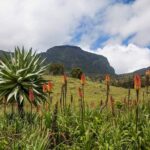
Simien ridgelines change your sense of distance. Trekking in Ethiopia’s Simien Mountains National Park puts you in a World Heritage landscape with big altitude scenery and wildlife chances like the scarlet-chested gelada baboon. You’re also in the same dramatic highland system that includes Ras Dashen, Ethiopia’s highest peak at 4,533m.
I especially like the small group limit (up to 4), because it keeps the pace human and the guiding personal. I also like that so much is already handled for you: English-speaking guide plus scout, 4WD from Gondar, tents, sleeping bags and mattresses, cooking gear, daily food, and bottled mineral water.
One consideration: this is weather-dependent highland trekking. If conditions aren’t good, the trek can be moved or refunded, and you should plan on a moderate fitness level for daily walking in altitude country.
In This Review
- Key highlights you’ll feel fast
- Simien Mountains: the big views you came for, with real wildlife odds
- Who leads the trek matters more than you think
- The 4-day flow: Gondar to Sankaber, then onward to Geech
- Day 1: Gondar to Debark, then into the park toward Sankaber
- Day 2: Sankaber to Geech Camp
- Days 3–4: continuing the highland rhythm through Simien
- Wildlife and birds: what makes Simien different from other treks
- Food and camp comfort: practical wins, not just survival
- A small note on pacing
- Price and value: what $2,200 covers for a group of up to 4
- Weather, season choice, and fitness reality
- Should you book this Simien 4-day trek?
- FAQ
- FAQ
- How long is the Simien Mountains trek?
- What does the price include for a group?
- What’s not included in the trek price?
- Do I need to be in shape to go?
- What happens if the weather is bad?
- Is cancellation allowed after booking?
Key highlights you’ll feel fast
- Small group size (maximum 4 travelers) for smoother decisions on trail pace and timing
- English-speaking guide, plus scout and professional cook for real on-the-ground support
- All park entrance fees included, so you’re not scrambling for paperwork mid-trip
- Camping setup included: tent, sleeping bag, and mattress, plus cooking materials
- Wildlife focus in the Simien region: geladas, plus chances for ibex, Simien fox, and many bird species
Simien Mountains: the big views you came for, with real wildlife odds
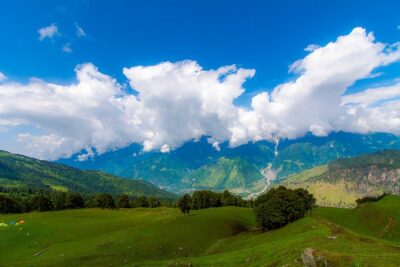
The Simien Mountains feel like an entire world of high ridges and drop-offs. It’s often compared to the Grand Canyon for its scale and steep relief, but what makes it special here is the way the park is part of Africa’s highland ecosystem, not just a pretty backdrop.
This area is a World Heritage Site, and that matters in how the trek is experienced. It’s not a walk-through attraction. It’s a protected mountain region where you can look up from the trail and actually see wildlife that’s tied to these cliffs—especially the gelada baboons, known for their scarlet-chested look.
You’re also in range of major Ethiopian mountain history and geography. Ras Dashen is the highest peak in Ethiopia at 4,533m, and even if you’re not summiting, the presence of that altitude energy shapes how the days feel: cooler air, thinner atmosphere, and a sense that you’re far from roads and noise.
You can also read our reviews of more tours and experiences in Ethiopia.
Who leads the trek matters more than you think
A guided trek lives or dies on communication and calm planning. This one is built around an English-speaking guide, a scout, and a professional cook. That trio is what keeps the trip working on the practical level—finding the right trail decisions, setting camp efficiently, and keeping everyone fed without drama.
The company behind it is North Ethiopian Tour Operator, and the guides connected with the experience include Adem as the operator/lead figure and Jackson as a guiding presence mentioned in feedback. The consistent theme is clear: the crew helps the experience run smoothly, and the language barrier is handled. If you’ve trekked elsewhere and felt lost in translation at the wrong moment, you’ll appreciate how much clarity that brings.
Also, the small group size (max 4) is not just a comfort detail. With a tiny group, your guide can adjust pacing for how you’re feeling that day. On mountain trails, that difference shows up in whether you end the day feeling fine—or wrecked.
The 4-day flow: Gondar to Sankaber, then onward to Geech
The trek starts with getting you into the Simien region in a manageable way. You depart early from Gondar to Debark, then you handle park office arrangements and meet your scout and guide. From there, it’s a drive into the park to reach Sankaber—the first campsite.
Day 1: Gondar to Debark, then into the park toward Sankaber
Day one is partly logistics, partly acclimatization by walking. In Debark, you arrange the park visit and confirm the scout and guide for your trip. Then you drive into the park to arrive at Sankaber.
You have a neat option on the way in: the car can drop you off near Buyit Ras for a short hike. If you take that, it’s a chance to get your first big views and settle into the rhythm of the ridges. It’s also a moment where wildlife can pop up—gelada baboons are specifically mentioned as a likely sight on that opening portion.
When you reach Sankaber, you’re met with supplies and camp is set up for you. That’s the big theme of the whole trip: you’re trekking, but the heavy “making life work” parts are handled.
Day 2: Sankaber to Geech Camp
On day two, you continue from Sankaber to Geech Camp. This is where the trek starts to feel more like a true mountain journey rather than a long travel day.
You should expect the day to be focused on walking between camps, with the guide and scout making the route decisions. The exact trail feel changes day to day, but the structure is clear: morning movement, time for breaks and sightings, then arriving at camp and returning to that campsite routine.
Even without having every technical detail spelled out here, the important part is how camp support is built in. You’re not doing this as a solo backpacking expedition where you wonder if meals will happen or if your gear is adequate.
Days 3–4: continuing the highland rhythm through Simien
After Geech Camp, the remaining days continue through the park with more trekking between camps until the trek concludes back out of the Simien region. The overall format stays the same: guided trail time, camp set-up, and daily food and water.
That consistency is valuable for comfort and safety. High-altitude trekking is hard enough without adding guesswork. You’ll always know that tents, sleeping gear, cooking materials, and the daily meal plan are part of the package.
Wildlife and birds: what makes Simien different from other treks
Plenty of mountain trips promise wildlife. Simien’s advantage is that the region is known for species that actually belong here.
The park includes the scarlet-chested gelada baboon, which you’ll hear about for a reason: they’re closely tied to cliff and grassland zones. The experience also calls out other unique residents like the Alia ibex, the Simien fox, and rich bird life, with over fifty species recorded in the park.
On your trek days, wildlife isn’t guaranteed—but the areas you pass through are chosen for higher odds. The fact that geladas are specifically mentioned near the early trail entry point is a good sign that you’re not just hiking through empty scenery.
If birdwatching is your thing, this is also where that interest can pay off. More than one species of birds is part of the park’s identity, and a good guide (plus extra time for stops) makes it more than a checklist.
Food and camp comfort: practical wins, not just survival
One of the best values in this trek is that comfort is treated as a trekking tool, not a luxury afterthought.
Your setup includes a tent, sleeping bags and mattresses, and complete cooking materials. That matters more than people think. A bad night on a mountain trek can turn tomorrow into a misery march. A proper sleep system helps you keep your pace and your mood.
On the meal side, you get plenty of food and bottled mineral water every day. You’re also traveling with a professional cook, which shows up in feedback as careful, effortful meals and helpful support.
Is the food going to be fancy restaurant cuisine? That’s not the point. The point is that you’re well-fed while you’re burning energy uphill, and you’re not managing pots and timing yourself.
A small note on pacing
Because this is moderate physical fitness level trekking, your daily walking needs to stay within what you can handle. Your guide can adjust, but you still want to arrive in decent shape so you’re not constantly playing catch-up.
Price and value: what $2,200 covers for a group of up to 4
At $2,200 per group (up to 4), the first question is often simple: is it expensive? The second, more useful question is what you’re getting for that money.
Here’s the value structure that stands out:
- 4WD transportation to and from Gondar
- English-speaking guide
- Scout
- All entrance fees
- Camping gear: tent, sleeping bags, mattresses
- Daily food and bottled mineral water
- A professional cook with cooking materials
When you add up how many logistics items that removes—transport, permits/fees, gear rental, meal management—the price starts looking less like a random tour fee and more like a bundled service.
What’s not included is also important for planning:
- Alcohol
- Personal insurance
- Flights
- Tips
If you’re coming from outside Ethiopia, flights are obviously a separate big cost. And like any trek, you’ll want insurance that covers hiking and highland activity, even if that isn’t part of the package.
Weather, season choice, and fitness reality
This trek explicitly requires good weather. If conditions are poor, you’ll be offered a different date or a full refund. That’s a fair system for a high-elevation, outdoor product where trails can change quickly.
Season can also change the feel of the trek. One piece of feedback suggests that the trek experience may be better after rains, and that dry season might not suit everyone. I’d treat that as a clue for your decision-making: if you’re sensitive to heat, dryness, dust, or harsh trail conditions, you may want to ask your operator which season is best for comfort when you book.
On fitness: the trek is set for travelers with moderate physical fitness. That doesn’t mean you need to be an athlete, but you should expect daily walking with elevation strain and a steady hiking tempo.
A final practical thought: if you’re traveling solo, a group max of 4 still means you’ll have support, but you’ll also share the vibe with a small number of people. That can be great if you like a close-knit trip.
Should you book this Simien 4-day trek?
Book it if you want a guided, small-group Simien Mountains trekking experience with real camp support and a crew that handles the details. The combination of included gear, daily meals, English support, and a scout is what makes this feel workable, not just adventurous.
I’d be cautious if:
- You’re unsure about your ability to handle highland walking and moderate trekking effort.
- You can’t be flexible with dates if weather forces a change.
- You’re hoping for an easy stroll without any physical strain.
If you like the idea of trekking in a World Heritage park with specific wildlife odds—geladas, ibex, and the possibility of the Simien fox—and you want a trip that’s organized enough to let you focus on hiking and looking around, this one is a strong fit.
FAQ
FAQ
How long is the Simien Mountains trek?
The trekking experience is listed as 4 days (approximately).
What does the price include for a group?
The price is $2,200 per group (up to 4), and it includes an English-speaking guide, scout, 4WD transportation to and from Gondar, all entrance fees, tent, sleeping bags and mattresses, plenty of food and bottled mineral water daily, complete cooking materials, and a professional cook.
What’s not included in the trek price?
The trek does not include alcoholic drinks, personal insurance, flights, or tips.
Do I need to be in shape to go?
Yes. You should have a moderate physical fitness level for this trekking activity.
What happens if the weather is bad?
This experience requires good weather. If it’s canceled due to poor weather, you’ll be offered a different date or a full refund.
Is cancellation allowed after booking?
Yes. Cancellation is free up to 24 hours in advance for a full refund. Canceling less than 24 hours before the start time isn’t refunded.