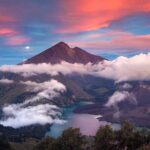
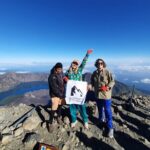
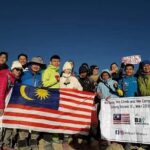
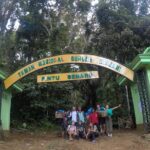
Rinjani wakes you up fast. This 3D 2N route takes you from Senaru to Sembalun’s crater rim, then down to Segara Anak lake and hot springs before finishing with a jungle descent back to Senaru. You’ll hike through grassland stretches, crater views, and darker jungle trails, with the big payoff being early-morning sunrise scenery.
Two things I especially like about this trek: the schedule builds in real time at the crater rim for sunsets and sunrise, and the camp setup is practical (tents, sleeping bags, mattresses, plus a toilet tent and paper). One consideration: day 2 starts brutally early, with a light breakfast at 2:00 am followed by a summit hike for sunrise—great when you’re ready for it, tough if your sleep habits are fragile.
In This Review
- Key Highlights You’ll Feel in Your Legs
- Entering The Rinjani Rhythm: What This Trek Really Is
- Day 1: Senaru to Sembalun Crater Rim and That First Big View
- Practical tip for Day 1
- Day 2: The 3:00 am Summit Hike, Segara Anak, and Hot Springs
- What I like about this day’s pacing
- The one drawback to plan for
- Day 3: Senaru Crater Rim to Senaru Village Jungle Descent
- Guides and Porters: Organization That Shows Up at Camp
- Price and Value: What $250 Covers (and What It Doesn’t)
- Is it worth it?
- Weather, Safety, and Packing for Early Darkness
- What to pack (based on how the days work)
- Who Should Book This Rinjani 3D 2N—and Who Might Rethink It
- Should You Book Jou Trekking for Rinjani 3D 2N?
- FAQ
- What time and where does the trek start?
- How long is the trek, and what does the itinerary include?
- Is transportation included?
- What gear and essentials are included for camping?
- Do I need to pay an entrance fee?
- What happens if the trek is canceled due to poor weather?
Key Highlights You’ll Feel in Your Legs
- Sunset + sunrise on the crater rim: planned viewing time at high altitude makes the early starts feel worth it.
- Day 2 includes the payoff stops: Segara Anak lake at 2,000m plus hot springs, then camp again on the Senaru side rim.
- Camping comfort is included: tents, sleeping bags, mattress, pillow, and camp table/chairs are part of the package.
- Unlimited drinking water during the trek: less stress over refills during long climbs.
- Private group format: it’s set up as a private activity, so your pace and group dynamic can be easier.
Entering The Rinjani Rhythm: What This Trek Really Is
This is the kind of hike that doesn’t let you “casually” admire a mountain. It’s built on altitude, timing, and steady movement. Day 1 climbs from Senaru (601m) up through Sembalun and onward to the crater rim around 2,639m. Day 2 starts in darkness for the summit push, then drops you down to the lake and hot springs before climbing back up to the Senaru side crater rim. Day 3 is the long exhale: a jungle descent back to Senaru (601m).
The route style matters. You’re not just doing a straight out-and-back trail. You’re walking across crater edges, switching sides of the volcano, and spending time looking outward—first toward the crater lake/summit views, then toward Bali’s Mount Agung in the distance from the Senaru side. That change of scenery is a big reason this trek stays popular.
You should also know the package is positioned for hikers with strong physical fitness. That doesn’t mean you need to be a mountain athlete. It does mean you’ll need to handle long days, steep sections, and waking up early repeatedly.
You can also read our reviews of more tours and experiences in Lombok.
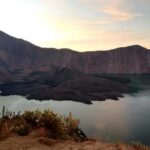
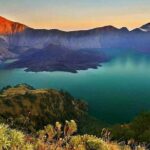
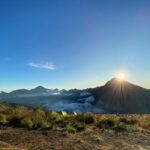
Day 1: Senaru to Sembalun Crater Rim and That First Big View
You start at 7:00 am with a short transfer (about 45 minutes) to Sembalun, then you begin walking at 8:00 am. The day is about getting your body “online.” The terrain transitions from lower areas toward higher ground and continues climbing through open stretches.
Your first meaningful break arrives at Pos 3 (around 1,800m) for lunch. After that, you keep pushing upward for about three more hours to reach the campsite at Plawangan Sembalun (2,639m).
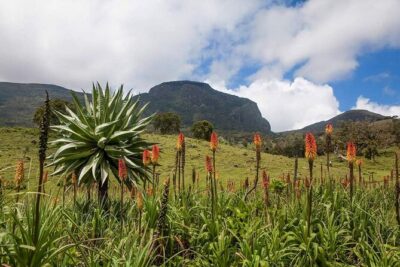
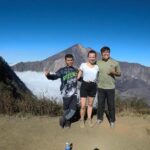
What makes Day 1 feel special is the arrival. You’re not hiking to a random field. You’re camping on the crater rim, where the air is colder and the views are wide. The schedule includes time around sunset, and it also sets you up for the next morning’s sunrise plan.
In the reviews, I see a pattern: people remember reaching the rim and then sleeping close to that sunrise/sunset drama. That’s where a big part of the “why” lives—high-altitude sky changes fast, and crater edges give you a stage-like viewpoint.
Practical tip for Day 1
If you hate carrying gear, this is a place to be glad you can store luggage at the Jou Trekking office. Keep only what you need for the walk in your day bag—warm layers, headlamp, rain cover, and water.
Day 2: The 3:00 am Summit Hike, Segara Anak, and Hot Springs
This is the day that decides how you feel about the whole trek.
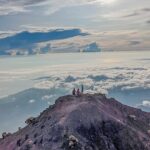
You begin with a light breakfast at 2:00 am. Then the summit hike starts around 3:00 am. The goal is to reach the summit in time for sunrise—so you’ll climb in the dark, guided by headlamps and the steady rhythm of a group moving together.
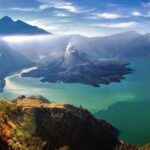
After sunrise, the schedule takes you back down to the campsite for breakfast around 7:00 am. Then you shift into crater exploration mode: you walk to Segara Anak Lake (2,000m) starting about 9:00 am, with lunch by the lake around 1:00 pm.
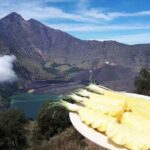
Segara Anak is one of the reasons people pick this specific package. You’re not just chasing a summit photo; you get time near the lake and the hot springs area. The lower elevation also acts like a pressure release after the crater rim intensity—your legs still work, but the mood often changes when you’re near water and heat.
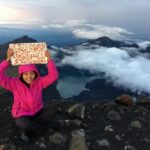
Then comes the second climb of the day. At about 2:30 pm, you walk back up roughly three hours to Senaru crater rim (around 2,641m). You reach camp around 5:00 pm, with time for sunset—including views across the lake toward the volcano and a line of sight toward Mount Agung in Bali.
What I like about this day’s pacing
It’s not just one long climb and then done. You get a structured sequence:
- early-dark summit effort
- sunrise viewing
- lake and hot spring time
- return up to camp on the opposite rim side
That gives you variety, and it also means you’re not staring at one “type” of scenery for all day.
The one drawback to plan for
If you struggle with early starts or you want a slow, romantic pace, Day 2 can feel like a slap. It’s also physically demanding because it’s a summit hike plus crater walking. If you’re good with commitment and timing, this day will deliver.
Day 3: Senaru Crater Rim to Senaru Village Jungle Descent
Day 3 is the finish line, but it’s not a stroll. You start at 8:00 am after breakfast and descend back to Senaru (601m). Lunch is planned around 1:00 pm, and you should arrive in Senaru around 3:00 pm, ending the trek.
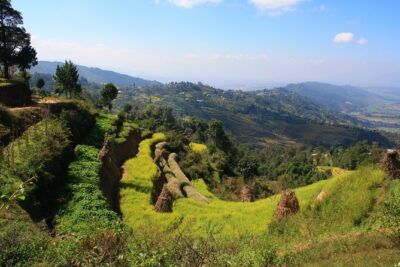
The key detail here is the trail environment. The descent goes through jungle for about six hours (as described in the overview). That usually means mud potential, shade, and a different kind of “work” for your body—your knees and footing matter more here than when you’re on open grassland.
Even though it’s the last day, I recommend treating it like the final set in the gym. Use the right footwear, take your time on slippery sections, and don’t rush just because you can see the village ahead.
Guides and Porters: Organization That Shows Up at Camp
A trek like this is only as good as the people running it.
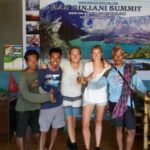
The standout praise in the feedback is about organization and the way guides and porters are treated—and treated as essential. Multiple guides are named, including Anton, Rahmat, and Alek. People also highlight porters Su and Soma, crediting them for getting the camp setup right and keeping the trek manageable.
Even if you never meet the same guide twice in your life, you’ll notice how the team works when:
- camp gear appears where it should
- meals are handled on schedule (including early-day breakfasts)
- water is available during the trek
- the group stays moving without chaos
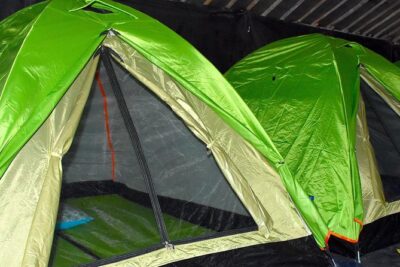
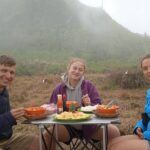
On the comfort side, this package includes tents, toilet tent and paper, and sleep gear: sleeping bags, mattresses, and pillows. That matters at crater rim altitude, where nighttime can feel colder than you expect.
One balanced note: not every experience will match your preferred communication style. One review mentions a guide who provided less interaction than they wanted. You can reduce that risk by setting expectations with your guide early: confirm what pace you’re aiming for, ask how the plan works for breaks, and let them know if you want more check-ins during the climb.
Price and Value: What $250 Covers (and What It Doesn’t)
At $250 per person, this trek is priced like a “full trekking package,” not just a guided walk.
Here’s the practical value breakdown:
- Included: trekking guide and porters (including carrying cooking gear and camping items), unlimited drinking water, and a full camping kit (tent, toilet tent and paper, sleeping bags, mattress, pillow, plus camp table/chairs).
- Not included: transportation to/from Lombok trail areas, and the entrance fee of IDR 750,000 per person.
That entrance fee is the big add-on you’ll want to budget from the start. Also remember the trek meets at the Jou Trekking office in Senaru, and the trek starts at 7:00 am, so you’ll want to be there early and ready for movement.
The “mobile ticket” detail means you should expect your confirmation/ticket access to be handled digitally, which is convenient as long as you can access your phone reliably.
Is it worth it?
For most hikers, the value comes from two things: the camp setup (so you don’t wrestle with gear) and the porter support that keeps the load manageable. For a multi-day, crater-rim hike, those add up fast. If you already have all your own camping gear and you’re a self-supported trekker, you’d compare options differently—but most people book this because it turns a hard trek into a structured one.
Weather, Safety, and Packing for Early Darkness
This experience requires good weather. If it gets canceled due to poor weather, you’ll be offered a different date or a full refund. At the same time, the booking itself is non-refundable and can’t be changed if you cancel for any other reason.
So you’re basically betting on nature, but you’re also committing to the plan once booked. That’s the reality of volcano trekking.
What to pack (based on how the days work)
Your schedule includes climbing in the dark and being at high altitude:
- Headlamp for the 3:00 am summit hike window
- Warm layers for rim-level nights and early starts
- Rain protection (crater and jungle weather can change quickly)
- Sturdy trekking shoes with grip for the descent through jungle
- A day bag for water, snacks, layers, and anything you’ll need before breakfast/lunch
Even with unlimited water available, I prefer having your own bottle so you can sip constantly. It also makes it easier to adjust for your pace.
Who Should Book This Rinjani 3D 2N—and Who Might Rethink It
Book this if you want:
- a structured trek with crater rim camps and planned time for sunset and sunrise
- a route that includes lake views and hot springs
- porter-supported camping comfort rather than DIY logistics
- a private group format where your group can move as one unit
Consider another option if:
- you dislike early starts (Day 2 begins with a light breakfast at 2:00 am and heads out around 3:00 am)
- you’re not confident in your ability to handle long days and altitude walking
- you want lots of slow, social hiking time with frequent check-ins from the guide (one experience in the feedback noted they wanted more contact)
If you’re the kind of traveler who likes sunrise photos but also wants real terrain experience—grassland climbs, crater edges, jungle descent—this route fits.
Should You Book Jou Trekking for Rinjani 3D 2N?
My take: if you’re physically ready for a demanding volcano itinerary, this package looks like good value for your money. You’re paying for structure, camp gear, porter support, and water—things that make or break multi-day treks.
I’d book it if:
- you want sunrise and crater rim views as the centerpiece
- you’re okay with Day 2 being the hardest day
- you appreciate organized meals and camp setup
I’d pause before booking if:
- early-morning hikes wreck your energy
- you need a very interactive guide experience every step of the way
If your goal is to earn that sunrise and then actually spend time at Segara Anak and the hot springs area, this is a straightforward, well-supported way to do it.
FAQ
What time and where does the trek start?
The trek starts at 7:00 am at the Jou Trekking Rinjani meeting point on Jl. Pariwisata, Senaru. There’s also a transfer of about 45 minutes to Sembalun before walking begins.
How long is the trek, and what does the itinerary include?
It’s 3 days (about 3 days) and follows a 3D 2N structure: Day 1 climbs to Sembalun crater rim and camps there, Day 2 includes the early summit hike plus Segara Anak and then camps on the Senaru crater rim, and Day 3 descends back to Senaru.
Is transportation included?
No. Transportation such as pick up before and transfers after the trek is not included in the price.
What gear and essentials are included for camping?
The package includes a tent, toilet tent and paper, sleeping bags, mattress, and pillow, plus camp table and chairs. It also includes a trekking guide, porters (who carry cooking gear and camping items), and unlimited drinking water during the trek.
Do I need to pay an entrance fee?
Yes. There is an entrance fee of IDR 750,000 per person that is not included in the package price.
What happens if the trek is canceled due to poor weather?
If the experience is canceled because of poor weather, you’ll be offered a different date or a full refund. If you cancel for any other reason, the amount paid is non-refundable and cannot be changed.