REVIEW · LOMBOK
Trekking Mt. Rinjani 2 Days 1 Night Senaru Crater Rim
Book on Viator →Operated by Rinjani Excellent · Bookable on Viator
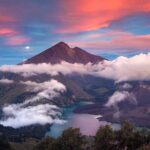
Dawn on Rinjani is a sight you plan for. This 2-day, 1-night Senaru route gets you to the rim for sunrise and sunset views over the Gilis and Mt. Agung, and the camp kit includes a toilet tent to keep things hygienic. One catch: the schedule is tight, the hike is real, and you’ll want a flashlight for the night parts.
After pickup from your Lombok hotel, you sleep in Senaru, then start early to camp on the crater rim before hiking back down to Senaru for your onward transfer. This is a private trek with a master guide, porters, and meals included, which helps you focus on walking instead of managing camp. Still, you should come with a moderate fitness level and comfort hiking uphill in the dark.
In This Review
- Key things to know before you go
- Mt. Rinjani from Senaru: the short-on-time signature trek
- Day 1 in Senaru village: arriving, checking in, and resting up
- Day 2: crater rim sunrise plus sunset, with camp gear you actually use
- Camping on the rim: what the included toilet tent means
- Flashlight is not optional
- Food, drinks, and a real break from decision-making
- Day 3: breakfast panoramas, then the walk back to Senaru
- What’s included, and why it changes the whole experience
- Price and value: is $152 fair for a crater-rim trek?
- What to bring: the practical checklist that prevents misery
- Fitness reality check
- Who should book this and who should skip it
- Should you book this Senaru crater rim trek?
- FAQ
- How long is this Mt. Rinjani trek?
- Where does the trek start?
- Is this the Senaru route to the crater rim?
- Will I see sunrise and sunset from the crater rim?
- What camping gear is included?
- Are park entrance tickets included?
- What should I bring?
- What if the weather is bad?
Key things to know before you go
- Crater rim camping with both sunrise and sunset on Mt. Rinjani
- Views north Lombok: the Gilis (Gili T, Gili Meno, Gili Air) plus Mt. Agung
- Toilet tent included so you’re not improvising at camp
- Master guide and porters included, meaning less logistics for you
- Flashlight required for the night timing and early/late moments
Mt. Rinjani from Senaru: the short-on-time signature trek
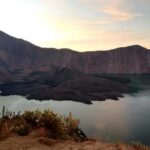
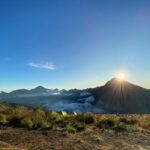
If you want the Mt. Rinjani experience without spending a full week in transit, this Senaru crater rim plan hits a sweet spot. You get pulled toward the iconic high views quickly, and the timing is built around sunrise and sunset—so the big moments aren’t just random luck. From the rim, you’re looking north toward the Gilis (including Gili T, Gili Meno, and Gili Air) with Mt. Agung in the same view line.
What makes it extra appealing is the way the trek is set up for you to manage less. The package includes your guide, porters, and the essentials for camp, so you’re not carrying every detail on top of climbing. You still do the main work—walking—but the heavy “camp admin” is handled for you.
One more reason this route is popular: it’s a classic Lombok bucket-list climb that feels focused. You’re not trying to do a mega multi-day circuit. Instead, you concentrate on the crater rim and the views, which is perfect if you’re short on time but want something meaningful.
You can also read our reviews of more tours and experiences in Lombok.
Day 1 in Senaru village: arriving, checking in, and resting up
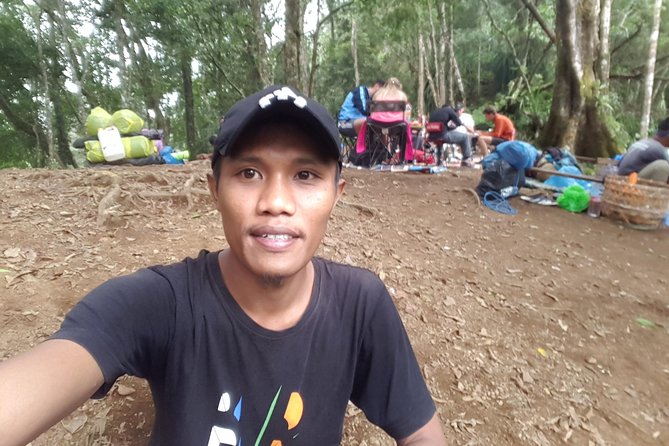
Day 1 is your on-ramp. You’re picked up and transferred to Senaru village, then you check in to a hotel for the night. The program notes about this day are simple because the goal is to get you positioned for an early start—no heroics required.
This is also the day to set yourself up for nighttime comfort. Even though the big hike is coming later, you’ll be happiest if you line up your basics: flashlight access, a plan for where your water goes, and clothing that you can move in without fuss. If you wear trekking shoes, make sure they’re broken in. If you haven’t, this is the day to decide whether you’re okay with a painful learning curve.
A practical detail: this part doesn’t include park entry time. The park ticket is listed as included later, so Day 1 is really about the Senaru base and getting your body calm before the climb.
Day 2: crater rim sunrise plus sunset, with camp gear you actually use
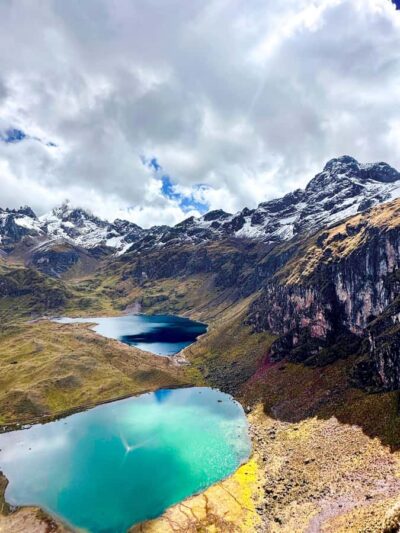
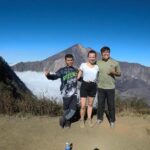
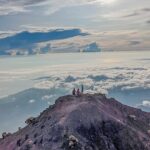
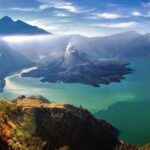
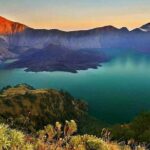
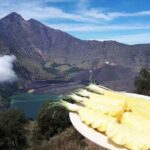
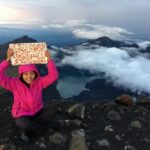
This is the heart of the experience. You start climbing into the Mt. Rinjani National Park area and work your way toward the crater rim for spectacular sunrise views. The program highlights the rim panoramas with the Gilis and Mt. Agung, and you’ll also be in the zone to see the crater’s volcanic features, including a lake area near the volcano section mentioned in the description.
The schedule is built for long day movement. It lists about 8 hours on Day 2, which can feel intense, especially if you’re not used to hiking in the early morning hours. The upside is that you’re not wandering around for days. You’re doing the key thing: getting up to the rim when the light is best.
Camping on the rim: what the included toilet tent means
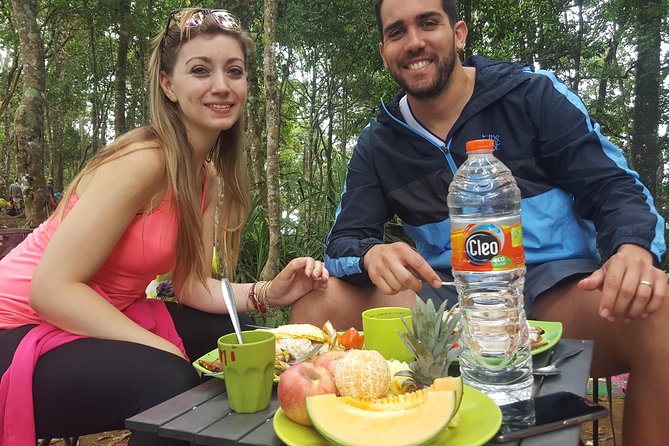
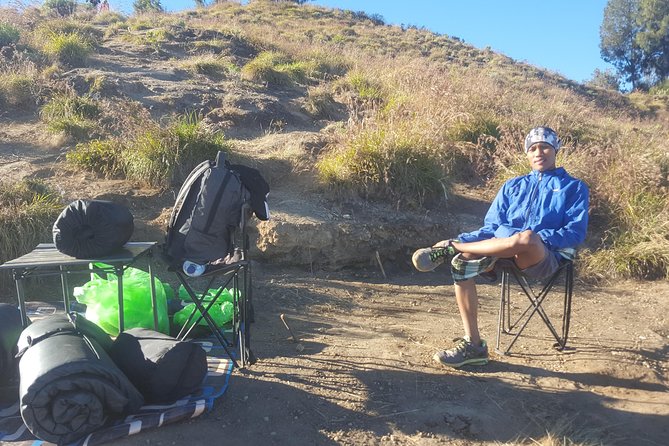
One of the most underrated parts of this trek is the hygiene setup. The camping gear list includes a toilet tent, plus a tent, mattress, and sleeping bag. That matters because a crater-rim night isn’t just about views. It’s also about staying comfortable enough to sleep, recover, and wake up ready for whatever the morning brings.
The camp setup also helps you conserve energy. Since tent gear and cooking gear are included, you can travel lighter in your brain. You’re not constantly checking if you’re missing some essential item. The guide and porters handle the “big picture” work, while you focus on your pace and your safety.
Flashlight is not optional
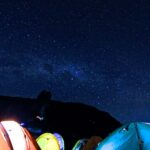
The overview specifically calls out that you’ll need a flashlight. This is for the practical reality of dark starts, late finishes, and moving around camp timing. If you show up without one, you’ll feel rushed and distracted at the exact moment you’d rather be calm.
Food, drinks, and a real break from decision-making
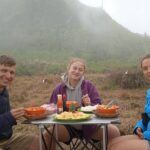
You get foods and drinks during the hike, plus dinner and lunch on the trek days. That removes a common pain point on Indonesian treks: you shouldn’t have to guess what to eat, when to refill, or whether you’ll run out. You’ll still sweat and burn energy, but you won’t have to solve logistics while your legs are already working.
Day 3: breakfast panoramas, then the walk back to Senaru
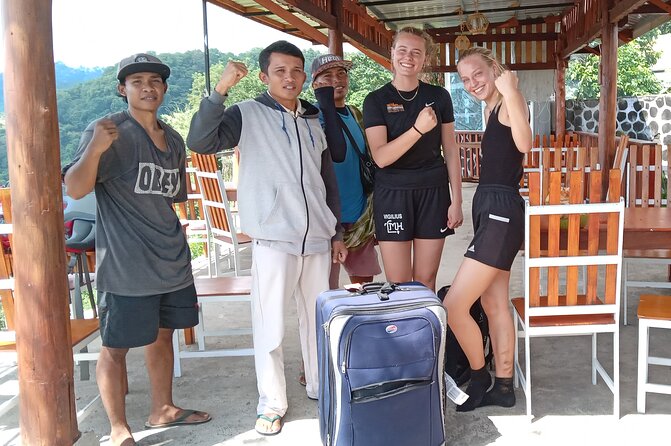
After breakfast, the plan is to guide you on the descent back to Senaru village. Day 3 is listed at about 7 hours, which is a reminder that descending can still be hard on knees and calves. It’s not just “easy walk down” time.
The program also promises panoramas on the way down. This is where you get a different angle on what you climbed into, and it often feels like you’re seeing the whole crater system from a new altitude. It’s also the day you get to connect the dots: the rim views you chased are now behind you, and you can see how the terrain funnels back toward Senaru.
Once you reach Senaru, you’re dropped to your next destination within Lombok. That is a huge value-add for practical travelers. Trekking plans that end mid-island often strand you. Here, you can keep your Lombok route moving without adding a separate day of complicated transport.
What’s included, and why it changes the whole experience
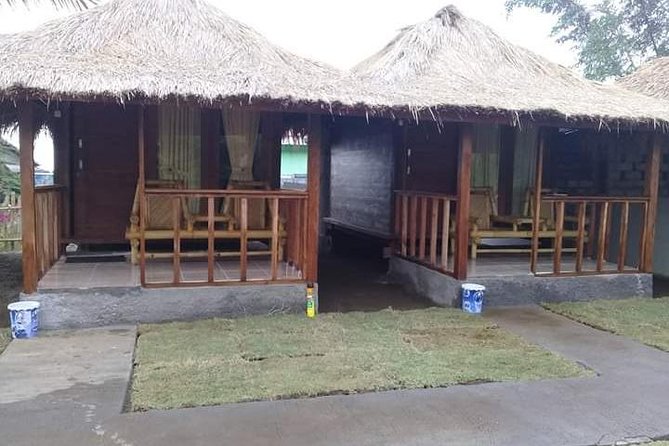
This trek is priced like an organized, supported climb, not a DIY adventure. The included list covers the biggest pain points: guides, porters, entrance tickets, meals, and camp gear.
Here’s what matters most in real life:
- Master guide and porters: This is the difference between a calm hike and a chaotic one. Porters also mean you can keep your load reasonable.
- Entrance ticket / ticket for Mt. Rinjani: You’re not handling that part on your own.
- Camp gear: Tent, mattress, sleeping bag, and the toilet tent are included. That’s a major “value” piece, because buying or renting all that separately can get expensive fast.
- Meals: Dinner plus multiple breakfasts and lunches are listed. You can focus on timing and energy instead of hunting food.
- Check-up before the hike: There’s a check before you start. Even if it’s brief, it signals that the operator wants you prepared rather than winging it.
And there’s another detail that shows up in the feedback: the team’s role is meant to keep you moving with less worry. People highlight that the staff handled a lot of the work so the climbing part could be the main event. That lines up with the package structure you’re buying.
Price and value: is $152 fair for a crater-rim trek?
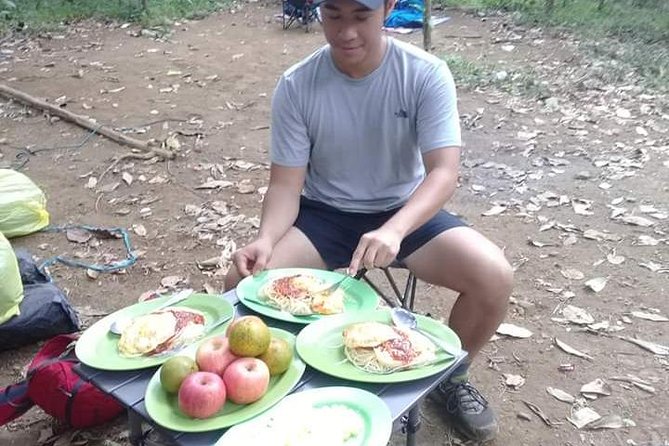
At $152, this trek sits in a category where you’re paying for support and included gear, not just a guide walking beside you. The value comes from the combination: two trekking days, a crater-rim camp night, park entry, meals, and camping equipment (including a toilet tent).
If you had to assemble everything yourself—transport to Senaru, park entry, a guide, porters, tents, sleeping gear, and food—your total almost certainly climbs well past this number. Even without doing an exact accounting, the logic is simple: you’re buying a package that removes most of the expensive and annoying components.
What’s not included can affect the final cost a bit:
- Transport details: Pickup is offered in the overall description, but the package also lists transport (pickup and out) as not included. In practice, that can mean your exact pickup/drop range might vary. Confirm what’s covered relative to your hotel and your next Lombok stop.
- Room before the hike: If you need an extra night before the trek, that hotel night may be on you.
- Tipping: Tips for guides and porters aren’t included.
- Personal gear: Shoes and clothing like long pants and a T-shirt type item are not included, and sandals are optional.
My take: if the pickup/drop matches your lodging plan and you’re okay bringing your own footwear and clothing, $152 looks like a solid deal for a supported crater rim climb with camp.
What to bring: the practical checklist that prevents misery
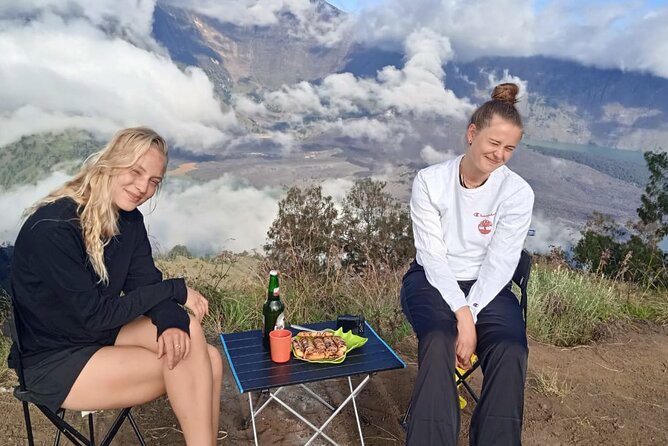
The listing is blunt about what you need to handle yourself. Plan to bring:
- Shoes (and sandals are optional, not provided)
- Long pants
- A T-shirt (the list calls out pcs T-shirt)
- Your own flashlight (important)
- Basic personal comfort items you already travel with
Also, think about how you’ll carry water and snacks during the hike. The package includes foods and drinks during the hike, so you’re not on your own for fuel, but you’ll still want a system that fits how you walk.
Fitness reality check
This experience is described as ideal for fitter travelers who are short on time, and it asks for moderate physical fitness. That usually means you can keep a steady pace uphill and you’re not expecting the crater rim to be a casual stroll.
The upside of the Senaru route is focus. You’re not doing a long multi-day trek across every possible trail. You’re doing the climb to the rim, the camp night, then the descent.
If you’re on the fence, choose honestly. If you get winded on stairs or long uphill walks, you’ll feel it here. If you can hike for hours at a steady pace, you’ll enjoy it more and suffer less.
Who should book this and who should skip it
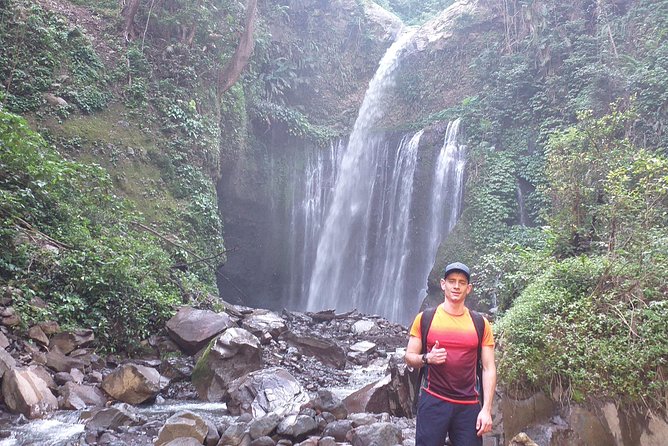
This trek is a strong match if:
- You want the Mt. Rinjani crater rim experience on a compact schedule
- You like sunrise and sunset plans where timing matters
- You prefer having a master guide and porters handling camp so you can concentrate on hiking
- You’re traveling in a private group and want your own pacing (private means only your group participates)
It might not be ideal if:
- You hate early mornings or night timing (a flashlight is part of the deal)
- You’re looking for a purely comfortable trek without any physical challenge
- You expect transport and accommodations outside the trek to be fully handled, no questions asked (the details suggest some parts may require confirmation)
Should you book this Senaru crater rim trek?
I’d book it if you want the most iconic Mt. Rinjani views with real support and camp structure. The biggest selling points for me are the rim sunrise/sunset focus and the fact that camp essentials—including a toilet tent—are included. That’s the difference between a trek that sounds great and one that actually works in the dark, at altitude, with fatigue.
I’d pause and confirm if you’re relying on the operator for pickup/drop beyond what’s clearly stated for your hotels and next destination. Also check that your footwear and clothing are sorted before you go. You don’t need fancy gear, but you do need the basics to be ready.
If your priority is a short, high-impact Rinjani experience with a team that does the heavy lifting behind the scenes, this is a smart choice.
FAQ
How long is this Mt. Rinjani trek?
The plan runs about 3 days total, with 2 days of hiking activity and 1 night camping on the crater rim. Exact timing varies by conditions, but Day 2 is listed around 8 hours and Day 3 around 7 hours.
Where does the trek start?
It starts at the Rinjani Excellent address in Senaru (Rinjani Excellent Jl. Pariwisata, Senaru, Kec. Bayan, Kabupaten Lombok Utara, Nusa Tenggara Bar. 83354, Indonesia). It ends back at the meeting point.
Is this the Senaru route to the crater rim?
Yes. The trek follows the Senaru route and climbs to the crater rim of Mt. Rinjani.
Will I see sunrise and sunset from the crater rim?
Yes. The experience highlights sunrise and sunset at the crater rim, with views that include the Gilis and Mt. Agung.
What camping gear is included?
The package includes a tent, mattress, sleeping bag, and a toilet tent for camp.
Are park entrance tickets included?
Yes. Entrance/ticket information for Mt. Rinjani is listed as included for the trek.
What should I bring?
Bring shoes, long pants, a T-shirt, and a flashlight. Sandals are optional. The trek also assumes you have a moderate physical fitness level.
What if the weather is bad?
The experience requires good weather. If it’s canceled due to poor weather, you’ll be offered a different date or a full refund.