REVIEW · LOMBOK
Rinjani Trekking 3D2N Summit
Book on Viator →Operated by Team Backpacker · Bookable on Viator
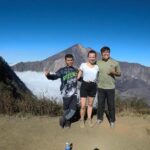
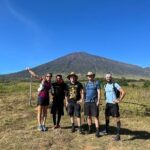
Stepping onto Mount Rinjani feels like a real-world test. This trek stacks the big sights—crater rims, Segara Anak Lake, and sunrise/sunset—into a supported 4-day plan.
I especially like that you get return transfers and a full board meal plan, so you spend less time managing logistics and more time moving. The main drawback: this is a hard hike with serious cold at altitude, so packing for minus temps matters.
You’ll start in Senaru and ease into the effort with a village night, then hit the mountain with porters and a local guide. You can also choose private or shared service levels, and the difference shows up in camp comfort like chairs and pillow.
One consideration: the whole experience depends on weather, and if conditions are poor the operator may offer a new date or a full refund.
In This Review
- Key things I’d lock in before you go
- Mount Rinjani Trek: What You’re Actually Signing Up For
- Day 1 in Senaru: Pickup, Arrival, and a Real Base Night
- The Crater Rim Days: Sembalun to Summit to Senaru Rim
- Segara Anak Lake and the Big View Timing
- Waterfalls: Sindang Gila and Tiu Kelep Stops
- Camp Setup and Meals: Included, but Not Luxury
- What to Pack: Boots, Layers, Swimwear, and Cold-Weather Reality
- Guide and Porters: The Difference Between Hard and Brutal
- Transfers, Drop-Off Zones, and How Easy It Is to Get There
- Price and Value: Is $243.92 a Good Deal?
- Who This Trek Fits Best (and Who Might Want Another Plan)
- Should You Book the Rinjani 3D2N Summit Trek?
- FAQ
- FAQ
- How long is the Mount Rinjani trekking experience?
- Where does pickup happen?
- What sights and areas does the trek cover?
- Is camping gear included?
- Are meals included?
- Do I need to bring my own trekking shoes?
- What clothing should I bring for cold weather?
- Is swimwear required?
- What happens if the weather is poor?
- Are there private and shared options?
Key things I’d lock in before you go
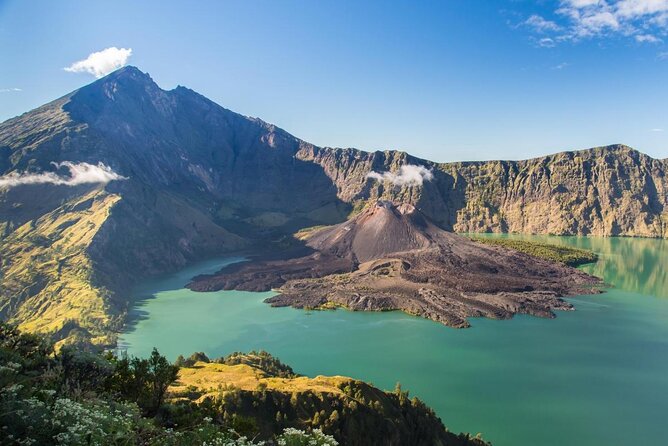
- Two nights camping on the crater rims, so you’re sleeping close to the views
- All food and drinks included, but you’ll still want extra snacks for the long pulls
- Porters carry your gear, which makes the summit push more realistic
- Sunrise and sunset viewpoints are built into the route
- Bring swimwear anyway—you’ll have water time even if it’s cold
- Private option feels more comfortable (chairs/pillow) than shared budget service
Mount Rinjani Trek: What You’re Actually Signing Up For
Mount Rinjani is not a casual hike with photos. It’s a steep, high-altitude trekking program in Mount Rinjani National Park, and your schedule is built around that fact.
If you’re an active traveler who likes steady effort and big payoffs, you’ll do well here. The route takes you to the Sembalun crater rim, then onward to the Senaru crater rim, with a summit day and time near Segara Anak Lake. You’ll also get classic waterfall stops like Sindang Gila / Sendang Gile and Tiu Kelep.
The other big reality is cold. The trek reaches very cold conditions at altitude, and the provided guidance specifically flags even minus temperatures. That means this isn’t just about good hiking shoes—it’s about staying warm when the air bites.
You can also read our reviews of more tours and experiences in Lombok.
Day 1 in Senaru: Pickup, Arrival, and a Real Base Night
Your first day is about getting positioned, not pushing your legs. You’ll be picked up from places or ports within Lombok, and then you overnight in Senaru Village.
Why this matters: Senaru is your launching point. It gives you a chance to settle, eat properly, and sleep before the tougher climb begins. Instead of rolling straight into the mountain tired, you get an actual base night, plus the tour includes the air-conditioned vehicle for transfers.
It also sets you up for altitude logistics in a smarter way. You’ll be dealing with cold layers and early mornings, and a night in a village is a big help for your body and your planning.
The Crater Rim Days: Sembalun to Summit to Senaru Rim
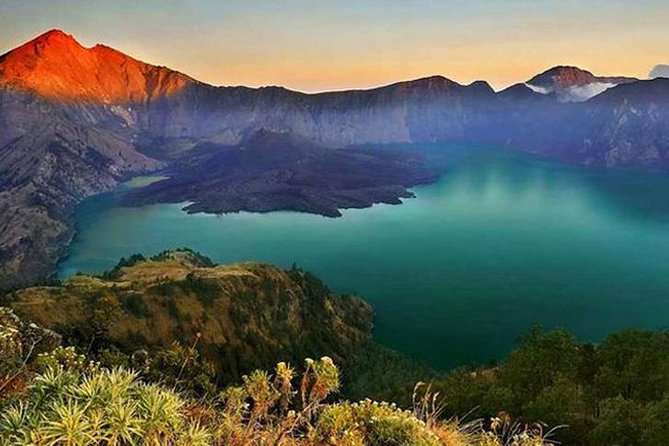
Day 2 starts the trekking program proper. You move from the village to the mountain route and spend the night at the Sembalun crater rim.
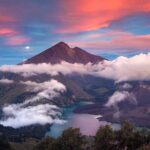
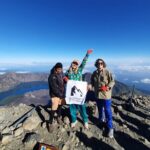
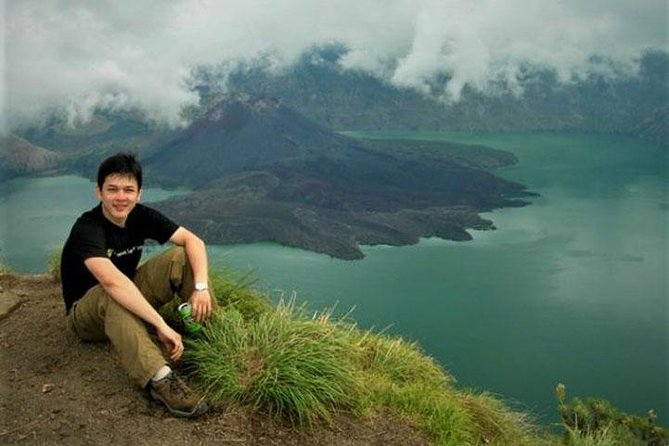
Day 3 is the day that tests you. You trek toward the summit of Mount Rinjani, then continue through the crater area to reach Segara Anak Lake. After all of that effort, you sleep again at the campsite on the Senaru crater rim.
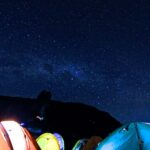
Here’s what I like about this structure. You’re not just chasing a single peak and calling it a day. You get multiple altitude viewpoints, which makes the pain feel more fair. Crater rim nights also mean you’re surrounded by the kind of views that only happen when the air is thin and the slopes open up.
What to watch for: the day pacing is demanding. Even with porters carrying gear, you still need to pace yourself through steep sections and altitude exposure. If you rush the early parts, you’ll pay for it later on the summit push.
Segara Anak Lake and the Big View Timing
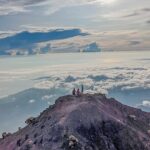
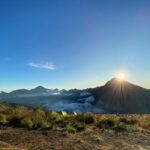
A major part of this experience is timing. The plan specifically includes time for sunset and sunrise, and the best viewing moments are part of the mountain schedule.
Sunrise matters on Rinjani because the light hits the crater area in a way you can’t recreate later. Sunset matters because you get those last warm tones right before the temperatures drop again. When you’re camping on the rims, the schedule isn’t just an add-on—it’s part of the day’s rhythm.
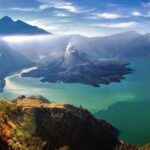
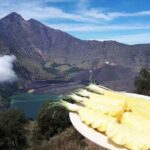
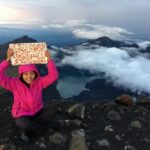
Also, you do not just pass by the lake. The route includes reaching Segara Anak Lake, which is one of the signature landmarks in the park. Getting to it by foot helps it feel earned rather than simply seen from a distance.
Practical tip: treat mornings like you’re going to battle. The cold comes fast, so wear your layers early and keep your gloves handy if you’re prone to cold hands.
Waterfalls: Sindang Gila and Tiu Kelep Stops
Not every great moment on Rinjani is about altitude. The itinerary includes waterfall time, including Sindang Gila and Tiu Kelep, plus the related stop name Sendang Gile.
These waterfall breaks add variety to the trek. When your thighs are tired, the change of scenery helps you reset mentally. They also give you a chance to cool off in moving water—though you should expect it to be cold depending on conditions.
The important part: don’t treat the waterfall time like a long sightseeing detour. On a trek this intense, you’ll want to keep moving, stay warm between stops, and avoid losing time to wet clothing.
Camp Setup and Meals: Included, but Not Luxury
This tour includes all camping gear, full board meals and drinks, and the local guide and porters. That’s a strong package for the price.
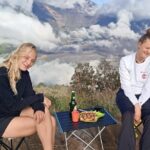
Where it gets more interesting is service level. Based on the shared vs private service difference, you can expect shared to be more budget-simple, while private includes a more comfortable camp setup, including items like chairs and a pillow. If you know you’ll struggle sleeping on the ground, the private option may feel worth it.
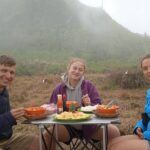
Food is also plentiful but not fancy. One review-style comment in the dataset makes the point clearly: you get what you pay for, food is simple but tasty, and you should definitely bring extra snacks. I agree. Trekking days are long, and snacks keep energy steady when you’re between meals or need a quick boost while pacing.
What to expect practically:
- Meals are provided across the trekking days (full board)
- Drinks are included
- Porters handle your gear, which reduces the weight you carry
- You still need to manage your own warmth and small personal items
What to Pack: Boots, Layers, Swimwear, and Cold-Weather Reality
You’ll be told to bring your own clothing, boots, and swimwear. That’s not just a checkbox. It’s how you avoid miserable moments on a cold rim.
Start with footwear. The trekking shoes aren’t included, but hiking or running shoes with a good grip can work. Still, if you have decent ankle support and traction, your legs will thank you.
Next, layers. The operator specifically flags that long pants help because it can get extremely cold at high altitude, even reaching minus temperatures. They also note that a tick coat or jackets may be rented on the spot if you don’t bring one. I’d rather you bring it if you can. On a trip like this, last-minute rentals are never ideal.
Swimwear: yes, bring it. Even if you’re not planning to enjoy a beach day, the route includes water moments where swimwear can be useful.
Other small but meaningful notes:
- Small towels aren’t included, so bring one
- Any personal medicine is on you
- Expect your hands and feet to need warmth, especially at night
Also, try to pack smart. You don’t want to bring a heavy bag of extras you’ll regret carrying. Porters help with gear, but you still need to keep your essentials accessible.
Guide and Porters: The Difference Between Hard and Brutal
On Rinjani, you’ll feel the trail in your legs. But you’ll also feel how your guide and porters manage the day.
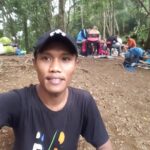
One strong positive point from the dataset is the role of the guide—named Radu—and how much care he brought to the group. That human touch matters on a summit trek because confidence isn’t just mental. It’s knowing you’re moving correctly, safely, and at a pace that won’t break people too early.
Porters also matter for real-life comfort. They carry your gear, which takes pressure off your body. It also means you can focus on your breathing, foot placement, and pacing rather than hauling everything on your back.
Group size is capped at a maximum of 100 travelers, though your lived experience will depend on how the operator manages the route. Either way, for a summit hike, the best sign is whether the guide keeps the group moving with sensible pacing.
Transfers, Drop-Off Zones, and How Easy It Is to Get There
The big logistics win here is that transfers are included. You get pickup from places or ports within Lombok and drop-off at the end.
There’s also a difference between tour types:
- For a private option, drop-off can go to any location within Lombok.
- For a shared option, drop-off covers specific areas like Mataram, Senggigi, Pemenang area, Bangsal Harbor, Teluk Nara Harbor, and Teluk Kode Harbor.
This is practical if you’re staying in those hubs. If your hotel is outside the shared drop-off zones, private may save you from an extra taxi scramble.
Also note: the starting point is near public transportation, which can make last-minute adjustments easier if something changes with your arrival day.
Price and Value: Is $243.92 a Good Deal?
At about $243.92 per person, this trek looks like a competitive way to access a high-demand mountain program—especially because it bundles more than just a guide.
What you’re getting value on:
- Mount Rinjani National Park fees included
- All transfers included
- 1 night in Senaru Village (hotel)
- All camping gear
- Full board meals and drinks
- Local guide and porters
When you cost that out separately, the price starts to make sense for a supported trek where you don’t want to build the logistics yourself.
Where you may pay extra: trekking comfort. The private option includes more camp comfort (chairs/pillow). If you already know you’ll want that, paying for the higher service can feel less like a luxury and more like risk control—especially for sleep, which affects how you handle cold mornings.
Who This Trek Fits Best (and Who Might Want Another Plan)
This trek is best suited for active travelers who can handle a challenging hike and cold conditions at altitude. If you’re comfortable doing long uphill days and staying calm when your legs burn, you’ll likely find the whole experience thrilling.
It’s also a good fit if you want:
- Guided route planning
- Gear handling by porters
- Meals handled for you
- Crater rim camping and serious viewpoint timing
I wouldn’t choose this if you’re mainly seeking a relaxed nature walk. The climb is part of the point, and the cold is part of the package.
Also, this is weather-sensitive. The experience requires good weather, and if it can’t run due to conditions, you’ll be offered a different date or a full refund.
Should You Book the Rinjani 3D2N Summit Trek?
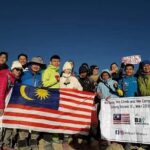
If you like hard hikes with big payoff, you’re the type who should book this. The strongest reasons are practical: included park fees, included meals, included camping gear, and porters who take the weight load off you. Add sunrise/sunset on the crater rims and you get more than a single summit photo.
Book it if you:
- Can handle cold and steep hiking days
- Want a supported trek without piecing everything together
- Appreciate a balance of value and genuine mountain time
- Prefer a guide-run plan, not a DIY scramble
I’d hesitate if you’re not prepared for minus-temperature layers or you know you struggle with early starts and altitude effort. In that case, consider a lower-intensity alternative first.
One last deciding tip: choose private if you want better camp comfort. On a trek where you’re sleeping cold and waking early, a slightly more comfortable setup can make the whole trip feel more doable.
FAQ
FAQ
How long is the Mount Rinjani trekking experience?
The itinerary runs for about 4 days. It includes one night in Senaru Village and two nights camping on the mountain.
Where does pickup happen?
Pickup is offered from any places or ports within Lombok.
What sights and areas does the trek cover?
You’ll hike to the Sembalun crater rim, the Senaru crater rim, Segara Anak Lake, and the summit of Mount Rinjani. The route also includes waterfall stops such as Sindang Gila and Tiu Kelep.
Is camping gear included?
Yes. All camping gear is included.
Are meals included?
Yes. The tour includes full board meals and drinks.
Do I need to bring my own trekking shoes?
Trekking shoes are not included, but you can use running or hiking shoes with good grip.
What clothing should I bring for cold weather?
You should bring long pants and a warm jacket or coat. The guidance also notes that it can get extremely cold at altitude, reaching minus temperatures.
Is swimwear required?
You should bring swimwear.
What happens if the weather is poor?
The experience requires good weather. If it’s canceled due to poor weather, you’ll be offered a different date or a full refund.
Are there private and shared options?
Yes. Private tours allow drop-off to any location within Lombok, while shared tours have drop-off coverage for areas such as Mataram, Senggigi, Pemenang area, and several harbor areas. The service level also differs, with private described as more deluxe (like chairs and a pillow) compared to shared budget service.