REVIEW · TILCARA
Trekking Purmamarca
Book on Viator →Operated by Purmamarca Aniacho Turismo · Bookable on Viator
Four kilometers, and suddenly the rocks talk. This private guided trek leaves Purmamarca for an exclusive path where you won’t cross other people, and the geology comes with a clear story. You’ll walk across a dry river bed shaped by wind, water, and Pachamama-style forces, then pause at about 2700 meters.
I like that the guide turns a short walk into a learning route: history, native culture, and medicinal flora uses are part of the hike, not tacked on later. When you’re guided by someone like Fabricio, the explanations about geology and what you’re seeing around you can make the rest of your days in the region feel easier to understand. One catch to plan for: snacks aren’t included, so you’ll want your own water (and ideally a small energy boost).
In This Review
- Key highlights at a glance
- Trekking Purmamarca: what makes it feel special
- Where the trek starts in Purmamarca (and how that shapes your day)
- The 4 km dry river bed: the main event you’ll remember
- The 2700-meter rest stop: when the pace slows down on purpose
- What you’ll learn: geology, native culture, and medicinal flora
- Pace and fitness: who this is for (and who should think twice)
- Price and value: is $60 worth it?
- What to bring (and what to skip)
- Private tour dynamics: why “just your group” matters
- How to fit this trek into Tilcara and Purmamarca plans
- Weather and cancellation: the practical call before you go
- Should you book Trekking Purmamarca?
- FAQ
- How long is the Trekking Purmamarca experience?
- Where does the trek start and end?
- Is this a private tour?
- What fitness level do I need?
- Are snacks and water included?
- What happens if the weather is poor?
Key highlights at a glance
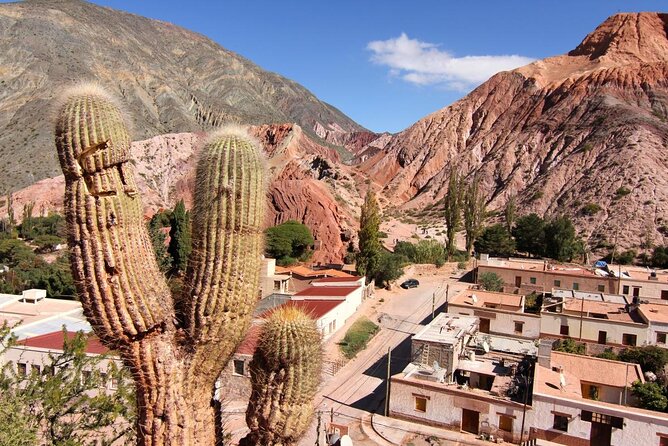
- A quiet, exclusive route that avoids other groups on the trail
- 4 km across a dry river bed, with guided geology interpretation
- A rest stop near 2700 meters for a slower, more thoughtful turnaround
- Culture + practical plant knowledge, including medicinal flora uses
- No race vibe: you hike at a bearable pace based on participants’ conditions
Trekking Purmamarca: what makes it feel special
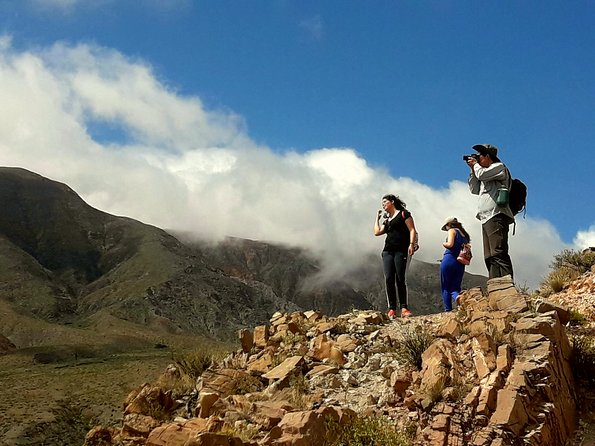
This isn’t a generic “walk and take photos” outing. The whole point is that you get pulled a few kilometers away from town onto a path that feels intentionally set aside, so the terrain and the rock forms do the talking. You’ll be walking a dry river bed, where the ground looks sculpted instead of random—and that’s exactly the kind of place that rewards attention.
I also like the “guided attention” approach. The guide isn’t just naming things; they’re explaining what you’re seeing through geological interpretation, plus history and native culture context. It gives you a reason to look up, look down, and actually connect the dots between the rocks, the plants, and the local way of understanding the land.
The other big feel-good factor is pacing. This is not presented as a competition, and you’ll hike in a way that matches your physical conditions. That matters a lot on high, dry ground where a sprinty pace can ruin the experience.
Where the trek starts in Purmamarca (and how that shapes your day)
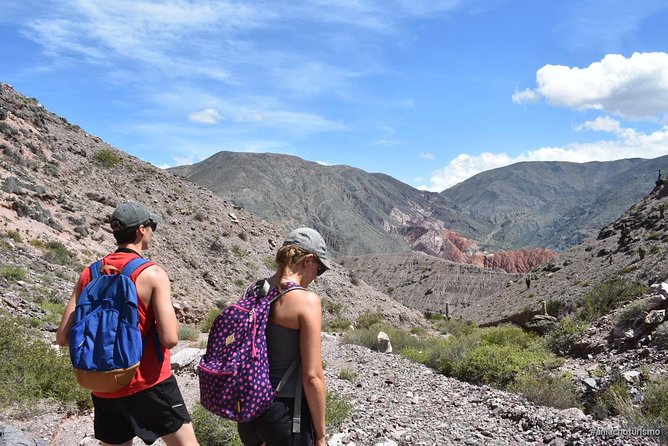
The trek begins back at the meeting point in the Purmamarca area: Lavalle, Y4618 Purmamarca, Jujuy, Argentina, and it ends there as well. Because the activity starts and finishes in the same place, it’s easier to plug into a tight itinerary without needing extra logistics.
From there, you’ll head out a few kilometers to reach the exclusive path. This matters because the “away from town” feeling is part of the value—less distraction, more focus on what the guide is pointing out, and fewer chances to lose your trail of thought with other groups passing by.
One practical note: since the route is described as an out-and-back experience, you should treat the time as committed. The hike is about 4 hours total, so plan the rest of your day with a little breathing room afterward.
The 4 km dry river bed: the main event you’ll remember
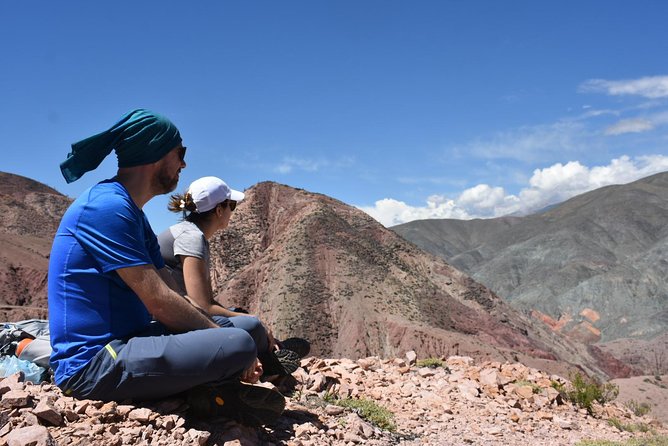
The core walk is about 4 kilometers across a dry river bed. Even if you’ve never studied geology, this is the kind of terrain that makes concepts feel physical. The dry channel has geoforms carved in geological sediments, shaped by wind and water over time—and also by the Pachamama force idea that’s part of local cultural interpretation.
What you’ll get from the guided element is simple but powerful: the story behind the shapes. Instead of seeing “rocks and dust,” you learn how wind and water can carve patterns into layered ground. That helps you read the terrain as something created, not just something you happen to walk across.
This is also why the “exclusive path” detail is so important. When you’re not sharing the trail with lots of people, it’s easier to pause, listen, and look slowly. You can feel the space around you more clearly, and the guide’s explanations land better.
The 2700-meter rest stop: when the pace slows down on purpose
At around 2700 meters, you’ll stop for about half an hour. This is not filler time. It’s a built-in “breather” that gives you a chance to recover, take in what you’ve walked through, and stay present for the return.
In my view, the half-hour pause is one of the smartest design choices for this kind of trek. Dry river beds can be deceptively tiring because the ground is uneven and your body is working to stay stable. A scheduled rest helps prevent the experience from turning into a continuous grind.
It also sets up the return trip with a better mindset. After you’ve heard the geology and culture context along the way, pausing long enough to think about it makes the trip feel more complete rather than rushed.
What you’ll learn: geology, native culture, and medicinal flora
A big reason to pick this trek is that the guide explains more than just the physical route. You can expect storytelling and interpretation tied to:
- History and native culture
- Flora with medicinal uses
- What the geological features are telling you
This is where the “guide quality” really shows. One highlight from the experience is the chance to learn from a guide like Fabricio, who’s noted for explaining geology and also helping people understand local flora and fauna. Even if you don’t remember every detail, the effect is that you start noticing things differently.
For the medicinal flora piece, the practical value is that it encourages respect and observation. You’re not being asked to do anything extreme or collect anything—you’re being taught to recognize that local plants have roles beyond decoration. That makes your walk feel more connected to real life in the region.
If you care about meaningful travel—where you understand what you’re seeing—this part is a strong match.
Pace and fitness: who this is for (and who should think twice)
The trek is described as bearable, not a competition, and it’s tailored to the physical conditions of participants. That’s encouraging if you want a guided walk without trying to “prove” anything.
Still, the activity calls for moderate physical fitness. The terrain is a dry river bed, which can mean uneven ground and careful steps. If your mobility is limited or you struggle with uneven, rocky surfaces, you should consider whether this will be comfortable for you.
The timing also helps you decide. At about 4 hours total, you’re not signing up for an all-day challenge. But it’s long enough that you’ll feel the effort if you go in unprepared—especially in dry conditions.
Price and value: is $60 worth it?
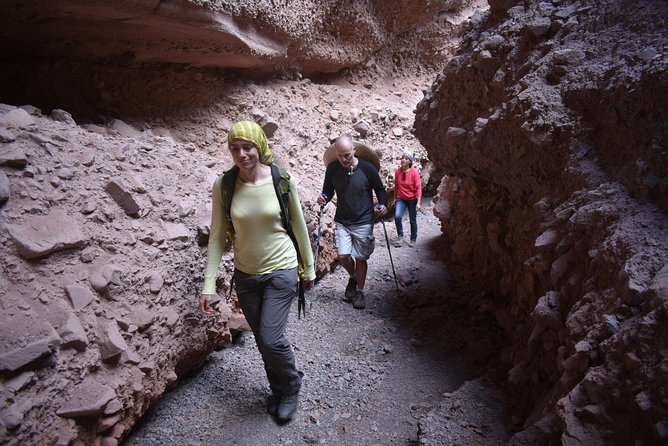
At $60 per person for around 4 hours, this trek can be good value because you’re paying for three things at once: a private experience, interpretation, and a route designed to keep you away from other hikers.
“Private tour/activity” is not just a marketing line here. When you have the space to listen and look, the education portion is more effective. You also benefit from personalized service, which tends to matter on short treks where small details—like matching your hiking pace—make the difference between a pleasant walk and a stressful one.
It’s not a “cheapest hike” style outing. But if you want more than scenery, the guide-led content plus the exclusive setting is where the value comes from.
One cost consideration: snacks aren’t included, so you’ll want to budget for your own food and, at minimum, bring water.
What to bring (and what to skip)
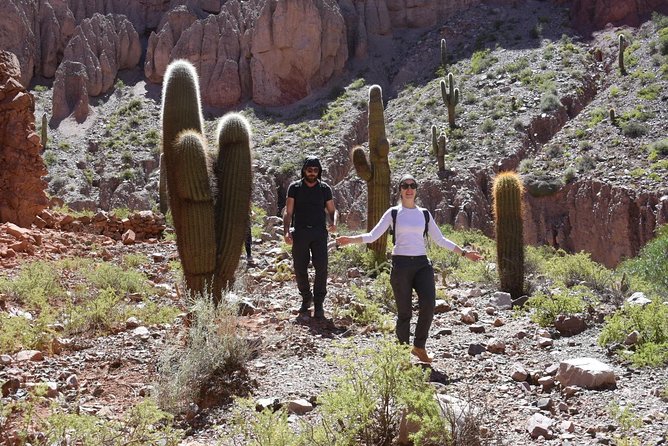
Because the activity notes that you should provide water yourself, don’t show up hoping to borrow or buy everything at the last minute. The dry environment makes hydration important, and you’ll be moving for hours plus doing a half-hour stop and a return.
For snacks, plan the same way. Since snacks are not included, bring something simple that won’t be a hassle to carry and eat.
Beyond that, I’d pack like you’re going into high, dry conditions: comfortable walking shoes suited for uneven ground, and layers so you can adjust to temperature changes. No one wants to spend a guided geology talk thinking about being cold or sweaty.
Also, service animals are allowed, so if that applies to you, you can plan with confidence.
Private tour dynamics: why “just your group” matters
This is a private activity, so only your group participates. That has a real impact on how your trek feels. You’re not stuck waiting behind someone who moves slowly or pushing ahead of someone who needs more time. Instead, the guide can match the pacing to the group’s physical conditions.
It also makes the storytelling feel more personal. When there aren’t constant interruptions from other hikers, it’s easier to concentrate on the guide’s explanations about geology, culture, and medicinal plants.
This is a great option if you like your travel to be intentional. It’s also useful if you’re traveling as a couple or small group and want a calmer start to a day.
How to fit this trek into Tilcara and Purmamarca plans
Even though the activity is tied to the Purmamarca area, it sits in a wider region many people explore alongside Tilcara and nearby Jujuy towns. If you’re trying to make sense of the area quickly, a short guided trek like this can act like an orientation lesson.
One reason guides like Fabricio are popular is that they help you understand what you’ll see afterward. Learning how wind and water shape sediment patterns—and hearing about medicinal flora—changes how you notice the region when you’re not on the trail.
If you prefer your travel days to start with something active and meaningful, this works well as a morning plan. If you hate early mornings, you can still schedule it, but treat it as your main “on-feet” block.
Weather and cancellation: the practical call before you go
This experience requires good weather. If it’s canceled due to poor weather, you’ll be offered a different date or a full refund. That’s a fair setup for an outdoor trek where visibility and trail conditions matter.
To avoid last-minute stress, check the forecast close to departure. High, dry areas can shift quickly in comfort level, and you want the day you choose to match the kind of experience this is meant to be: quiet, clear, and focused.
Should you book Trekking Purmamarca?
Book it if you want a short trek with real interpretation—geology, native culture context, and medicinal flora knowledge—done at a pace that’s meant to be bearable. The private, exclusive feel is also a big plus, especially if you value quiet and attention over crowd energy.
Skip it (or reconsider) if you’re not comfortable with uneven walking on a dry river bed, or if you hate managing basics like hydration and snacks on your own. At 4 hours, it’s not extreme, but it’s still an actual hike.
FAQ
How long is the Trekking Purmamarca experience?
It lasts about 4 hours.
Where does the trek start and end?
It starts at Lavalle, Y4618 Purmamarca, Jujuy, Argentina, and ends back at the same meeting point.
Is this a private tour?
Yes. It’s a private tour/activity, and only your group will participate.
What fitness level do I need?
You should have a moderate physical fitness level.
Are snacks and water included?
Snacks are not included. You should provide your own water.
What happens if the weather is poor?
The experience requires good weather. If it’s canceled due to poor weather, you’ll be offered a different date or a full refund. You can cancel up to 24 hours in advance for a full refund.