REVIEW · UBUD
Mount Batur Trekking Sunrise Private Tour
Book on Viator →Operated by Putu Bali Driver · Bookable on Viator
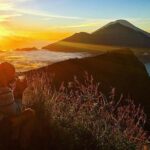
Mt. Batur starts in the dark, then turns magical. This small-group sunrise trek gets you to the crater summit in time to watch dawn roll across Lake Batur and Mt. Rinjani. I like that the climb is supported with flashlights and an experienced guide, so you’re not doing the hardest part of Bali’s route without help.
You’ll also get breakfast with hot tea or coffee and a real sense of place—lava views, ash cones, and the option to walk around the crater after sunrise. One possible drawback: it’s a steep, early-morning hike, and you’ll want proper shoes and a windbreaker even if the day later feels warm.
In This Review
- Quick hits before you go
- The 3:30 a.m. start is the whole point of Mt. Batur
- Toya Bungkah to the summit: steep steps, flashlights, and pacing
- Breakfast with sunrise views over Lake Batur and Mt. Rinjani
- After sunrise: crater rim or the extra lava walk
- Stops back down the mountain: Toya Bungkah, then Satria Agrowisata coffee
- Guides, drivers, and the small-group advantage
- Price and value: what $120 buys on a sunrise volcano
- What to bring (so sunrise doesn’t feel like a penalty)
- Who this tour is best for (and who should rethink it)
- Should you book Mt. Batur sunrise trekking?
- FAQ
- What time does the Mt. Batur trekking tour start?
- Where do I meet for the Mount Batur trek?
- How long is the tour?
- How long does it take to reach the summit?
- What’s included in the price?
- Is lunch included?
- Is a coffee plantation stop part of the tour?
- Can I choose hot springs or hotel transfers?
Quick hits before you go
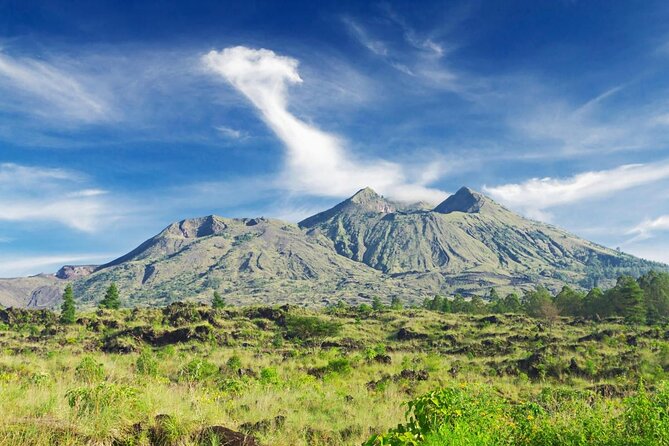
- 3:30 a.m. start at Toya Bungkah means you’ll catch sunrise at about 6 a.m. without rushing
- Flashlights included make the dark climb feel far more manageable
- Crater-rim breakfast pairs sunrise colors with Lake Batur and Mt. Rinjani views
- Extra crater and lava walk option focuses on the raw, less-visited parts of Batur
- Small group (max 5 travelers) keeps the pace friendlier than big tours
- Satria Agrowisata coffee stop adds a calm break before you head back
The 3:30 a.m. start is the whole point of Mt. Batur
If you like sleep, this tour will test you a little. Pickup happens at 3:30 a.m. in the Toya Bungkah area, and the climb begins right after you meet your guide. That early start matters because you’re not just walking toward a view—you’re walking toward a time-sensitive sunrise.
The practical payoff is simple: you gain a good chunk of daylight only after you’re already at the crater rim. The plan targets a sunrise around 6 a.m., which means you get that shift from dark rock to glowing sky in the right place, with fewer crowds and less scrambling.
You should also know the timing is tight. Expect roughly 8 hours total for the full experience, with a return by early afternoon depending on whether you’re using transfers.
You can also read our reviews of more tours and experiences in Ubud.
Toya Bungkah to the summit: steep steps, flashlights, and pacing
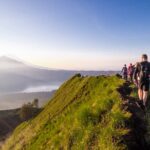
The hike to Mt. Batur’s summit (about 1,717 meters above sea level) usually takes 1.5 to 2 hours. That time window depends on your pace and how steep your comfort level is that morning. The good news: you don’t climb into a blank sky. Once sunrise begins, the effort starts feeling worth it.
Here’s what I’d plan for if I were you: dress for cool air and wind, not just warmth. The tour suggests a windbreaker, sunglasses, sunscreen, and proper walking shoes. Early-morning Bali can feel chilly at elevation, and the wind on crater rims is real. Bring tissue too—small need, big relief.
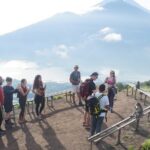
You’ll be given flashlights for the climb. That’s not a luxury detail; it’s what makes the first part safer and easier to navigate when the ground is dark and uneven. Your guide also helps set a steady pace so you don’t burn out too fast.
And yes, the climb is described as steep. If you’re brand-new to hiking, you can still do it—just plan to go slowly and trust the guide’s rhythm.
Breakfast with sunrise views over Lake Batur and Mt. Rinjani
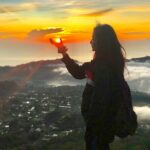
When you reach the summit area, you’ll watch dawn unfold and then enjoy breakfast—hot tea or coffee is included. This isn’t a sit-down restaurant meal. It’s practical mountain food timing, designed to warm you up while the view is doing its best work.
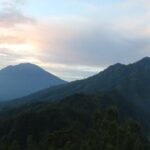
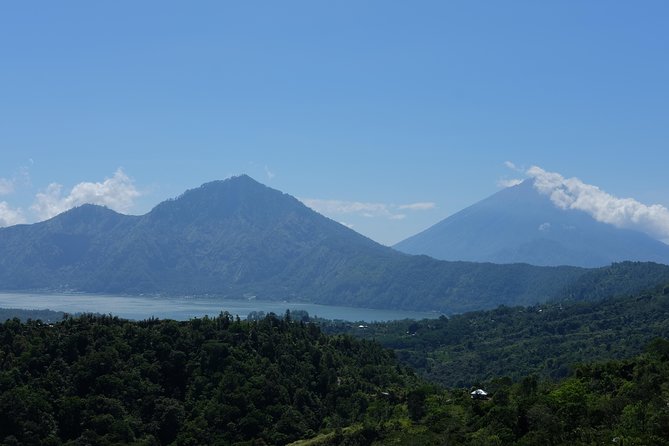
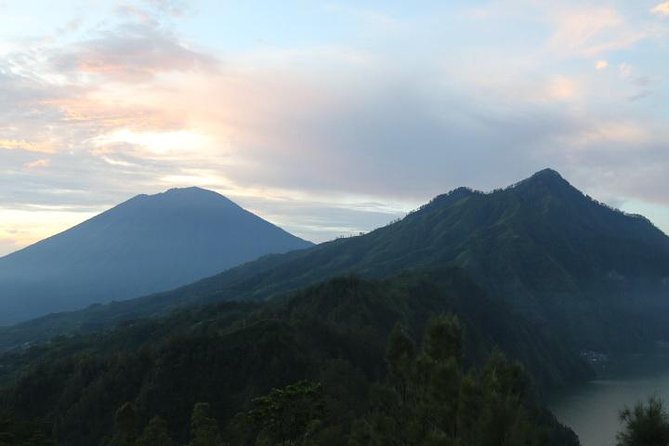
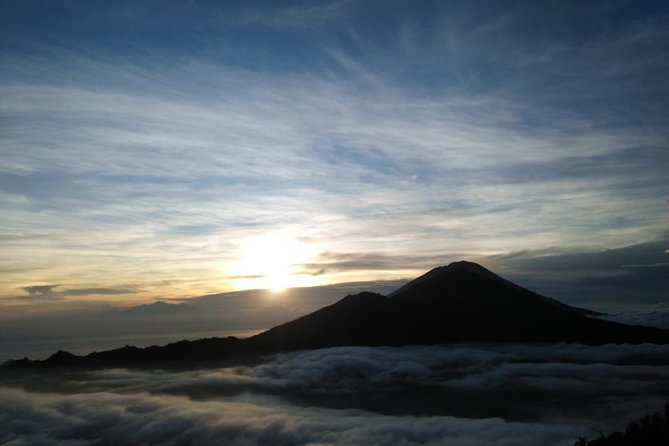
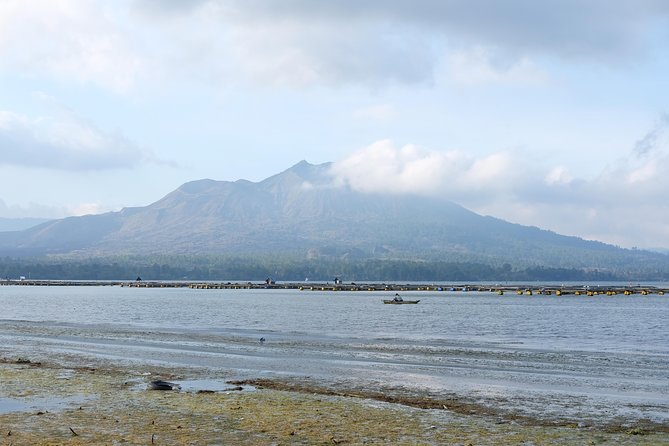
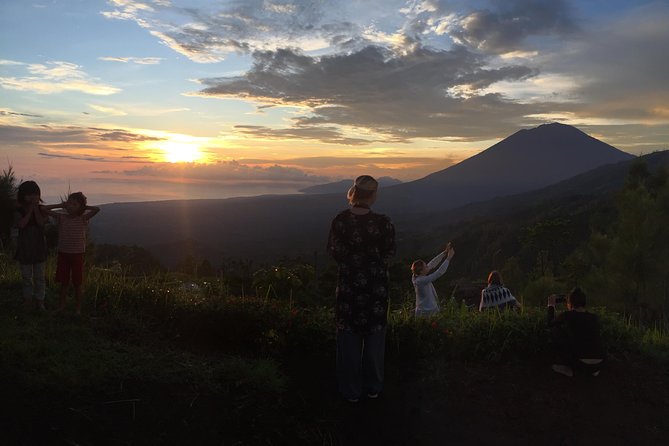
The best part is how the scenery changes as the light rises. You get a broad view across Lake Batur and out toward Mt. Rinjani, so you’re looking at two major landmarks at once. You’ll also notice how the lighting makes the volcanic rock pop—especially right around sunrise, when colors shift across the crater walls and nearby slopes.
I also like that the guide controls what you see. You’re not just walking to a random spot. The timing lines up the best angle for the sunrise and then uses breakfast as a moment to take it all in.
After sunrise: crater rim or the extra lava walk
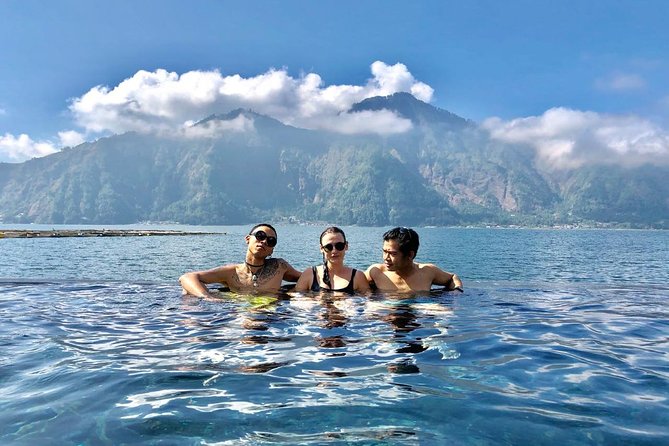
Once sunrise happens, you get a choice: head back down right away, or take the additional walk around the crater and lava area. The extra option is where the tour feels less like a checklist and more like learning what you’re standing on.
If you choose the expanded route, your guide takes you into a raw, least-visited-feeling section of Mt. Batur. You’ll learn about lava flows and ash cones, which helps turn scenery into something you can recognize. It’s one of those moments where the guide’s explanations change how you look at the terrain.
During the descent, you may also see monkeys. It’s not guaranteed, but it’s common enough to mention. If you spot them, just keep moving calmly—no sudden gestures or snack waving.
Stops back down the mountain: Toya Bungkah, then Satria Agrowisata coffee
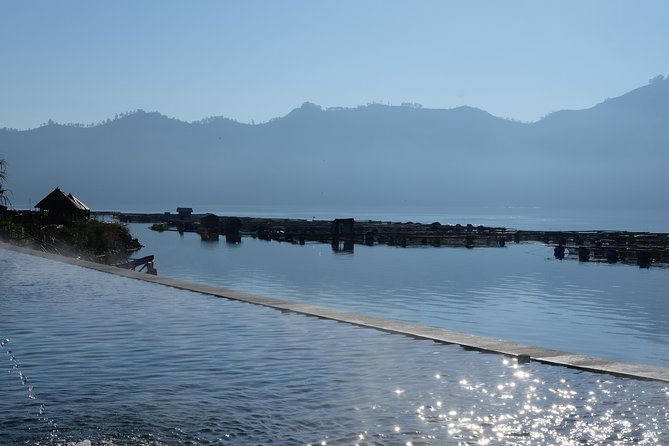
You’ll arrive back at Toya Bungkah Village around 9 a.m. That’s a nice buffer. It means you’re not hiking until late morning in a constant sweat. You’ve earned a break, and you’re not too wiped out before the next activity.
Around 11:30 a.m., the plan includes a drive to Satria Agrowisata, a Balinese coffee plantation. This is a change of pace: you go from climbing volcanic ground to a more relaxed, daytime setting. Even if coffee tasting isn’t your main interest, it’s a gentle way to transition out of “mountain mode.”
Then the day winds down. Depending on the option you choose, you’ll return to your accommodation around 1:30 p.m. The base tour is also described as ending back at the meeting point, so if you want the smoother door-to-door feel, look for the transfer add-on.

Guides, drivers, and the small-group advantage
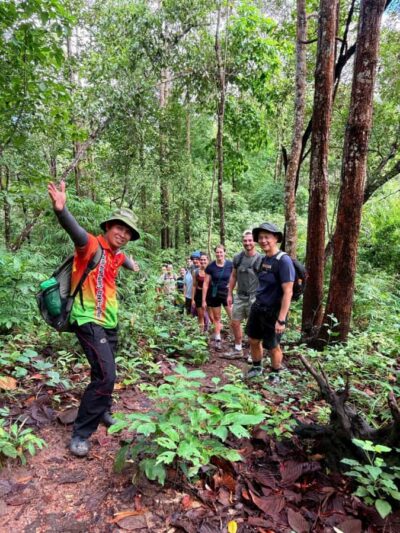
This trip lives and dies by the people running it. The guides I’ve seen connected to this experience name often and consistently show up as the difference between a tough hike and a memorable one.
For example, trekking guides like Ari and Jerry are described as friendly, safe-focused, and good at keeping the mood up during a hard climb. Drivers such as Yanika and Wayan are also highlighted for being personable and for going out of the way to stop at scenic viewpoints on the drive. That matters more than it sounds. A sunrise trek is all about timing and atmosphere, and a driver who knows where to pause helps the morning feel intentional.
The tour also caps at 5 travelers, which keeps things from turning chaotic. Smaller groups are easier to pace, and you’ll get more guide attention—especially important for a steep climb in the dark.
Price and value: what $120 buys on a sunrise volcano
At $120 per person, this is not the cheapest thing in Ubud, but it’s also not priced like a fancy private expedition with no structure. Your money goes into three main pieces:
First, you’re paying for the early logistics and guide work—3:30 a.m. start, dark climb support with flashlights, and an English-speaking guide for the group (listed as one guide per group of 4). Second, you’re paying for the sunrise payoff: the timing, the views, and the included breakfast with tea or coffee.
Third, you’re paying for the route quality. The option to walk around the crater and lava area, with explanations about lava flows and ash cones, is a value add that many simpler sunrise treks skip or shortcut.
There’s also mention of group discounts and mobile ticket convenience, which can help if you’re not booking solo. And if you upgrade, you can add 2-way hotel transfers and the chance to soak in natural hot springs afterward. That upgrade can be a big deal if you want your day to feel smoother and your muscles to feel better.
One heads-up: lunch isn’t included, and souvenir photos can cost extra. The best “value move” is planning your next meal after the tour so you’re not hunting food right after you get back.
What to bring (so sunrise doesn’t feel like a penalty)
You’ll feel the mountain more if you under-pack. The tour suggests:
- Proper walking shoes (non-negotiable for steep, rocky ground)
- A windbreaker (early mornings can be cooler than you expect)
- Sunglasses and sunscreen (sunrise glare is real even when it’s cold)
- Tissue
- Money for souvenirs or tips
Also, I’d add one personal rule: keep your layers simple. You want enough warmth for the dark climb and early rim time, but not so many things that you’re sweating and juggling during the hike.
Who this tour is best for (and who should rethink it)
This is a strong fit if you want a classic Bali nature experience but you still care about safety, timing, and a guide’s context. The age range is listed as 12 to 65, and the pace is structured around a group climb with flashlights.
It’s especially good for couples and small groups—your day stays intimate, and the sunrise moment is easy to savor without constant interruptions. If you like a bit of learning, you’ll probably enjoy the crater explanations, including the discussion of lava flows and ash cones.
If you hate steep hikes or you’re dealing with mobility limits, you might find the steep climb early in the morning challenging. In that case, the extra crater walk after sunrise may be the part you skip, but the summit climb itself is still a key requirement.
Should you book Mt. Batur sunrise trekking?
I’d book it if you want the highest payoff-per-minute day in Bali. A well-run sunrise trek gives you one of the most time-locked views on the island, and this format supports you with flashlights, an English-speaking guide, and a clear schedule that lands you on the crater rim for dawn.
I’d think twice if you’re not ready for a steep hike that starts before you’ve had breakfast. Also, if you don’t want extra stops, note that the day includes a coffee plantation visit around 11:30 a.m. (and you won’t be getting lunch as part of the package).
One last practical note: the tour is listed as having free cancellation if you cancel up to 24 hours before the start time, which is helpful on a schedule where weather can change your mood.
If you’re on the fence, decide based on one question: do you want sunrise from a volcano summit enough to trade comfort for a few tough hours? If yes, this one is a solid, well-supported choice.
FAQ
What time does the Mt. Batur trekking tour start?
The tour start time is 3:30 a.m.
Where do I meet for the Mount Batur trek?
The meeting point is in the Toya Bungkah area, listed as Volcano Side Bali, Banjar, with the address shown along Jl. Serongga and Jl. Bukit Catu No.Ds, Songan A, Kec. Kintamani, Kabupaten Bangli, Bali 80614, Indonesia.
How long is the tour?
The duration is listed as about 8 hours.
How long does it take to reach the summit?
It takes around 1.5 to 2 hours to reach the summit.
What’s included in the price?
Included items are an English-speaking guide per group (one guide per group of 4), flashlights, all fees and taxes, and breakfast with hot tea or coffee.
Is lunch included?
No, lunch is not included.
Is a coffee plantation stop part of the tour?
Yes. The itinerary includes a stop at Satria Agrowisata (a Balinese coffee plantation) around 11:30 a.m.
Can I choose hot springs or hotel transfers?
The tour description says you can upgrade to add 2-way hotel transfers and soak in natural hot springs.