REVIEW · LOMBOK
Rinjani Trekking 2D1N Senaru Crater rim
Book on Viator →Operated by Rinjani Sunrise · Bookable on Viator
One hike, two big views.
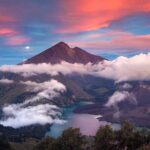
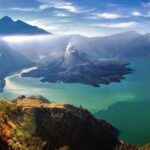
The Senaru Crater rim trek is all about reaching that high point where Lombok turns dramatic: you look out over Lake Segara Anak and the nearby Baby Volcano. And for the hard parts, the guides and porters make the day feel organized and doable, not chaotic.
This trip is commonly sold as a 2 days 1 night trek, but the rhythm is really 3 days and 2 nights. You sleep one night in Senaru lodging before the trek, then you camp for the night on the mountain, and return afterward. One consideration: the weather can shut things down, and high altitude can get brutally cold, so packing for real cold matters.
With a start time of 8:00am and full transfers in and out, I like that the logistics are largely handled. You get full-board meals during the trek, camping gear on site, and entrance fees covered—so you can focus on the climb and the views.
In This Review
- Key Points to Know Before You Go
- Why Senaru Crater Rim Feels Like a Second Summit
- 2D1N vs 3D2N: The Timing You’ll Actually Follow
- Gear, Camp Life, and Meals When You’re Out of Your Depth
- Trekking Difficulty: Challenging, But Built for Real People
- Guides and Porters: Why This Trip Runs Smooth When It Matters
- Price and What $262.91 Covers (And What It Doesn’t)
- Weather, Cold, and the One Planning Detail That Saves Trips
- Who Should Book This Senaru Crater Rim Trek
- Should You Book Rinjani Trekking 2D1N Senaru Crater Rim?
- FAQ
- How long is the Senaru Crater Rim trek?
- What time does the tour start?
- What’s included in the package?
- Is the trek suitable for beginners or families?
- Does the tour include the waterfall walk?
- What cold-weather gear should I bring?
- What if the trek is canceled due to weather?
Key Points to Know Before You Go
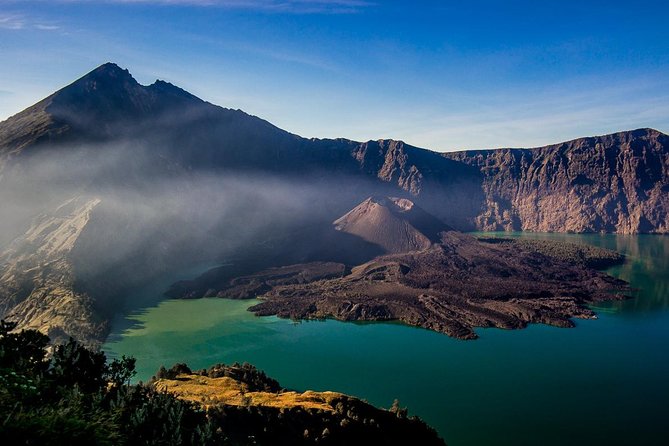
- Senaru Crater rim is your big payoff with views aimed at Lake Segara Anak and the Baby Volcano
- Camping is included: tent, toilet tent, sleeping bag, and mattress are part of the package
- Full-board meals during the trek help you avoid the usual worry of what you’ll actually eat at altitude
- It’s built for beginners and families with a minimum age of 10 and a moderate fitness level requirement
- Some extras depend on tour type: the Sindang Gile and Tiu Kelap waterfall panorama walk is only if you choose the private option
- Cold is real up high and you may hit temperatures down to minus, so plan layers, not fashion
Why Senaru Crater Rim Feels Like a Second Summit
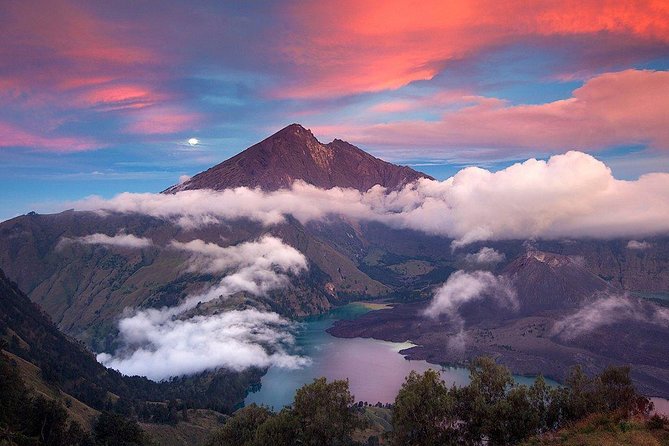
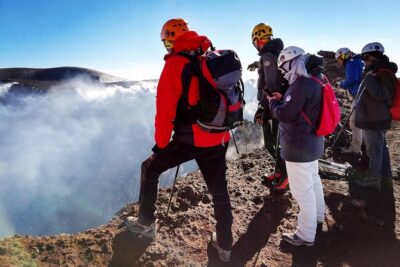
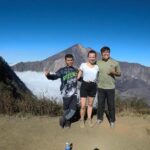
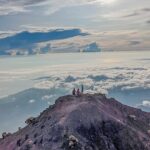
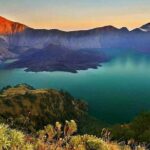
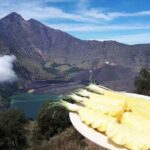
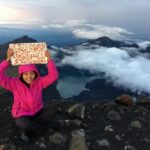
Rinjani is the headline, but the Senaru Crater rim is the moment you remember. You’re pushed up to a viewing area known for being like a second summit—because from here, you can actually see the mountain system you came for. That means the lake below and the Baby Volcano don’t stay vague on a map.
The main reason this trek works is simple: the views are the whole point. You’re not just walking through forest and calling it a day. You’re working for a vantage point where your brain finally puts the Rinjani puzzle together—rim, crater, lake, and volcanic neighbor all in one sightline.
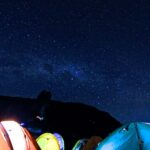
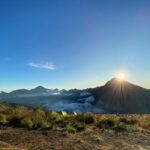
And the camp night adds a bonus layer. Some camps are set up so you can enjoy sunset from where you’re staying, and if skies cooperate, you may even get the milky way at night. Even if you’re not a star-spotter, clear night air at altitude is its own kind of reward.
You can also read our reviews of more tours and experiences in Lombok.
2D1N vs 3D2N: The Timing You’ll Actually Follow
You’ll see this trek marketed as 2D1N, and that’s not wrong. The naming usually means one night on the mountain. The full experience is 3 days and 2 nights total.
Here’s the structure you should picture:
- Day before the trek: you get 1 night of accommodation in Senaru
- Trek days: you spend time climbing toward the crater rim and pushing through the day’s trail segment(s) at altitude
- Mountain night: you camp (tent setup and sleeping gear are included)
- Return: you come back and complete transfers out afterward
Start is 8:00am, and you’re told the trek can leave on any day except when weather doesn’t permit. That weather rule matters on Rinjani, because conditions can change fast, and the crater rim experience depends on safety and visibility.
If you choose the private tour option, you might also include a panorama walk to Sindang Gile and Tiu Kelap Waterfall. If you want those add-ons, confirm the private option is included in your plan before you get on the bus.
Gear, Camp Life, and Meals When You’re Out of Your Depth
One of the smartest parts of this package is what’s already handled for you. You don’t just get a guide—you get camping gear, including:
- tent
- toilet tent
- sleeping bag
- mattress
That reduces two common problems: paying for rentals at the last minute, and arriving underprepared. It also helps if you’re traveling light, because you’re not trying to haul everything from Lombok city or wherever you’re staying.
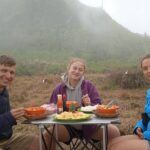
Food is another win. You get full-board meals during the trek, which is exactly what you want when you’re at altitude and moving slowly. When you’re tired, hunger is the enemy, and having meals planned takes the pressure off.
What you should bring still matters. The trip provides camping gear, but it doesn’t replace personal cold-weather layering. You’ll want:
- good trekking shoes with grip (running shoes can work if they’re grippy)
- a tick coat or jacket if you don’t have one, you can rent one on the spot
- long pants, because it can get extremely cold up high and temperatures can even reach minus levels
- short pants only if you plan to use the nature sauna (this is noted as a requirement)
- any personal medicine you might need
If you’re sensitive to cold, treat this like winter camping. Wet ground, wind, and temperature drops at night can be a rough combination.
Trekking Difficulty: Challenging, But Built for Real People
This is a challenging hike, no sugarcoating. The key detail is that it’s still positioned as suitable for beginners or families, as long as you meet the minimum age and have moderate physical fitness.
That’s an important distinction. You won’t be doing this in flip-flops, but you’re also not signing up for a pure mountaineering test. The better way to think about it: you need stamina, patience, and steady pacing.
The main climb to the crater rim can take 5+ hours depending on conditions and your pace. That means you can’t plan this like a quick hike with lots of sightseeing breaks. You’ll hike, rest, and keep moving.
Also, altitude changes how you feel even when the trail isn’t technically hard. Take it slow early. If you rush the first stretch, you’ll pay for it later when you want energy for the viewpoints and the night.
Guides and Porters: Why This Trip Runs Smooth When It Matters
This is one area where the experience consistently gets high marks. Guides like Ir, Mu/Mu, Edi, and Irsyad are mentioned for being supportive and patient, and for sharing details about the mountain and the surrounding jungle. Even when the climb is tough, the tone you get from your guide makes a huge difference: encouragement when you’re dragging, practical pacing, and calm explanations.
Porters are part of that equation too. They’re not just carrying things; they’re helping keep the day flowing. When someone sets up camp and prepares food at altitude, you feel it fast—because you’re not doing the heavy lifting yourself.
There’s also a strong theme of service and organization. People describe easy communication and smooth transfers, and one note highlights that the company cares about the environment. On Rinjani, that matters, because you’re passing through sensitive areas and you’re living on a mountain schedule.
If you want to tip the odds in your favor, use a simple approach: double-check your arrival details and keep written confirmation where you can find it quickly. There has been at least one reported hiccup when the date or details didn’t match what was expected—those cases are rare, but they’re avoidable with one careful check.
Price and What $262.91 Covers (And What It Doesn’t)
At $262.91 per person, this trek isn’t a bargain-priced stroll. But it’s also not just you paying for a name and a route. You’re paying for a bundle that would be expensive to recreate on your own.
Included value that matters:
- all transfers in and out
- 1 night accommodation the day before the trek in Senaru
- full-board meals during the trek
- entrance fees
- camping gear (including sleeping bag and mattress)
- guide and porters
Excluded items that you should budget for yourself:
- trekking shoes with good grip
- cold-weather jacket or tick coat (rentable on the spot if needed)
- long pants for high altitude cold
- short pants if you use the nature sauna
- personal medicine
Group discounts may apply, and this can be a private tour/activity where only your group participates. That’s part of the value too: you’re less likely to feel rushed by other schedules, and your guide can pace you more directly.
Bottom line: if you’re starting from scratch and need gear, food, and transfers handled, this package can represent strong value for the work you’ll get out of it. If you already have all gear, the guide is still the main cost, and you’re paying for that plus the mountain logistics.
Weather, Cold, and the One Planning Detail That Saves Trips
This is a weather-dependent experience. If conditions don’t permit the trek, it can be canceled. You’re offered either a different date or a full refund when weather is the reason.
That’s good, because it means the operator isn’t taking risks just to keep the schedule neat. Still, weather is also why your packing and readiness can’t be half-done.
Expect cold at high altitude. The info you’re given is direct: temperatures can reach minus, so you should treat this as serious cold exposure, especially after dark. Layering beats one heavy item. And if you forget key items, you can rent a jacket on the spot—but don’t count on perfect fit or perfect warmth when you’re exhausted.
One more planning detail: the trip is non-refundable and cannot be changed for any reason. Since you may be turning your travel plans into a weather-dependent window, you’ll feel better if your schedule has some flexibility around it.
Who Should Book This Senaru Crater Rim Trek
This trek makes sense if:
- you want crater rim views aimed at Lake Segara Anak and the Baby Volcano
- you’re traveling with family members or friends who still want a real trek, not a short walk
- you can handle a challenging hike with moderate fitness needs
- you’re okay with camping and cold nights
It’s especially suited for families with children, since the minimum age is 10 and the tour is described as appropriate for beginners. If you’re a first-time trekker, this is a better entry into Rinjani than trying something too advanced without support.
If cold makes you miserable, consider that it might. If you don’t like early starts and long days, you’ll still be okay, but you’ll need to set your expectations for a physical day with a payoff at the rim.
Should You Book Rinjani Trekking 2D1N Senaru Crater Rim?
I’d book it if your priority is the crater rim view and you want a guided, organized climb where food and camping gear are handled. The included meals, transfers, and camping setup take stress off the top of your list.
I’d hesitate if you’re not prepared for cold nights, or if your travel schedule is too tight around weather. And I’d be extra careful about confirmation details before arrival, because that one planning mismatch story is the kind of thing you can prevent with one careful double-check.
If you want Lombok’s Rinjani experience with a rim viewpoint that feels like a real summit moment, this Senaru crater rim trek is a strong choice.
FAQ
How long is the Senaru Crater Rim trek?
It’s commonly sold as 2 days 1 night, but the overall experience runs about 3 days and 2 nights. You spend one night in Senaru accommodation before the trek and one night camping during the trek.
What time does the tour start?
The meeting time is 8:00am.
What’s included in the package?
You get full-board meals during the trek, all transfers in and out, 1 night accommodation in Senaru before the trek, entrance fees, camping gear (tent, toilet tent, sleeping bags, and mattress), plus a guide and porters.
Is the trek suitable for beginners or families?
Yes. It’s described as suitable for beginners or family with children, with a minimum age of 10, and it requires moderate physical fitness.
Does the tour include the waterfall walk?
A panorama walk to Sindang Gile and Tiu Kelap Waterfall is included only if you choose the private tour option.
What cold-weather gear should I bring?
You should plan for very cold conditions at high altitude, even minus temperatures. Bring warm layers and long pants. If you don’t have a jacket or tick coat, you can rent one on the spot.
What if the trek is canceled due to weather?
The experience requires good weather. If it’s canceled because of poor weather, you’ll be offered a different date or a full refund.