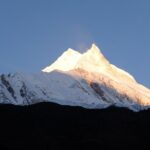
Sunrise at Poon Hill hits like a reset button. This short trek gives you a high-altitude Annapurna preview—snowy peaks at first light, then a steady walk through forests and villages, before flying back to Kathmandu.
Two things I really like: the Poon Hill sunrise panorama and the way the trip handles the boring logistics for you—private airport transfers, an English-speaking guide, and full trekking meals and accommodation. One thing to think about first: the walking adds up, and the cold can turn up as you get toward Ghorepani, including one of the longer, up-and-down days.
In This Review
- Key things to know before you go
- Kathmandu-to-trek flow: how this 6-day plan actually works
- Poon Hill sunrise: the views you’re training for
- Ghandruk: Gurung village energy and the first taste of the region
- Banthanti and the walk through forests: the trek’s “green-to-arid” shift
- Ghorepani: rhododendron forests, a post office, and one hard day
- Tikhedhunga and the Ulleri stone steps: finishing strong after Poon Hill
- Pokhara flights and the value of flying back from the mountains
- Price and logistics: what $1,024.36 buys you (and what it doesn’t)
- Guides, care, and the human side of the trek
- Who should book this Poon Hill Panorama Trek
- Should you book it?
- FAQ
- What is the start and end point of the Poon Hill Panorama Trek?
- How long is the trek?
- What time does the experience start?
- What meals and accommodations are included?
- Do I need a passport, and what about visas?
- Is travel insurance included, and are tips included?
Key things to know before you go
- Poon Hill is the main event: sunrise views over Annapurna I, Gangapurna, Dhaulagiri, Machhapuchhre, and more.
- You get guided support all the way with a government-licensed English-speaking guide, plus meals and lodging during the trek.
- You start early (your program starts at 6:00 am), so expect mornings that begin before your brain fully loads.
- The itinerary is short but active, with a standout hardest day around Ghorepani (about 6 hours).
- Village life is part of the trek, especially in places like Ghandruk (a Gurung settlement known for warm, welcoming people).
- Sunset-to-dawn feel is built in: you’re up early for views, then you’ll walk and sleep like a normal human again.
Kathmandu-to-trek flow: how this 6-day plan actually works
This trek is built for people who want the Annapurna region without a long commitment. You’re based out of Kathmandu, then you fly to Pokhara early, take drives and a jeep, and start walking in the Ghorepani–Poon Hill area.
What makes the timing feel manageable is that big-distance travel is mostly handled by vehicle and flight. The schedule moves you from city to trail fast: arrival in Kathmandu, then a transfer to a hotel for your first night; next day you’re headed toward the trek start through Pokhara and onward to the trail region. That means you spend more time on the scenic payoff and less time stuck in transit.
One practical note: the program start time is listed as 6:00 am at Tribhuvan Airport. Even if you don’t love early alarms, this is a trek where early starts matter—especially for the sunrise at Poon Hill.
You can also read our reviews of more tours and experiences in Kathmandu.
Poon Hill sunrise: the views you’re training for
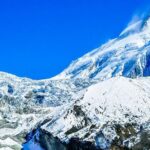
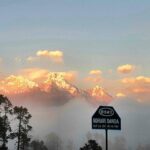
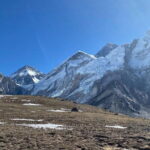
If you do this trek, you’re doing it for the sunrise at Poon Hill. Poon Hill is described as one of Nepal’s most scenic viewpoints, and the whole day is structured around catching that first light when the peaks look their sharpest.
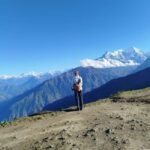
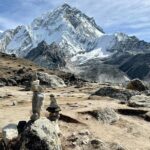
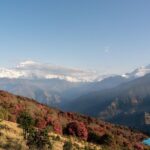
From the early start, you’ll walk uphill to the viewpoint timing your view for sunrise. The mountains you’re likely to see include Annapurna I, Gangapurna, Dhaulagiri, and Machhapuchhre. The real magic isn’t just that they’re there—it’s that you see them all framed together, with light spreading across snow-covered tops as the sky brightens.
After the sunrise viewing, the trek shifts from “pause and look” to “move downhill and keep going.” That’s normal here: Poon Hill is the highlight, but the day doesn’t stop once you’ve had your photo moment. Plan for continued hiking right after the view.
My practical advice: treat this day like a mission. Bring warm layers for the early hours, and be ready for a short window where you’ll want to stand still, then start moving again.
Ghandruk: Gurung village energy and the first taste of the region
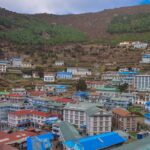
Your trek begins after travel from Kathmandu to Pokhara, then a drive and jeep connection toward the trek start area. One of the first places you reach on the trek plan is Ghandruk, a Gurung settlement.
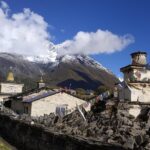
This part matters because it gives you a human scale to the Annapurna region. Instead of just thinking about peaks, you also get village life: people, homes, and the slower pace of life that exists alongside the trekking routes. The program highlights Ghandruk as warm and welcoming, which is exactly what you want early in a trek—good energy before your legs get fully introduced to hills.
That first arrival night is also a helpful reset. After flights and road travel, sleeping in a trekking village setting helps you shift from travel mode to trek mode. It’s also where your trekking routine starts to feel real: breakfast, then walking, then dinner and sleep again.
Banthanti and the walk through forests: the trek’s “green-to-arid” shift
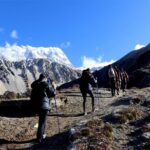
From Ghandruk, you move toward Banthanti, passing pastures and then walking through forests. The plan describes a pattern of descents and climbs, plus a steady ascent that brings you into a densely forested area.
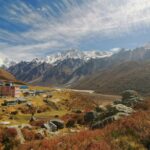
This is one of those trek days where the mountain drama is happening slowly. You won’t always get full-peak views every minute, but you’ll notice something important in the Annapurna region: the environment changes as you gain altitude. The trek is framed as a mix of green and arid land features, and this kind of short introduction trek is a good place to experience that transition without needing weeks.
Banthanti is also called out as best in spring. Even if you’re traveling at another time, the point stands: this is a forested walking section, with a steady effort and a village destination that feels connected to the region’s rhythm.
What to watch for: the walk time is about 5 hours, and the climb is steady. You’ll feel it more than you’d expect, especially if you’re still adapting to altitude and early mornings.
Ghorepani: rhododendron forests, a post office, and one hard day
Ghorepani is the base area leading into the Poon Hill morning. The program notes it has a post office and a health post, which is a nice reality check that this isn’t just a scenic detour—there’s infrastructure here, and the village has a daily life beyond tourism.
This is also where the trek description says the day gets harder. It’s listed as around 6 hours of walking and includes several up-and-down paths. The trek gets colder here too, along with a shift in vegetation, including rhododendron forests.
This matters for your comfort. Even in a short trek, Ghorepani is a turning point. You’re heading into cooler air and walking segments that demand attention—foot placement, pacing, and keeping warm before you start the longer view day.
Practical move: pack and wear layers so you can adjust as you climb and descend. The schedule is packed, and stopping to adjust too often slows you down.
Tikhedhunga and the Ulleri stone steps: finishing strong after Poon Hill
After the Poon Hill sunrise and the views, you move on toward Tikhedhunga. The program describes a descent that intensifies, with a highlight segment: a straight, two-hour stone paved path from Ulleri to Tikhehunga.
This is one of those days where the scenery focus shifts to terrain. Stone paths can be rough on knees and ankles, especially after the early morning. The total walking time is listed at about 7–8 hours, so you’ll want to pace yourself rather than trying to “finish fast” and paying for it later.
Tikhedhunga is the reward after a long day: time to rest, eat, and gather yourself. The itinerary includes BLD on this day as well, which helps a lot because it reduces the mental overhead of figuring meals while you’re tired.
What I’d do if my body feels heavy: keep steps short on the stone sections and let your legs do controlled work instead of big, bouncy strides.
Pokhara flights and the value of flying back from the mountains
Your last day starts with a jeep ride from Tikhedhunga to Nayapul, then a drive to Pokhara, and a flight back to Kathmandu. This is part of what makes this trek feel like a “short yet satisfying” plan rather than a full expedition.
Flying back from Pokhara saves you hours you’d otherwise spend walking or waiting. It also means the trek ends without a second long travel day from the trail area. You get the best of both worlds: mountain time, then a relatively quick return to Kathmandu.
If you’re trying to experience the Annapurna region efficiently, this structure is the key. You get the sunrise payoff plus several village stops, and you avoid turning your vacation into a grind of long-distance ground travel.
Price and logistics: what $1,024.36 buys you (and what it doesn’t)
At $1,024.36 per person, you’re paying for more than a guided walk. The included items cover the stuff that usually causes trip stress:
Included highlights:
- Professional guide (government-licensed, English-speaking, and described as trained and helpful)
- All airport picks and drops by private vehicle per group size
- One night 3-star hotel with breakfast in Kathmandu
- All trekking accommodation
- Three meals a day during the trek (breakfast, lunch, dinner), including fresh fruit in the evening
What’s not included:
- Your travel and medical insurance
- Personal expenses (phone calls, alcohol, donations, and similar costs)
- Tips for guides and porters
This matters for budgeting. Many trekkers underestimate how quickly small extras add up. If you already know your tipping style and you’ve priced out insurance, the rest is pretty clear.
Another logistics detail: you’re given a mobile ticket, and the schedule emphasizes early transfers and a smooth flow between Kathmandu, Pokhara, and the trek start.
Also, you’re required to provide passport details at booking (name, number, expiry, country). A current valid passport is needed on travel day, and you’re responsible for visa requirements. If you’re crossing borders, do that homework early instead of treating it like a last-minute task.
One more small but real comfort: the tour is private, meaning only your group participates. That can make early mornings and meal planning feel less chaotic.
Guides, care, and the human side of the trek
A big reason this trek gets strong feedback is the guide support. Names that stand out in the experiences shared include Joi, Ghan/Ghanesh, Shailesh, and Ganesh. The common thread is how they handle details: reliability, attentive pacing, and help with prep and coordination.
One specific kind of help that comes up is permit and prep support connected to Kathmandu stays around Thamel Hostel, including assistance with permits needed for the trek. That’s not glamorous, but it’s exactly what you want right before you walk away from computers and phone signal.
If you care about feeling looked after—especially on your first time trekking—this kind of guide partnership is a real value add. It’s not just “someone who points the way.” It’s someone who helps the whole experience run on time and with fewer surprises.
Who should book this Poon Hill Panorama Trek
This is a strong fit if:
- You want a first Annapurna trekking experience without a multi-week commitment
- You care most about sunrise views at a famous viewpoint
- You want your meals and accommodation handled
- You prefer a guided plan that covers the handoffs between flight, drive, and trail
It may be less ideal if:
- You hate early starts and long walking days (especially the 7–8 hour day after Poon Hill)
- You’re expecting an easy stroll throughout. The trek includes a “harder” day around Ghorepani and includes long descent terrain later
If this is your first real trek, I’d also suggest coming mentally ready for cold mornings and changing conditions in the rhododendron forest zone.
Should you book it?
I’d book this trek if your priority is a short, structured Annapurna introduction that delivers the Poon Hill sunrise and doesn’t leave you juggling logistics. The price includes enough core support—guide, meals, lodging, and transfers—that you can focus on walking and looking at mountains instead of worrying about the schedule breaking.
If you’re unsure about your fitness, you can still make it work, but be honest about the “harder day” and the length of the later hikes. This is compact trekking, not a sit-and-sip mountain tour.
FAQ
What is the start and end point of the Poon Hill Panorama Trek?
The trek starts at Tribhuvan Airport in Kathmandu, Nepal, and it ends back at the meeting point (this activity ends back at the meeting point).
How long is the trek?
The duration is listed as 6 days (approx.).
What time does the experience start?
The listed start time is 6:00 am.
What meals and accommodations are included?
You get three meals a day during the trek (breakfast, lunch, and dinner), plus accommodation during the trek. The Kathmandu hotel stay includes breakfast as well.
Do I need a passport, and what about visas?
Yes. A current valid passport is required on the day of travel. You must confirm and obtain any visa requirements prior to border crossing, and visa requirements are the responsibility of the traveler.
Is travel insurance included, and are tips included?
Travel/medical insurance is not included. Tips for guides and porters are also not included.