REVIEW · KATHMANDU
Manaslu Trekking
Book on Viator →Operated by World Himalaya Treks & Expeditions · Bookable on Viator
Few hikes hit both culture and big mountains. This Manaslu Circuit trip mixes Kathmandu heritage days with a less-crowded circuit around Mount Manaslu. I like that it’s built for real trekkers who want scenery, villages, and a serious route without the circus feel.
I especially like the logistics you don’t have to micromanage: airport transfers, Kathmandu sightseeing with a professional guide, and then comfortable teahouse or mountain-lodge stays on trek. Second, you get solid trek support—an experienced guide, and porters with a 1 porter for 2 people ratio plus their insurance and expenses covered.
The main drawback to think about is the effort level. This is a challenging trek with long hiking days and enough altitude exposure to demand moderate physical fitness and smart pacing.
In This Review
- Key things to know before you go
- Why the Manaslu Circuit feels more remote than the big routes
- Day-by-day in Kathmandu: Pashupatinath, Boudhanath, and Monkey Temple time
- Into the Budhi Gandaki valley: Sal forests, stone stairs, and Tatopani hot spring
- Buddhist-influenced Nupri and the view days: Namrung to Samagaun
- Samdo, tundra, and the pass approach: Larkya Bhanjyang to panoramic summit views
- Bhimtang Lake viewpoint to Chamje: forests, scrub, and a steady descent
- Back to Kathmandu: countryside drive, Thamel time, and airport transfer
- Price and logistics: what your $1,900 buys you (and what it doesn’t)
- Practical tips for packing and pacing this circuit
- Who should book this Manaslu Circuit trek
- Should you book Manaslu Trekking with World Himalaya Treks & Expeditions?
- FAQ
- What are the dates and duration for this Manaslu Circuit trek?
- Where does the trek start and end?
- What’s included in the tour price?
- What’s not included?
- How does porter support work?
- Do I need special permits for the trek?
- What fitness level do I need?
- What is the cancellation window for a refund?
Key things to know before you go
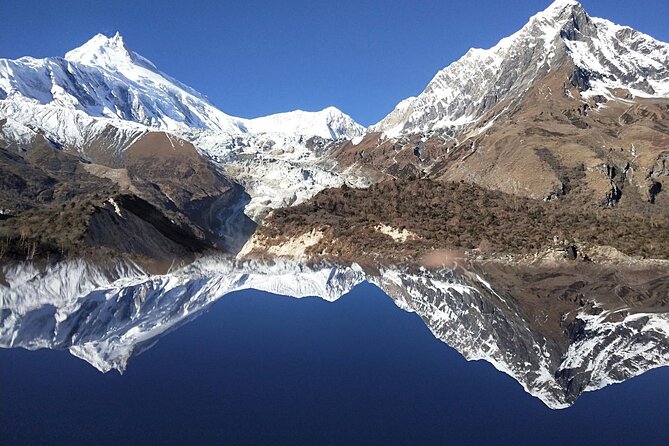
- A quieter circuit around Manaslu: less commercial than Annapurna/Everest routes, with a remote feel
- Permits are handled: special permit, national park entry fees, and TIMS card included
- Full-board meals on trek: breakfast, lunch, and dinner are covered throughout the trek schedule
- Serious support team: experienced guide plus porters, with equipment support for porters
- Comfort stops plus culture days: Kathmandu UNESCO sites before you start walking
Why the Manaslu Circuit feels more remote than the big routes
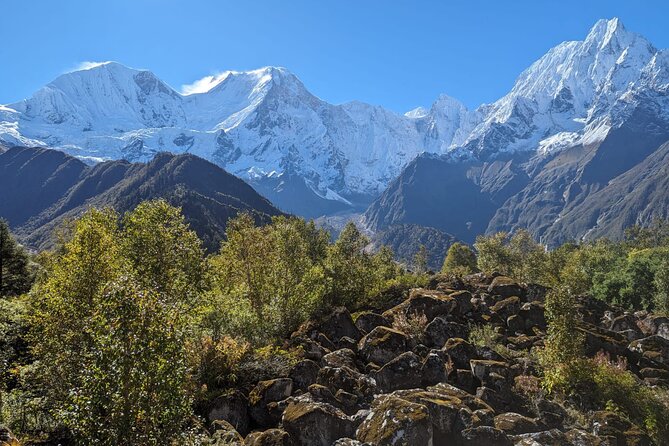
This trek circles the world’s eighth-highest peak, Mount Manaslu (8,163 meters), and it does it with a calmer vibe than the more famous corridors. You still get big-mountain drama—just with fewer crowds and more time to feel the rhythm of the valleys.
Another reason it works well is the mix of terrain. You’ll move from river valleys and forest trails into higher zones, with stops that reflect changing ecology and local life. The route also pairs nicely with early sightseeing in Kathmandu so your trip doesn’t start with only jet lag and a gear checklist.
You can also read our reviews of more tours and experiences in Kathmandu.
Day-by-day in Kathmandu: Pashupatinath, Boudhanath, and Monkey Temple time
Your trip begins in Kathmandu with an airport welcome and a transfer to your hotel. After you settle in, you’ll have a welcome dinner at a typical Nepalese restaurant and a briefing about the trek.
Day 2 is a classic Kathmandu culture set with a professional guide. You’ll visit Pashupatinath Temple, then head to Boudhanath Stupa, one of the largest stupas in Nepal and a UNESCO World Heritage Site. After that, you’ll also go to Swayambhunath, known as the Monkey Temple, with its famous eyes painted on the stupa and its resident monkey population—lively, noisy in a good way.
These days are more than sightseeing boxes. They give you context for the religion and daily life you’ll see later on trek, and they also help you get your bearings fast before hiking.
Into the Budhi Gandaki valley: Sal forests, stone stairs, and Tatopani hot spring
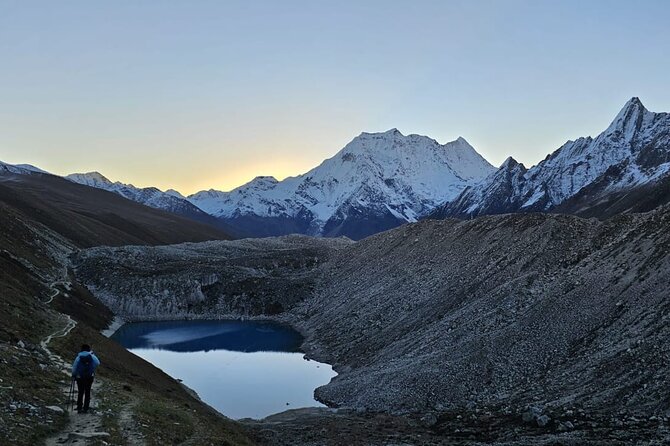
Once the trekking starts, you’re quickly in river-valley rhythm. Day 3 moves through Sal forests and along a trail above big rapids on the Budhi Gandaki. You’ll pass waterfalls on a steep, rocky path and arrive at Labubesi, then continue toward Machha Khola.
Day 4 keeps building that “walk-and-look” feeling. The route includes stone stairs and ridge sections, plus a small hotspring in Tatopani—a welcome reset when your legs start to argue. You’ll cross the Budhi Gandaki on suspension bridges more than once and reach Jagat for the night.
On Day 5, the scenery shifts again. You climb to Salleri, descend to Sirdibas, and keep moving upstream through villages and fields, including a big Gurung village stop at Philim. Later you go into a steep, uninhabited gorge, cross the Budhi Gandaki again, and end the day in Deng, a tiny village that feels like a pause point in the middle of the route.
If you like a trek that gradually turns from “scenic hike” into “real journey,” these early days deliver. Just don’t underestimate how much energy suspension bridges, stairs, and cliff-adjacent trails can cost.
Buddhist-influenced Nupri and the view days: Namrung to Samagaun
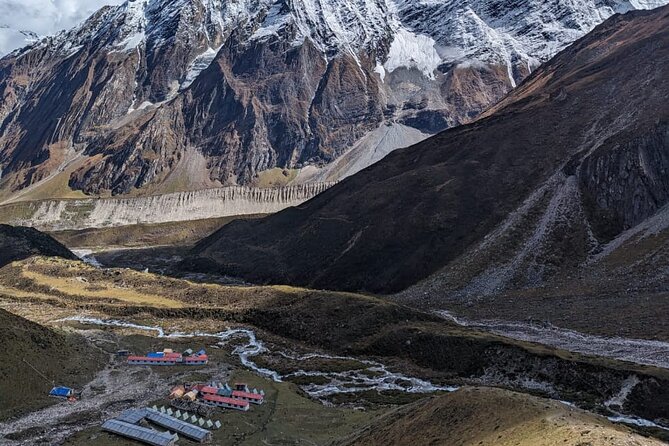
Day 6 is where the route starts to feel more “cultural zone” than just a transit corridor. You enter a Buddhist-influenced area, pass through Ghap, and head onward to Gamp for overnight.
Day 7 brings Namrung and the Nupri region. The day climbs through bamboo and rhododendron forests and ends at camp near the Manaslu region’s higher edge. Day 8 then moves toward Samagaun with views that start to open up, including a mention of Peak 29 along the way.
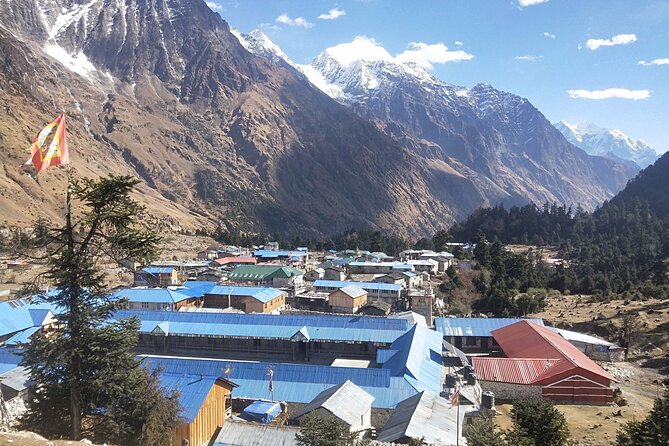
Samagaun is a highlight for many trekkers because it’s where the trip slows down just enough to feel the place. Day 9 includes time to explore the monastery and village with great views, so it’s not only hiking—you get a proper look around.
This is one of the trek’s best “balance points.” You gain elevation, but you also get time to absorb what’s happening around you, including the way local communities relate to the mountains.
Samdo, tundra, and the pass approach: Larkya Bhanjyang to panoramic summit views
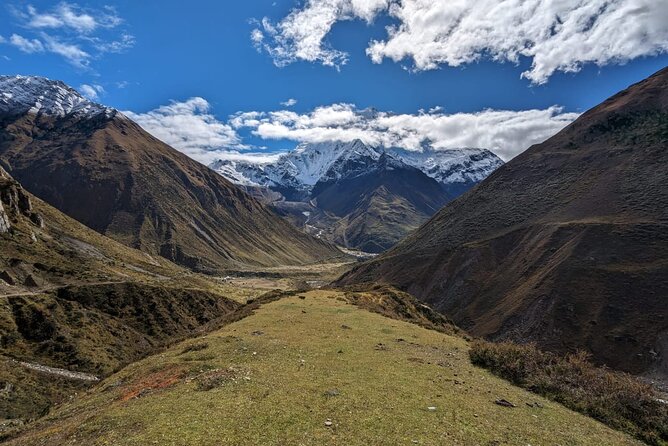
Day 10 follows the Budi Gandaki to Samdo. This stretch is about staying steady and enjoying the high-mountain feel as the terrain trends toward harsher, higher ground.
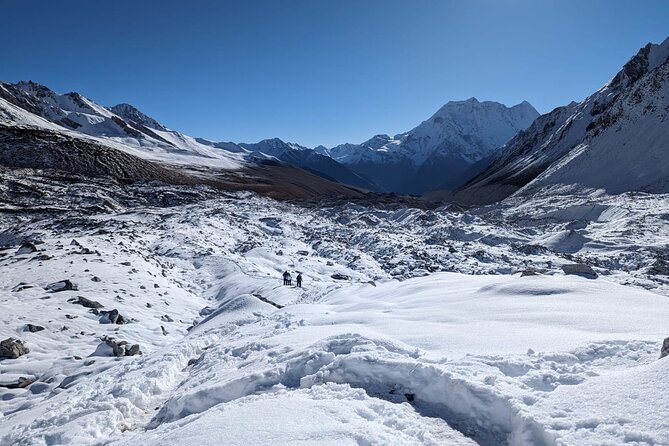
Then comes the pass approach. On Day 11, you start the ascent to Larkya Bhanjyang, moving through tundra and juniper. It’s described as a solid day of climbing, and that matches the typical feel of a major pass route: long effort, wide exposure, and the need to pace yourself.
Day 12 continues that higher-mountain momentum. You reach the summit with panoramic views and then descend to Bimtang. Even if you’re not chasing speed, this is the kind of day where a prepared mindset matters—layering up, keeping warm, and moving consistently.
Bhimtang Lake viewpoint to Chamje: forests, scrub, and a steady descent
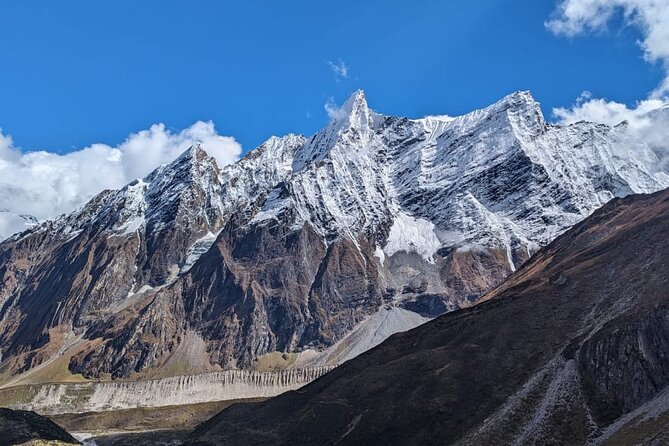
Day 13 includes a stop at the Bhimtang Lake viewpoint, then continues downward through forests to Tilje. That viewpoint break is the kind of thing you’ll remember later because it’s a “bigger sky” pause after hours of walking.
Day 14 keeps the descent going, but not in a flat way. The route goes through scrub forests and ends at Chamje for overnight at camp. This day matters because it signals you’re on the way out of the high trek rhythm and into the home stretch.
Back to Kathmandu: countryside drive, Thamel time, and airport transfer
After the long trek, Day 15 shifts to comfort. You drive back to Kathmandu through the countryside and get rest at the hotel. Day 16 is full day at leisure, with time to relax or explore Thamel, the area many people use as their base in Kathmandu.
Day 17 gives you final flex time for last-minute shopping or activities, then transfer to the airport for departure. It’s a smart landing: you’re not forced into a tight schedule right after the last trekking day.
Price and logistics: what your $1,900 buys you (and what it doesn’t)
At $1,900 per person for about 17 days, this trek isn’t a budget grab. It’s more like you’re paying for the hard parts that are expensive in remote Nepal: permits, staff, transport, and full-board meals in a place where logistics can get messy fast.
Here’s what’s included that actually moves the needle:
- Airport pickup and drop in Kathmandu
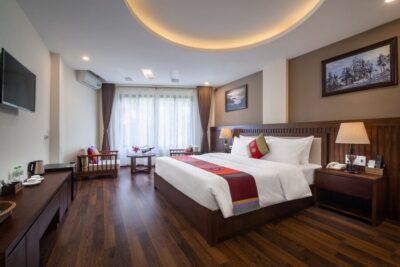
- Kathmandu hotel with breakfast (three-star deluxe twin share) plus guided sightseeing in the valley
- Full board on trek: breakfast, lunch, and dinner included during the trekking days in the schedule
- Permits and access: trekking permit, national park entry fees, and TIMS card
- Guide and porters, including their expenses and insurance (plus the porter ratio of 1 porter for 2 people)
- Neat and clean teahouse or mountain-lodge accommodation during the trek
- A medical kit box and a first-aid setup for the group
- A duffel bag and T-shirt
What’s not included is also worth noting. You’ll cover beverages, personal expenses, and tips for guides and porters. Travel insurance isn’t included either.
My take on value: the permit and TIMS piece plus the guide/porter structure are exactly the costs that can quietly balloon on more DIY-style trips. You’re also getting a Kathmandu “warm-up” with guides and transfers, which saves you time and confusion right after arrival.
Practical tips for packing and pacing this circuit
Your porter share helps, but you still need to travel smart. Plan on layering because Nepal can swing fast between warm sun and cold mornings at higher elevations. Bring rain protection too, since wet weather is one of the simplest ways to turn a good day into a miserable one.
Foot care matters on this kind of route. The trek uses suspension bridges, rocky paths, and stairs, so break in your boots before you arrive and keep socks you trust. Also, treat water and snacks like part of the work plan, not an afterthought.
Finally, pace like a pro. The itinerary is structured with camps and days that build toward the pass, so don’t try to “win” each day. Follow your guide’s rhythm and keep your breathing steady—especially as you move into the higher, colder parts of the trip.
Who should book this Manaslu Circuit trek
This trek fits best if you want:
- A challenging route with mountain views, villages, and changing scenery
- A less crowded alternative to the most commercial trekking regions
- A trip where permits, meals, and staff are already organized for you
It’s also a good match if you like your travel with a mix of culture and walking. Kathmandu isn’t just a quick stop here; you get temple and stupa time before you earn your mountain views.
You might reconsider if you’re looking for something easy, short, or highly flexible day-by-day. The itinerary is built for steady trekking, and the pass days demand physical readiness.
Should you book Manaslu Trekking with World Himalaya Treks & Expeditions?
Yes, if you value smooth organization, included permits, and real on-the-ground support. The staff structure (guide plus porters with insurance coverage, and a clear porter ratio) plus full-board meals makes this feel like a serious expedition without forcing you to become a logistics manager.
Book it with confidence if you’re aiming for a remote-feeling circuit around Manaslu and you’re happy with disciplined trekking days followed by proper Kathmandu downtime. If you want the cheapest possible trekking option, or you’re unsure about your stamina for long hikes, then this one may be too much.
If you do go, do your prep. Train a bit before you arrive, pack for cold mornings, and let the guide set the pace.
FAQ
What are the dates and duration for this Manaslu Circuit trek?
The trek is listed as an activity running between 02/15/2024 and 05/28/2026, and it lasts about 17 days.
Where does the trek start and end?
The meeting point is World Himalaya Treks & Expeditions at सात घुम्ती मार्ग, Kathmandu 44600, Nepal. The activity ends back at the meeting point.
What’s included in the tour price?
The price includes airport pickup and drop, Kathmandu accommodation with breakfast, guided sightseeing around Kathmandu Valley, full-board meals during the trek, permits and park/TIMS requirements, an experienced guide and porters, a medical kit box, taxes, and trek accommodation at teahouses or mountain lodges.
What’s not included?
Not included are beverages, personal expenses, tips for guides and porters, and your travel insurance.
How does porter support work?
The tour provides porters with a ratio of 1 porter for 2 people, and their expenses and insurance are included.
Do I need special permits for the trek?
Yes. The trek requires a special permit, and the necessary trekking permits, national park entry fees, and TIMS card are included.
What fitness level do I need?
The trip is for travelers with moderate physical fitness. It’s described as a challenging trek with long walking days.
What is the cancellation window for a refund?
You can cancel up to 6 days in advance of the experience for a full refund.