REVIEW · HANOI
Trekking Sapa – Bac Ha Market: Sleep on Train & Homestay
Book on Viator →Operated by Go Asia Travel · Bookable on Viator
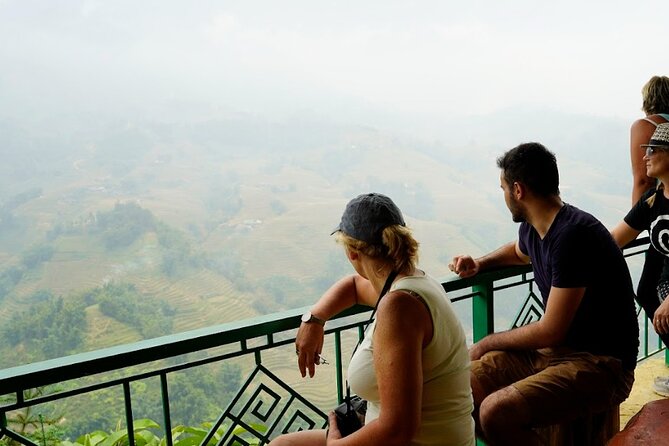
Mud roads, markets, and homestay nights in Sapa. This 3-day trip strings together overnight travel with guided ethnic-village walks, then lands you at the Bac Ha Sunday Market for a look at how trade still feels local and lived-in. You also get those big hillside viewpoints that make the early mornings feel worth it.
I especially like the way the route balances hiking with real downtime: a night in Ta Van homestay with a local guide perspective, plus a separate private guided visit in Bac Ha. Another win is the practical pacing—light-bag starts, clear time blocks, and a group capped at 15. The main drawback to plan for is physical comfort: you’re hiking on uneven paths and staying in basic homestay setup with shared sleeping options and public bathrooms, plus early starts around train transfers.
In This Review
- Key takeaways before you go
- Night train to Sapa: the sleep-then-trek value play
- Sapa morning walks: Cat Cat and Lao Chai at a human pace
- Trek tip that actually helps
- Ta Van homestay: where the culture talk becomes practical
- Why this homestay night is more valuable than it sounds
- Day 2: a second village stop, then time to breathe in Ta Van
- Bac Ha Market on Sunday morning: the best reason to plan around timing
- What to do during the market
- Hoang A Tuong’s Castle and the quick walk to Pho village
- Adding Ha Giang right after Sapa: a smart option if you have more days
- Price, included meals, and why $56 can be a good deal
- Group size, guides, and the service layer you’ll notice
- What to pack and how to set your expectations
- Should you book this Sapa to Bac Ha trek with train and homestay?
- FAQ
- How long is the tour?
- Where does the experience start and end?
- Is Bac Ha Market included, and when does it happen?
- What sleeping arrangements are provided in Ta Van?
- Do I get an English-speaking guide?
- Are meals included?
- Are entrance fees included?
- How physically demanding is it?
- Can I add Ha Giang after Sapa?
- What’s not included in the price?
Key takeaways before you go
- Overnight train in the mix: You can ride Hanoi to Sapa on the SP1/SP2/SP3 departures, then continue by car from Lao Cai to Sapa in the morning.
- Ta Van homestay that international visitors don’t usually see: Expect a shared-room or single-mattress setup, plus a real chance to learn about village life.
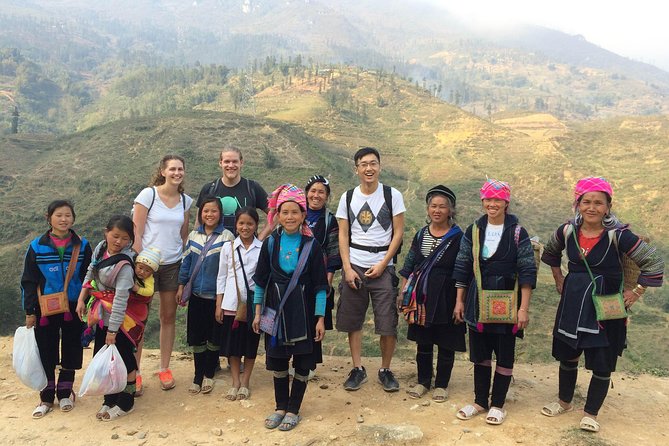
- Guided village treks, not just photo stops: Cat Cat, Lao Chai, and two village walks give context to what you’re seeing.
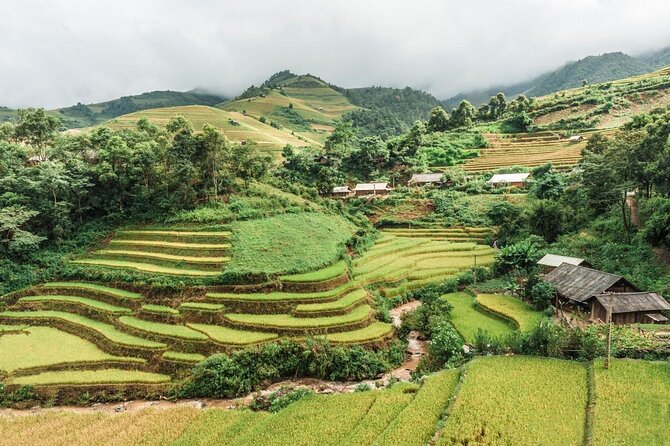
- Mud-road trekking and great aerial views: The route is known for its unique trail feel and hillside sightlines.
- Bac Ha Market only on Sunday morning: This timing shapes the whole last day, and it’s worth planning around.
- Small group size: Max 15 travelers helps keep the pace manageable and the guide easier to reach.
Night train to Sapa: the sleep-then-trek value play
This trip is built around saving time. You start at Hanoi Train Station (Ga Hà Nội) and catch an overnight train to Sapa on SP1/SP2/SP3 departing at 21:30. The next morning, you’re picked up at Lao Cai train station at around 5:00 and transferred about 40 km to Sapa.
Why I like this setup for value: instead of paying for a full hotel night in Hanoi and then losing half a day to transport, you’re using the night for travel. That matters when you want only ~3 days on the ground. It also helps the trekking days feel like “real days” rather than “arrival days.”
One small reality check: night trains can be hit-or-miss for sleep. Your itinerary compensates with early arrival and a breakfast-in-hotel moment in Sapa, so you’re not starting day one in total survival mode—but still, bring the mindset that sleep may be practical, not perfect.
You can also read our reviews of more tours and experiences in Hanoi.



Sapa morning walks: Cat Cat and Lao Chai at a human pace
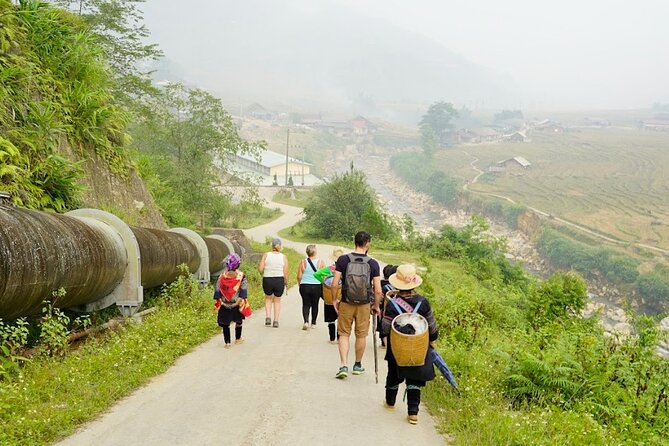
After you arrive in Sapa, you eat breakfast at your hotel and pack a light bag for the short trek. Day one is the gentle landing: a local H’Mong guide leads you toward Cat Cat village, a place known for waterfall views, Muong Hoa stream scenery, and terraced-style countryside.
Cat Cat isn’t just a viewpoint stop. You also visit a hydroelectric power plant tied to the French-era period, and you’ll pass through parts of the village with daily-life context. The duration is about 3 hours for the Cat Cat portion, which keeps it active without turning day one into a slog.
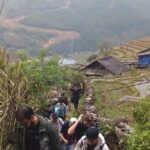
Then you switch gears to Lao Chai Trail, a village trek through areas around the Muong Hoa valley and stream, with Fansipan mountain in the background. Lao Chai is home to black H’Mong people, and the walk is described as running through nice terrace fields. Practically, this is the moment when the walking turns from “casual stroll” to “you’ll feel your legs,” especially if the path is muddy (more on that soon).
Trek tip that actually helps
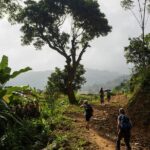
Wear shoes you trust on wet ground. The route is known for mud-road trekking, and the best hiking boots are the ones that keep you stable when the trail changes from firm to slippery. Also bring water. One of the best bits of advice from a prior guest is simple: prepare water and pack for the physical side of the trip.
Ta Van homestay: where the culture talk becomes practical
By late day one, you’re moving from Lao Chai area toward Ta Van village (about a couple hours on the way). Ta Van is described as home of the Zday people and sits by the Muong Hoa stream with scenic views that make the walk feel like a slow transition from sightseeing into community time.
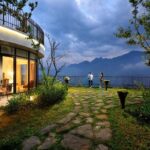
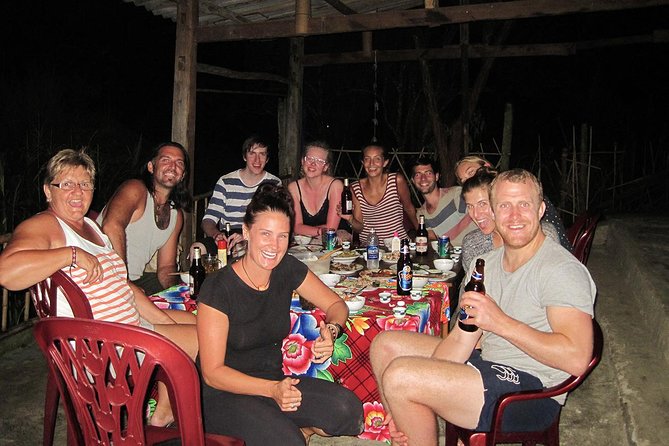
Then comes the key piece of this itinerary: the overnight homestay. You’ll stay in Ta Van with a host family at a Ta Van villa. Your setup is basic by design: shared room or a single mattress, plus public bathrooms. No pretending this is a luxury hotel. The payoff is the chance to see how a family lives when your trip isn’t just a one-hour tour.
This is also the moment when having an English-speaking guide matters. One guide name you might encounter is Suà, who’s specifically praised for explaining culture and connecting what you see to how people actually live. That kind of guiding turns “I saw a house and a field” into “I understand why this place is organized the way it is.”
Why this homestay night is more valuable than it sounds
Even when the walk is over, the experience continues. Homestays are where questions get answered in real time. If you’re the type who likes to ask normal human questions—What do people do here during the day? What does this season change?—Ta Van is where you’ll get usable context.
If you’re not comfortable with shared sleeping arrangements or public bathrooms, this is the part you should think about most. You don’t need to love camping-style basics, but you should be ready for it.
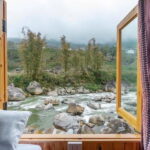
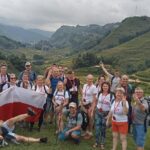



Day 2: a second village stop, then time to breathe in Ta Van
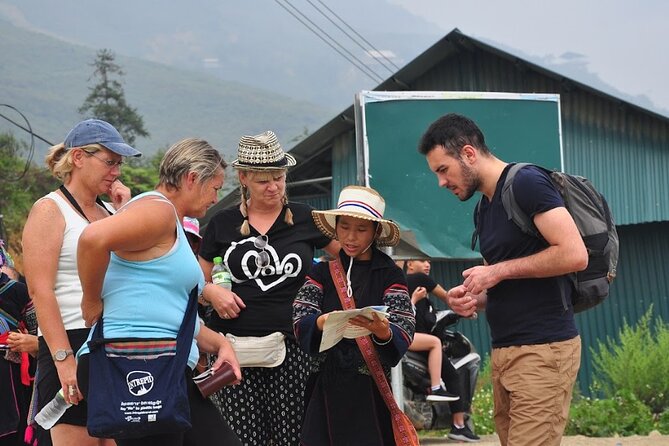
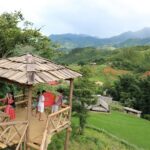
Day two begins with another walk: Giang Ta Chai village (about 2 hours). This village is described as a place where Red Zdao, Zday, and black H’Mong people live together, with views over Muong Hoa valley, plus bamboo forest and rice terrace fields.
What I like about stacking villages like this: you get to compare how different ethnic groups occupy the same region. It’s not just “one village, done.” It’s a sense of the area as a living patchwork, even if your time is limited.
After the walk, you return to Ta Van for a long block of time—about 10 hours. That long window is the unsung benefit of this tour. You’re not constantly moving. You can rest, ask questions, and do small exchanges that feel more natural than the quick-photo rhythm.
Bac Ha Market on Sunday morning: the best reason to plan around timing

Now for the big finale: Bac Ha Market. Here’s the scheduling truth you should build your trip around—Bac Ha Market only happens Sunday morning. That’s why day three is focused and timed. If you’re choosing dates, don’t accidentally book a Saturday and assume you’ll still get the full market experience.
The market visit is about 4 hours, and the description gives you a sense of what to look for: the original way of exchanging goods, plus contemporary trading. You can see locals exchanging things like pig, souvenirs, and hens for other products.
This isn’t a “shop until you drop” vibe if you go with curiosity. The interesting part is the trade itself—the logic of what people bring, what they swap, and how the market flows between sellers and buyers. If you like authentic everyday scenes, Sunday market timing is the entire point here.
What to do during the market
Take your time. Walk slower than you think you should. Look first, buy later. And remember that market energy can be intense; if you’re traveling with limited mobility, keep that in mind because markets involve lots of moving around.
Hoang A Tuong’s Castle and the quick walk to Pho village
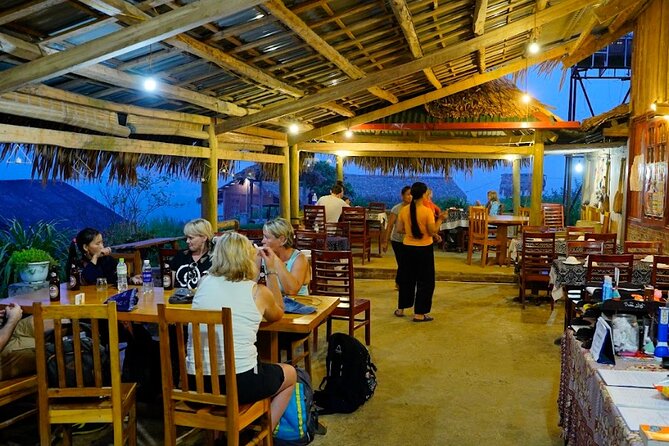
After Bac Ha Market, the tour adds two cultural-and-community stops.
First is Hoang A Tuong’s Castle, where the King of H’Mong people lived in the past. The stop is short—about 30 minutes—but it fits the day because it gives you a sense of local leadership and power before you shift back into daily life.
Then you head to Pho village, close to Bac Ha Market. You’ll walk along a peaceful road for about 30 minutes to see daily life of ethnic people. This segment works as a calm counterweight to the market’s motion. You get a change of pace without losing the village focus.
Adding Ha Giang right after Sapa: a smart option if you have more days
If you want to keep moving after this tour, there’s an extra option to go to Ha Giang directly from Sapa. The info is specific: two departures are listed at 14:30 and 19:00.
At 14:30, a limousine bus (18 seats) picks you up at May hotel for Ha Giang, with a drive time of about 6 hours. Admission isn’t specified here, but the key value is the logistics: you don’t have to circle back to Hanoi just to start Ha Giang.
If your schedule allows, this can turn a 3-day trek into a broader northern loop with less wasted travel time.
Price, included meals, and why $56 can be a good deal
At $56 per person for a roughly 3-day experience, the price looks low until you break down what’s actually covered.
Included:
- Transfers covering Hanoi ↔ Sapa (limousine sleeper bus depending on options), plus overnight train for the Hanoi to Sapa connection in the described plan
- A local English-speaking guide in Sapa, with guide coverage varying by route
- Homestay in Ta Van (shared room or single mattress with public bathroom)
- Private tour to Bac Ha with private car and guide
- Entrance fees for Ta Van and Hoang A Tuong palace
- Breakfast (3), lunch (3), and dinner included (listed as dinner in the package)
- Government tax (8%)
- Mobile ticket
Not included:
- Drinks
- Travel insurance
- Tips and personal expenses
- Holiday surcharge of 700,000 VND per person on certain major dates
So does $56 feel fair? For my money, it only makes sense because the tour bundles the expensive bits: overnight transport, a homestay night, guide time, and entry fees. If you tried to DIY the train + guide + homestay + Bac Ha market visit, you’d spend far more in both money and time.
The one cost-risk you can’t ignore is your comfort level with basic lodging. You’re paying for access and guidance, not for polished hotel amenities.
Group size, guides, and the service layer you’ll notice
This is capped at 15 travelers, which I consider a practical sweet spot. Large tours can feel rushed and noisy. Smaller ones can keep you moving, asking questions, and still getting a guide’s attention when you need it.
The tour also emphasizes attentive customer service: a travel consultant travels with you to help solve problems during the trip. That’s not a luxury promise, but it’s genuinely useful when you’re dealing with multiple transport legs (train, pickups, then road connections).
Also, the guide coverage matters. You’re getting a local English-speaking guide during the Sapa trek portion, and for Bac Ha you’re covered by a private car and guide—so you’re not stuck guessing your way through the market.
What to pack and how to set your expectations
You don’t need special gear, but you do need sensible basics.
- Shoes for mud: the route includes mud-road trekking, so stable soles matter more than looks
- Water: pack it, because you’re out trekking and moving between village areas
- A light bag for the shorter trek segments (you’re explicitly told to prepare a light bag)
- Be ready for basic homestay setup: shared sleeping options, public bathroom
- Plan for early starts: the train pickup timing and transfer schedule place you on early-morning rhythm
If you like structured days with real local context, this tour’s pace fits well. If you hate hiking on uneven ground or you want hotel-style comfort every night, you’ll probably feel the strain more than you’d like.
Should you book this Sapa to Bac Ha trek with train and homestay?
Book it if you want:
- A real northern Vietnam slice that combines transport, trekking, and a homestay night
- Sunday timing for Bac Ha Market
- Guided village visits where the explanations actually help
- A small-group feel (max 15)
Skip it (or at least reconsider the homestay) if:
- Shared sleeping and public bathrooms would ruin your trip
- You expect an easy stroll the whole time
- You’re very sensitive to night-train sleep
For the price, this is strong value because it stacks the key expensive ingredients—overnight travel, homestay access, guided trekking, and Bac Ha market timing—into one deal.
FAQ
How long is the tour?
It’s listed as about 3 days.
Where does the experience start and end?
It starts at Ga Hà Nội (120 Lê Duẩn Cua Nam, Đống Đa, Hanoi, Vietnam) and ends back at the same meeting point.
Is Bac Ha Market included, and when does it happen?
Yes, Bac Ha Market is included. It takes place on Sunday morning, which is why the market stop is scheduled for day three.
What sleeping arrangements are provided in Ta Van?
You’ll stay overnight at a homestay in Ta Van with either a shared room or a single mattress, and you’ll use public bathrooms.
Do I get an English-speaking guide?
Yes. The tour includes a local English-speaking guide in Sapa, and Bac Ha is done with a private car and guide.
Are meals included?
Yes. The package includes breakfast (3), lunch (3), and dinner.
Are entrance fees included?
Entrance fees are included for Ta Van and Hoang A Tuong palace in Bac Ha.
How physically demanding is it?
The tour says it’s suitable for moderate physical fitness. You’ll do several village treks and walks, including a short trek with a light bag.
Can I add Ha Giang after Sapa?
There’s an extra option to start Ha Giang directly from Sapa, with buses departing at 14:30 and 19:00.
What’s not included in the price?
Drinks, travel insurance, tips, and personal expenses are not included, and there’s a holiday surcharge of 700,000 VND per person on certain dates.