REVIEW · GALLE
Sri Lanka : Sinharaja Rainforest Guided Trek with Pickup
Book on GetYourGuide →Operated by Believe it tours · Bookable on GetYourGuide
One rainforest walk, big payoff for nature lovers. This guided trek in Sinharaja Rainforest (a UNESCO World Heritage Site) is built for spotting endemic wildlife like the Sri Lankan Blue Magpie, plus monkeys, reptiles, and insects, with hotel pickup and drop-off that keeps the day stress-free.
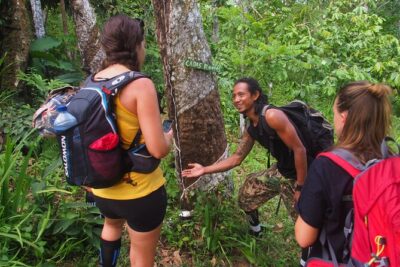
I especially like the mix of birding and “forest life” stopping points, because you’re not just staring at leaves. You get a guide who can explain what you’re seeing as you walk, and in some groups the experience leans personal and warm, like learning plant and animal clues from guides such as Alagaraja and his daughter Thishani.
My one real caution is the trail reality: it’s a rainforest trek, so you need solid footwear and to plan for mud, humidity, and rain gear. Also, it’s not a fit for people with back problems or wheelchair users, and children must be at least 9.
In This Review
- Key things that make this trek work
- Sinharaja Rainforest: what makes this UNESCO trek different
- Pickup and ride time from Mirissa and the south coast
- The 3–6 hour guided trek: how the walk is paced
- Birding payoff: Sri Lankan Blue Magpie and other targets
- Mammals, reptiles, and amphibians: seeing the full forest story
- What’s included: water, snacks, entry, and the guide’s role
- The real-world packing list: shoes, rain gear, and insect repellent
- Language and small-group dynamics that shape the experience
- Who this trek is best for (and who should skip it)
- Price and value: is $96 fair for 6 hours?
- Should you book this Sinharaja guided trek with pickup?
- FAQ
- Where does pickup happen for this Sinharaja trek?
- How long is the trek?
- Is the transportation private and air-conditioned?
- How big is the group?
- Do you get a guide during the trek?
- What languages are the guide tours available in?
- What is included in the price besides the guide?
- Is lunch included?
- What should I bring to the rainforest?
- What is not allowed during the trek?
Key things that make this trek work
- Pickup makes the day easy: private, air-conditioned transport from Mirissa and nearby towns.
- Endemic bird focus: targets species such as Sri Lankan Blue Magpie and Green-billed Coucal.
- More than birds: you’ll look for Purple-faced Langurs, squirrels, tree frogs, and more.
- Small group pace: limited to 10 participants, so the guide can adjust the walk.
- Snacks and water included: you won’t get stuck mid-trek without basics.
- Rainforest etiquette matters: no littering and no touching plants.
Sinharaja Rainforest: what makes this UNESCO trek different
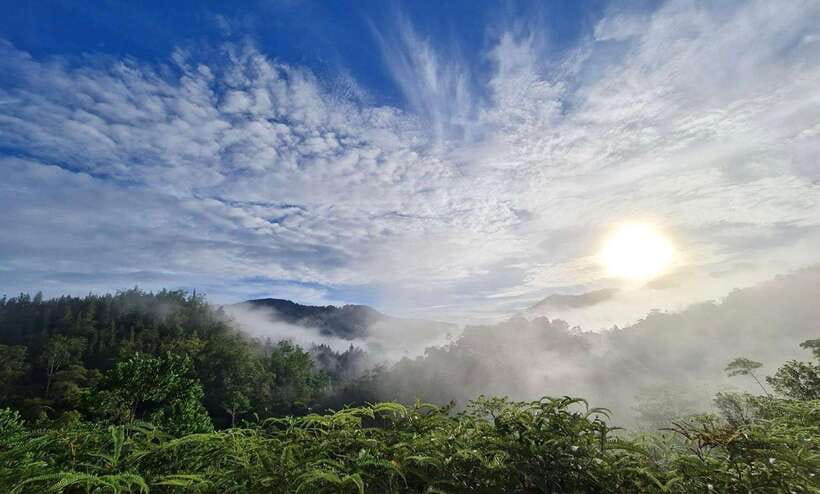
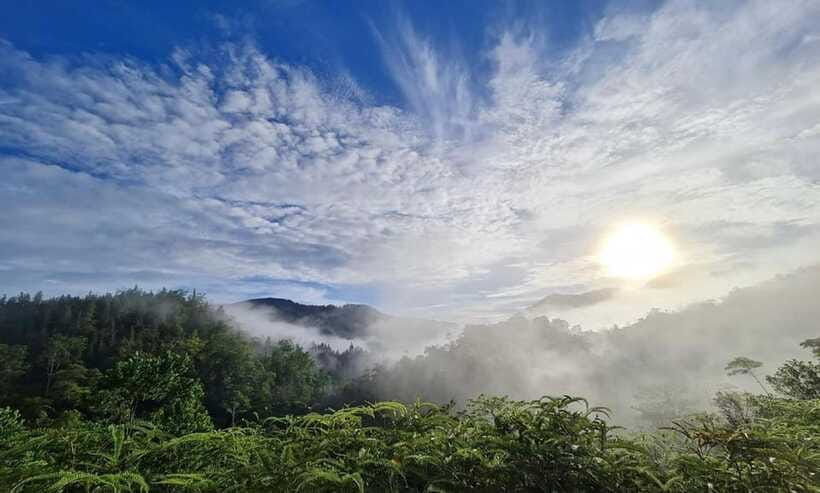
Sinharaja is the kind of place where “forest” isn’t a backdrop. It’s the main character. This UNESCO site is famous for species that are found in Sri Lanka and nowhere else, which is exactly why a guided walk is so valuable here.
On this trek, the goal is practical: you move through the forest at a pace where a local guide can point out living details you’d likely miss on your own. That includes birds that are harder to spot than they look, as well as reptiles, amphibians, and insects you’d never think to search for.
One important mindset shift: you’re not hiking for a view. You’re hiking for recognition. The “wins” are brief moments—an eye-level flash of a bird, a call you can identify, a leaf that holds the clue to how the forest survives.
Pickup and ride time from Mirissa and the south coast
Your day starts with pickup from your hotel area in Mirissa (and also Mirissa’s neighbor towns like Galle, Bentota, Koggala, Ahangama, Talpe, Weligama, and Unawatuna). That matters because getting to Sinharaja is the part that usually eats time when you’re planning solo.
This tour uses a private air-conditioned vehicle, not a crowded shuttle. The benefit is simple: fewer stops, less confusion, and you arrive with the mental energy you need for the walk.
What you should expect on the road is a transfer to the rainforest area, then a start to the trek. In at least one group experience, there’s also been mention of a short tuktuk-style ride deeper toward the trail, which can make the transition from paved roads to forest feel smoother. Either way, the day is structured so you aren’t managing logistics while you’re trying to spot wildlife.
The 3–6 hour guided trek: how the walk is paced
The trek itself runs about 3 to 6 hours, guided by an experienced local leader. That wide range is actually helpful because it signals flexibility—your guide can adjust to bird activity, weather conditions, and group speed.
A good rainforest guide does two things well:
1) They know where to look, and
2) They know what to look for.
You’re walking with a guide who can help you read the forest: which birds might be active, what habitats suggest reptiles or amphibians, and how to spot “movement that isn’t just wind.” The tour also includes entry to Sinharaja, which is one less chore you have to handle before you even start walking.
Group size is capped at 10 participants, which also affects your experience. With a larger group, everyone stops and starts at the same time, and wildlife can vanish while you all reposition. With a smaller group, the guide can slow down for quieter sightings without turning the day into a traffic jam.
Birding payoff: Sri Lankan Blue Magpie and other targets
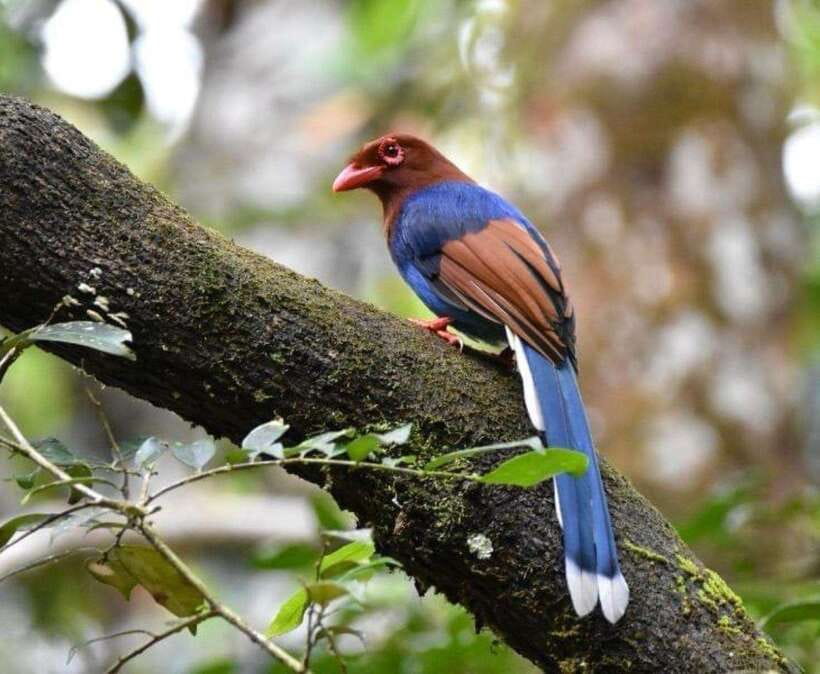
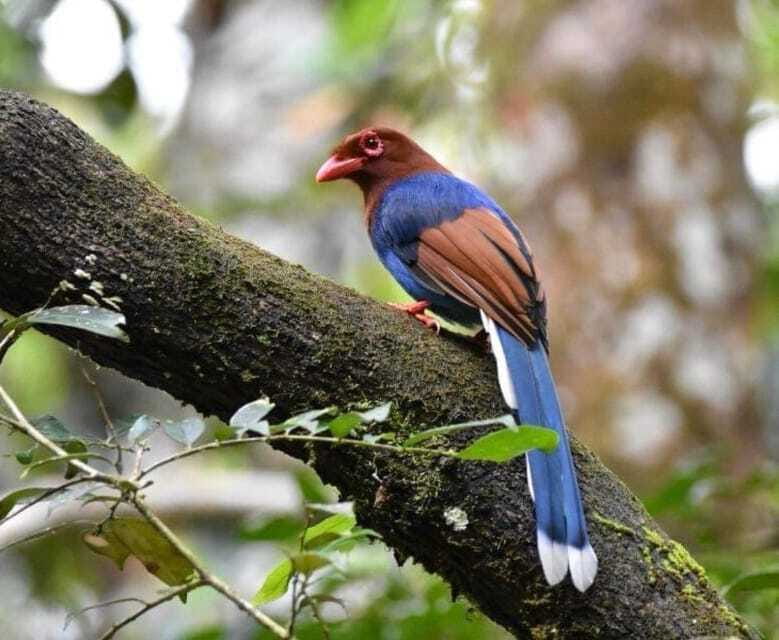
If you like birds, this is one of the main reasons the trek is so appealing. The tour is built to look for rare and endemic species, including the Sri Lankan Blue Magpie, Red-faced Malkoha, Orange-billed Babbler, Crested Drongo, and Green-billed Coucal.
Here’s why that matters for your expectations. In forests, birds are often a “look, listen, confirm” game. A guide can translate calls and movement into species ID, and can also help you stand still long enough to actually see something instead of walking past it.
You’ll also be watching for patterns of behavior. Some birds prefer certain canopy layers; others show up around particular forest edges or after brief weather shifts. With a guide scanning with purpose, you spend less time “hoping” and more time “noticing.”
In one group experience, the guide team made the birding feel like a learning conversation. That’s not just nicer than silence—it’s how you remember what you saw, and how you spot the next clue faster.
Mammals, reptiles, and amphibians: seeing the full forest story
Birds get a lot of attention, but this trek also keeps your eyes busy with mammals and other wildlife that only shows up if you slow down.
For mammals, the tour lists targets such as the Purple-faced Langur and Giant Squirrels. Langurs are especially memorable because they look like they belong in another world—high-contrast faces and a calm way of moving. Squirrels can be easier to overlook, so guide-led scanning helps.
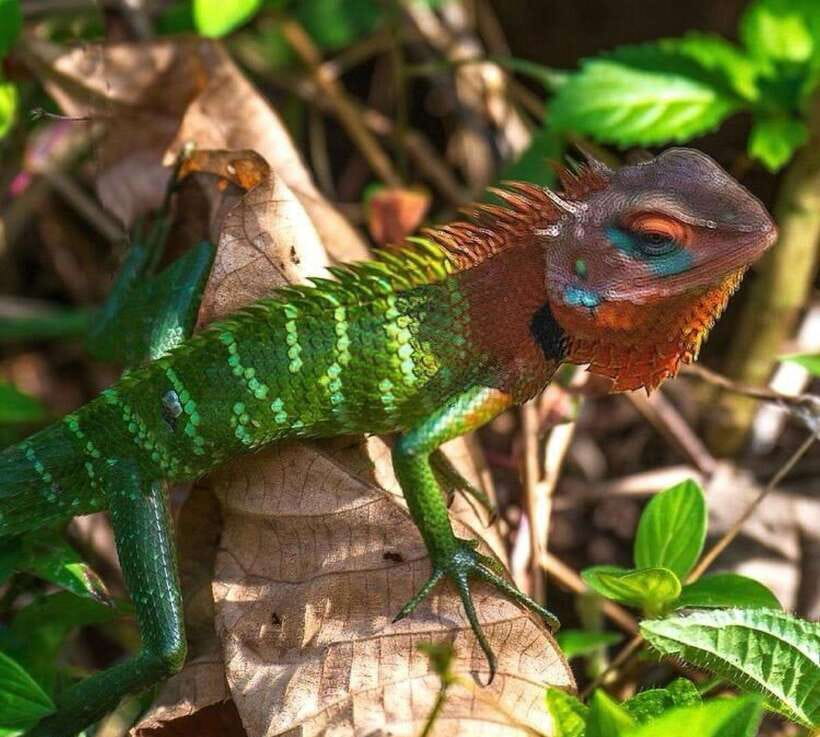
Reptiles and amphibians are part of the forest “system” here, and the tour explicitly watches for species like Green Pit Vipers and Hump-nosed Vipers, plus colorful tree frogs. You won’t be trying to catch or touch anything (you’re not allowed to touch plants anyway), but your guide can help you understand what you’re seeing from a safe distance.
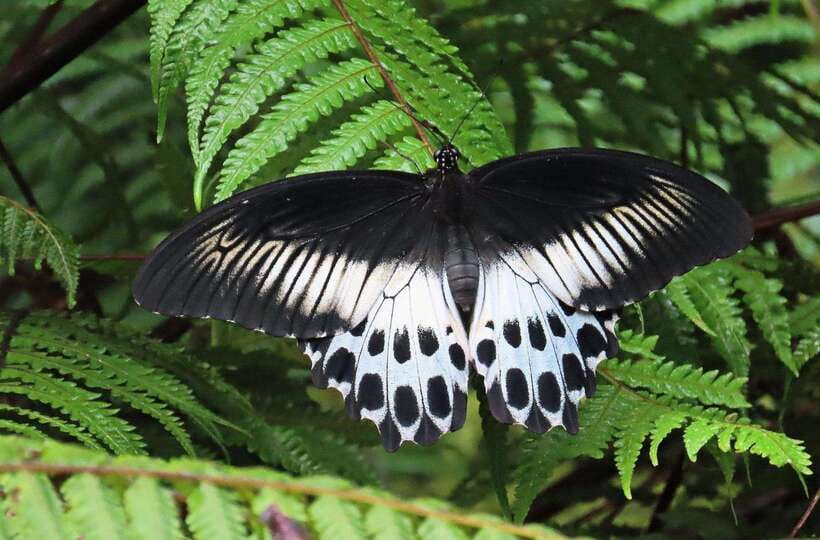
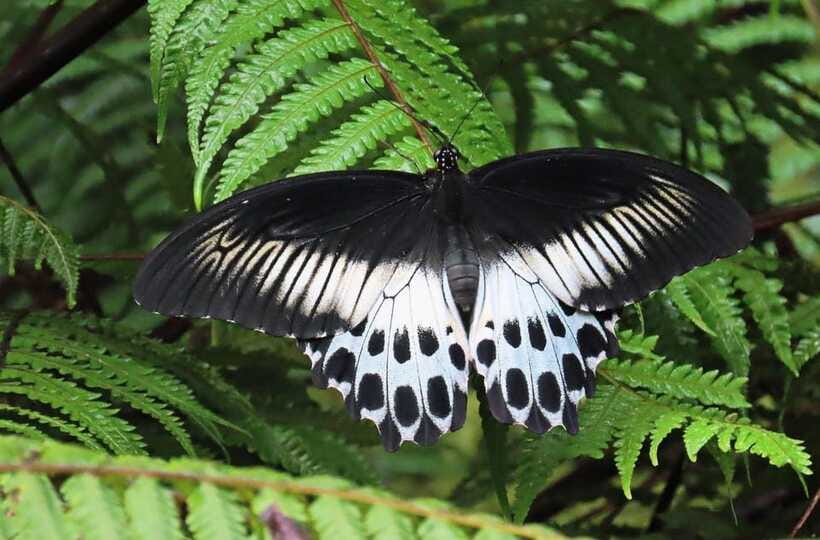
Insects are also included in the tour experience. This is where the rainforest really earns its keep. Butterflies and insect life can be obvious once you know what to look for—leaf texture, light gaps, and small motion near the understory.
One practical note: rainforest conditions can change quickly. In a real-world day described by another participant, the group was hit with a strong rain shower mid-experience, and having rain protection and spare clothes made a big difference. So plan for wet weather even if the morning looks calm.
What’s included: water, snacks, entry, and the guide’s role
This tour bundles several key items that keep the day smooth:
- Private air-conditioned vehicle with insurance (round-trip)
- Pickup and drop-off from your location
- Entry fee for Sinharaja Rainforest
- A 3–6 hour guided trek with a local guide
- Bottled water and light snacks during the trek
- Focus on spotting birds, small mammals, reptiles, amphibians, and insects
- An optional lunch add-on
That “light snacks + water” detail sounds small, but it’s the kind of thing that prevents problems. In the rainforest, you don’t want to spend energy figuring out when your next drink will come from. You’ll likely be moving, stopping, and waiting for sightings—so hydration and quick calories matter.
If you want a longer sit-down meal option, you can add lunch. Otherwise, the tour keeps you moving, which is often better for wildlife spotting anyway.
The real-world packing list: shoes, rain gear, and insect repellent
Because you’re walking on uneven ground in humid, muddy conditions, comfort starts with footwear. Bring comfortable shoes with good grip. If you slip once, the whole day becomes less fun.
Also pack:
- A hat
- Camera
- Sunscreen
- Insect repellent
- Water (even though bottled water is included, extra never hurts)
- Rain gear (and if you’re the type who hates being cold and damp, bring a small change of clothes)
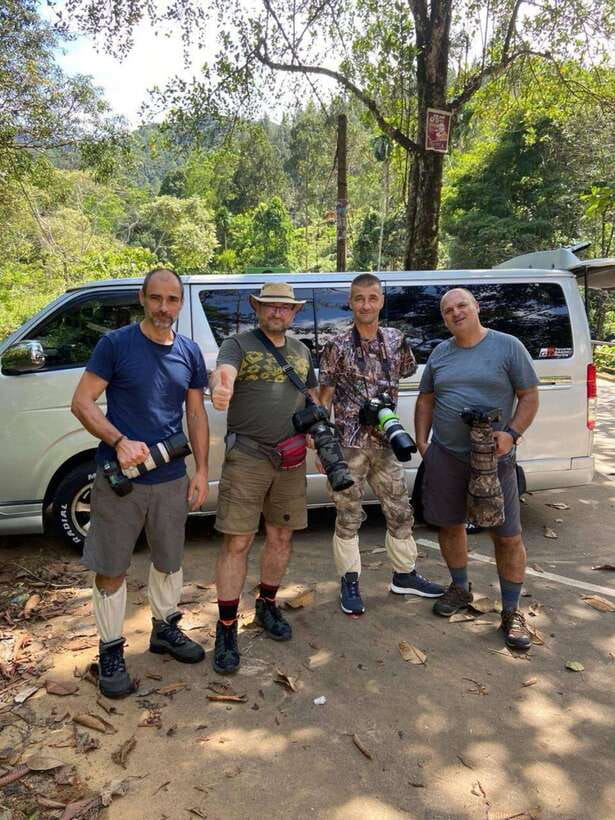
One more tip from the way rainforest trekking often runs: some groups may be given blood-leech socks when needed. That’s not something to plan as guaranteed, but it’s a sign that your guide will manage for real rainforest challenges, not just scenery.
And remember the rules:
- No littering
- No touching plants
It’s not just “polite.” Touching can damage plants and also increases risk for you and the ecosystem.
Language and small-group dynamics that shape the experience
This tour includes a live guide in English, Singhalese, and Tamil. That’s helpful because a bird or animal sighting becomes far more satisfying when you can follow the explanation—what it’s doing, why it’s there, and how you might spot similar wildlife next time.
The group is also small, up to 10 participants. In practice, that means you’re more likely to get:
- More time stopped for sightings
- Less crowding around the guide
- A better chance of catching the quieter moments, like listening for calls
If you tend to learn best by asking questions, this kind of group size tends to be a win. And if you just want to experience the forest without talking much, you still get the benefit of a guide who can handle pace and safety without you micromanaging anything.
Who this trek is best for (and who should skip it)
This experience is a good fit if you:
- Want a guided way to spot endemic Sri Lankan wildlife
- Enjoy birds but also care about mammals, reptiles, amphibians, and insects
- Prefer a small-group structure with a local guide who can explain what you’re seeing
It’s not suitable for:
- Children under 9
- People with back problems
- Wheelchair users
Because it’s a forest trek, it’s also not a “casual stroll.” Expect uneven terrain and time on your feet, sometimes in wet conditions.
Price and value: is $96 fair for 6 hours?
At $96 per person for about a half-day format (with 6 hours listed), the main question is where the value comes from.
You’re paying for more than a guide:
- Private round-trip transport with insurance
- Sinharaja entry included
- A local guided trek focused on spotting wildlife
- Bottled water and light snacks
- Small-group attention (up to 10)
In other words, a chunk of your money goes to access and logistics, and a chunk goes to turning the forest into something you can actually identify and enjoy. For many people, that’s the difference between taking random photos and leaving with real memories—like knowing what you saw and why it matters.
If you were to self-arrange entry, transport, and a guide for a single day, costs usually creep up fast. So this price is most convincing when you want a structured wildlife day without having to coordinate everything yourself.
Should you book this Sinharaja guided trek with pickup?
I’d book it if you want an organized, wildlife-focused rainforest day with low hassle. Pickup from your hotel, private transport, entry included, and a small group all cut the friction that can sink wildlife trips.
You might skip it if:
- You need a fully easy, paved walk (this is a real trek)
- Your mobility or back limits make rainforest terrain difficult
- You don’t want to deal with rain gear and uneven ground
If you’re ready for a forest day where the highlights are birds, calls, and fleeting sightings—and where the guide helps you notice what matters—this is a strong, practical choice.
FAQ
Where does pickup happen for this Sinharaja trek?
Pickup is available from your hotel area in Mirissa, Galle, Bentota, Koggala, Ahangama, Talpe, Weligama, or Unawatuna.
How long is the trek?
The trek runs about 3 to 6 hours.
Is the transportation private and air-conditioned?
Yes. You get a private air-conditioned vehicle for round-trip travel.
How big is the group?
The group is limited to 10 participants.
Do you get a guide during the trek?
Yes. The trek is led by an experienced local guide.
What languages are the guide tours available in?
The live guide is available in English, Singhalese, and Tamil.
What is included in the price besides the guide?
The price includes pickup and drop-off, the Sinharaja entry fee, bottled water and light snacks, and the guided trek.
Is lunch included?
Lunch is not included unless you choose the optional lunch add-on.
What should I bring to the rainforest?
Bring comfortable shoes, a hat, camera, sunscreen, water, rain gear, and insect repellent.
What is not allowed during the trek?
Littering is not allowed, and you must not touch plants.