REVIEW · POKHARA
Ghorepani Poonhill Trek from Pokhara – 4 Days
Book on Viator →Operated by Trekking Guide Team Adventure · Bookable on Viator
A short trek with big payoff for Nepal newbies. You’ll get classic Himalaya sunrise views plus village walks through Magar country and the Annapurna region, all wrapped in a well-run team setup. I especially like the way the trip organizes the details for you, and I’m a fan of the English-speaking guide + porter structure for a 4-day schedule. One thing to consider: weather can make or break the sunrise, so you should be ready to dress warm and go with the flow.
This is the kind of trek that fits a limited time window without feeling rushed. You start up from Nayapul by private transport, trek between villages and forested paths, then finish with a drive back to Pokhara. The best part is how the days are spaced for both scenery and breathing room, with a morning highlight built in. A possible drawback: the package does not include your Pokhara/Kathmandu hotels or any drinks like soda and snacks, so budget a little extra for that comfort.
Private-group service also comes through in the way the team communicates. People mention coordinators like Kabi and guides such as Jit and Shambu for being attentive, safety-minded, and supportive—exactly what you want on a short, high-expectation trek. As long as you’re comfortable with a moderate fitness level, this can be a smooth, rewarding introduction to trekking in Nepal.
In This Review
- Key highlights at a glance
- Why this 4-day Poonhill trek is such a smart choice
- The start from Pokhara (and what to plan if you begin in Kathmandu)
- Day-by-day: what you’ll actually feel on the trail
- Day 1: Ulleri village and Magar community culture
- Day 2: Oak and rhododendron woods with grazing and cultivated views
- Day 3: The sunrise moment and a classic village finish (Ghandruk)
- Day 4: Trek down to Nayapul and return to Pokhara
- Guides, safety, and why the team setup matters
- What the included meals and lodging mean in real life
- Price and value: is $450 fair for what you get?
- When this trek is the best fit
- Quick packing and comfort tips that matter most
- Should you book this Ghorepani Poonhill trek from Pokhara?
- FAQ
- Can I start this trek from Pokhara or Kathmandu?
- Where does the trekking start and end?
- What is included for meals and accommodation?
- Do I get a guide and porter?
- Are the conservation permits included?
- What is not included in the price?
- What cancellation window gives a full refund?
Key highlights at a glance
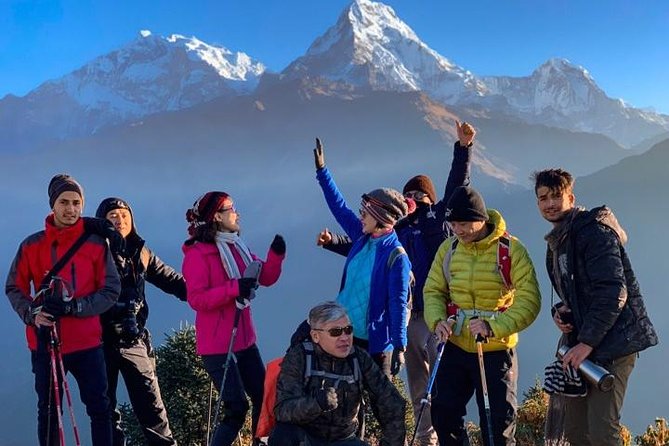
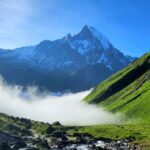
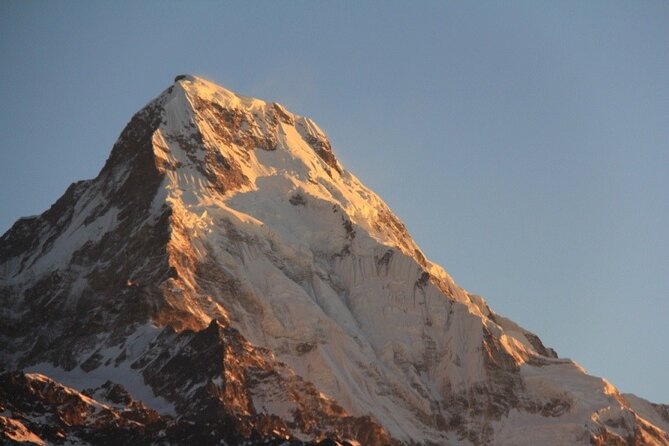
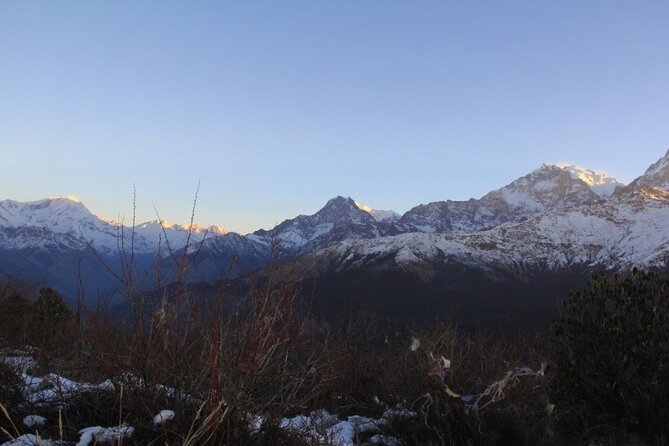
- Sunrise views from Poon Hill area with Annapurna, Dhaulagiri, Machhapuchhre in the morning sky
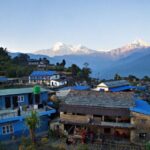
- Ulleri and Ghandruk village time for culture and local life in Magar communities
- Forest walking through oak and rhododendron for a more varied-feeling trail day
- Private transport up from Nayapul and back to Pokhara to save your energy
- Permits and logistics handled with TIMS and the Annapurna Conservation Permit included
- Guide/porter support with an English-speaking trekking guide and a porter for two tourists
Why this 4-day Poonhill trek is such a smart choice
The Ghorepani Poonhill trek is popular for a reason: you can experience a lot of the Annapurna region’s drama without committing to a week or two. You’ll be on foot long enough to feel like you’re actually trekking, but the total time stays manageable if your Nepal trip is tight.
What makes this version appealing is how it blends big views with human-scale moments. You’re not only walking for panoramas. You’re also passing through lived-in villages, meeting the rhythm of everyday life, and working your way through forested trails that change the mood from day to day.
Also, it’s designed for real-world travelers. You get meals and overnight accommodation included for the trek portion, plus the core paperwork like the TIMS and the Annapurna Conservation Permit. That matters because it reduces the hassle factor. Less logistics stress usually means you can actually enjoy the altitude and the cold morning air.
You can also read our reviews of more tours and experiences in Pokhara.
The start from Pokhara (and what to plan if you begin in Kathmandu)
Most people connect to Pokhara first, and then this trek runs from there using private transport to the trekking start point near Nayapul. That’s a big deal because the drive removes a headache. You’re not trying to figure out public transport routes while your legs are already thinking about the uphill.
The trek can be started from Pokhara or Kathmandu, but transportation from Kathmandu is not included. So if you’re flying into Kathmandu and want to roll straight into the mountains, you’ll need to handle that transfer separately. If you’re already in Pokhara, you’re set up for an easier first day.
Pickup is offered, and you’ll have a mobile ticket, which helps if you’re arriving in the middle of a busy travel day.
Day-by-day: what you’ll actually feel on the trail
Day 1: Ulleri village and Magar community culture
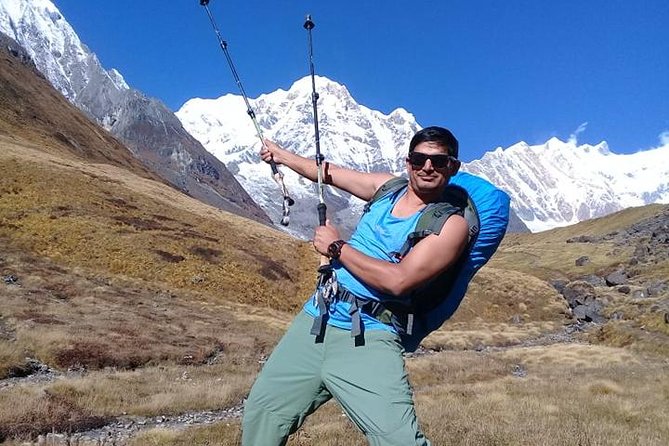
Your first major stop is Ulleri, known for its village feel and for being connected to the Magar community. This is where the trek stops being just a walk in the countryside and becomes a cultural experience.
Why this works: you start your trekking days with something human. Ulleri gives you a chance to look around, get used to the pace, and settle into the rhythm of mountain hospitality. It’s also a gentle way to transition from city logistics into trail thinking.
What to watch for: day one is still the beginning. Even when the walking is manageable, you’ll feel it more if you go out too fast. Keep a steady pace and treat this day as warm-up, not a race.
Day 2: Oak and rhododendron woods with grazing and cultivated views
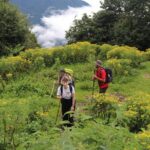
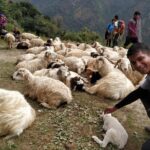
Day two is about variety. You’ll walk past grazing landscapes and cultivated areas, then move through oak and rhododendron woods.
This is the day where your mood often shifts. In the trees, the trail can feel cooler and more shaded. And the mix of open areas and forest gives you something to look at even when the mountains are hiding.
The practical part: rhododendron regions can be beautiful, but the temperature can swing. If it’s early or late in the day, layering is everything. Bring something that you can add or remove without turning it into a whole production.
Day 3: The sunrise moment and a classic village finish (Ghandruk)
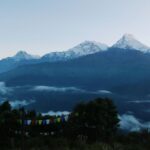
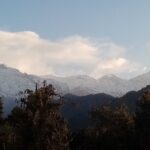
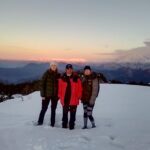
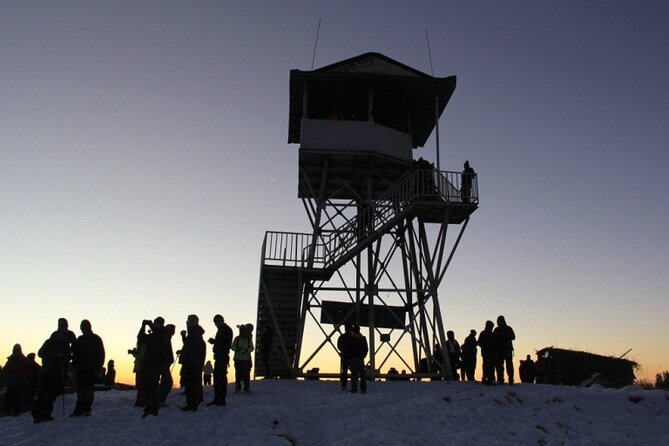
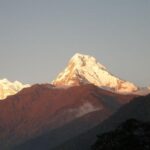
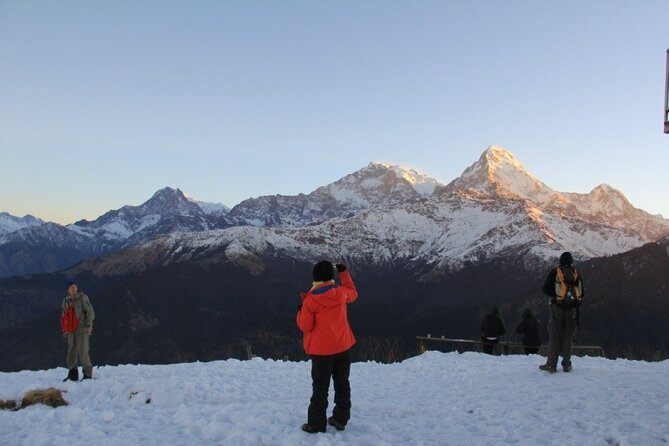
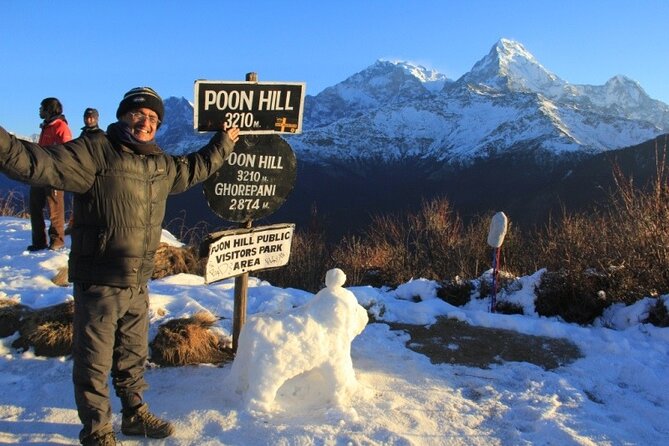
This day is built around the morning payoff. You’ll aim for a sunrise view with Annapurna and Dhaulagiri, plus Machhapuchhre. Then you trek toward and through Ghandruk, one of the region’s most well-known village stops.
This “sunrise + village” pairing is smart because it gives you two different kinds of reward: one is the sky spectacle, and the other is the slower, more grounded feeling of a mountain town.
How to set yourself up for success:
- Expect it to be cold early.
- Take the sunrise seriously but don’t stress if clouds roll in. The trek is still worth it even when the horizon is less dramatic.
- Save energy for the approach to Ghandruk. Sunrise mornings can drain you, so don’t overdo the pace after.
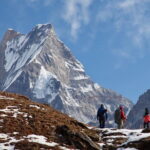
A small detail that matters: Machhapuchhre is one of the famous shapes people hope to spot, and that’s exactly the reason Poonhill-style treks stay on the must-do list.
Day 4: Trek down to Nayapul and return to Pokhara
On the final day, you’ll trek down to Nayapul and then drive back to Pokhara with scenic mountain views along the route.
Downhill days can feel easier than uphill, but they’re not automatically gentle. Your knees and shins take the hit. Go slow on the descents and aim for stable footing over speed.
Why day four is a relief: you end with transport rather than needing to arrange your own way back. That means you can treat the final day as recovery and celebrate the finish without extra stress.
Guides, safety, and why the team setup matters
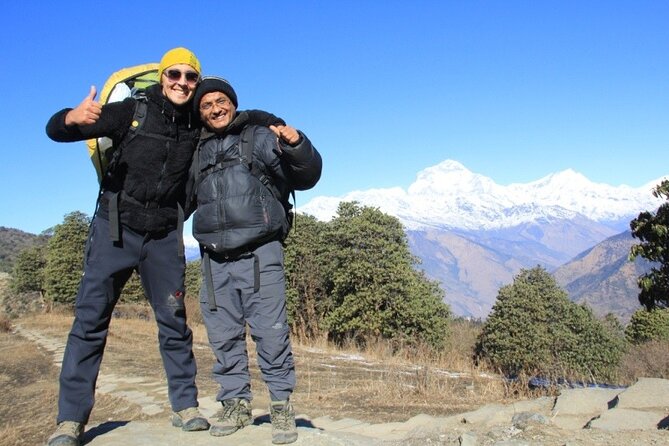
This trip runs as a private activity, meaning only your group participates. That’s a quieter experience and it often makes timing smoother—especially around the early morning sunrise plans.
What really stands out in the feedback is the consistency in service. People highlight coordinators like Kabi, and guides such as Jit and Shambu, as being attentive and safety-minded. There’s also a strong theme of support for different trekking levels, including first-timers.
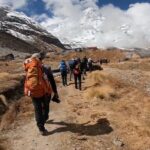
You also get a structured crew: one English-speaking guide plus a porter for two tourists. That porter piece can be the difference between enjoying the walk and spending the day thinking about your aching shoulders.
What the included meals and lodging mean in real life
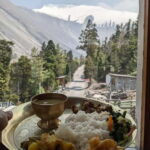
The package includes daily breakfast, lunch, and dinner during the trek portion—breakfast (3), lunch (4), dinner (3)—plus accommodation for the 3 nights.
Here’s the practical takeaway: meals and lodging being included usually means you’re less likely to waste time searching for food spots or negotiating prices mid-trek. It also helps you plan your energy day to day.
That said, you’ll likely still want extra spending money for personal comforts. Alcoholic and non-alcoholic drinks are not included, and neither are sweet snacks like chocolate and desserts. Wi-Fi, internet, and phone charging are also not included, so plan around battery life.
Price and value: is $450 fair for what you get?
At $450 per person for roughly 4 days, the main value comes from combining several “hidden hassle” items into one deal:
- Private transport to the trek start (Nayapul) and the return to Pokhara
- Accommodation and daily meals during the trekking portion
- A dedicated English-speaking guide and a porter for two tourists
- Required trekking paperwork: TIMS and the Annapurna Conservation Permit
What’s not included is equally important. You pay extra for your Kathmandu and Pokhara hotels, any Kathmandu↔Pokhara transport, personal trekking gear, travel insurance, tips, and drinks/snacks. Those add-ons are common, but they’re still real costs.
So is it good value? For most people who want a smooth, guided introduction to trekking, yes—especially because the trip handles the paperwork and the food schedule. If you’re the type who wants to go independent and already has all gear plus local transport figured out, you might find cheaper DIY options. But the convenience here is the product.
When this trek is the best fit
You’ll likely love this trek if:
- You have limited time in Nepal and still want big views
- You want a manageable 4-day trek with strong daily structure
- You’re a beginner or intermediate trekker who values guidance and support
- You want village culture (Ulleri and Ghandruk) mixed with forest walking
You might want to think twice if:
- You’re expecting luxury hotels and frequent connectivity. You’re in the mountains. Wi-Fi and charging are not part of the deal.
- You’re sensitive to cold mornings. Bring layers and plan for early wake-ups.
- You hate any chance element. Sunrise views can be affected by clouds, and you can’t control the sky.
Quick packing and comfort tips that matter most
Since the data doesn’t specify gear, I’ll keep this practical:
- Dress in layers for early morning cold.
- Bring trekking shoes you trust on uneven stone and dirt.
- Pack a light day bag so you’re not juggling items during the walk.
- Plan for no reliable charging and limited internet on the trail days.
- Budget for drinks and small treats, because those aren’t included.
Should you book this Ghorepani Poonhill trek from Pokhara?
I’d book it if you want a short trekking experience that still feels like Nepal. The combination of sunrise views, village stops, and wooded trail days hits the sweet spot for many people with limited time. Add the included permits, meals, and a real guide/porter team, and you get a setup that’s hard to beat for ease.
Skip it only if you want total independence or you’re counting on included connectivity and drinks. For most first-timers, though, this is a strong way to see the Annapurna region without turning your trip into a logistics project.
FAQ
Can I start this trek from Pokhara or Kathmandu?
Yes. The trek can start from Pokhara or Kathmandu. Just note that Kathmandu to Pokhara transport is not included in the package.
Where does the trekking start and end?
The trek starts at the Nayapul area by private transport and ends back in Pokhara with a drive from the trek end point.
What is included for meals and accommodation?
For the trek portion, the package includes daily breakfast, lunch, and dinner for the 3-night, 4-day trip, plus accommodation for those nights.
Do I get a guide and porter?
Yes. You’ll have one English-speaking trekking guide and one porter for every two tourists.
Are the conservation permits included?
Yes. The Annapurna Conservation Permit is included, along with TIMS (Trekkers’ Information Management System).
What is not included in the price?
Not included are Kathmandu and Pokhara accommodation, personal trekking equipment, travel insurance, tips, alcoholic/non-alcoholic drinks, sweet snacks like chocolate and dessert, and Wi-Fi/internet/phone calls/battery charging.
What cancellation window gives a full refund?
You can cancel up to 6 days in advance for a full refund. If you cancel 2–6 days before, you get a 50% refund. Less than 2 days before means no refund.