REVIEW · KATHMANDU
Gokyo-Ranjo Pass Trek On 16 Days (Cheapest Trip On Nepal)
Book on Viator →Operated by Dream Himalaya Adventures Pvt Ltd · Bookable on Viator
A high-mountain trek with real variety. What makes this one interesting is the mix of a Lukla mountain flight, classic Dudh Kosi valley walking, and then a quieter shift into the Gokyo area away from the main Everest crowds. I also love the way the route builds in altitude support with stops like Machhermo plus a full acclimatization day. One drawback to know up front: you’re still signing up for big altitude numbers and long walking days, and weather can affect Lukla flights.
The best part for me is how the itinerary gives you a chance to see famous places without feeling like you’re trapped in a single traffic jam. You’ll move through Sherpa hubs like Namche Bazar and Khumjung, then step aside toward Gokyo Lake and the high viewpoints of GokyoRi. On the logistics side, you get a private tour with private vehicle transfers and a Sherpa trek guide, so you’re not piecing things together yourself.
If you’re the type who hates early mornings, flag one detail now: the meeting time is 5:00 am at Tribhuvan Airport for the Kathmandu start. That said, the schedule also includes an emergency day in Kathmandu for the Lukla-to-Kathmandu flight, which is a practical safety net.
In This Review
- Key highlights worth your attention
- Why this Gokyo–Renjo La trek feels different from the usual Everest routes
- Kathmandu arrival: transfers, briefing, and a world-heritage morning
- Days 3–5: Lukla to Phakding to Namche to Khumjung
- Day 3: Fly to Lukla (2,840m), then trek to Phakding (2,610m)
- Day 4: Phakding to Namche Bazar (3,440m), about 5 hours
- Day 5: Namche to Khumjung (3,840m), about 3 hours
- Days 6–8: Dole, Machhermo, and the acclimatization day that does real work
- Day 6: Khumjung to Dole (4,200m), about 5–6 hours
- Day 7: Dole to Machhermo (4,470m), about 4 hours
- Day 8: Day hikes and rest day at about 4,470m
- Days 9–10: Gokyo (4,790m) and GokyoRi (5,483m)
- Day 9: Trek to Gokyo (4,790m), about 4 hours
- Day 10: Day trip to GokyoRi (5,483m)
- Days 11–13: Renjo (Ranjo) La Pass, Lungden, and the return loop
- Day 11: Cross Renjo (Ranjo) La (about 5,340m) and trek to Lungden (4,400m), about 6 hours
- Day 12: Lungden to Namche (3,440m), about 5 hours
- Day 13: Namche to Lukla (2,840m), about 6 hours
- Days 14–16: Flight back, celebration meal, and an emergency buffer day
- Day 14: Fly to Kathmandu and evening celebration meal
- Day 15: Free day as an emergency day for Lukla flights
- Day 16: Transfer to the airport for onward flight (or optional extension)
- Price check: what $2,100 covers and where your money goes
- What to pack and what to expect from the support team
- Who this trek suits (and who should think twice)
- Should you book this Gokyo–Renjo La trek?
- FAQ
- Where do I meet the tour, and what time?
- How long is the trek?
- What’s included in the price?
- What are not included?
- Is this a private tour?
- Is there any flexibility if the Lukla flight is delayed?
Key highlights worth your attention
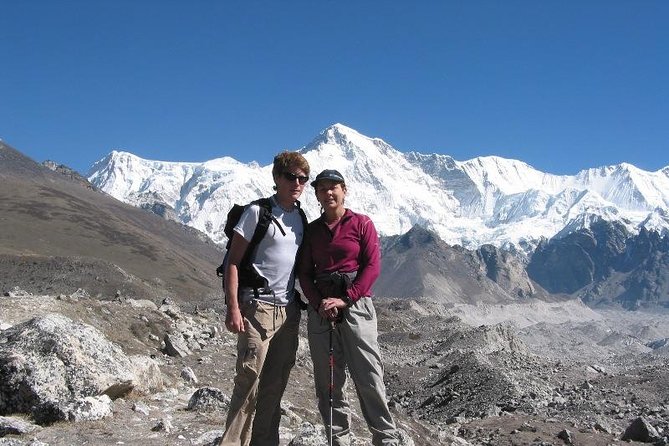
- Lukla flight + Dudh Kosi walking right away for that classic Khumbu rhythm without wasting days.
- Off-main route detour to Khumjung and Everest view areas before dropping into the Gokyo valley approach.
- Machhermo (4,470m) with a dedicated acclimatization and rest day to help your body keep up.
- Gokyo Lake and GokyoRi (5,483m) day trip for big glacier-and-peak views.
- Renjo (Ranjo) La Pass at about 5,340m for a high panoramic viewpoint moment.
- Trekking support that’s actually helpful: duffle bags, porter support, treated water, hot drinks, and rental down jacket/sleeping bag.
Why this Gokyo–Renjo La trek feels different from the usual Everest routes
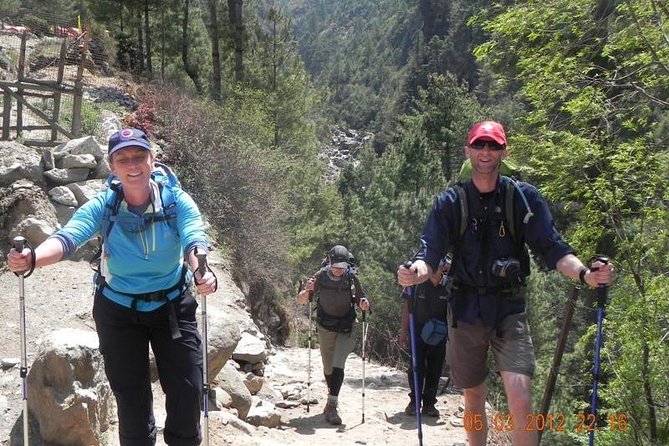
This trek sits in the Everest region, but it doesn’t try to be a straight-line greatest-hits tour. After landing in Lukla, you’ll follow the Dudh Kosi river corridor, then later you’ll leave the main Everest trail and angle toward the Gokyo valley—a shift that usually means fewer people in your daily rhythm.
That matters because trekking isn’t just about mountains. It’s about time on your feet, quiet enough to enjoy views, and not feeling like you’re always dodging a crowd on narrow sections. The itinerary is built to give you that change in scenery: Sherpa villages first, then higher glacial terrain around Gokyo.
I also like that the plan includes both a lake day and a high viewpoint push. GokyoRi is one of those days where the payoff is worth the early start, and the pass day later adds another layer of panoramic drama.
You can also read our reviews of more tours and experiences in Kathmandu.



Kathmandu arrival: transfers, briefing, and a world-heritage morning
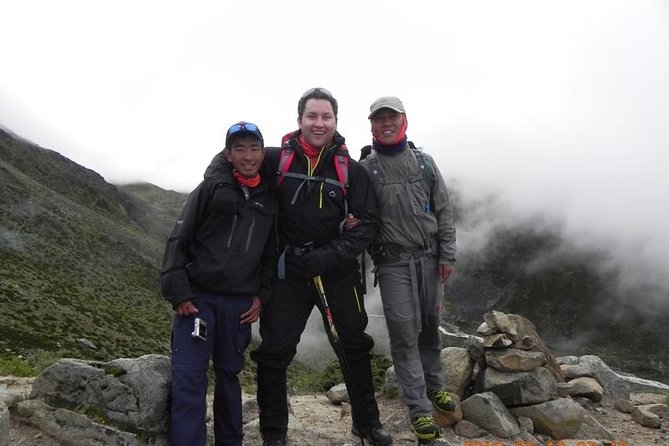
You’ll start in Kathmandu with a pickup/transfer to your hotel and a briefing. Then you’ll have a tour day with world heritage sites in Kathmandu using a guide and private transport—plus time for preparation and packing.
Two practical notes I’d keep in mind:
- You’re using 3-star hotel rooms on a twin-sharing BB basis for several nights. That gives you a decent chance to shower, rest, and reset your packing before you go uphill for real.
- Your trek includes a lot of moving parts, but the big things—permits, fees, and trekking setup—are handled for you. That reduces the last-minute stress when you arrive jet-lagged and caffeinated.
The meeting point is Tribhuvan Airport at 5:00 am. Plan on being awake early enough that you’re not bargaining with yourself at dawn.
Days 3–5: Lukla to Phakding to Namche to Khumjung
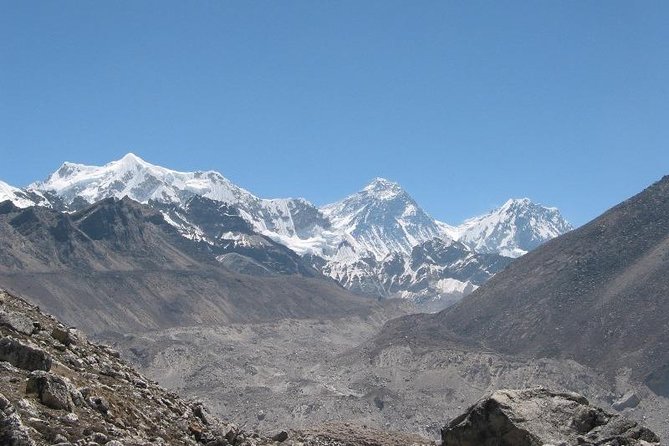
Day 3: Fly to Lukla (2,840m), then trek to Phakding (2,610m)
The day begins with the short mountain flight into Lukla, then you walk to Phakding in about 3 hours. This is usually the day where your legs and your breath both figure out the new altitude reality.
What I like about the structure here is that it’s not an all-day grind right after the flight. You get movement, but you’re not forced into an immediate max-effort day.
Day 4: Phakding to Namche Bazar (3,440m), about 5 hours
Namche Bazar is a Sherpa headquarters and a key hub for the Everest region. The trek up is longer, and you’ll feel it. Still, this is a smart anchor point in the schedule because Namche is where you can understand how high country life works—food, guesthouses, and the overall pace.
A small consideration: Namche days tend to involve some busier streets than the trails you’ll walk later. If crowds bother you, remember you’re there for a purpose before you step into quieter terrain.




Day 5: Namche to Khumjung (3,840m), about 3 hours
Then you head for Khumjung, another Sherpa village, with a planned path that ties into Everest view areas before reaching Khumjung for the night. This is a great contrast day: you’re still moving uphill, but you’re also seeing a more local side of the region.
Why I like this: it breaks up the trek so it’s not only river valley walking. You also get a village night in a community that feels like it belongs to the mountains, not the tourism machine.
Days 6–8: Dole, Machhermo, and the acclimatization day that does real work
Day 6: Khumjung to Dole (4,200m), about 5–6 hours
You’ll move to Dole, and this is where the trek starts leaning more toward the Gokyo valley approach. Expect a steady uphill feel. The big win is that you’re entering a less crowded region compared with the main Everest trail areas.
Practical tip: treat Dole as a pacing checkpoint. You’ll likely feel more tired as the altitude climbs, so keeping a steady, not-fast pace is your best friend.
Day 7: Dole to Machhermo (4,470m), about 4 hours
Machhermo is a key altitude stop. The itinerary frames it as time for hiking and acclimatization to the hills. That’s exactly what you want here: moving enough to help your body adjust, but not trying to turn the day into a summit.
Also, the tour includes a rental down jacket and trekking sleeping bag. Those rental items matter more at higher camps than people think. When you’re dealing with cold nights, having the right gear covered removes a huge headache.
Day 8: Day hikes and rest day at about 4,470m
This is one of the most valuable days on the whole plan. A rest/acclimatization day gives you time to catch your rhythm and handle altitude fatigue before the Gokyo push.
If you’ve ever rushed a trek and then paid for it later with slower walking or crankier sleep, you’ll appreciate this kind of buffer day.
Days 9–10: Gokyo (4,790m) and GokyoRi (5,483m)
Day 9: Trek to Gokyo (4,790m), about 4 hours
Now you enter the Gokyo valley area and reach Gokyo. This is the point where the scenery starts feeling more open and high-altitude serious.
What I’d watch for: hydration and breathing. The trek includes treated drinking water and hot drinks, which helps you stay consistent instead of rationing or scrambling for supplies.
Day 10: Day trip to GokyoRi (5,483m)
GokyoRi is a classic high viewpoint move on this route. You’ll go up for the views, then come back down to Gokyo. This kind of day trip is a good trade: you get big payoff without having to change your entire sleep location.
From a value perspective, I like that this day is included rather than optional. It’s the kind of experience that can be hard to justify if you’re doing a DIY trek without a guide planning the timing.
Days 11–13: Renjo (Ranjo) La Pass, Lungden, and the return loop
Day 11: Cross Renjo (Ranjo) La (about 5,340m) and trek to Lungden (4,400m), about 6 hours
This is the signature high pass day. You’ll cross at around 5,340m, then walk down to Lungden.
Here’s the reality check: pass days aren’t only about legs. They’re also about footing and decision-making in wind and cold. Your guide and the team planning matter. The tour includes a trek first aid kit and uses a Sherpa trek guide, plus porter support, which helps keep the group functioning when conditions get serious.
Day 12: Lungden to Namche (3,440m), about 5 hours
You head back to Namche. The drop in altitude can feel like a relief. Still, the descent can be tough on knees and ankles, especially after pass day.
A smart approach is to keep your steps small and controlled rather than trying to speed downhill.
Day 13: Namche to Lukla (2,840m), about 6 hours
Back to Lukla for the flight out. This is the home-stretch walking day, but it’s not always easy because your body is still processing altitude recovery.
If you’re carrying extra items, this is the moment to trust the plan: the trek includes porters and a trek duffle bag to each member, so your load should be manageable.
Days 14–16: Flight back, celebration meal, and an emergency buffer day
Day 14: Fly to Kathmandu and evening celebration meal
You’ll fly back to Kathmandu and finish with an evening celebration meal. This is a nice human touch after days of strict routine.
Day 15: Free day as an emergency day for Lukla flights
Lukla weather can be unpredictable. The itinerary builds in a free day specifically as an emergency buffer for getting back to Kathmandu. That’s a big deal for travelers who want less stress at the end of the trek.
Day 16: Transfer to the airport for onward flight (or optional extension)
Your trek wraps up with the airport transfer. It’s clean and practical.
Price check: what $2,100 covers and where your money goes
At $2,100 per person for 16 days, this trek is not trying to be the absolute cheapest option on earth. The value comes from what’s included versus what you’d otherwise have to organize yourself.
What you’re paying for (and why it matters):
- Permits + conservation/national park fees + government taxes are included. That saves time and avoids permit mistakes.
- All meals on the trek (breakfast, lunch, dinner) plus hot drinks and treated drinking water. This is daily fuel and hydration, not a small detail.
- Accommodation in Kathmandu: 3-star hotel rooms on twin-sharing BB basis for the included nights.
- Private transfers by vehicle to and from the airport.
- Trekking team support: an Experience Sherpa Trek Guide, porter support, and insurance for local team members.
- Gear support on rental basis: sleeping bag and down jacket.
- A trek duffle bag for each member and a first aid kit.
Where costs can still pop up:
- Bottle water, boiled water, soft drinks, and beers are listed as not included.
- Tips to local staff and Kathmandu meals are not included.
- Personal gear and medical/personal high-risk insurance aren’t included.
My honest take: if you don’t want to manage the admin and worry about permits, guides, and trekking logistics, this price starts to make more sense. If you’re a very independent planner who enjoys hunting down permits and negotiating everything yourself, you might compare alternatives.
What to pack and what to expect from the support team
The tour is built so you don’t have to overpack or overthink gear. You’ll get a rental down jacket and a rental trekking sleeping bag, which can save luggage weight and cost.
Still, you should plan on personal trekking items (not included) and the basics that keep you comfortable at altitude. Also, keep your expectations realistic: even with a slower pace built into acclimatization days, you’ll still be walking multiple hours on many days and crossing high points.
One more practical detail: the tour is private, meaning only your group will participate. That generally helps with pacing and coordination. You’re not sharing your guide time with random strangers.
Who this trek suits (and who should think twice)
This trek suits you if:
- You want a classic Khumbu route with a clear plan and a guide.
- You like the idea of seeing Sherpa villages (Namche, Khumjung) plus the Gokyo area.
- You want some built-in altitude support days, especially around Machhermo.
- You want the pass day experience at about 5,340m with guide support.
You should think twice if:
- You’re struggling with strong physical fitness right now. The trek includes days around 4–6 hours of walking, and altitude is part of the equation.
- You’re extremely sensitive to early starts and flight variability. The early airport meeting time is fixed, and while an emergency day is included later, weather can’t be controlled.
Should you book this Gokyo–Renjo La trek?
I’d book it if your priority is an organized route with the big logistics handled: permits, trekking support, meals, and gear rentals, plus the high-value itinerary pieces like GokyoRi and the Renjo (Ranjo) La pass day.
I’d hesitate if you want the absolute lowest possible cost or if you’re not ready for altitude-heavy trekking.
One practical plus: there’s free cancellation up to 24 hours in advance of the experience start time, so you can book without feeling trapped, as long as you keep an eye on timing.
If you want, tell me your fitness level and when you’re planning to go (month helps). I can help you sanity-check whether the 16-day pacing and altitude profile feel like a good match for you.
FAQ
Where do I meet the tour, and what time?
You meet at Tribhuvan Airport, Kathmandu at 5:00 am.
How long is the trek?
The itinerary is for about 16 days.
What’s included in the price?
Includes 3-star hotel accommodation on a twin-sharing BB basis for the listed nights, a farewell celebration dinner, all airport/hotel transfers by private vehicle, all meals on the trek, trekking permits, conservation/national park fees and government taxes, a Sherpa trek guide, porter support, hot drinks and treated drinking water, trek duffle bag, first aid kit, and rental trekking sleeping bag and down jacket (on rental basis).
What are not included?
Not included are bottle water/boiled water, soft drinks and beers, international departure taxes, medical/personal high-risk insurance, personal trek gear, major meals in Kathmandu, tips to local staff, and personal expenses like phone calls and laundry.
Is this a private tour?
Yes. It’s a private tour/activity, meaning only your group participates.
Is there any flexibility if the Lukla flight is delayed?
Yes. The schedule includes a free day (Day 15) that acts as an emergency day for the Lukla to Kathmandu flight.