REVIEW · KATHMANDU
10 Days Annapurna Circuit Trek
Book on Viator →Operated by Himalayan Trekking · Bookable on Viator
Thorong La is the day you remember. This 10-day Annapurna Circuit trek strings together big mountain views, culture in Manang and Mustang, and a well-run support team from Himalayan Trekking. You’ll spend your walking days chasing views of peaks like Annapurna II and III, then push up to Thorong La (5416m) before dropping into the Kali Gandaki valley.
I like how the trek balances spectacle with practical pacing. Two standouts for me: the way you get repeated panorama moments (not just one photo day), and the guide-and-porter setup that keeps the focus on walking and enjoying the scenery instead of hauling everything yourself.
One consideration: altitude can still slow you down. Even with a solid schedule and a team that’s ready to react early (names like Babo/Babu show up in past guidance stories), you need to take it seriously and move at a safe pace.
In This Review
- Quick hits
- Where This Trek Fits: Kathmandu to the Annapurna Massif
- Day 1: Manakamana Temple, Then the Drive to Besisahar
- Day 2: From Tyanja and Kopar to Chame With Annapurna II Glimpses
- Day 3: Narrow Valley, Long Bridges, and the Paungda Danda Wall
- Day 4: Pine Forests and Big Peak Views Into Manang
- Day 5: Manang Village Life and Gangapurna Lake
- Day 6: Leaving Manang Behind, Climbing Toward Marshyangdi Valley
- Day 7: Jorsang Khola East Bank to Thorung Phedi
- Day 8: Thorung La (5416m) and the Short Muktinath Stop
- Day 9: Kali Gandaki Descent Through Arid Valley Villages Toward Jomsom
- Day 10: Jomsom to Pokhara Flight, Then Fewa Lake Time
- Price and Logistics: What You’re Really Paying For
- Who This Trek Suits (and Who Should Think Twice)
- What to Expect From the Team: Guides, Porters, and Comfort
- Should You Book This Annapurna Circuit Trek?
- FAQ
- What is the price for this 10-day Annapurna Circuit Trek?
- How long is the trek?
- Where does the trek start and what time?
- Is a domestic flight included?
- What’s included in the package?
- What isn’t included?
- What fitness level do I need?
- Is free cancellation available?
Quick hits
- Small group size (max 15): you get a more human pace and easier communication on the trail.
- Guide + porter support (1 porter for 2 people): lighter packs for your most demanding days.
- Temple and lake stops built in: Manakamana Temple, plus Gangapurna Lake exploration.
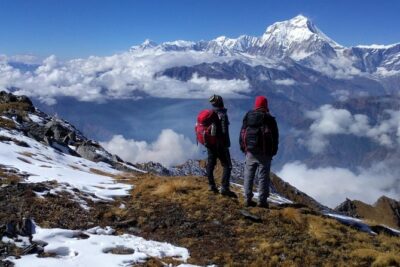
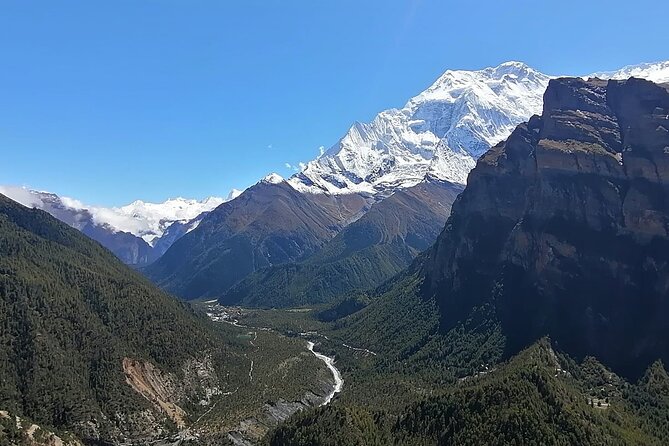
- Thorong La day is the headline: the route follows rocky ridges, and you can see the Dhaulagiri range.
- Sacred stop after the pass: a short visit to Muktinath Temple in Mustang.
- Fast exit to Pokhara: the domestic flight from Jomsom to Pokhara saves you a lot of extra time walking.
Where This Trek Fits: Kathmandu to the Annapurna Massif
You start in Kathmandu, then your trek life begins fast. You’ll be picked up around 7:15am at Himalayan Trekking and Tours in central Kathmandu, and you’re not stuck waiting around with a crowd. From there, the plan is a long drive to Besisahar (about 185 km and roughly 7 hours), which matters because it gets you onto the mountain rhythm the same day.
Why this is a good setup: an Annapurna Circuit trek isn’t just a hike. It’s travel plus altitude plus long days. The early transport means fewer lost hours later, and your guide and porters can help you fine-tune how you’re going to carry your daypack before the climbing starts.
The Manakamana Temple stop on day 1 adds a cultural reset before you get fully into trekking mode. If you like mixing spiritual stops with hard scenery, this one helps break the monotony of straight uphill.
You can also read our reviews of more tours and experiences in Kathmandu.
Day 1: Manakamana Temple, Then the Drive to Besisahar
Day 1 has a smooth, staged start. You’ll be collected from your hotel at about 7am (the start time is listed as 7:15am for the activity), then you head out for the long drive from Kathmandu to Besisahar. Along the way, the ride acts like a warm-up: enough time to settle, enough structure to feel organized, and not so much time that you arrive fried.
You’ll also visit Manakamana Temple. In the plan, the temple visit is marked with admission ticket free, which is a small thing, but it adds up when you’re tracking costs in Nepal.
What to keep in mind: this is a travel-heavy day. If you’re the kind of person who needs time to mentally switch gears, plan to keep your evening light. You want to be fresh when the trek days start getting steeper.
Day 2: From Tyanja and Kopar to Chame With Annapurna II Glimpses
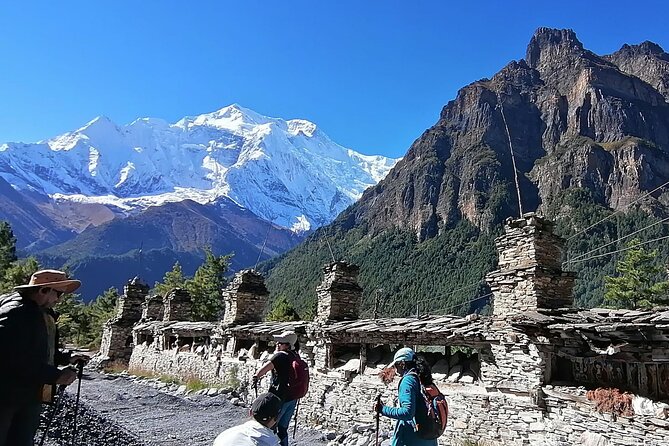
This is where the trek starts feeling like a real mountain journey. The trail climbs to Tyanja (2360m), continues toward Kopar (2590m), and then you reach Chame, the headquarters of the Manang district.
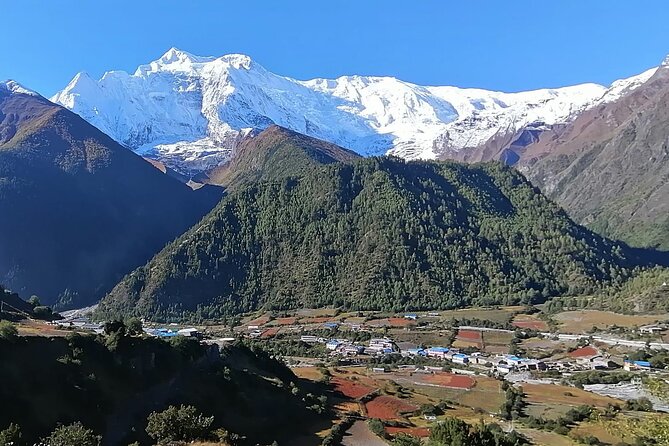
The value of this day is not just distance. It’s the gradual shift from wooded trail to wide open views. Near the river, you get a changing rhythm: climb, cross, breathe. Then, when you arrive, you’re rewarded with views of Annapurna II—the kind of sight that makes you stand still even if your legs are already tired.
One practical note: early on, you’ll likely feel the thin air. Don’t treat the first day’s climb like a fitness test. You’re saving your energy for Thorong La later.
Day 3: Narrow Valley, Long Bridges, and the Paungda Danda Wall
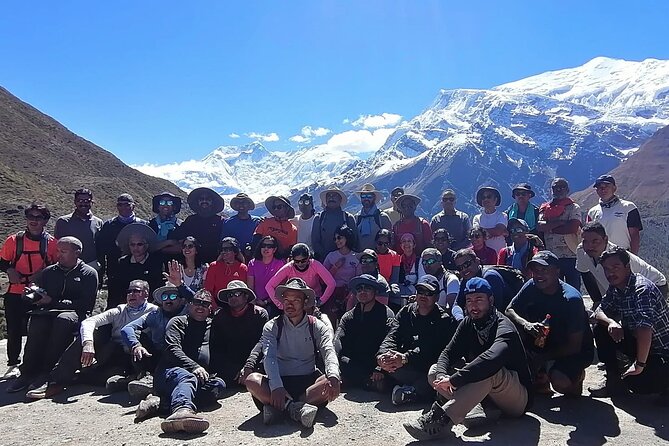
Day 3 keeps pressing your focus on terrain. You go through deep forest and a steep, narrow valley, then cross a river on a long bridge at 2910m, and later another bridge at 3040m. After that, the view of Paungda Danda’s rock face really begins to show.
Why I think this day works: bridges in trekking aren’t just crossings. They break up the climb mentally. You get a chance to reset your breathing, check your footing, and take in the way the valley narrows and opens.
Also, this day builds confidence for the tougher days. You learn how the trail behaves—steep, tight, and sometimes technical underfoot.
Day 4: Pine Forests and Big Peak Views Into Manang
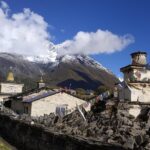
Today’s a vision day. You walk past pine forests, and as the trail gets close to Manang, the mountains start appearing in a lineup.
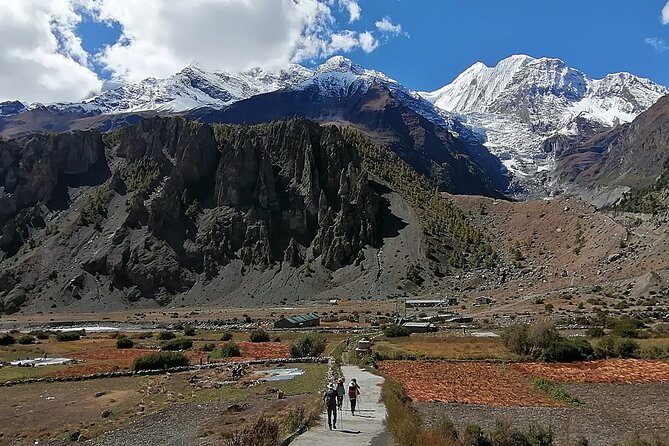
The plan specifically calls out close-up views of Gangapurna, Annapurna II and III, Tilicho, Chulu East, and Pisang Peak. That’s a lot of peak names for one day, but that’s also the point: you’re walking in a zone where the ridgelines are packed.
One drawback here (not a dealbreaker): it can tempt you into moving too fast. When you can see everything at once, it’s easy to chase the view rather than the pace. Your best tool on the Circuit is restraint. Let the guide set the rhythm, and take photos when it feels safe, not when you’re sprinting to the next viewpoint.
Day 5: Manang Village Life and Gangapurna Lake
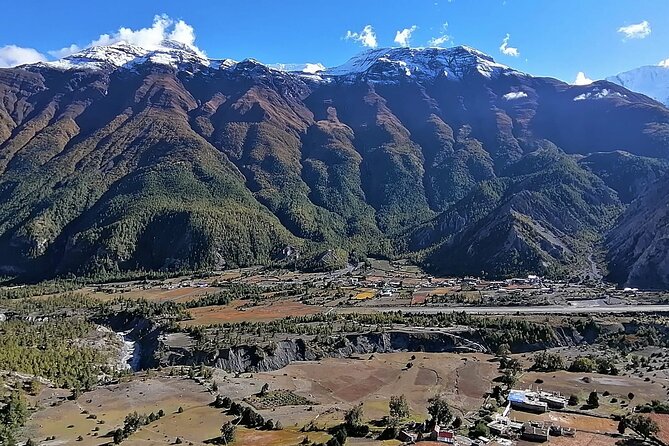
Day 5 adds the human side of the Annapurna Circuit. You explore Manang village and interact with locals, then head to Gangapurna Lake.
This is the day where you’re not only earning scenery—you’re getting context for it. The trek passes through mountain communities that have built life around the seasons, the trade routes, and the weather. Even if you don’t know Nepali culture in advance, being there gives the trek more meaning than just altitude and photos.
Gangapurna Lake is listed with admission ticket free, which helps keep this day’s cost under control. Expect a day that’s more about gradual engagement than raw climbing.
Day 6: Leaving Manang Behind, Climbing Toward Marshyangdi Valley
By day 6, the trek turns more demanding. You leave the village of Manang and start climbing toward the Marshyangdi valley. The plan notes strenuous ascends, then you reach Gunsang village and continue to Yak-Kharka.
Why this day matters for your success: it’s the bridge between acclimatization and the real push toward Thorong La. You’re not at the pass yet, but you’re building the leg strength and stamina that let you handle Day 7 and Day 8 without falling apart.
Also, arriving before sunset (as noted in the schedule) is more important than it sounds. Trekking in the mountains gets harder when light drops. You’ll be thankful the plan aims to keep you off the trail too late.
Day 7: Jorsang Khola East Bank to Thorung Phedi
Day 7 is a prepare-for-the-pass day. You walk along the east bank of the Jorsang Khola, then hike toward Thorung Phedi.
The plan warns that the route can be tough: narrow paths and unstable slopes show up here. Translation: focus on your feet, not just your willpower. If you rush, you’ll pay for it later.
This is also where the guide-and-porter support matters most. Even if your legs feel okay, trekking safety is about balance and footing. A lighter pack helps you keep that steadiness.
Overnight at Thorung Phedi sets you up for the most anticipated day.
Day 8: Thorung La (5416m) and the Short Muktinath Stop
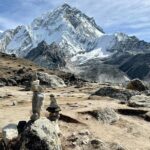
This is the day you’ve been building toward. You gear up for the hike toward Thorung La (5416m), described as the highest point of the trek. The route follows rocky ridges, and from the elevated venue you can spot the whole Dhaulagiri range.
Here’s the practical truth: you don’t need to be fearless to handle Thorong La. You need to be consistent. Go slow, breathe, keep your head down when the trail gets steep, and let the altitude do its job—slowly pushing you into a new rhythm.
After the pass, you also make a stop at Muktinath Temple. It’s marked with admission ticket not included and is described as a holy, powerful temple in the Mustang region. The time listed is short, so treat it as a moment to pause and absorb what you’ve just climbed, not as a long cultural tour.
Day 9: Kali Gandaki Descent Through Arid Valley Villages Toward Jomsom
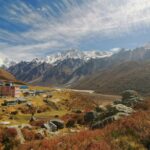
Day 9 switches gears: you’re descending into the Kali Gandaki valley. The plan mentions the valley as dramatic, with arid landscapes, and it’s a big mental shift from the pass day.
You pass through areas like Jharkot and Khingar, described as typical Tibetan villages, and you follow the valley floor for most of the way until reaching Jomsom.
Why this day is valuable: it’s the payoff phase where you can finally exhale. But don’t underestimate the legs. Descent can be brutal on knees and ankles, even when the air feels easier.
A smart move is to keep your steps controlled and not chase speed just because you’re going downhill.
Day 10: Jomsom to Pokhara Flight, Then Fewa Lake Time
Your final day is refreshingly efficient. After breakfast, you catch the morning flight to Pokhara (the trek includes the domestic flight Jomsom to Pokhara).
The flight is described as spectacular, with views over the Kali Gandaki Gorge and mountain ranges like Dhaulagiri and Annapurna. If you like seeing where you’ve been, this is a strong closer. You get a bird’s-eye perspective that your legs don’t provide.
Then you have free time around Pokhara City, including the option to go boating at Fewa Lake. This is a nice way to end a physically intense trek: you can decompress without feeling like you must plan every hour.
Price and Logistics: What You’re Really Paying For
The trek price is $1,430 per person for about 10 days. On paper, that’s not cheap. The way I judge value on treks is simple: does the package remove friction in the places that matter?
Here’s what’s included:
- Guide and porters (with a stated ratio of 1 porter for 2 people)
- Private transportation
- Domestic flight from Jomsom to Pokhara
- Sleeping bag
- Meals: breakfast (11), lunch (10), dinner (10)
- Coffee and/or tea
- All fees and taxes
And what’s not:
- Bottled water
- Alcoholic beverages
- Air-conditioned vehicle
So yes, you’re paying for walking. But you’re also paying for the structure that makes the trek feel manageable: the support crew, the logistics, and the flight that saves you from an extra day or two of travel.
One more plus I think is easy to miss: the group size cap is 15 travelers. Smaller groups often mean less waiting, less crowding on key segments, and more personal attention when altitude starts to pinch.
Who This Trek Suits (and Who Should Think Twice)
This trek is designed for people with moderate physical fitness. That doesn’t mean it’s easy. It means you can handle multi-day trekking with climbs, steep sections, and altitude effects if you pace well.
You’ll likely enjoy this most if you:
- Want a classic Annapurna Circuit feel with Manang and Mustang highlights
- Care about views as much as you care about the schedule
- Like traveling with a guide team and not doing everything solo
You might think twice if:
- You’re very altitude-sensitive and need a fully flexible itinerary (even with support, Thorong La is still a high pass)
- You want lots of downtime during travel days
What to Expect From the Team: Guides, Porters, and Comfort
The standout from past experiences is how the team shows up in real moments. Names like Babo/Babu and Resham come up as guides in accounts of the trek, and a porter named Rojit is praised for friendliness and helpfulness.
One theme matters a lot on the Circuit: when altitude trouble appears, the team responds early. I like that approach because it’s not about toughing it out blindly. It’s about adjusting fast when your body sends a signal.
Also, accommodation and food are described as strong points. That matters because on trekking days you need calories and warmth more than you need fancy extras. With breakfast, lunch, and dinner included, you’re not trying to hunt for meals on your own.
Should You Book This Annapurna Circuit Trek?
I’d say book it if you want a classic Annapurna Circuit experience with clear structure, real support, and a finish that doesn’t drag on. The included sleeping bag, meals, guide/porter ratio, and especially the flight from Jomsom to Pokhara make this easier than trying to stitch together the same trip yourself.
I’d hesitate if you’re not comfortable with altitude challenges or you need a fully flexible plan to react to your body day-to-day. Thorong La is the big event here, and the trek schedule is built around reaching it.
If you’re the kind of traveler who likes big scenery, small-group organization, and a route that mixes nature with meaningful stops like Manakamana and Muktinath, this one fits well.
FAQ
What is the price for this 10-day Annapurna Circuit Trek?
It costs $1,430.00 per person.
How long is the trek?
The duration is listed as approximately 10 days.
Where does the trek start and what time?
The start point is Himalayan Trekking and Tours in Kathmandu, Nepal, and the start time is 7:15am.
Is a domestic flight included?
Yes. The trek includes a domestic flight from Jomsom to Pokhara.
What’s included in the package?
Coffee and/or tea, a sleeping bag, private transportation, all fees and taxes, a guide and porters (1 porter for 2 people), the domestic flight (Jomsom to Pokhara), and meals: breakfast (11), lunch (10), and dinner (10).
What isn’t included?
Bottled water, alcoholic beverages, and air-conditioned vehicle.
What fitness level do I need?
The tour notes that travelers should have a moderate physical fitness level.
Is free cancellation available?
Yes, you can cancel up to 24 hours in advance for a full refund.