REVIEW · KATHMANDU
Manaslu Circuit Larkya Pass Trekking 13 days From Kathmandu
Book on Viator →Operated by Three Jewels Adventures · Bookable on Viator
One pass, two worlds, and big mountain views. This 13-day Manaslu Circuit Trek feels special because the Manaslu region is a restricted area, so you get that quieter trail vibe compared with nearby routes. I love how the plan balances long trekking days with built-in recovery time, and I really like the hands-on guidance from the team behind the scenes, including people like Amber and guides such as Nursang Sherpa. One consideration: you are looking at demanding 8 to 9 hour days at altitude, so moderate fitness is not optional.
You also get a proper start and finish flow: collect the documents needed for the restricted-area permit, ride by jeep to the trailhead, then end with a jeep back toward Kathmandu via Besisahar. With a maximum group size of 15, it feels more personal than the big-coach trekking scene.
In This Review
- Key Highlights You’ll Feel on the Trail
- Manaslu Circuit, Larkya La, and the Quiet Advantage of Restricted Access
- Kathmandu Start: Getting Permits Sorted Without Stress
- Khorla Besi by Jeep: The 7 to 8 Hour Ride That Saves Your Legs
- First Manaslu Days: Restricted-Region Trekking With a Real Guide Team
- Namrung and Old Villages: Culture Without Detours
- Samagaun: The Acclimatization Sweet Spot
- Samdo and Virendra Lake: Half-Day Trek, Then a Breather
- Larkya La Pass: The Big Crossing Day (With Wildlife Odds)
- From Larke to Bimthang and Into the Annapurna Trail
- Final Day Return: Jeep Back via Besisahar to Kathmandu
- Price and Value: What $1,560 Really Buys
- Fitness Fit: Who Should Choose This Trek
- Should You Book Manaslu Circuit Larkya Pass With Three Jewels Adventures?
- FAQ
- How long is the Manaslu Circuit Larkya Pass trek?
- What is the meeting point and where does it start?
- Does the trek include pickup?
- Is the Manaslu Restricted Area Permit handled as part of the trip?
- What’s the maximum group size?
- What meals are included?
- What are the major trekking days like?
- What is not included in the price?
Key Highlights You’ll Feel on the Trail
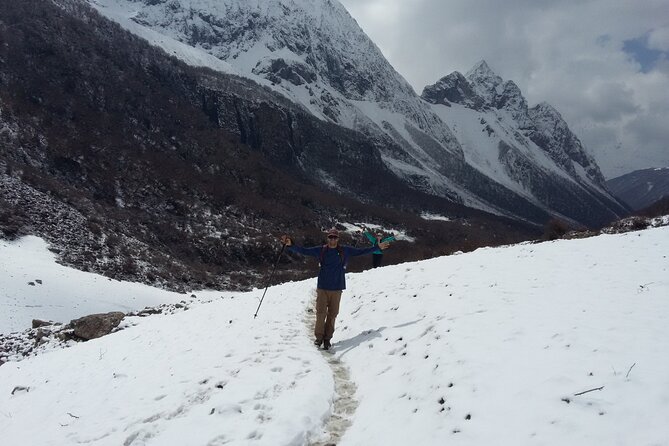
- Restricted-area trekking in the Manaslu region helps keep the route calmer
- Jeep transfers cut down the most painful road time
- Larkya La Pass timing includes an early-morning crossing day
- Strategic acclimatization stops at Samagaun and easier half-day segments later
- Small group size (max 15) with local guide teams like Nursang Sherpa and support staff such as Pemba
Manaslu Circuit, Larkya La, and the Quiet Advantage of Restricted Access
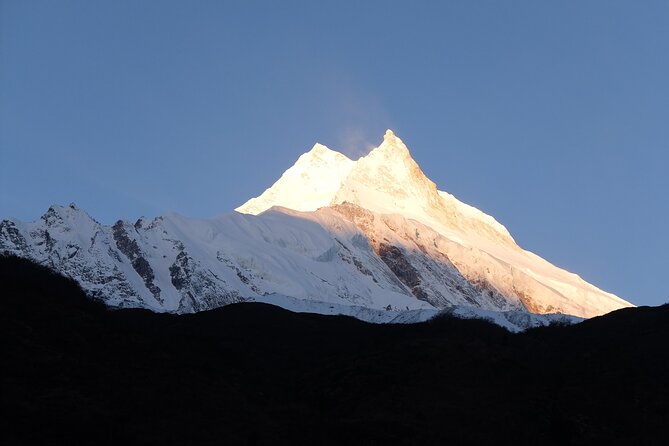
Manaslu sits in that rare zone where travel feels more “real hike” than “tourist conveyor belt.” Because it’s a controlled foreign-access area, you’ll likely spend more time noticing villages, prayer flags, and mountain weather changes instead of dodging crowds.
This tour is built around that advantage. It keeps you in the Manaslu region during the key trek days, then transitions to connect with the Annapurna Circuit route at the end. Translation: you get a full Manaslu experience without feeling like you’re only collecting a few photos and moving on.
The route also sets you up for one of the big moments of the trek: crossing Larkya La. Expect a tougher day with the payoff of high passes and big views, plus some wildlife spotting opportunities like marmots and blue sheep if conditions cooperate.
You can also read our reviews of more tours and experiences in Kathmandu.
Kathmandu Start: Getting Permits Sorted Without Stress
The experience starts in Kathmandu with a meet-up at the airport or your meeting point. You’ll collect the necessary documents for the Manaslu Restricted Area Permit, which is one of those small details that can wreck a trip if you handle it poorly. Having this handled as part of the program means you can focus on packing, hydration, and getting sleep.
You’re also given a simple logistics backbone: pickup is offered, and you receive a mobile ticket. That matters more than it sounds when you’re operating on tight timing in a city where everything can be a bit chaotic.
The start time is listed as 12:15 am, so plan around an early wake-up and a calm arrival. If you’re someone who hates rushing, this is the first moment to be organized.
Khorla Besi by Jeep: The 7 to 8 Hour Ride That Saves Your Legs
Most of the road isn’t paved, so you take a jeep to the trekking start point Khorla Besi. Day 2 is a long ride—about 7 to 8 hours—and it sets your body up for a trekking week by getting you out of Kathmandu’s noise fast.
Here’s why that transfer matters: it gets you onto the trail without wasting precious trekking days on uncomfortable travel. If you’ve ever tried to brute-force rough road time, you know it can turn day one into a recovery day. This plan tries to avoid that.
Tip for your mindset: treat this as a travel day, not a sightseeing day. Hydrate, eat what you can, and settle in for the ride.
First Manaslu Days: Restricted-Region Trekking With a Real Guide Team
Once you enter the restricted area, the trekking continues with a guide and support staff. The early Manaslu days are set up to be wonderful right away, with roughly 8-hour trekking days and changing scenery as you gain altitude.
This is where you’ll feel the value of strong local guidance. You’re not just walking—you’re moving through a region with specific access rules and high-altitude realities. In real conversations, the difference between a decent trek and a great one is often how well your guide handles pacing, village transitions, and weather shifts.
From here, the route keeps you in the Manaslu rhythm: gradual change in vegetation and settlement patterns as you climb. It’s the kind of trekking where you start noticing the area’s character instead of only counting kilometers.
Namrung and Old Villages: Culture Without Detours
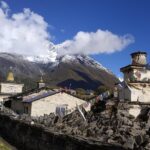
As the trek continues in the Manaslu restricted zone, you’ll pass through places like Namrung, known for beautiful older villages. This isn’t just a scenic detour; it’s part of why the Manaslu Circuit feels more grounded than many popular routes.
The trail days around this section still run close to 8 hours, so you’re earning the view and then paying attention to what’s around you. You’ll likely get small moments where life looks simple—stone walls, prayer flags, and the quiet routine of trekking-season villages.
Possible drawback here is timing and energy. If you’re a slower walker, you might feel the “always moving” feeling on days that are scheduled as full trekking days. Pace yourself early, and don’t wait until you’re tired to start making good choices.
Samagaun: The Acclimatization Sweet Spot
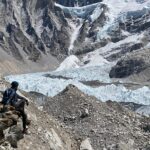
You arrive at Samagaun after a less-trodden alternative route that aims for glacier country and Manaslu views at their best. This segment also has a guide who has done it many times and knows how to pick a route that’s less crowded.
The Samagaun approach matters because it’s not just about distance—it’s about setting your altitude tolerance. After reaching Samagaun, you get a full acclimatization rest day. This is a big deal on a 13-day trek, because altitude doesn’t care about your schedule.
On this rest day, you can handle your own time: an optional monastery or village visit is part of the plan. Even if you keep it low-key, the day off lets your body catch up, so later pass days don’t feel like punishment.
Samdo and Virendra Lake: Half-Day Trek, Then a Breather
Next comes Samdo, reached with a day that’s planned as half-day easy trekking plus half-day rest. That rhythm is a smart way to manage energy before the big crossing days.
On the way, you’ll visit Virendra Lake, described as wonderful. This kind of stop is valuable because it breaks the monotony of “just walking” while still keeping the day manageable.
If you’re traveling with a group pace you can’t fully control, these half-day segments can make the trek feel fair. You won’t feel like you’re either sprinting or falling hopelessly behind.
Larkya La Pass: The Big Crossing Day (With Wildlife Odds)
The program builds toward Larkya La Pass with a day that has half-day trek and half-day rest, followed by an early start to cross and then hike down toward Bimthang.
This is the tough day you plan for in your training. Expect a long effort—around 9 hours—and plan for the pass day to be both physically demanding and mentally focused. Early starts are common for pass crossings, because conditions can change fast.
On the way, there’s a chance to see wildlife like marmots and blue sheep. I wouldn’t bet your whole mood on wildlife, but it’s a nice reminder that you’re walking through real alpine habitat, not just a photo backdrop.
A practical consideration: pass days reward a steady pace. If you charge early, you’ll likely pay for it later. Keep your breathing steady and save your energy for the crossing and the descent.
From Larke to Bimthang and Into the Annapurna Trail
After the pass crossing and descent toward Bimthang, the last stretch changes tone. You trek to Dharapani and connect with the Annapurna Circuit trail line. That shift can feel like a meeting point between two big trekking worlds.
One night later, you move toward the finish day, where the goal becomes transport and recovery, not trail immersion. This is exactly where you’ll appreciate having done acclimatization earlier, because your body is still working, just with a finish line in sight.
The itinerary keeps you moving in this stage with roughly 8-hour trek days, then transitions toward the exit route.
Final Day Return: Jeep Back via Besisahar to Kathmandu
On the last day, you head to Besisahar, then take a jeep back to Kathmandu. There’s a lunch stop on the way before you reach your hotel area.
This “real travel day” matters. After many days on the trail, the final ride can feel long, but it beats adding extra days of uncertain local transport. You get closure with an actual route out.
Try to think of the end like this: you’ve already done the hard part. Now it’s about hydrated recovery, a warm meal, and getting ready to sleep like a normal human.
Price and Value: What $1,560 Really Buys
At $1,560 per person for about 13 days, the price isn’t just for walking. You’re paying for a package that includes guided trekking structure, local support, and meals.
Here’s what’s explicitly included:
- Breakfast (11 times), lunch (12 times), dinner (11 times)
- Trek days where admission ticket is marked as included (including key restricted-area days listed in the plan)
- Pickup offered and a mobile ticket
What’s not included:
- Beverage drinks, hot shower, emergency expenses
- Tips and personal nature expenses
- Travel insurance
- Private transportation
Why that matters for your budget: many trekking costs get hidden in “small extras,” like drinks, shower access, or last-minute emergencies. If you want a smoother experience, plan for those items rather than treating them as optional surprises.
Also consider group size. A maximum group of 15 often means you get better communication and less chaos on trail decisions than bigger groups. That’s part of the value you feel, not just something written on a page.
Fitness Fit: Who Should Choose This Trek
This trek is listed as best for people with moderate physical fitness. That doesn’t mean it’s easy. It means the program is realistic if you can handle long walking days, some early starts, and the pass crossing.
You’ll likely enjoy it most if:
- you want Manaslu specifically, with a calmer vibe
- you’re comfortable with 8 to 9 hour days and changing conditions
- you value a guide who can manage routes and pacing in a controlled-area region
If you’re chasing an ultra-relaxing hike with lots of short days, this may not fit. The plan includes full trekking days and a tough Larkya La crossing day.
Should You Book Manaslu Circuit Larkya Pass With Three Jewels Adventures?
If you want the Manaslu Circuit experience with restricted-area access and strong local support, this is a smart pick. The package structure—permit document help, jeep transfers, acclimatization time at Samagaun, and a real pass-day plan—matches what makes this trek rewarding rather than exhausting.
I’d book it if you’re the kind of traveler who likes getting your hands dirty with walking, villages, and mountain weather, and you’re okay planning for long days. You might also like it if you appreciate solid communication and know the value of a guide team that’s been through the route many times, like Nursang Sherpa and Pemba.
One final thought: read the 13-day schedule as a promise of effort, not a guarantee of comfort. If you go in with that mindset, the payoff around Larkya La and the Manaslu villages is exactly the kind of memory you’ll keep.
FAQ
How long is the Manaslu Circuit Larkya Pass trek?
It runs for about 13 days.
What is the meeting point and where does it start?
You meet in Kathmandu at the airport or your meeting point on day 1.
Does the trek include pickup?
Yes, pickup is offered.
Is the Manaslu Restricted Area Permit handled as part of the trip?
You collect the necessary documents for the Manaslu Restricted Area Permit at the start, and admission tickets are marked as included on specific trekking days inside the restricted area.
What’s the maximum group size?
The tour has a maximum of 15 travelers.
What meals are included?
Breakfast is included 11 times, lunch 12 times, and dinner 11 times.
What are the major trekking days like?
Many trekking days are scheduled for about 8 hours, with the Larkya La crossing day listed as a tough day of about 9 hours.
What is not included in the price?
Not included are beverage drinks, hot shower, emergency expenses, tips, personal nature expenses, travel insurance, and private transportation.