REVIEW · DA NANG
From Da Nang or Hoi An: Bach Ma National Park Trek & Lunch
Book on GetYourGuide →Operated by CONNECTTRAVEL · Bookable on GetYourGuide
One day, lots of mountain drama. This guided Bach Ma National Park trek packs Five Lakes swimming, the big Do Quyen Waterfall moment, and a high viewpoint over lagoons and villages. It’s a long day, but the route feels like a string of rewards, not a slog.
What I like most is how the hike is built around real experiences: you walk through the forest to reach the five lakes at different levels, and you can cool off by taking a swim in the best spot along the way. I also like that lunch is a picnic lunch in the park, so you’re eating in the same fresh-air world you just hiked through.
One thing to keep in mind: the trail can be rocky and slippery, and some parts feel steep with uneven footing and stream crossings—so it’s not the right pick if you dislike heights or have mobility limits.
In This Review
- Key things to know before you go
- How the day starts: pickup, park gate check-in, and a long-ride reality
- Five Lakes of Ngu Ho: why this is the best part to bring swim-ready energy
- Picnic lunch in the mountains: simple, included, and timed well
- Do Quyen Waterfall: the 300m drop plus the sections where you slow down
- Hai Vong Dai and Bach Ma Peak: the summit views you hike for
- The guide and the small-group advantage (yes, it matters)
- Fitness reality check: what the trail asks of you
- Price and value: is $71 worth it for this kind of day?
- Book it or skip it? My honest call
- FAQ
- What’s the duration of the Bach Ma National Park trek?
- Where do you get picked up from?
- What time does pickup usually happen?
- When do you check in at the park?
- What activities are included in the hike?
- Is lunch included?
- Does the tour run in bad weather?
- Is the tour guided?
- Is the tour suitable for children or seniors?
- Can I cancel or change plans?
Key things to know before you go
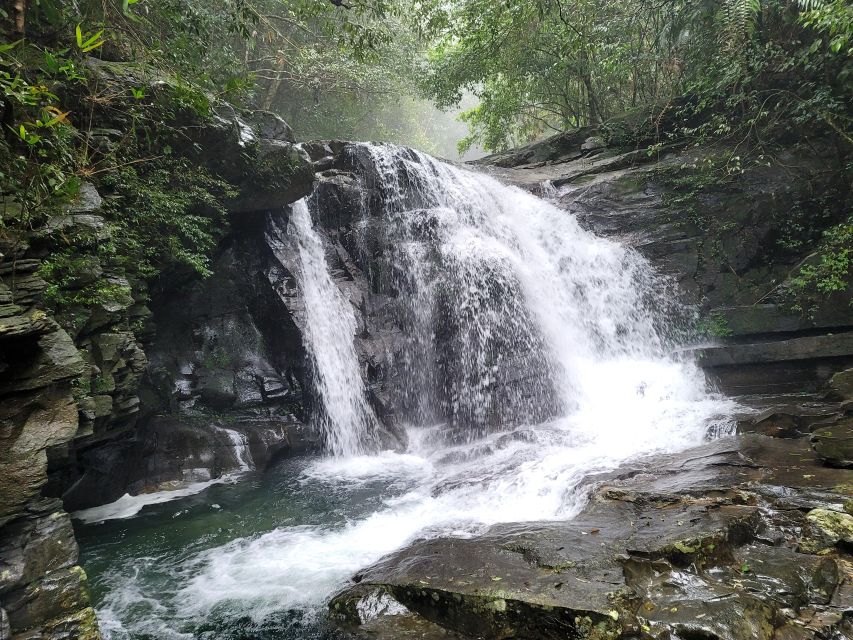
- Five Lakes swimming on a forest trail: expect a hike that’s short on paper but active underfoot, especially near the water.
- Do Quyen Waterfall (about 300m high): the views and air change fast once you get near the falls.
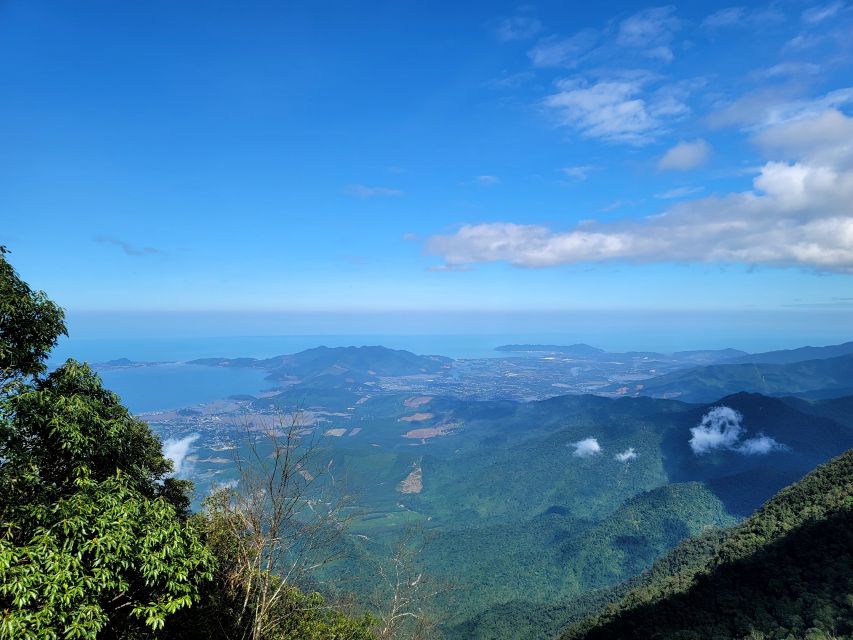
- Hai Vong Dai / Bach Ma Peak at 1,448m: the payoff is a wide panorama spanning lagoons, passes, and coastline.
- Small group (up to 10): you’ll get more attention on the trickier sections.
- Rain or shine: plan to do the trek in whatever weather shows up.
- Packing for wet ground: you’ll likely get your shoes wet, so plan for that in advance.
How the day starts: pickup, park gate check-in, and a long-ride reality
This is a 10–12 hour full-day trek, and the clock starts early. If you’re staying in Hoi An, pickup is typically between 6:30 and 7:00am. From Da Nang, pickup is typically 7:30–8:00am. You’ll ride out to the Bach Ma area, then check in at the park gate around 9:30am.
That timing matters because you’ll do the most hiking while the day is still cool-ish, and then you’ll ride back down later in the afternoon. The tour is designed to return you to your hotel around 5:00–5:30pm, which means you’re building a full day around the mountains, not squeezing them in for an hour.
A couple of practical notes from what I’ve learned watching how these trips run: the approach route can include different roads depending on conditions. Some people report passing via Hai Van Pass, while others have taken the tunnel route when weather makes scenic roads less helpful.
Also, the park experience isn’t just the trek. You get entrance tickets, transport, a guide, bottled water, and picnic lunch included—so once you’re on the move, you’re not constantly stopping to reorganize your day.
You can also read our reviews of more tours and experiences in Da Nang.
Five Lakes of Ngu Ho: why this is the best part to bring swim-ready energy
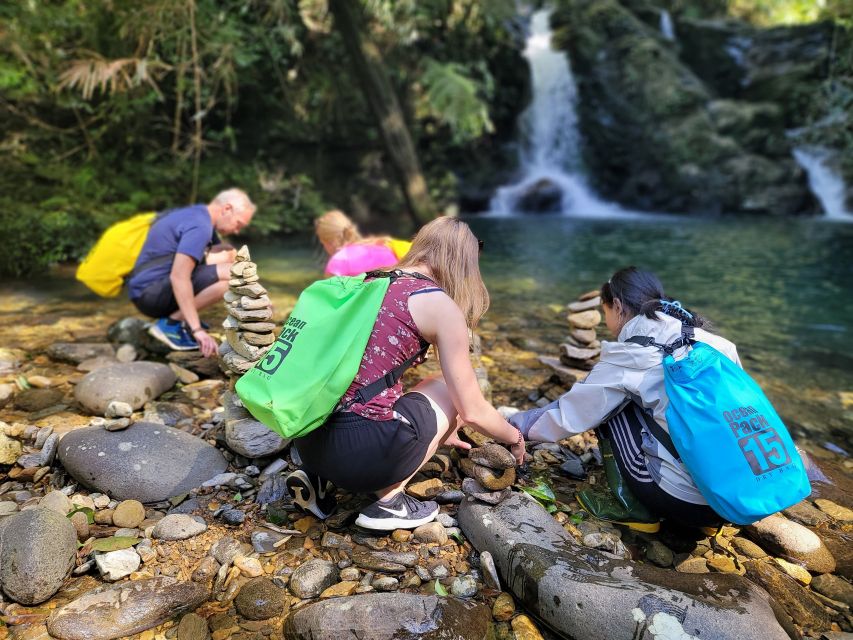
Ngu Ho Lake is the heart of this hike. The trail toward the five lakes at different levels runs through forest, and the total walking segment to reach the lake area is described as about 2 kilometers. In plain terms: it’s not an ultra-long trek to get to the swimming, but the ground and vegetation make it more of an effort than the distance suggests.
You’ll walk the forest route until you reach the stretch that’s considered the best place to go swimming. The payoff is huge if you like nature that feels quiet and untouched—this is the moment where the hike becomes a break, not just exercise.
A few details you’ll be glad to know:
- The footing can be uneven, and you may have wet sections even before you reach the water.
- If you’re aiming to swim, wear shoes you can handle getting soaked, and bring a backup plan for your feet after.
- In the rainy season, you may want long pants due to leeches, and insect spray can help.
This is also where your guide starts doing the quiet work that makes the trek worth it: pointing out plants, explaining what you’re seeing, and keeping you moving safely when the trail gets slippery.
Picnic lunch in the mountains: simple, included, and timed well
Lunch is built into the flow rather than tacked on at the end. You’ll have your picnic lunch during the middle portion of the day, after the lake section and as the route continues toward the waterfall area.
In the real world, that’s a big quality-of-life factor. When a tour includes a picnic lunch in the park, you’re less stuck hunting food or losing time to detours. You’re also eating while the day still feels like hiking time, not meal time followed by more commuting.
A number of people note that the lunches are well thought out, including options for different diets (for example, vegetarian or vegan-style lunch boxes). Tea and coffee are also part of the experience, so you’re not just relying on water and snacks to get through the afternoon.
If you’re picturing a gourmet picnic: don’t. Think more like a practical park meal you can eat without slowing down the group too much—then get back on the trail while you still have energy for the tougher sections later.
Do Quyen Waterfall: the 300m drop plus the sections where you slow down
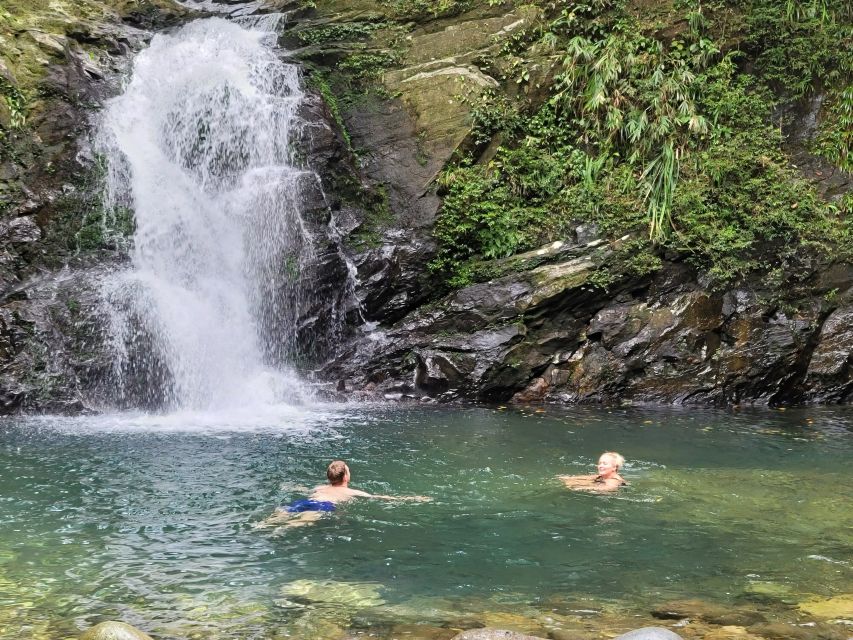
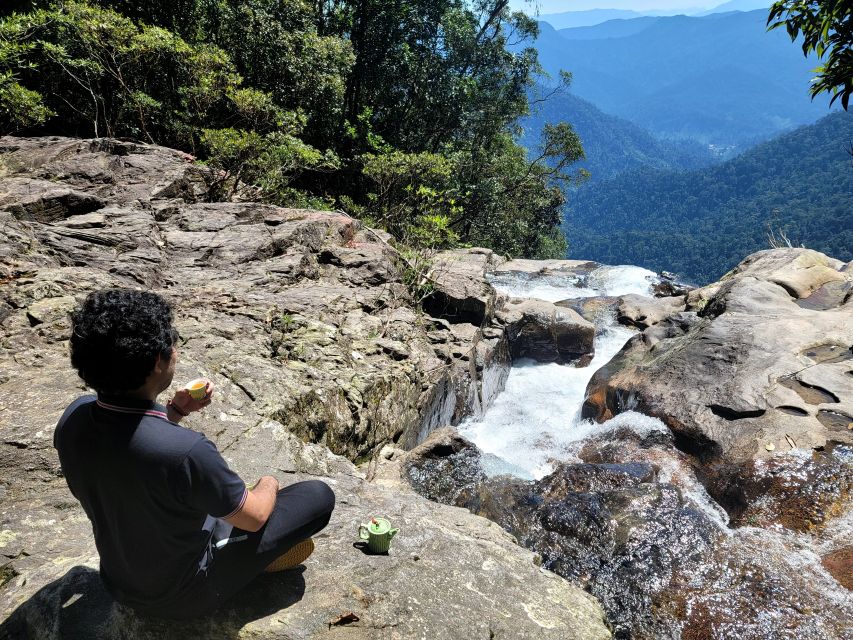
Do Quyen Waterfall is one of the main reasons people book this trek. The falls are described as flowing down a steep cliff around 300m high, which is dramatic even from viewpoints along the route.
This section is also where the trek can feel more intense. The trail can include:
- steep slopes
- brook crossings
- rocky, slick parts depending on weather
Some guides and groups provide walking sticks, and you may find support ropes on the trickier portions. The point isn’t to make it scary—it’s to make it doable.
If you’re hoping to go all the way down to the very base of the waterfall, note that access can change. One tour run had the bottom trail closed due to hazard concerns, so the best version of this moment may depend on conditions and local trail status.
When the air turns cooler and quieter near the waterfall, that’s the psychological shift that makes the steep sections worth it. Your job on this part of the trek is simple: take your time, keep traction, and listen to your guide for route choices.
Hai Vong Dai and Bach Ma Peak: the summit views you hike for
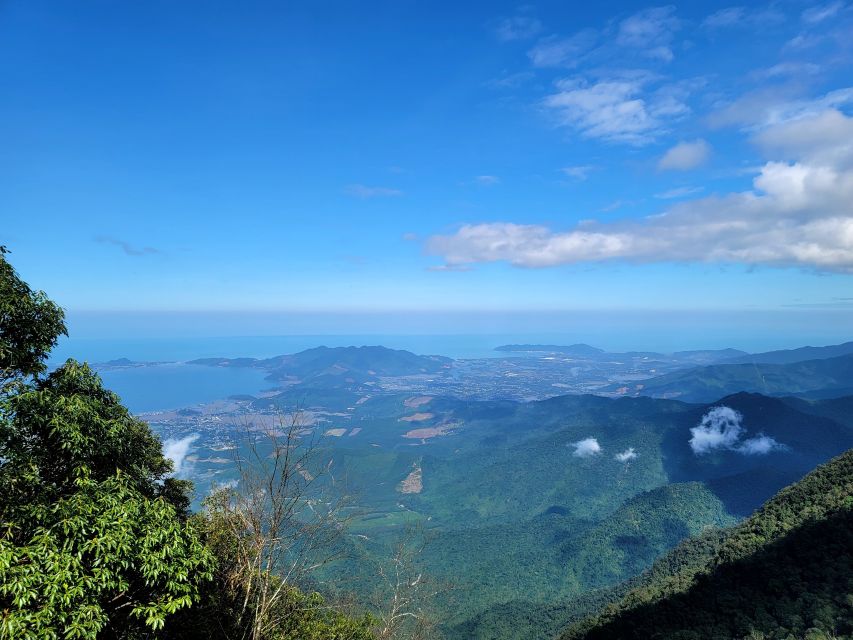
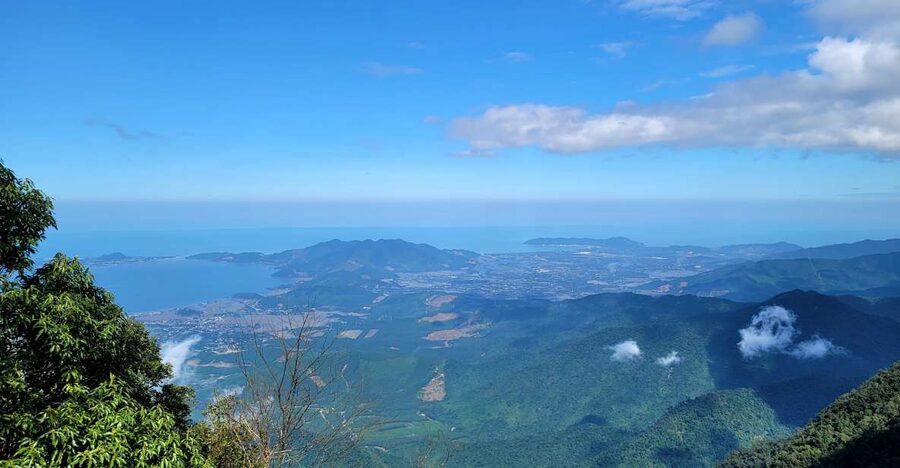
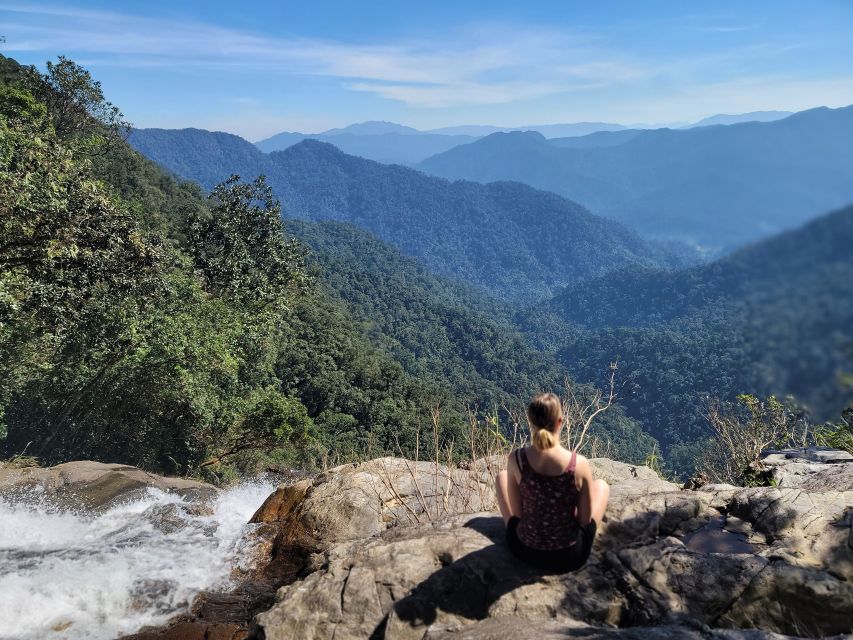
After the waterfall area, you continue to the high viewpoint: Hai Vong Dai, also called Bach Ma Peak, at 1,448 meters above sea level. This is the summit highlight, and it’s where the tour earns its long day.
The panorama is described as expansive—mountains, lagoons, and towns and coastal features like Lang Co beach, Hai Van pass, Truoi lake, Cau Hai lagoon, and Chan May port. If the weather is clear, you get a dramatic sense of scale. If it’s foggy or cloudy, you’ll still get the effort-pays-off feeling, but the view can be muted.
So here’s the practical trick: treat the summit time as your weather window. If clouds roll in, don’t get frustrated—just enjoy what you can see, because this area can be weather-prone. One person’s highlight was an incredible summit view; another day was foggy enough that they couldn’t see much from the top. Same mountain, different day.
You’ll finish the hike portion and then head back toward the starting area. The tour timing usually puts you in the late-afternoon return window—around 5:00–5:30pm—so you’re hiking up and down without the day dragging into an overnight trip.
The guide and the small-group advantage (yes, it matters)
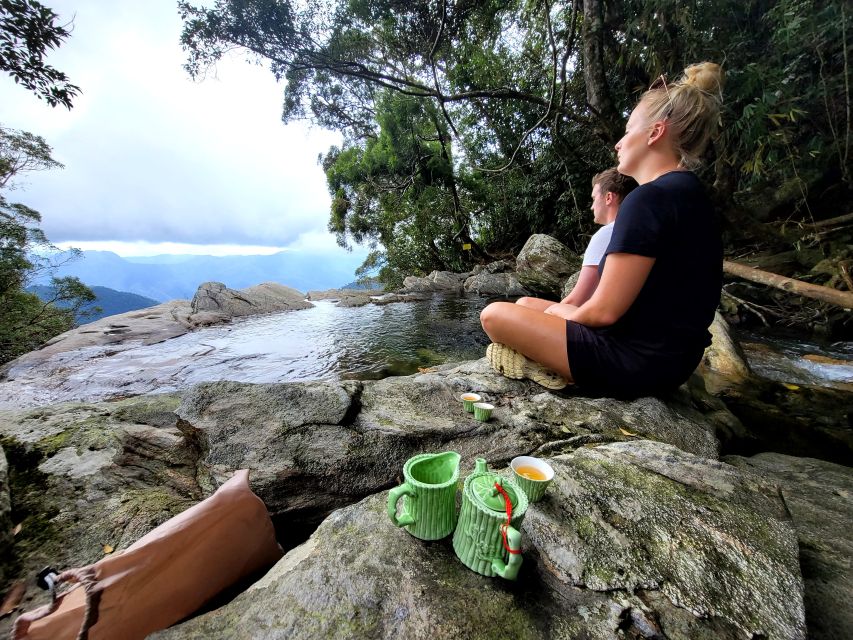
This is a small group tour, limited to 10 participants, and that changes the vibe on a trek like this. You’re not getting lost in a big herd. Instead, your guide can manage pace, regroup when footing gets tricky, and answer questions about what you’re seeing.
Guides can be excellent at two things:
1) making the route feel manageable (support ropes, pace adjustments, and tips for slipping areas)
2) adding context to the scenery
People mention guides by name—like Linh, Thuan, Thui, Tram, Lanh, Thuy, Nguyen, and Sang—and the common theme is that they explain the natural world and the park setting. One review even talked about the area’s military past—things like underground tunnels, camouflaged storage sites, and the legacy of Agent Orange—plus references to older villas from the 1920s and 1930s used by French officials and wealthy Vietnamese before and during later periods of conflict. That’s heavy context, but it helps you understand why the park has odd remnants mixed into the jungle.
You might also get wildlife moments. One group noted getting up close to endangered red-shanked douc monkeys. Whether you see them depends on timing and luck, but this park is the kind of place where the guide’s eyes are part of the value.
Fitness reality check: what the trail asks of you
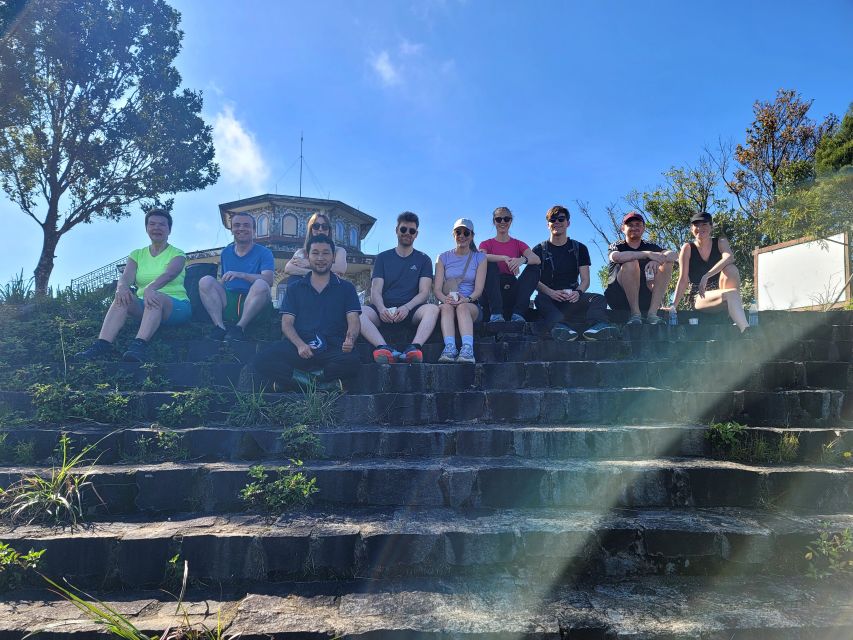
This trek is not a gentle stroll. The official notes say it’s not suitable for children under 10, wheelchair users, pregnant women, people with high blood pressure, people afraid of heights, and people over 70. Weight limits also apply (over 150 kg / 331 lbs).
Even if you’re within those limits, pay attention to how the trail feels:
- uneven stones
- slippery rock sections (especially after rain)
- stream crossings
- steep moments where you’ll probably want stability
People also emphasize that shoes get wet. One person recommended bringing footwear you don’t mind soaking and possibly a second pair for later. Another highlighted that the beginning can be the most risky and trickiest part, where the guide’s help really matters.
If you’re the type who gets stressed by wet footing or steep drops, this is the moment to be honest with yourself before booking. If you do go, use the conditions as training: go slow, keep your weight low, and trust the ropes and sticks if they’re provided.
Price and value: is $71 worth it for this kind of day?
At $71 per person, this tour prices itself as a mid-value day trip—mainly because so much is included:
- hotel pickup and drop-off
- guide
- entrance tickets
- transportation
- picnic lunch
- tea/coffee plus water
- bottled water and travel insurance
For a long day involving transport from either Da Nang or Hoi An, plus paid park access and a guided trek with safety support, the value holds up if you actually want all the pieces: swimming, waterfall time, and a summit-style viewpoint.
Where you get your money’s worth is in not having to stitch together logistics yourself. You’re not arranging separate transport, entrance planning, and a guide for the steeper sections. You’re also not guessing where the best swimming spot is inside Ngu Ho Lake.
If you hate long rides, don’t want rocky trails, or only want an easy viewpoint, then any day trip here will feel overpriced. But if you’re actively seeking a full mountain day with nature time, this one makes sense at the price.
Book it or skip it? My honest call
Book this trek if you want a complete Bach Ma National Park day: forest walks, the chance to swim at Ngu Ho, a real waterfall payoff at Do Quyen, and panorama time from Hai Vong Dai/Bach Ma Peak. The small group limit helps a lot, and the included picnic lunch plus tea/coffee makes it feel like a true outing, not a rushed checklist.
Skip it (or at least think hard) if you’re prone to slipping on uneven ground, fear heights, have high blood pressure, or want fully predictable views. Weather can turn the summit into fog, and parts of the park can have changes due to rain, landslides, or trail hazards.
If you’re comfortable with a tough-ish hike and you pack smart for wet conditions, this is one of the more memorable day trips in the area.
FAQ
What’s the duration of the Bach Ma National Park trek?
The tour runs about 10–12 hours, depending on the day and starting time.
Where do you get picked up from?
Pickup is available from hotels in Hoi An or Da Nang.
What time does pickup usually happen?
Hoi An pickup is typically 6:30–7:00am. Da Nang pickup is typically 7:30–8:00am.
When do you check in at the park?
The schedule lists check-in around 9:30am at the Bach Ma National Park gate.
What activities are included in the hike?
The core stops include Ngu Ho (Five Lakes) for the chance to swim, Do Quyen Waterfall, and the Hai Vong Dai/Bach Ma Peak panorama viewpoint.
Is lunch included?
Yes. You get a picnic lunch, plus tea and coffee during the day.
Does the tour run in bad weather?
Yes. The trek runs rain or shine.
Is the tour guided?
Yes. There is a live English-speaking tour guide.
Is the tour suitable for children or seniors?
It’s not suitable for children under 10, and it’s also not suitable for people over 70.
Can I cancel or change plans?
You can cancel up to 24 hours in advance for a full refund, and there’s also a reserve now, pay later option.