REVIEW · KATHMANDU
Everest Base Camp Trek
Book on Viator →Operated by Adventure Glacier Treks & Expedition · Bookable on Viator
Everest pulls you uphill one step at a time. This 12-day trek focuses on the Everest region’s big moments: dramatic Himalayan scenery, serious high-altitude trekking, and the classic arrival at Everest Base Camp where climbers gather to start their big push. It’s built as a private experience out of Kathmandu, with logistics handled so you can concentrate on the trail.
I especially like the mix of mountaineering energy and Nepali hiking, plus the chance to connect the story of the Khumbu Valley with Ama Dablam’s famous look. I also like the Namche Bazaar acclimatization stop, positioned as the gateway step where high-altitude trekking gets real.
One thing to watch is that the price leaves several essentials out. Your $990 covers a lot of operations, but you’ll need to budget for things like your own accommodation/food, beverages, and tips, along with travel insurance and the Nepal visa/international flights.
In This Review
- Key highlights to know before you go
- Everest Base Camp, minus the guesswork
- Ama Dablam: why this stop matters (even before Everest)
- Namche Bazaar: the acclimatization step that changes everything
- The Everest Base Camp moment: what you’re really walking toward
- Guides, logistics, and the human side of altitude trekking
- Price and logistics: is $990 actually good value?
- Tour setup: private means fewer surprises
- Who this Everest Base Camp trek fits best
- Should you book this Everest Base Camp trek?
- FAQ
- How long is the Everest Base Camp trek?
- Where does the trek start in Kathmandu?
- Is a domestic flight included?
- What permits are covered?
- What’s not included in the price?
- Can I cancel for a full refund?
Key highlights to know before you go
- Ama Dablam views and technical-climbing context: you get the iconic Khumbu Valley anchor early on, not just Everest.
- Namche Bazaar as an acclimatization checkpoint: the plan explicitly builds in this key high-altitude step.
- Private group experience: only your group participates, which usually means fewer waiting games.
- Domestic flights and airport transfers included: less stress switching between travel legs.
- Guides with strong hands-on organization: multiple guide names come up for being careful, experienced, and responsive.
- Flexible planning with an eye on comfort: at least some routes (like EBC + Gokyo) were adjusted as conditions changed.
Everest Base Camp, minus the guesswork
Everest Base Camp is one of those trips that sounds simple until you’re facing altitude, timing, and day-to-day logistics. The value here is that you’re not doing it as a “go figure it out” project. The trip is set up from Kathmandu and run through Adventure Glacier Treks & Expedition, with a private setup so your group can move at one coordinated pace.
Your package includes domestic flight support and airport transfer services tied to that flight. That matters because Nepal travel can be smooth or chaotic depending on timing. When the land-and-air connections are handled, you lose less time to last-minute scrambling and you start the trekking phase with fewer headaches.
You can also read our reviews of more tours and experiences in Kathmandu.
Ama Dablam: why this stop matters (even before Everest)
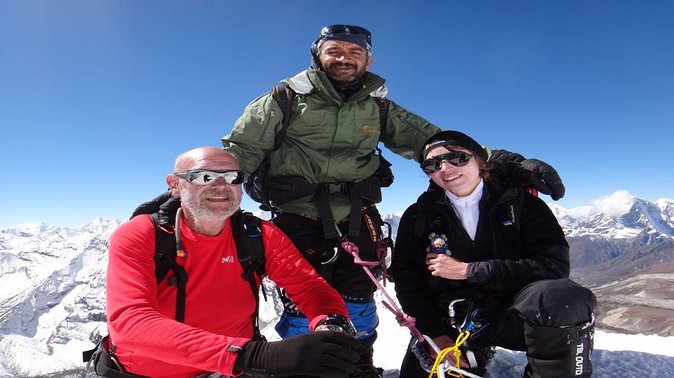
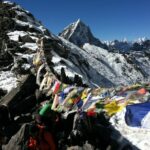
Ama Dablam is called the mother’s necklace, and for a reason: it’s one of the most recognizable peaks in the Khumbu Valley. This trek builds in a stop focused on Mt. Ama Dablam, and that’s not just for photos. The mountain is also described as an iconic goal for climbers interested in steeper, more technical routes, which gives you a different angle on what you’re seeing.
If you’re the kind of trekker who likes understanding context, this is a smart add. You see the famous shape, and you also learn what climbers mean when they talk about the technical side of the Himalaya. It’s a quick way to turn scenery into insight, and it helps you feel connected to the region’s mountaineering culture—not just the trekking side.
What to consider: if you’re only motivated by Everest itself, this extra spotlight on Ama Dablam might feel like an appetizer. But it’s also an opportunity to appreciate the Khumbu Valley as more than a single destination.
Namche Bazaar: the acclimatization step that changes everything
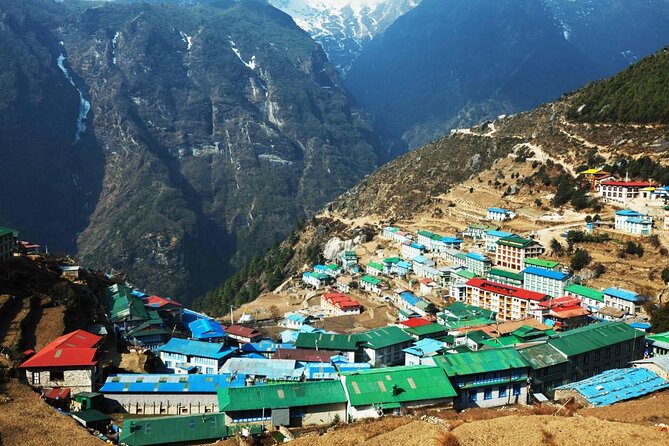
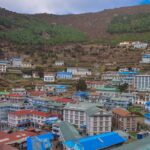
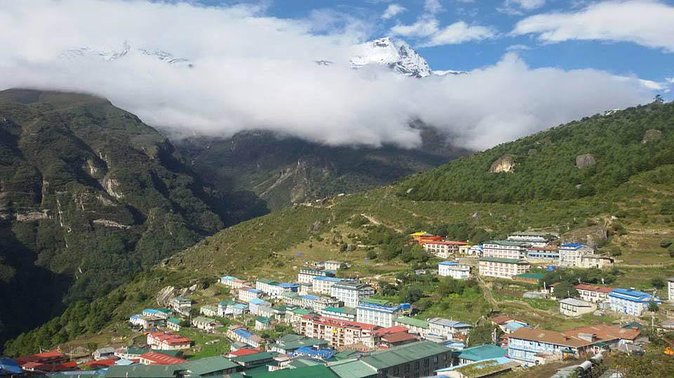
Namche Bazaar is presented as the gateway to the Everest Base Camp trek—and the most important step in high-altitude trekking: acclimatization. That’s the exact kind of detail that separates a well-run altitude plan from a tougher-than-it-needs-to-be experience.
Even if you’ve trekked before, high elevation changes your body’s rhythm. The plan’s emphasis on Namche tells you they’re treating acclimatization as a real phase, not an afterthought. That’s what you want when you’re moving toward Everest Base Camp, where the air gets thin and the days demand steadier pacing and smarter recovery.
Practical takeaway for you: prioritize sleep, hydration, and following your guide’s pace once you’re in the Everest region. The best “altitude strategy” is usually boring on paper and powerful in practice: move sensibly, let your body adjust, and don’t rush the climb for the sake of a photo.
The Everest Base Camp moment: what you’re really walking toward
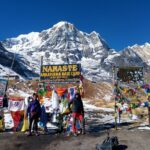
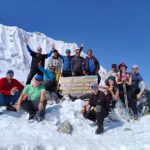
The trek is built around the iconic Everest Base Camp—where trekkers and mountaineers from all over the world gather to begin their journey toward Mount Everest. That description matters because it hints at the atmosphere you’re walking into: it’s not just a remote viewpoint. It’s a staging ground, a meeting point, and a place packed with big goals and hard work.
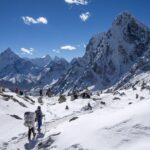
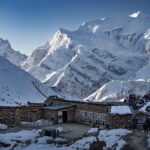
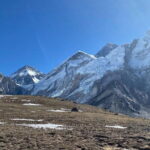
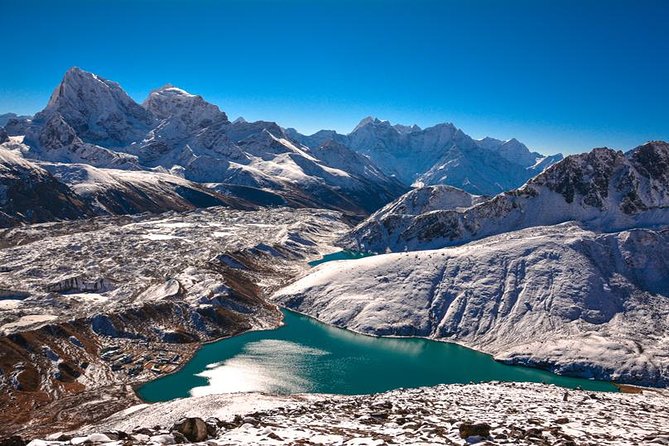
The plan also flags spectacular vistas of Mt. Everest and numerous other peaks. So even if you’re laser-focused on Everest Base Camp, you’re not limited to one “big reveal.” The route is positioned as a series of high-mountain scenes, building anticipation while you move into higher terrain.
What to expect emotionally: when you finally reach Base Camp, the experience tends to feel less like sightseeing and more like arrival. You’ll be looking at the same mountain your route has been building toward all along, and that makes the final days feel different from the early ones.
Guides, logistics, and the human side of altitude trekking
Here’s where this experience earns a lot of trust: the guide team is repeatedly praised for organization, calm problem-solving, and real attention. You’ll see familiar names connected to high service quality in the Everest region.
- Sau Bir Rai is highlighted for being very experienced and making the trek feel easier to manage.
- Roshan is praised for handling accommodations, food, and transport even during busy season, which is exactly what you want when schedules get tight.
- Dipak gets credit for being friendly and attentive, and for adapting the plan on the way (especially on an EBC + Gokyo private route).
- Dil is mentioned for strong support during trip planning, with questions and queries handled well so you feel prepared before you ever land in Nepal.
- Arjun is credited with taking perfect care during an EBC trek, including attention to medical needs and different requirements within a group.
Even without pretending every day is easy, these comments point to a consistent theme: the difference between a good mountain trip and a memorable one often comes down to guide behavior. When someone is experienced and responsive, you’re more likely to feel safe, informed, and able to keep moving at a pace your body can handle.
One consideration: the trek does require a strong physical fitness level. A good guide helps with pacing and decision-making, but they can’t replace your preparation. If you’re unsure where you stand, it’s worth reassessing training before you commit.
Price and logistics: is $990 actually good value?
At $990 per person, this trek sits in a range where the “what’s included” matters a lot. The package includes:
- Domestic flight
- Necessary permits entrance fees
- Guide salary, guide food, equipment, and insurances (as part of the trip cost)
- Airport transfer services for arrival/departure, including the domestic flight
What’s not included is also clearly listed:
- Beverages and personal/nature expenses
- Tips for the trek guide (expected)
- Your travel insurance
- International flights and Nepal visa fee
- Accommodation and food for you (guest)
So what are you really paying for? You’re paying for the trip framework: entry permissions, guide operations, and the biggest logistical friction points (domestic air plus transfers). That can be excellent value if you’d otherwise spend time coordinating permits, chasing confirmations, and trying to assemble a team once you arrive.
If you’re comparing against cheaper options, double-check what’s missing. A lower price that forces you to cover guide/permitting/logistics separately can end up costing more once you add those items back in.
My balanced take: at $990, the value looks strong for someone who wants a guided, organized Everest Base Camp experience without building everything themselves. If you already have domestic travel, permits, and a guide sorted, then the package might feel pricier. But if you want structure, this is the kind of total package that makes sense.
Tour setup: private means fewer surprises
This is a private tour/activity, meaning only your group participates. That’s a big deal in trekking because it reduces the “shoehorned schedule” feeling that can happen on mixed-group itineraries.
Also, you’ll receive a mobile ticket, and you should get confirmation at booking. The trek starts and ends back at the meeting point in Kathmandu, which is helpful if you’re trying to plan around your first and last day in the city.
Meeting point: Adventure Treks Nepal P. Ltd., Thamel Marg, Kathmandu 44600, Nepal.
End point: back at the same meeting point.
Who this Everest Base Camp trek fits best
This experience is best suited for:
- People with strong physical fitness who want a guided, well-organized path toward Base Camp
- Solo travelers or small groups who prefer decision-making support from the start
- Trekking-minded travelers who care about altitude planning (Namche Bazaar as an acclimatization gateway is a key signal)
If you’re traveling solo, you’ll likely appreciate the private format and the help with accommodations, food, and transport. If you’re traveling as a family or with mixed needs, the guide-care angle is reassuring—especially given mention of medical situation attention on an EBC trek.
What might not fit: if you want a fully independent, DIY hiking adventure with minimal guide involvement, this isn’t that style. It’s a guided, logistics-supported experience designed to keep things running.
Should you book this Everest Base Camp trek?
Yes, if you want the Everest Base Camp goal with practical support: domestic flight help, permits handled, and guides praised for organization and attention. The Namche Bazaar acclimatization focus is a strong sign that the trip takes altitude seriously. And the inclusion of guide insurances and equipment in the trip cost suggests they’re running this as a real operation, not a light-touch arrangement.
Maybe think twice if you’re trying to minimize expenses, since your own accommodation/food, beverages, tips, travel insurance, and international flights/visa are on you. Also be honest about fitness: the trek is described as requiring strong physical preparation.
If you’re ready for the classic Everest region experience, this package looks like a solid way to get there without turning travel logistics into your second job.
FAQ
How long is the Everest Base Camp trek?
The duration is listed as 12 days (approx.).
Where does the trek start in Kathmandu?
The meeting point is Adventure Treks Nepal P. Ltd., Thamel Marg, Kathmandu 44600, Nepal.
Is a domestic flight included?
Yes. The tour includes a domestic flight and airport transfer services tied to arrival and departure.
What permits are covered?
The package includes necessary permits entrance fees.
What’s not included in the price?
Not included are beverages, tips, your insurance, and personal/nature expenses, plus international flight tickets and Nepal visa fee, and accommodation and food of the guest.
Can I cancel for a full refund?
Yes, you can cancel for a full refund if you cancel at least 24 hours in advance of the experience start time. If you cancel within 24 hours, the amount paid is not refunded.