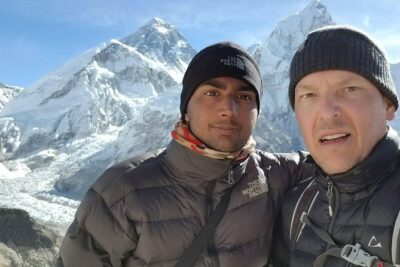
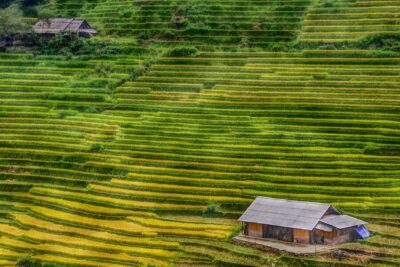
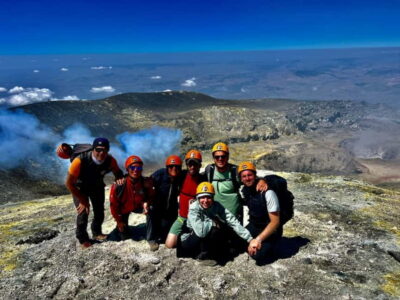
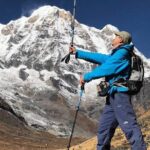
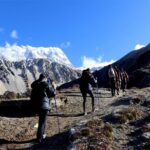
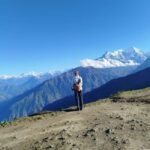
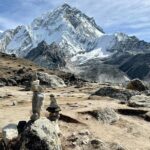
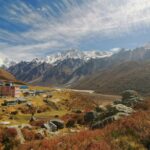
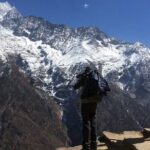
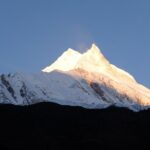
Everest doesn’t start at Base Camp. It starts on the first flight day, in the Sherpa towns you’ll pass through, and with the Kala Patthar sunrise plan that ties it all together. I love how this route balances big views with real village time, plus stops like Tengboche monastery that make the trip feel more than just hiking.
I also like the practical value baked into the package: government-licensed guiding, lodge support, and the porter setup (one porter for every two people) so you’re not dragging a heavy daypack up steep switchbacks. You’ll also get Kathmandu ground logistics handled with airport and hotel transfers, so you can focus on getting ready instead of untangling details.
One thing to consider: the Lukla flights can be weather-dependent, and the schedule can get tight when many people are waiting. Plan your expectations around that reality, and you’ll feel a lot more at ease.
In This Review
- Key things that make this trek tick
- From Kathmandu to Lukla: the fast jump into the Khumbu
- Trek Day 2 into Phakding: easing into altitude and rhythm
- Namche Bazaar: Everest scenery plus Sherpa culture on the move
- Dingboche and the wildlife day: when the trail turns wild
- Lobuche and Gorakshep: the long hard day before Base Camp
- Everest Base Camp and Kala Patthar: the sunrise payoff and the return reality
- Heading down: Tengboche, Hillary Bridge, and a calmer pace
- Lukla back to Kathmandu: finishing the loop without rushing
- Guides, porters, and the kind of support that matters
- Price and value: what $1,800 buys, and what you should plan for
- Practical packing and pace tips for this exact route
- Should you book this Everest Base Camp trek?
- FAQ
- What is the total duration of this Everest Base Camp trek?
- Where does the trip start and end?
- Are Kathmandu hotel nights included?
- Are domestic flights included?
- Are trekking permits included?
- What kind of lodging do I get during the trek?
- Is there a guide and porter included?
- Are meals included on the trek?
- What is not included that I should budget for?
- Can I cancel for a refund?
Key things that make this trek tick
- Lukla flight in and out saves days versus long road climbs into the mountains
- Built-in acclimatization rhythm at Namche Bazaar and Dingboche helps you handle altitude better
- Kala Patthar early morning timing targets the big sunrise-and-panorama payoff
- Sagarmatha National Park + local permits handled for you, plus entry processes on route
- Porter support (1 porter for 2 people) keeps the trek realistic for more fitness levels
- Rabin and the team’s hands-on care shows up in the way they handle arrivals, changes, and support in tough moments
From Kathmandu to Lukla: the fast jump into the Khumbu
Most Everest trips start with a dream. This one starts with a ride from Kathmandu’s airport to your hotel, then a gentle onboarding: you can rest, visit the office, and get a welcome dinner with Nepalese food. It’s a small thing, but it helps you reset after travel and shows the rhythm of the country fast.
Then comes the big shift. You’ll head to the domestic airport and take a short Lukla flight (about 30 minutes). Even if you’re a little nervous, that flight is the moment where the trek becomes real. Lukla also sets the tone for the whole trip: weather can matter, and that means your best friend is flexibility.
If you want the clearest picture of what you’re paying for, look at what’s included here. The package covers the Kathmandu hotel (2 nights standard with breakfast), private transfers, and both domestic flights Kathmandu to Lukla and back. That matters because it reduces the most common trip-stress: scrambling for transport and paperwork after you land tired.
You can also read our reviews of more tours and experiences in Kathmandu.
Trek Day 2 into Phakding: easing into altitude and rhythm
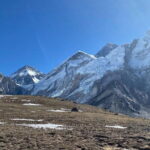
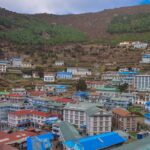
On day two, you start walking from the Lukla side through lower Khumbu terrain, moving toward the Dudhkoshi River corridor. The route funnels you through Chourikharka and down the valley flavor, then continues to Phakding at about 2,652m. Lodges there are basic but dependable, and the goal is less about speed and more about getting your legs used to thin air.
This is also where you’ll feel the difference between “I can hike” and “I can hike at altitude.” The pace is slow, and that’s not a weakness. It’s how you set yourself up for the later days.
You’ll stay overnight at a lodge, and you’ll be eating from the trek meal structure: standard meals plus tea or coffee. Since cold drinks are listed as not included, you’ll want to assume you’ll be drinking mostly water and warm tea up high.
Namche Bazaar: Everest scenery plus Sherpa culture on the move
The climb to Namche Bazaar is one of the most memorable steps on the trek—partly for the views, partly for the feeling that you’re entering the Everest world. You’ll trek through Sagarmatha National Park and pass key checkpoints along the way (including the Trekkers Information Management System Main Gate). It makes the route feel official, organized, and real, not like a random footpath.
Namche itself is the big hub: shops, lodges, and that classic Himalayan city vibe—busier than most places on the trail, and still very much Sherpa country. A big plus is that you’re not just passing through. You’ll likely be able to slow down and notice things like how people live here year-round, not just during trekking season.
One of the best-value moments arrives on your Namche acclimatization day. You’ll visit the Sherpa Museum, then hike to the Everest Viewpoint around Everest View Lodge for tea or coffee. If weather cooperates, you can see a cluster of major peaks (Everest, Lhotse, Island Peak, Amadablam among others). Even if the sky is less cooperative, the act of going up for the viewpoint is useful acclimatization and gives you a taste of what the higher passes later will feel like.
In the same Namche day, you’ll also visit Khumjung Village and Admon Hillary High School, then return to Namche for the night. Those stops help you understand the human side of Everest: education, community, and how the Sherpa world relates to the global attention on the mountain.
Dingboche and the wildlife day: when the trail turns wild
After Namche, the trek heads toward Dingboche with an especially scenic connection through Pangboche and Phortse. You’ll pass through areas where you can spot wildlife like blue sheep, deer, and Himalayan thar, plus plenty of domestic yaks in the grazing zones. That matters because it makes the days feel alive even when the mountain views are partially hidden.
On the Dingboche arrival and overnight nights, you’re at a higher altitude, and the route stays focused on steady progress rather than heroics. You’ll sleep in a lodge, eat standard meals, and keep building your acclimatization base.
The itinerary includes a second Dingboche day too: a more careful acclimatization approach, with a light hike option (including the possibility of going up toward Chhukung). The point is simple: you move, you don’t rush, and you give your body time to adjust. You’re also specifically told to wear warm clothing and drink plenty of water. That’s one of those lines that sounds generic until you’re above 4,000m and suddenly learn what your body considers comfortable.
Lobuche and Gorakshep: the long hard day before Base Camp
The day toward Lobuche is where you start respecting every step more. Lobuche is over 4,000m, and the itinerary flags this section as something to handle carefully. You’ll trek from the lead-in toward Thukla, stop for lunch, then continue onward. Expect the effort to feel heavier and the air thinner.
This portion is also described as having the most “amazing peak” energy—views around Ama Dablam, Lobuche Peak, Primary Peak, and Nupse Peak. That’s the kind of scenery that makes you forget the burn for a few minutes at a time.
Then comes the approach day from Lobuche to Gorakshep. You leave early, keep the light food plan in mind, and you spend the day in a long slog (often 8 to 10 hours depending on conditions). The goal is to get into position for the Base Camp push, while leaving you enough energy for the next day’s work.
Because charging devices and cold drinks aren’t included, Gorakshep is where smart planning matters. Bring a plan for power (like a power bank), and assume warm tea and practical rest are your best rewards.
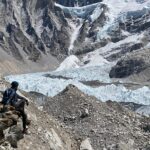
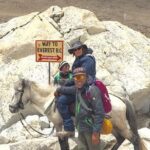
Everest Base Camp and Kala Patthar: the sunrise payoff and the return reality
The classic Everest Base Camp day structure is here: early starts, then Base Camp, then back to your overnight area. The day from Gorakshep is positioned as the hard but satisfying lead-in to what many people think of as the Everest moment.
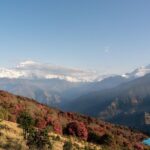
The real show, though, is Kala Patthar at about 5,545m. You’ll hike early morning, and the itinerary frames it as the main destination for sunrise and panoramic views—Everest plus the surrounding Himalayan range, with peaks like Pumori on the list. This is the day where your early start pays off with maximum visibility potential.
And when you return, the route doesn’t let you just coast. You’ll trek down toward Pheriche or Pangboche for the next lodge night. That means the view day is followed by a recovery day in motion, which is honestly how you stay sane on the way back.
Heading down: Tengboche, Hillary Bridge, and a calmer pace
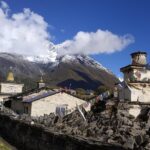
One reason I like this trek’s ending is that it uses your return journey wisely. Leaving Pheriche for Namche, you’ll cross the Hillary Suspension Bridge, then pass through local villages and forests. You’ll also reach old Buddhist Tengboche monastery for a stop on route. That’s a nice contrast to the high-altitude drama: it feels more spiritual, more grounded, and less like you’re chasing the next altitude marker.
The trek down from Pheriche back toward Namche is listed as about 7 to 8 hours and described as easy downhill, with lots of yak and porter traffic. Downhill is easier on the heart, but you’ll still want good shoes and trekking poles if you use them. Your knees will appreciate you later, not at this exact second.
Then you’ll overnight at a lodge in Namche. From there, it’s a return to the Lukla side.
Lukla back to Kathmandu: finishing the loop without rushing
Leaving Namche for Lukla is an easy downhill day, but the itinerary also notes more yak and porter traffic. That traffic matters because it can slow footpaths down and make it feel busier than the quiet mid-mountain sections. Plan to move with the flow and not fight the timing.
Once you reach Lukla, you’re done with the hardest part: your trek loop is complete. You’ll still have to fly back to Kathmandu. The itinerary is candid that it can sometimes be very hard to get flights and that you’re likely waiting with many others, so it’s important to have your reservations handled before you go.
In Kathmandu, you’ll have time to explore and shop for souvenirs for family, then you’ll spend one night before your final drop to the international airport.
Guides, porters, and the kind of support that matters
The advertised team is more than a generic line. The real value shows in how the owner and guides handle the trip, especially around real-world issues like flight delays or minor accidents.
In past trips, I’ve seen the pattern in this company’s reports: Rabin (owner) is described as welcoming and prompt to respond, with a reliable presence from the first arrival to the farewell at the airport. Guides named in those accounts include Dhansingh Gurung, Veer, and Phaul. Porters mentioned include Bale and support from strong porter-guide partners who help with pacing and carrying lighter luggage where needed.
One review-style highlight that’s especially relevant to you: there was an account of a small accident where the guide helped with support all the way to Base Camp and back. I can’t promise that kind of outcome on any trek, but it does tell you the team’s priorities are practical care, not just check-the-box guiding.
And don’t miss the structure: your trekking guide is listed as a government license holder, and the porter arrangement (1 porter for 2 people) is spelled out. That’s the difference between a trek that feels like a logistics test and one that feels like a real journey.
Price and value: what $1,800 buys, and what you should plan for
At $1,800 per person, you’re not just paying for a route map. You’re paying for the bulky parts of a trek that would cost time, stress, and money if you arranged them yourself.
Included highlights:
- Kathmandu transfers and 2 nights hotel with breakfast
- Both-way Lukla flights (Kathmandu to Lukla and back)
- Trek permits including Sagarmatha National Park plus local permits
- Lodge accommodation throughout the trek
- A government-licensed guide
- Porter support at 1 porter for 2 people
- Trek meals: standard meals, plus tea or coffee, and breakfast (listed as 13 breakfasts)
- An adventure certificate after a successful trip
Not included (the stuff that often surprises people):
- Extra meals or extra accommodation in Kathmandu
- Cold drinks like Coke and similar, and mineral water
- Charging for phones and camera devices
- Hot shower
- Helicopter rescue (the itinerary says emergency helicopter service is arranged but paid by your insurance company)
- Tips for guide, porters, and driver
So here’s the practical way to judge value: this price reduces the big moving pieces. If you’d otherwise pay separately for permits, domestic flights, guide, and porter logistics, this package tends to look fair fast. But you should still budget extra for personal drinks, device charging, and tipping.
Practical packing and pace tips for this exact route
The itinerary hints at the realities you’ll feel:
- Warm clothing matters, especially for Dingboche acclimatization and the Kala Patthar period.
- Drink lots of water during acclimatization days.
- Leave early where the route calls for it, especially on the Gorakshep and Kala Patthar days.
Also, remember that hot showers and device charging aren’t included. Lodges vary, but you should plan as if comfort is basic. Bring layers you can adapt with, and treat your trekking poles as optional but smart if your knees get grumpy.
Finally, this trek is described as moderate and challenging with high-pass style trekking context in the broader Nepal offering. Even though your specific plan centers on major classic points like Namche, Dingboche, Gorakshep, Base Camp, and Kala Patthar, your fitness needs to be solid for the long days and altitude.
Should you book this Everest Base Camp trek?
You should strongly consider booking if you want:
- A guided, permit-handled trek with lodge stays and porter support
- A plan with acclimatization days built in where your body needs it
- A team that’s shown it handles real trip variables with care, not just a script
- A package that includes the most expensive and complicated parts: Lukla flights and guiding
You might think twice if:
- You’re very tight on budget for extras (cold drinks, charging, and tips)
- You’re the kind of traveler who gets stressed by possible delays around Lukla weather
My advice: if you’re ready for a structured trek and you want the logistics handled cleanly, this is the kind of Everest Base Camp package that makes sense. Focus on arriving with a patient mindset, pack for cold nights, and take the acclimatization seriously. That’s the recipe for enjoying the mountain instead of only surviving it.
FAQ
What is the total duration of this Everest Base Camp trek?
It runs about 14 days approximately, including time in Kathmandu, trekking days, and the return flights.
Where does the trip start and end?
You start in Kathmandu with an airport pickup, and you end with a drop to the international airport from Kathmandu.
Are Kathmandu hotel nights included?
Yes. You get 2 nights in Kathmandu in standard accommodation with breakfast.
Are domestic flights included?
Yes. Both-way domestic air tickets are included for Kathmandu to Lukla and Lukla to Kathmandu.
Are trekking permits included?
Yes. Sagarmatha National Park permits and local permits are included.
What kind of lodging do I get during the trek?
Accommodation is in lodge or tea houses during the trek.
Is there a guide and porter included?
Yes. A government license holder trekking guide is included, and porter support is included at a ratio of 1 porter for 2 people.
Are meals included on the trek?
Yes. Standard meals are included during the trekking, along with cup of tea or coffee. Breakfast is included for 13 mornings. Meals and extra accommodation in Kathmandu are not included.
What is not included that I should budget for?
Cold drinks such as Coke and similar, mineral water, mobile/camera charging, hot shower, helicopter rescue, and tips for the guide, porters, and driver.
Can I cancel for a refund?
Yes. You can cancel up to 24 hours in advance for a full refund, and cancellations within 24 hours are not refunded.