REVIEW · UBUD
Sidemen Trekking Through Rice Terraces and Villages
Book on Viator →Operated by Sidemen Guide Trekking and Scooter Tour · Bookable on Viator
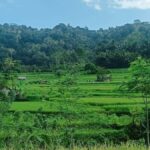
Rice paddies and village life in one easy trek. This short morning walk in Sidemen leads you along irrigation channels toward Mount Agung, with temples, farmers, and classic Bali rice-terrace views along the way. It’s the kind of outing that feels closer to real daily life than a checklist.
Two things I especially like: the chance to learn how the farming system works, including the Subak of Ogang, not just take photos of terraces. And the guide can make it personal and fun—Wayan brings local plant knowledge and a relaxed, talk-with-you vibe that makes the hours fly.
One consideration: depending on the season, you might find some paddies already harvested, which can reduce the “wow, it’s all lush rice” effect.
In This Review
- Key highlights you’ll care about
- Why Sidemen Rice Terraces Feel Different at 7:00 am
- Meeting point, pickup, and how the private trek runs
- Route Walkthrough: market lanes to paddies and the bridge
- Subak of Ogang: the water system behind the views
- Temples, farmers, and the daily rhythm you actually notice
- Wayan’s guide style: fun, practical, and locally rooted
- Getting value for $9.80: short trek, included water, real local context
- Comfort and weather: what to plan for
- Who this Sidemen trek is best for
- Should you book this Sidemen trekking tour?
- FAQ
- How long is the Sidemen trekking experience?
- What time does the trek start?
- Where is the meeting point?
- Is hotel pickup included?
- What’s included in the price?
- Is this tour private?
- Can I get a full refund if my plans change?
Key highlights you’ll care about
- Local guide experience with Wayan and a friendly, conversational style
- Subak of Ogang irrigation system explained as you walk
- Wooden bridge with local traffic (walkers and motorbikes share it)
- Temples and everyday farm work you can actually see up close
- Private tour format so you’re not squeezed into a big group
- About an hour on the trail, with bottled water included
Why Sidemen Rice Terraces Feel Different at 7:00 am
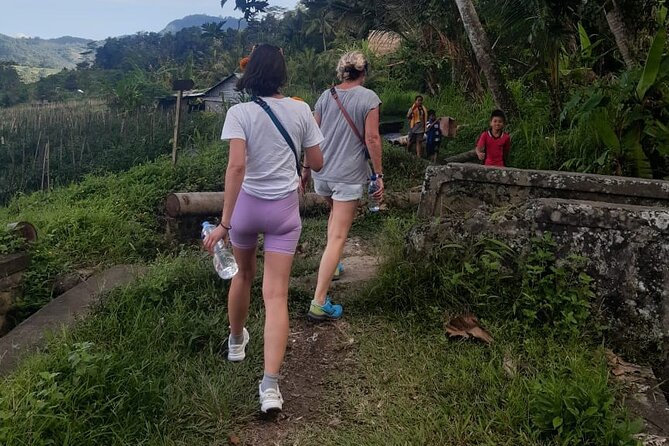
This trek starts early, around 7:00 am, which is a big deal in Bali. Cooler air and softer light mean the paddies look better, and the villages feel less rushed. You’re also walking when farmers tend to be active, so you get more than scenery.
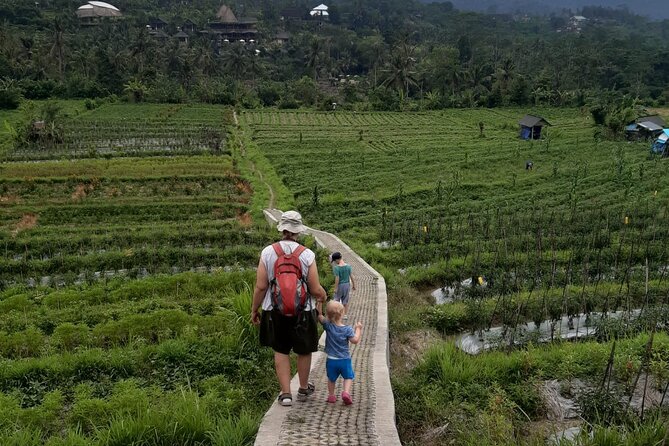
The Sidemen area is famous for terraces, but what makes this outing stand out is the route logic. You’re not just walking around viewpoints. You’re moving with the water—following irrigation channels and crossing a wooden bridge used by locals and motorbikes. That changes the feel from sightseeing to understanding how the system supports daily life.
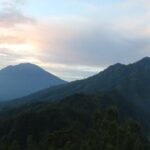
And yes, you’ll likely get glimpses toward Mount Agung depending on weather and sightlines. Even when the mountain is hazy, the walking itself stays worthwhile because the tour is about how people work the land and share it with neighbors.
You can also read our reviews of more tours and experiences in Ubud.
Meeting point, pickup, and how the private trek runs
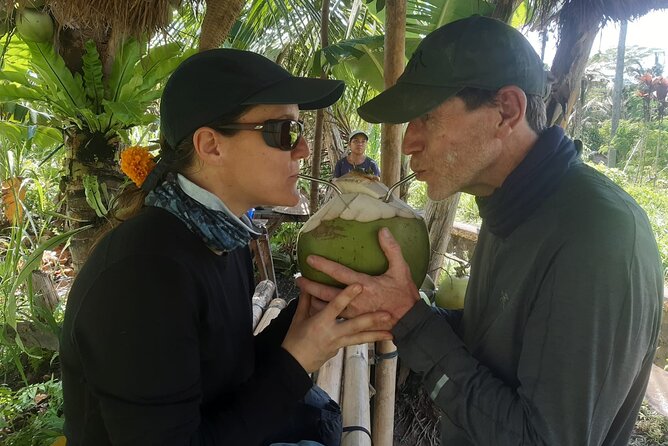
You meet at SIDEMEN RICE TERRACE GCJP+77P, Jl. Sidemen – Sangkan Gn., Sangkan Gn., Kec. Sidemen, Kabupaten Karangasem, Bali 80864. The activity ends back at the same meeting point, so you don’t need to plan a second transfer to get home.
Hotel pickup and drop-off is optional, not automatic. If you want it to be painless, choose pickup. If you’re already in the area or using public transport, you’ll likely find it easier to make your own way to the start. The tour is also listed as private, meaning only your group participates, not a mixed crowd.
Practical bits that matter: you’ll have a mobile ticket, confirmation is provided at booking time, and bottled water is included. Tips are not included, so if you want to show appreciation, plan for that.
Finally, the tour notes say most travelers can participate. One review also mentions it being friendly for a toddler, which suggests the pace and timing are realistic for families, as long as everyone can handle short muddy patches if the weather turns.
Route Walkthrough: market lanes to paddies and the bridge
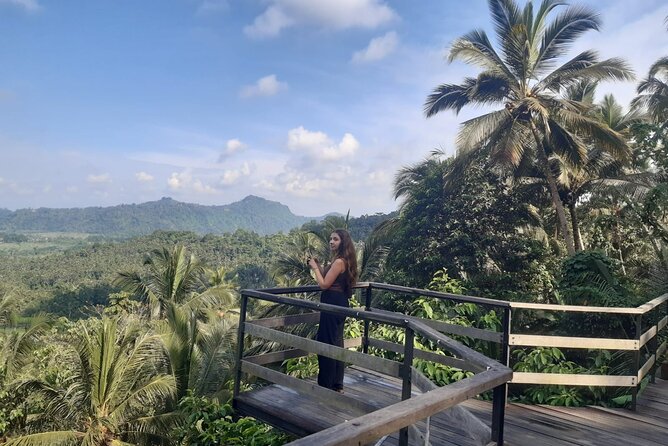
The trek begins near the village center and traditional market zone, then transitions into the rice paddies. That shift is smart. It gives you a sense of where people start their morning before you move into agricultural “in-between” spaces: irrigation edges, small paths, and water channels.
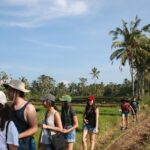
As you walk, you follow irrigation lines and pass through sections of rice fields with irrigation features. At some point you’ll cross a wooden bridge shared by locals and motorbikes. That sounds dramatic, but in practice it means you should go slow and watch your footing. You’re on a working path, not a staged theme-park bridge, so it pays to be present and not rush your steps.
Along the way, you’ll also pass temples and see daily routines in the fields. In Bali, religious spaces often sit close to farmland, so you may spot shrines and temple structures right where people are planting and tending. It adds meaning to the walk: this isn’t just “pretty greenery,” it’s a living landscape tied to daily culture.
The overall time is listed at about 1 hour, so the pace stays active. Think of it as a guided morning circuit, not an all-day hike.
Subak of Ogang: the water system behind the views
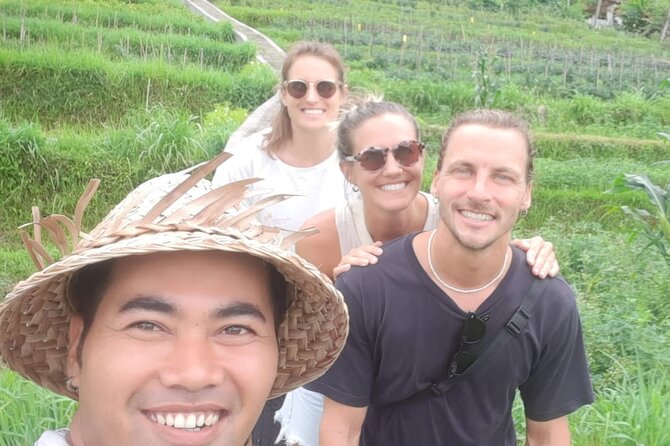
The tour specifically highlights the Subak of Ogang, and that’s the part that makes the experience more than a photo walk. Subak is the traditional community irrigation approach in Bali, where farmers collectively manage water so rice can grow and the system stays fair over time.
On this trek, you’re walking alongside those water routes. When someone points out how channels distribute water and how farmers interact with the system, the terraces stop looking random. You start seeing a practical design: water flows where it needs to go, and people work within that rhythm.
This is also why the experience can feel different at different times of year. If paddies are harvested, you may see more of the infrastructure and less of the thick green rice. The “wow” view might soften, but the understanding of the water logic still lands.
If you enjoy learning while walking, this is a good fit. If you only want lush rice at peak growth, you’ll need to be a little flexible with expectations about timing.
Temples, farmers, and the daily rhythm you actually notice
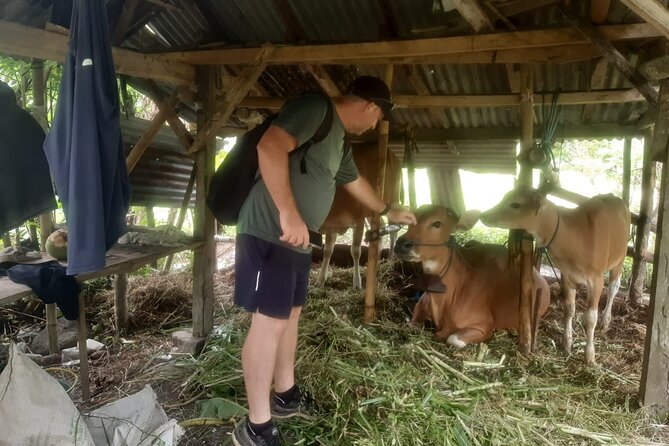
What I like about village treks like this is the steady mix of small scenes. You might see farmers working—plowing, planting, and harvesting—depending on the day and season. You might also notice fruit plants in the area if your guide has time to point them out.
One review specifically praised the way the guide talked through rice culture and also regional plants. That kind of detail turns a simple walk into a “how does this place work” lesson. You end up noticing irrigation channels, field edges, and the way people move through their environment.
You’ll also pass temples, which helps you understand that farming and religion overlap in everyday life. Even when the trek is short, the temple sightings give you context fast. You’re not only looking at terraces; you’re seeing where community beliefs and daily work meet.
There’s also a human side: one review mentions the guide helping with tricky spots after light rain. If you get some wet weather, expect mud in places where paths get slick. It’s not a deal-breaker, but it’s worth wearing shoes that won’t mind being a little dirty.


Wayan’s guide style: fun, practical, and locally rooted
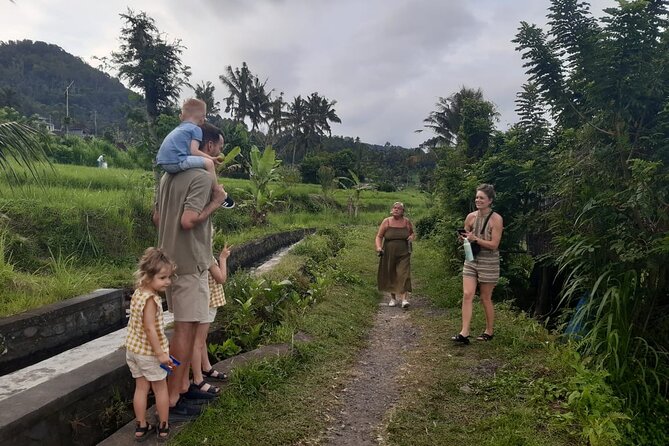
The guide name that comes up again and again is Wayan. The strongest praise is about how he combines knowledge with an easygoing attitude. People describe him as fun and interesting to talk to, not lecturing from a textbook.
What you gain from that style is better attention on the trail. Instead of just “turn here, photo there,” he can explain what you’re seeing: rice farming steps, plant info, and how the village makes use of water routes. One review even mentions him living next to the rice fields, which often means guides can tell real stories tied to what’s happening now.
There’s also a family connection. One review says Wayan offered the chance to eat at his family’s warung for late lunch, and it was described as delicious. This isn’t something you should assume will be part of your exact timing, but it tells you what kind of guide you’re dealing with: local, connected, and willing to share.
If you want a guide who talks while you walk, Wayan seems like a solid choice.
Getting value for $9.80: short trek, included water, real local context
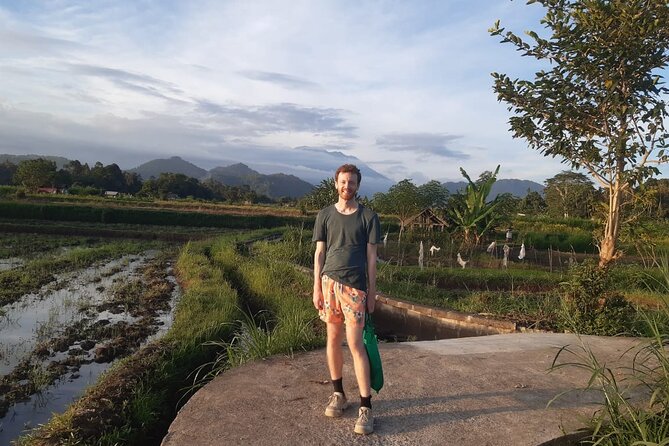
At $9.80 per person, this is priced as a budget-friendly guided morning outing. You’re not paying for a full-day adventure or a multi-stop day tour. You’re paying for a guide, bottled water, and the effort of walking you through rice terraces and village areas with context.
Is it worth it? For many people, yes—especially if you’re staying near Sidemen and want something more meaningful than just a viewpoint. The private format also boosts value. Even at a short duration, a private group means you can ask questions and move at a pace that works for your group.
Also, the inclusion list is simple: guide trekking and bottled water, plus optional hotel pickup. Tips are the one extra cost to plan for. If you like efficient tours that don’t waste time, this fits.
One more value angle: the focus on Subak irrigation and village life makes the experience feel “useful,” not just scenic. You leave knowing what the terraces rely on, not just what they look like.
Comfort and weather: what to plan for
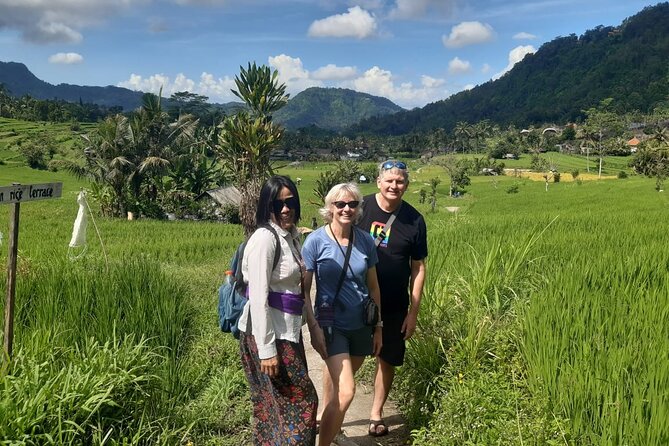
The trek is about 1 hour, but it’s still a countryside walk. Wear shoes with grip. If it has rained recently, expect some damp ground. One review mentions the guide checked that everyone had coats when rain had come before the walk, and helped with muddy or tricky parts. That’s a good sign: you’re not left to figure everything out alone.
A light rain layer is smart if clouds are around. Also, keep your phone protected if you expect wet paths. You’ll likely get photo moments near terraces, irrigation channels, and temples, but the route is on real paths where water might splash up.
If you’re traveling with a toddler or young kids, the short duration helps. Still, bring a calm, patient attitude. This is a walking tour through working farmland paths, not a stroller stroll on paved sidewalks.
Who this Sidemen trek is best for
This works especially well if you:
- Want rice terraces with context (Subak irrigation and daily farm routines), not only views
- Prefer a short morning activity that fits into a longer Bali itinerary
- Like asking questions while walking, and want a guide who shares local details
- Are traveling as a small group and want the private experience
It may be less ideal if you’re arriving with a strict expectation that every section will be lush green rice. One disappointment mentioned was that many fields were already harvested, which removed the main reason they booked. If that would bother you a lot, go in with flexibility and focus on the farming system and village life angle.
Should you book this Sidemen trekking tour?
I’d book it if you’re excited by the idea of learning how Balinese rice farming actually works, and you want a guided walk that fits into a half-day rhythm. The combination of Subak of Ogang, temple passing, and a guide like Wayan who explains things in a friendly, practical way is exactly the kind of value that makes a short tour memorable.
I’d think twice if peak-season green rice is your one non-negotiable. In that case, the season matters, and you might see less “full terrace magic” than you hoped.
For most people, though, the trade-off is fair: even when some paddies are not at their most lush, you’ll still come away with a clearer picture of how the terraces function, who depends on the water, and how village life continues alongside the scenery.
FAQ
How long is the Sidemen trekking experience?
The duration is listed as about 1 hour.
What time does the trek start?
The start time is 7:00 am.
Where is the meeting point?
The meeting point is SIDEMEN RICE TERRACE GCJP+77P, Jl. Sidemen – Sangkan Gn., Sangkan Gn., Kec. Sidemen, Kabupaten Karangasem, Bali 80864, Indonesia.
Is hotel pickup included?
Hotel pickup and drop-off is optional, not automatically included.
What’s included in the price?
It includes bottled water and a trekking guide. Pickup is optional depending on your selection.
Is this tour private?
Yes. It’s listed as a private tour/activity, so only your group participates.
Can I get a full refund if my plans change?
Yes. You can cancel for a full refund if you cancel at least 24 hours before the experience’s start time.