REVIEW · MOSHI
7-Day Kilimanjaro Trekking Tour via Machame Route
Book on Viator →Operated by Kilimanjaro Heroes Adventures · Bookable on Viator
Kilimanjaro via Machame is a real test of patience. You start in Moshi and work your way through rainforest, high moorland, and alpine desert, ending with the early-morning summit push. The Machame route is known for big camp character too, from Shira Camp sunset to Barranco Camp stargazing.
I especially like how this itinerary builds in clear acclimatization logic. You get that shorter, “climb higher, sleep nearly the same” day before the summit effort, plus the pacing stays human and practical with plenty of time to move at your own rate. I also love the support vibe: a private setup, with porters who handle a lot of your gear, and a team culture that shows up in how camp life runs.
The main drawback is simple: Machame is more demanding than some other routes. Expect steeper ups and downs, long trekking days, and that midnight wake-up for Uhuru Peak. If you’re on the edge physically, you’ll need to prepare for the cold, the altitude, and the fact that you’ll be walking a lot even when you feel slow.
In This Review
- Key things to know before you go
- Moshi start: airport pickup and the calm before the climb
- Day-by-day Machame route: what the trek feels like each day
- Day 1: Moshi arrival and briefing at Keys Hotel
- Day 2: Moshi to Machame Camp through rainforest
- Day 3: Shira Plateau day with dramatic vegetation change
- Day 4: Acclimatization logic from Shira to Lava Tower and down to Barranco
- Day 5: Barranco Wall to Karanga Valley and onward to Barafu
- Day 6: Midnight start to Stella Point and Uhuru Peak
- Day 7: Mweka Gate, rainforest walk, and your certificate
- Who you’ll be with: private tour, real team support
- Value and price: what $2,850 buys you on Machame
- What to pack and how to prep without overthinking it
- Who should book this Machame 7-day trek
- Should you book this Machame 7-day trek?
- FAQ
- Where does the tour start and what time?
- How long is the Machame 7-day trek?
- Is pickup included?
- Is the tour private?
- Do you need a midnight start for the summit?
- Is free cancellation available?
Key things to know before you go
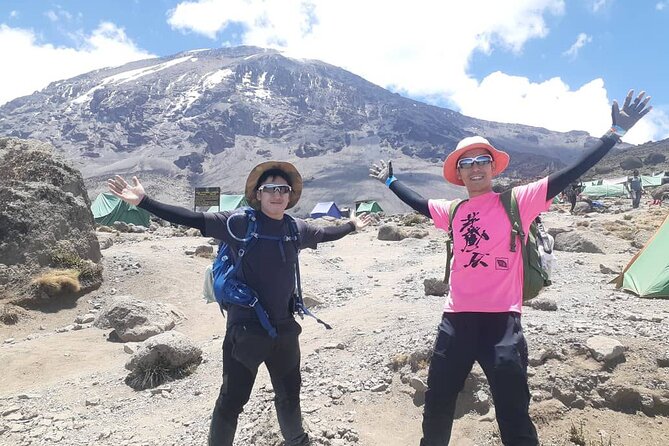
- Machame’s camp moments: Shira sunsets and Barranco night skies are part of the point
- A planned acclimatization day: you climb roughly 700m but sleep only slightly higher
- Barranco Wall is hands-on: you’ll use hands and feet on a secured, safety-first section
- Midnight tea and headlamps: the summit starts in the dark with slow, steady pacing
- Porters handle most gear: you carry a daypack while others manage much of the load
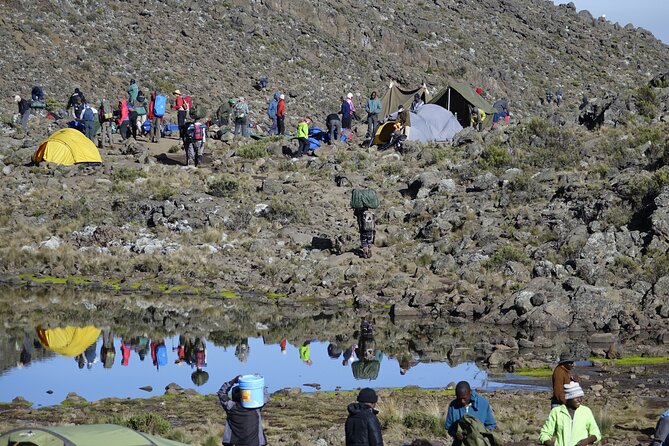
- Camp meals and setup: you eat well, often in a separate dining tent with table and chairs
Moshi start: airport pickup and the calm before the climb
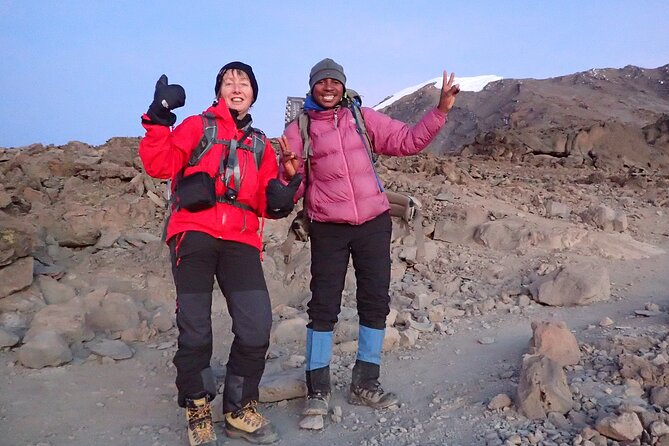
Your trip begins in Moshi, Tanzania, with a driver meeting you after you arrive at Kilimanjaro International Airport (JRO). The plan then takes you to Keys Hotel for a briefing and overnight rest. This early “get organized” time matters more than most people think. Kilimanjaro runs on small logistics: gear checks, understanding what you’ll do each day, and feeling calm before altitude gets to work on your body.
The tour start is set for 8:00 am at the airport area, so build your travel day around that. If your flight lands late or you’re stuck in transit, you can end up stressed before you even step onto the mountain. A real benefit of having the pickup and briefing built in is that you don’t spend day one guessing what comes next.
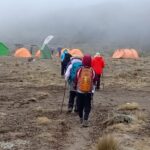
Also note the rhythm of the support: you’ll see how the mountain crew prepares and loads supplies, which is fascinating in itself. It’s a reminder that your climb is part teamwork, not just endurance.
You can also read our reviews of more tours and experiences in Moshi.
Day-by-day Machame route: what the trek feels like each day
Machame’s itinerary has a pattern you can plan your mindset around: move from forest into higher vegetation zones, gradually increase altitude, and then hit a big summit day after a couple of “prep” stages. Here’s what to expect in plain terms.
Day 1: Moshi arrival and briefing at Keys Hotel
Day one is about setting your gear, understanding your routine, and sleeping in a normal bed. You’ll meet your driver, get briefed, and overnight in Moshi at Keys Hotel. It’s not about hiking today, so you can focus on basics: settle your packing system, charge devices, and double-check cold-weather layers for later nights.
If you tend to be the type who overpacks, this is your moment to be realistic. On Kilimanjaro you’ll move for hours each day, so lighter wins. Still, you want enough layers to stay warm when temperatures drop fast at altitude.
Day 2: Moshi to Machame Camp through rainforest
After breakfast, you head to the Kilimanjaro National Park gate, about a 1-hour drive from Keys Hotel. Then you begin your climb toward Machame Camp, typically reached in 5 to 6 hours.
This day is your “let’s get moving” introduction. You’ll start seeing the rainforest change as you climb. It’s greener, cooler, and often slower under the canopy. The air feels different, and your pace matters more than speed.
The pacing here is also your first lesson in how Machame runs: it’s not just about distance; it’s about managing effort as the altitude starts to nudge you. You’ll likely notice that breathing feels a little heavier even before you reach the highest zones.
Day 3: Shira Plateau day with dramatic vegetation change
Today is shorter than day two, usually around 6 hours, and you’ll reach camp at the Shira Plateau area by mid-afternoon. Expect the vegetation to shift from lush rainforest into moor and heath land. The change isn’t subtle. One day you’re in greenery; the next you’re seeing wide open, higher terrain.
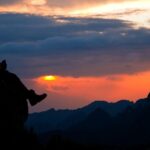
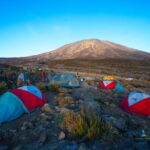
This is also when the mountain starts to feel cinematic. The overview highlights that the glacier of Kibo lights up as the sun sets, and Shira Camp sunsets are famous for a reason: light hits the peaks from an angle that makes everything look sharper, brighter, and colder.
Practical tip: this is a great day to keep your energy balanced. You want to enjoy the scenery, but don’t burn yourself out taking too many slow stops.
Day 4: Acclimatization logic from Shira to Lava Tower and down to Barranco
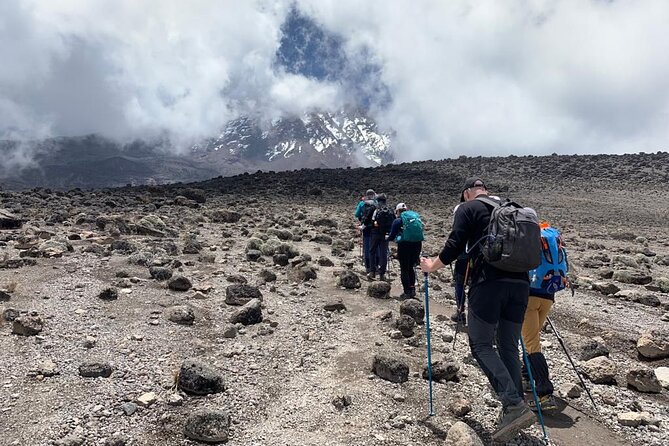
Day four is where the body gets a clue. You’ll climb to around Lava Tower (about 4,640m), rest, then continue through Barranco Valley to Barranco Camp. The trek is about 6 to 7 hours.
What stands out is the acclimatization setup: you climb roughly 700m, but you sleep on a level not much higher than the night before. That’s the kind of planning that can make altitude feel less punishing, because your body gets time to adjust without jumping too much overnight.
You’ll also notice the terrain shifts again. The description points to alpine desert character and plant life like lobelia and giant senecio. This day tends to feel like steady work with fewer “dramatic” moments until you reach camp.
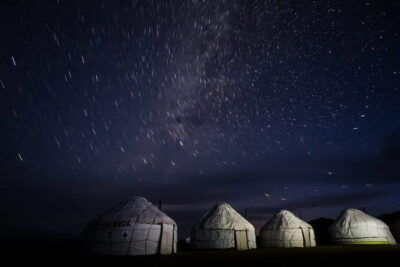
And yes, Barranco Camp earns its reputation. The overview calls out breath-taking stargazing, and night at altitude can be one of the clearest, most detailed sky experiences you’ll get in your life.
Day 5: Barranco Wall to Karanga Valley and onward to Barafu
Day five is longer, roughly 8 hours, and it’s one of the most memorable days for the right reason: the route includes scaling the Barranco Wall.
You’ll use hands and feet, and safety is emphasized. If you need securing, you’ll be assisted. It looks more intimidating than it feels once you’re actually moving, but you should still take it seriously. This is the day to focus on foot placement and calm breathing.
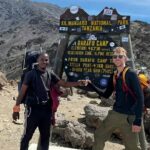
After that, the trail includes up and down sections, some stream crossings, and stops for lunch in the Karanga Valley. Then you continue with a few more hours of climb before reaching Barafu Camp (around 4,640m).
At Barafu, your priority changes. The instructions are clear: drink plenty of fluids, try to eat, and go to bed early. For summit day to work, you want energy and hydration stored, not lost to anxiety or stomach discomfort.
Day 6: Midnight start to Stella Point and Uhuru Peak
This is the day you train for mentally even if you’re strong physically. You’ll be woken in the midnight hours with tea and a biscuit. Then you dress warmly, pack your daypack, and head out with a headlight.
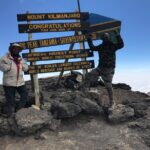
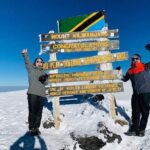
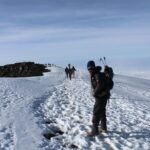
You’ll trek for about 5 to 7 hours at a slow pace, described as pole pole, to reach the rim of the crater at Stella Point. Then it’s another 1 to 2 hours along the crater edge to the summit: Uhuru Peak (5,895m).
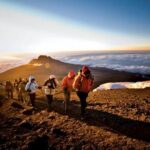
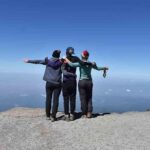
The emotion of summit morning comes from the timing. You’ll look down over the surrounding area in early morning light, and the whole experience is framed as reaching the Roof of Africa.
Descent is described as easier but dusty, with volcanic ash that behaves differently after it warms up. That detail matters because your footing can feel strange. Even if your legs are tired, keep moving carefully.
You return to Barafu Camp, which sets you up to rest and avoid the common mistake of trying to do too much too soon.
Day 7: Mweka Gate, rainforest walk, and your certificate
After breakfast, you start with a traditional farewell ceremony from the mountain crew. That moment is more than ritual. It’s a chance to connect what you did on the mountain to the team that made it possible: guides, cooks, porters, and support staff.
Then you walk about 2 to 3 hours through the rainforest to Mweka gate. Your driver meets you there and transfers you back to Keys Hotel for a shower, cold drink, debrief, and the awarding of your certificate of achievement. The rest of the day is for recovery and reflection.
If you’re wondering what to do with your energy on day seven: keep it simple. Hydrate, eat something easy, and let your body come down from altitude the right way.
Who you’ll be with: private tour, real team support
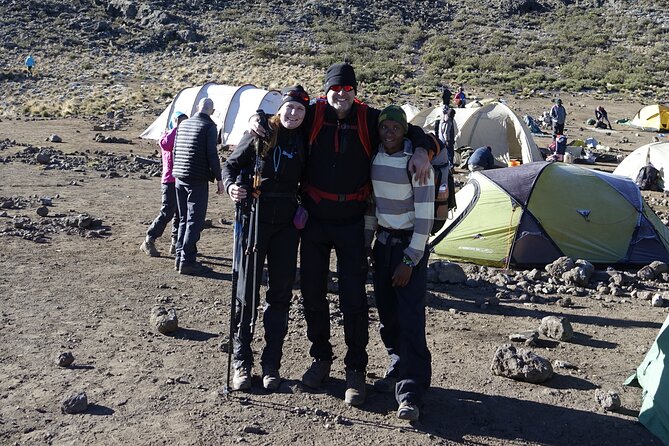
This is listed as a private tour/activity, meaning it’s only your group. That matters because Kilimanjaro can feel crowded when you’re moving slowly. Private can give you more control over pacing and camp time.
In practice, one review mentioned a private group of 19 people. So private doesn’t automatically mean small. It means you won’t mix into other groups, but your group could still be larger depending on how many people book together.
The support team is a big deal here. Multiple reviews name guides and crew members, including Mwinyi (guide), Kelvin and Gloria (support guides), plus cooks such as Salum (sometimes written as Salon). You’ll also see names like David, James, Maulid, Ombeni, Prosper, Amiri, and others. The consistent theme is attentive guidance and a sense of safety and readiness.
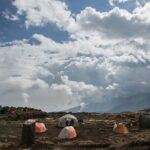
You’ll also notice the camp system: you have porters carrying not just food but most of your gear, while you focus on your daypack. That changes the entire feel of a summit climb because the weight on your back is one less enemy.
One review also mentioned a separate dining tent with table and chairs, and that meals can be multi-course and substantial. That kind of camp comfort is not a luxury here; it helps you actually eat and recover.
Value and price: what $2,850 buys you on Machame
At $2,850 per person, this isn’t a budget trek. But Kilimanjaro is expensive for a reason: logistics, staffing, park access, and the fact that you’re traveling through protected zones that require formal entry and structured support.
Here’s what your money is doing, based on what’s included in the plan:
- Pickup and transfers (arrival to Keys Hotel, and return after Mweka)
- Mobile ticket
- Park admission tickets included for the trekking days
- A private group setup
- A full mountain support crew experience, including guidance, cooking, and porter support
The best way to judge value is not just the total cost. It’s the trade-off between comfort and control. A well-run private Machame trek can help you keep your schedule, eat properly, sleep as best you can at altitude, and move with less gear load on your body.
If you’re comparing operators, look closely at what’s actually included. Here, the plan clearly includes park access fees and the core support structure you need for a Machame route.
What to pack and how to prep without overthinking it
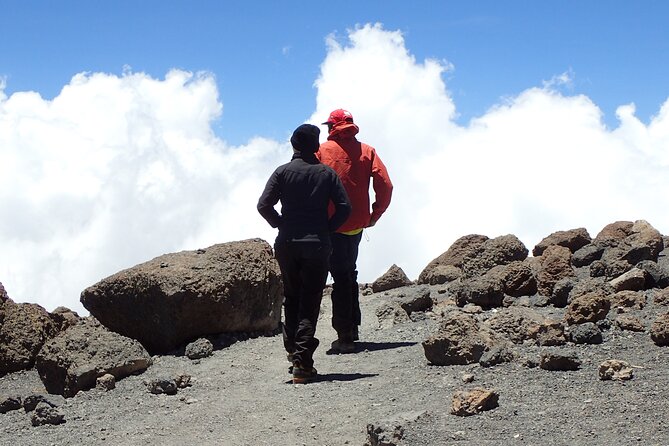
The itinerary tells you you’ll face cold nights and a midnight summit start, so pack for warmth and movement. You’ll likely appreciate gear that keeps your core warm even when you’re waiting briefly. And since you’ll be trekking long days, you’ll want your daypack to be manageable.
Because you’re not carrying everything yourself, use that to your advantage. Bring what you’ll truly need at altitude and leave behind the “just in case” items that weigh you down.
Also think about food and hydration. The plan specifically encourages fluids and eating before summit day. That’s not a motivational line; it’s how you get through hours of slow uphill work at high altitude.
Who should book this Machame 7-day trek
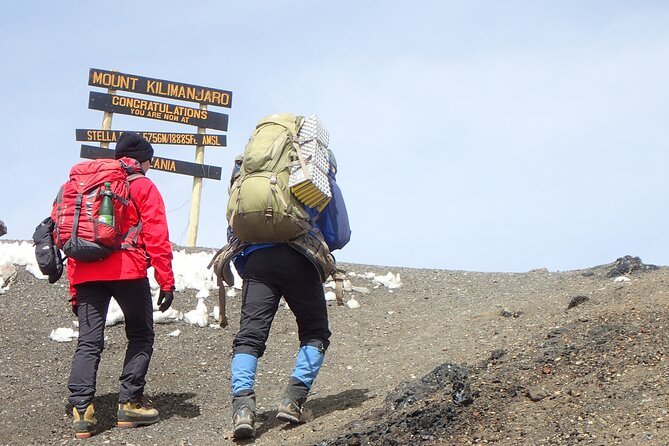
This trek is a great fit if you:
- Want the Machame experience for its camp character, including Shira sunset and Barranco stargazing
- Are comfortable with a more challenging route and longer days, including hands-on terrain at Barranco Wall
- Have moderate physical fitness and can commit to a slow, steady pace
- Prefer a private group setting with strong team support
It may be less ideal if you:
- Know you struggle with very early or midnight starts
- Are likely to panic when breathing feels harder than usual
- Don’t have a training routine that includes long walking time
Should you book this Machame 7-day trek?
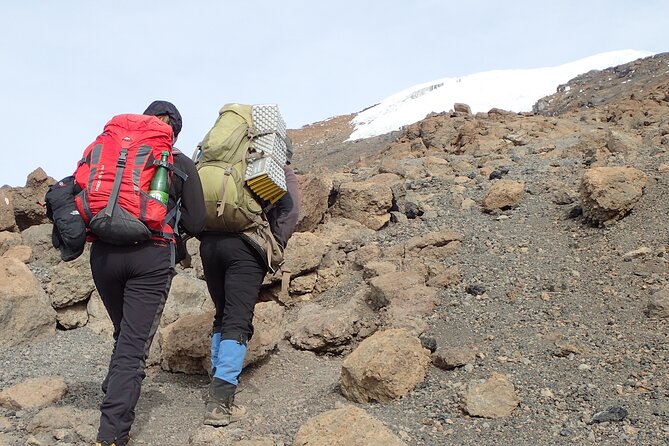
If you want Kilimanjaro with a route that delivers strong camp moments and a summit attempt that’s structured around steady altitude management, I think this is a good choice. The plan’s biggest strength is the balance: you get a dedicated acclimatization day, realistic pacing (including pole pole on summit night), and clear summit-day instructions like hydration, eating, and early sleep before the big push.
Book it if Machame sounds like your kind of challenge. I’d hesitate only if you know you need a gentler route or you’re not prepared for the midnight wake-up and long trekking days. If you can handle that, you’re setting yourself up for one of the most satisfying “I did it” experiences in Africa.
FAQ
Where does the tour start and what time?
The start point is Kilimanjaro Airport (JRO area), with a listed start time of 8:00 am.
How long is the Machame 7-day trek?
It’s a 7-day trekking tour, with day hikes totaling varying hours each day (for example, about 5–6 hours on day two and longer summit-related hours on day six).
Is pickup included?
Yes. A driver meets you on arrival to transfer you to Keys Hotel in Moshi, and later your driver returns you after finishing at Mweka gate.
Is the tour private?
Yes. It’s listed as a private tour/activity, meaning only your group participates.
Do you need a midnight start for the summit?
Yes. On day six, you’re woken in the midnight hours with tea and a biscuit, then you trek with a headlight toward Stella Point and Uhuru Peak.
Is free cancellation available?
Yes. You can cancel for a full refund up to 24 hours in advance of the experience start time. Cancellation within 24 hours does not receive a refund.