REVIEW · MOSHI
8 Day Mount Kilimanjaro Trekking Lemosho Route
Book on Viator →Operated by Afrishare Trekking and Safaris · Bookable on Viator
Kilimanjaro has a way of getting into your head. This 8-day Lemosho Route aims for a smoother climb with extra acclimatization time, a scenic approach via the Shira Plateau, and a summit plan that gives you the best shot at feeling strong at sunrise.
What I like most is the focus on pacing and recovery, plus the route’s quieter feel on the way up. You also get real support built into the schedule: meals are handled, park access is included, and the trek uses a smart mix of long days and “wait, we’re going high… then we come down” moments.
The main drawback to keep in mind is the summit night. The push starts around midnight to 2 am, and even fit people can find the steep scree and the mental pressure a lot.
In This Review
- Key highlights on the Lemosho Route
- Why the Lemosho Route is a smart bet for altitude
- Day 1: Moshi to Lemosho Glades and the Mti Mkubwa campsite
- Day 2: Shira Ridge and settling into Shira 1 (moorland change)
- Day 3: Shira 2 camp and an acclimatization day that does more than sit
- Day 4: Lava Tower (Shark’s Tooth) and the Barranco Camp reset
- Day 5: Barranco Wall, Karanga Valley, and joining the Mweka Trail path
- Day 6: Barafu Camp rest and summit readiness
- Day 7: Midnight summit attempt, Stella Point sunrise, then Uhuru Peak
- Day 8: Descent to Mweka Gate, summit certificates, and the ride back to Moshi
- Price and value: what $2,250 covers and what it doesn’t
- Who should book this trek, and who should think twice
- Should you book the 8-Day Lemosho Route?
- FAQ
- How long is the Kilimanjaro Lemosho trek?
- Where does the trek start and end?
- Is pickup included?
- What meals are included?
- Are park fees and tickets included?
- Is there an armed ranger involved on the trek?
- What should I bring since trekking gear is not included?
- Is there free cancellation?
Key highlights on the Lemosho Route
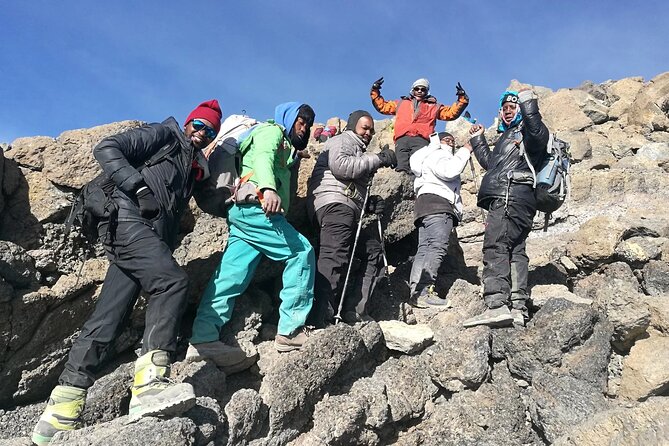
- Best-acclimatization style on Kilimanjaro with extra days on the plateau and rest before summit day
- Quieter approach via Shira Plateau on a less-used route that still feels scenic and varied
- Wildlife-aware start with a chance your group is accompanied by an armed ranger on day one
- Lava Tower day and Barranco focus help your body adjust while keeping the views serious
- Midnight summit timing for sunrise at Stella Point and then the walk to Uhuru Peak
- Practical end to the trek with descent to Mweka Gate and a drive back to Moshi
Why the Lemosho Route is a smart bet for altitude
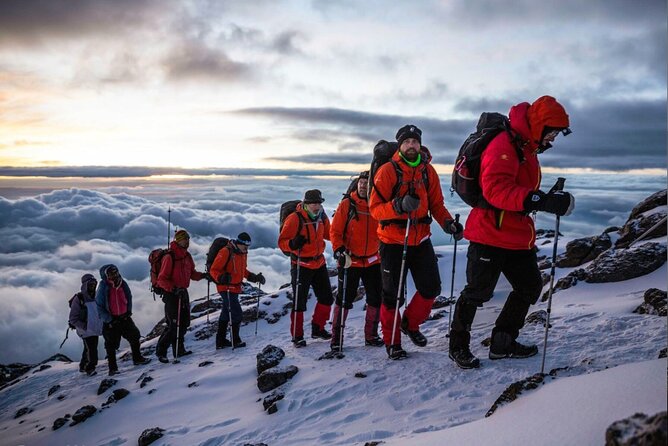
If altitude sickness is your fear, Lemosho’s structure is the reason people choose it. This plan spreads climbing over more days, so you get extra chances to adjust before you go for the big height. That matters because your body doesn’t just need time at altitude. It needs time at altitude and then time to recover.
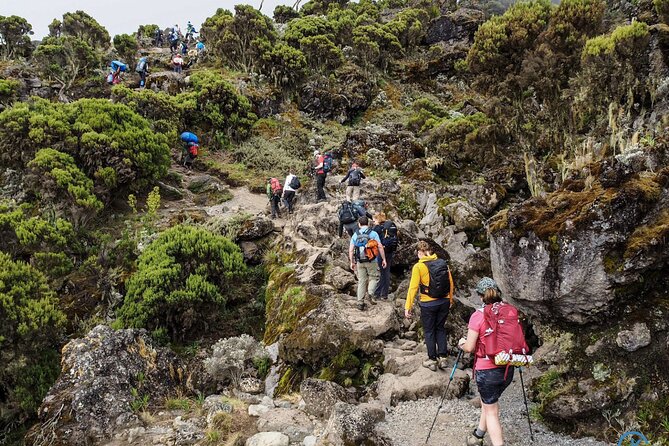
The route also uses the landscape like a training plan. You’ll climb into forest, then shift into heather moorland, then move through moorland meadows and semi-desert. Each zone feels different underfoot, and that variety helps you keep your effort steady instead of grinding through the same kind of trail all week.
One more practical point: Lemosho is described as less used. That can mean a calmer rhythm. On Kilimanjaro, your pacing matters more than anything else, and having fewer distractions can help you stay focused on breathing, drinking water, and resting when you get the chance.
You can also read our reviews of more tours and experiences in Moshi.
Day 1: Moshi to Lemosho Glades and the Mti Mkubwa campsite
You start from Moshi and head to the Lemosho Park Gate. From there, you’ll go along a forest track that needs 4WD, which sets the stage for a trek that begins away from the noise.
The hike itself starts in montane forest. You begin around 1,830 m (6,000 ft) and climb toward 2,650 m (8,700 ft) over about 6 km (4 mi). The distance is short on paper, but it’s a real first-day feel because the trail is in forest, and the first altitude shift is never just “routine.”
The stop that anchors the day is Mti Mkubwa, meaning big tree. Campsites named like that usually come from a real landmark, and it gives day one a sense of arrival. The hiking time listed is 2 to 5 hours, so you should go out of the gate controlled, not sprinting. Your body is still reading the room.
If your group is among those accompanied by an armed ranger on the first day, it’s because this area is said to be home to wildlife like buffalo and elephants, plus other animals. You don’t need to panic. You just do the smart thing: keep to the route, follow crew directions, and treat this as a nature trek, not a stroll.
Day 2: Shira Ridge and settling into Shira 1 (moorland change)
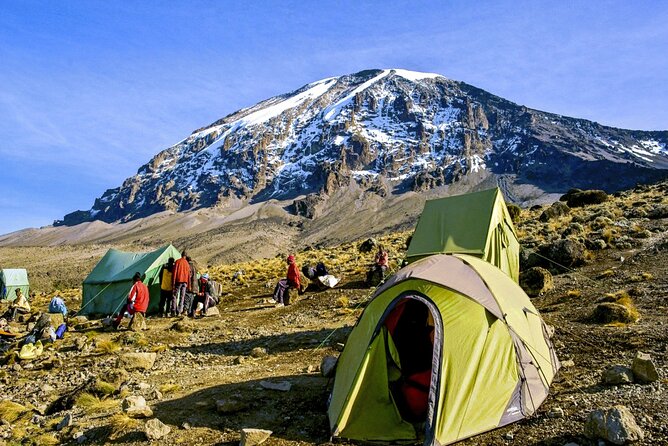
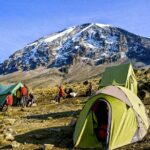
Day two is where the scenery starts telling you you’re going higher. After breakfast, the trail gradually steepens and transitions into giant heather moorland. You’ll cross several streams, then continue over the Shira Ridge before descending gently to Shira 1 camp, located by a stream on the plateau.
This day jumps from 2,650 m (8,700 ft) up to about 3,500 m (11,500 ft), covering 8 km (5 mi) in roughly 4 to 5 hours. That mix of climbing and then gentler downward movement is a key part of the acclimatization idea. Your lungs get challenged, then you don’t end the day at maximum effort.
The habitat shift is also worth paying attention to. Moors feel colder and windier than forest. Even if you don’t notice at first, you often feel it more later. This is why the schedule’s balanced pacing is helpful: you can get used to the changing air without exhausting yourself.
Meals are included (breakfast, lunch, dinner), which is more important than it sounds. When you’re at altitude, a consistent eating plan helps you keep energy for the next climb and avoids the low-fuel crash that makes people ignore their own limits.
Day 3: Shira 2 camp and an acclimatization day that does more than sit
Day three is another plateau day, and it’s built as an acclimatization day rather than a “stack miles” day. You hike across the plateau to reach Shira 2 camp on moorland meadows by a stream.
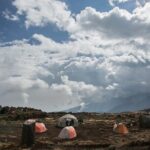
You’ll climb from 3,500 m (11,500 ft) to about 3,850 m (12,600 ft), again around 8 km (5 mi) and about 4 to 5 hours. This is where the Lemosho approach earns its reputation. You’re going higher, but you’re not turning it into a suffer-fest. The plan specifically notes that there are varied hikes available on the Plateau, so you can adjust your effort to how you feel.
This matters for two reasons. First, it lets you acclimatize without forcing a single “one size fits all” routine. Second, it helps you practice how you’ll behave on summit night: pace, short rests, and steady movement.
If you’re the kind of person who likes control, this day gives it to you. You get movement and options, not just a long, uniform slog.
Day 4: Lava Tower (Shark’s Tooth) and the Barranco Camp reset
Day four is a turning point. You leave the Shira Plateau and head east up a ridge. Along the way you pass a junction toward Kibo, but then your direction changes south east toward Lava Tower, often called the Shark’s Tooth at about 4,650 m (15,250 ft).
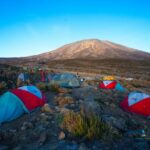
After that landmark, you come near a junction for the Arrow Glacier route, then you continue down to Barranco Camp. The day ends at about 4,000 m (13,000 ft), even though you reach higher on the way. That up-then-down pattern is classic for altitude acclimatization: you challenge your body, then reduce strain by moving to a slightly lower camp.
The distance is about 8 km (5 mi) with 5 to 6 hours of walking. The habitat is listed as semi-desert, and that detail matters for how your body feels. Semi-desert routes often mean less cover, more sun and wind, and a trail that can feel dry and exposed.
You’ll also notice how the day is framed. Even though you end near the starting elevation range, it’s considered important for acclimatization. Translation: you’re not just “passing time.” You’re preparing your system for what comes next, especially the steep sections that follow.
Day 5: Barranco Wall, Karanga Valley, and joining the Mweka Trail path
Day five continues the South Circuit feel. You leave Barranco and climb the Barranco Wall, then head into the Karanga Valley and to the junction that connects with the Mweka Trail.
This is one of those days that can feel harder than its numbers. You’ll start around 4,000 m (13,000 ft) and finish around 4,050 m (13,250 ft). The distance is 5 km (3 mi) with a 3 to 5 hour climb. Short distance, serious effort.
The habitat shifts to alpine desert, which usually means colder air and a more barren walking surface. On a ridge day, wind can steal your energy even when the temperature isn’t shocking.
The advantage of having this kind of effort on day five is that it’s not right at summit time. You’ve already had multiple acclimatization chances. So the climb is tough, but it’s timed. That balance is the point of this 8-day version of the trek.
Day 6: Barafu Camp rest and summit readiness
Day six is about positioning you for summit day. You continue up to Barafu Camp, finishing around 4,700 m (15,350 ft). The hiking distance is about 4 km (2 mi) and the climbing time is listed at 3 to 4 hours.
That might look easy compared to earlier days, but Barafu is where your body is thinking in two modes: recovery and preparation. You rest, eat dinner, and get ready mentally for a midnight departure.
This is also the day that locks in the route’s “extra days” value. The schedule gives you time to be at altitude repeatedly, then you arrive at Barafu ready to sleep and refuel instead of arriving wrecked.
If you want one takeaway for planning: treat this day like a camp day, not a bonus hike. Your payoff is on day seven.
Day 7: Midnight summit attempt, Stella Point sunrise, then Uhuru Peak
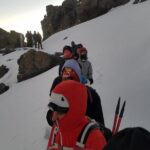
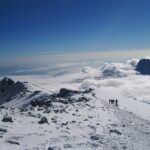
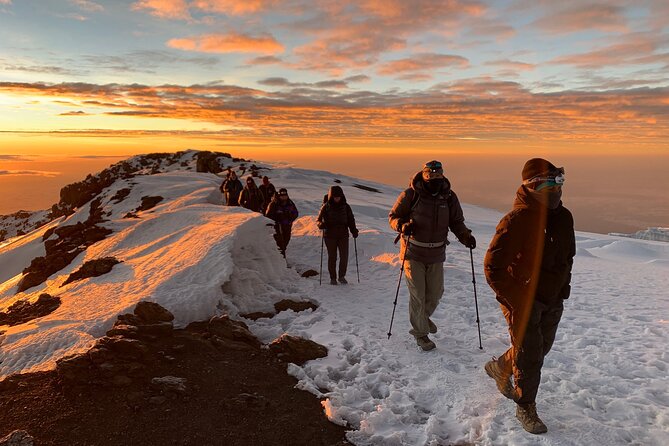
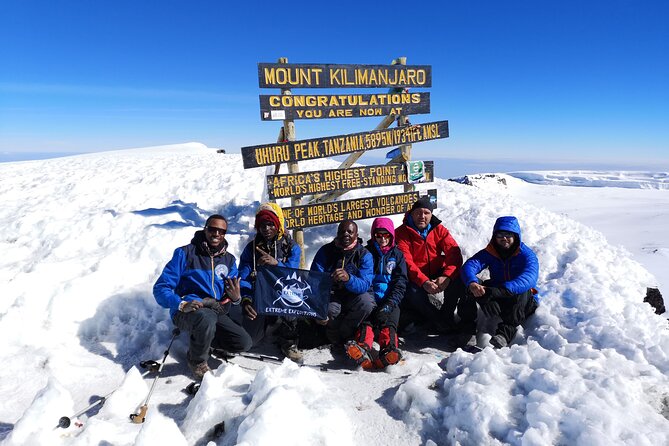
Day seven is the classic Kilimanjaro summit night. You start very early, between midnight and 2 am, moving between the Rebmann and Ratzel glaciers. The route heads in a northwesterly direction, ascending through heavy scree toward Stella Point on the crater rim.
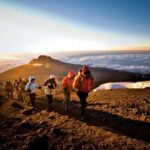
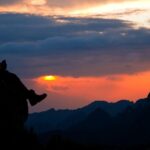
This is the most mentally and physically challenging stretch. It’s also where the plan earns its legend. At Stella Point, you stop briefly. Then you’re rewarded with one of the most famous moments of the trip: sunrise. Faster hikers may see it from the summit, but the key is that the schedule is built around getting you there in time.
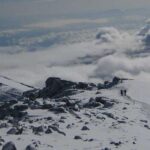
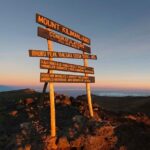
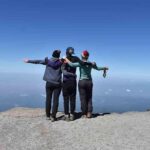
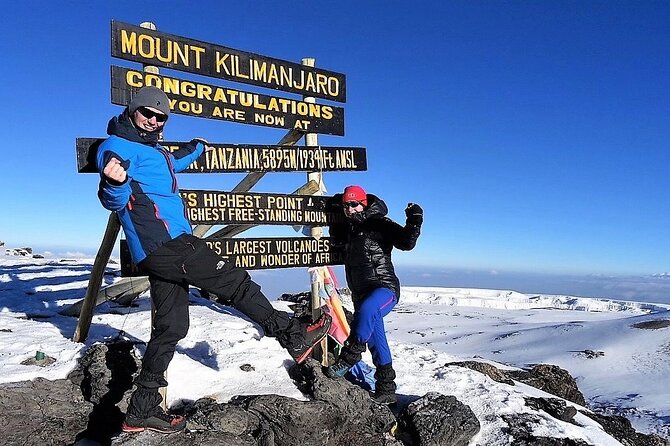
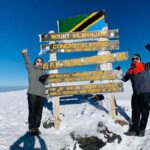
From Stella Point, your final push is listed as about 1 hour to Uhuru Peak. Snow may be present all the way on the ascent, depending on conditions. Once you reach Uhuru Peak, you’ve reached the highest point on Mount Kilimanjaro and the continent of Africa.
Then comes descent. The itinerary notes a descent continuing straight down to the Mweka area after the summit. This is where a lot of people feel the strain flip from legs to balance and knees. If you’re prone to cramping, this is your cue to be conservative and steady, even when you feel energized from success.
Day 8: Descent to Mweka Gate, summit certificates, and the ride back to Moshi
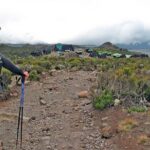
Day eight is your finish line and your reset. After breakfast, you descend to Mweka Park Gate to receive your summit certificates. It can be wet and muddy at lower elevations, so the trek specifically calls out that gaiters and trekking poles help a lot.
You’ll walk from about 3,090 m (10,150 ft) down to roughly 1,680 m (5,500 ft) over 10 km (6 mi) in 3 to 5 hours. The habitat becomes forest, so you get more cover, which can make the last day feel more comfortable.
Dress-wise, the plan suggests shorts and t-shirts are often enough at lower elevations, but keep rain gear and warmer clothing handy. That’s a practical advice combo for Kilimanjaro: sunny hours and sudden weather can both happen.
At Mweka Gate, a vehicle from Monkey Adventures waits to take you back to your hotel in Moshi, about 60 minutes.
Price and value: what $2,250 covers and what it doesn’t
At $2,250 per person, this is not a budget trek. But it’s also not just “someone points you at a trail” pricing. What you’re paying for is the built-in structure: all fees and taxes, meals across the trek, and access support that shows up as included “admission ticket” coverage each day.
Meals are included in a clear way: breakfast (7), lunch (8), and dinner (7). That kind of coverage matters on a high-altitude trek because it removes one major stressor. You don’t want to spend summit-week thinking about food logistics or worrying you won’t have calories when you need them.
Also included: breakfast, lunch, dinner, plus “All Fees and Taxes,” and you get a mobile ticket and pickup offered. You’ll also have end-of-trek transport by vehicle back to Moshi.
What isn’t included is just as important:
- Accommodation before and after the trek
- Personal trekking gear
- Personal expenses and alcohol
- Tipping for the crew
One more value note: the route’s design is explicitly tied to acclimatization. If you’re choosing between shorter, faster schedules and this 8-day plan, you’re paying for more time to adjust. For many people, that time is the difference between feeling in control and feeling punished by altitude.
And based on the operator behind this experience, you can also expect service-minded guiding. In their safari work, names like Karim and Leokadia show up in positive feedback for friendliness and effort to make wildlife sightings work. That doesn’t guarantee your Kilimanjaro guide is the same person, but it does suggest the company cares about customer experience, not just checklists.
Who should book this trek, and who should think twice
This trek fits you best if you want an acclimatization-focused plan and you’re okay with a real summit night. If you’re aiming for higher odds, the 8-day timing, multiple plateau days, and the “rest before summit” setup are exactly what you’re looking for.
You should think twice if you strongly dislike early starts or if you know you struggle with steep scree walking. Day seven is not a gentle stroll, and it’s not designed for people who want comfort over effort. You’re also told the route operates in all weather conditions, which means you need to be ready to dress and walk appropriately.
On the other hand, you might love this if you appreciate route variety and wildlife-aware planning. The chance of an armed ranger on day one, combined with forest walking and then moorland and semi-desert shifts, makes this feel like a full mountain journey rather than a straight line to the summit.
Also, this is a private tour/activity, meaning only your group participates. If you don’t want a loud crowd setting your pace, that can be a real benefit.
Should you book the 8-Day Lemosho Route?
If your priority is acclimatization and you want a route with more time to adjust, I’d say this is a strong choice. The itinerary is built around pacing: climb, recover, climb, then rest again before summit night. That’s the formula that gives most people the best chance to feel steady when it counts.
Book it if you can commit to the early summit start, bring the right basics like gaiters and trekking poles for muddy sections, and dress for changing conditions. Skip it only if summit night logistics or heavy scree are dealbreakers for you.
FAQ
How long is the Kilimanjaro Lemosho trek?
The trek is listed as approximately 8 days.
Where does the trek start and end?
It starts in Moshi, Tanzania, and the activity ends back at the meeting point after the drive from Mweka Gate.
Is pickup included?
Pickup is offered, and there is also a vehicle waiting for you at Mweka Park Gate to drive you back to your hotel in Moshi (about 60 minutes).
What meals are included?
Meals are included for most of the trek: breakfast (7), lunch (8), and dinner (7).
Are park fees and tickets included?
Yes. The tour includes all fees and taxes, and it shows admission ticket included across the days listed.
Is there an armed ranger involved on the trek?
The route information says that groups may be accompanied on the first day by an armed ranger, because the forests near Lemosho Glades are inhabited by wildlife such as buffalo and elephants.
What should I bring since trekking gear is not included?
The tour notes that personal trekking gear is not included. It also specifically calls out that gaiters and trekking poles help on the potentially wet and muddy descent.
Is there free cancellation?
Yes. There is free cancellation, and you can cancel up to 24 hours in advance for a full refund.