REVIEW · KATHMANDU
Everest 5-Day Trek from Kathmandu
Book on Viator →Operated by Cordial Trek Pvt. Ltd. · Bookable on Viator
Five days, and Everest feels close. This trek packs the thrill of the Lukla flight with a rare chance to stay right near the action via Hotel Everest View and its record-setting altitude. I love how the route is built for real acclimatization with a steady climb, and I love the payoff: serious, up-close mountain drama without needing weeks on the trail. One thing to plan for: the Lukla flights depend on weather, and this is still a real high-altitude trek, so you should go in with a solid baseline fitness level.
What makes this plan feel practical is the support system. You get a guide and porter, hotel pickup/drop in Kathmandu, borrowed trekking gear (poles and sleeping bag among it), and camp-style comfort like hot showers and private bathrooms at mountain guest house stops. Plus, the trip is designed to run in all four seasons, so you can match the mountains to the kind of scenery you want—wildflower spring, clear-sky summer, golden autumn, or snow-and-ice winter.
If your ideal Everest trip is short, well-supported, and focused on views you can actually enjoy, this one fits. Just don’t treat it like a casual walk in the park; you’ll be hiking at altitude, and the “quick” nature of the schedule means you need to take each day’s pace seriously.
In This Review
- Key Things to Know Before You Go
- Everest Views in Five Days: What This Trek Really Offers
- Starting Line in Kathmandu: Pickup, Timing, and a Head Start
- Lukla Flights: The Adrenaline Part, the Risk Part
- Phakding: First Steps Down by Dudhkoshi
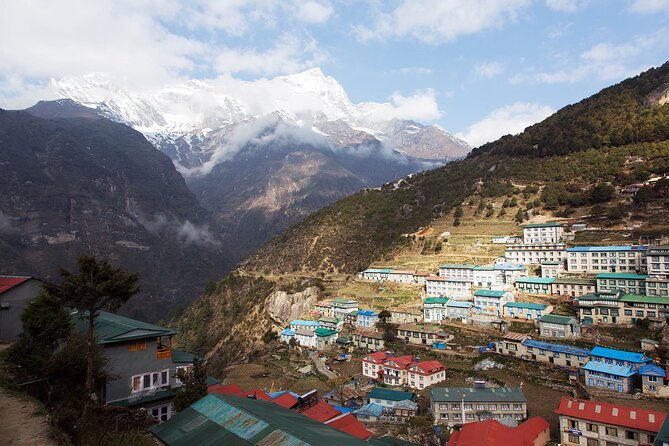
- Namche Bazaar: Your Acclimatization and Culture Stop
- Syangboche Viewpoint and Hotel Everest View: The Big Everest Day
- Lukla Again: The Long Walk Out and One More Bird’s-Eye
- Kathmandu Finish: A 30-Minute Flight Home
- Price and Value: Why $1,200 Can Make Sense Here
- Fitness Level and Pacing: The Real Rule on Altitude Treks
- Who Should Book This Everest 5-Day Trek
- Should You Book It?
- FAQ
- What time does the trek start each day?
- Is pickup and drop-off included?
- What flights are included?
- What’s the daily trek schedule like?
- What’s included for meals and accommodation?
- Can the trek be done in any season?
Key Things to Know Before You Go
- Lukla is the wow, and the weather is the wildcard: the route starts with the famous flight out of Kathmandu’s airport complex, so expect schedule adjustments if conditions are bad.
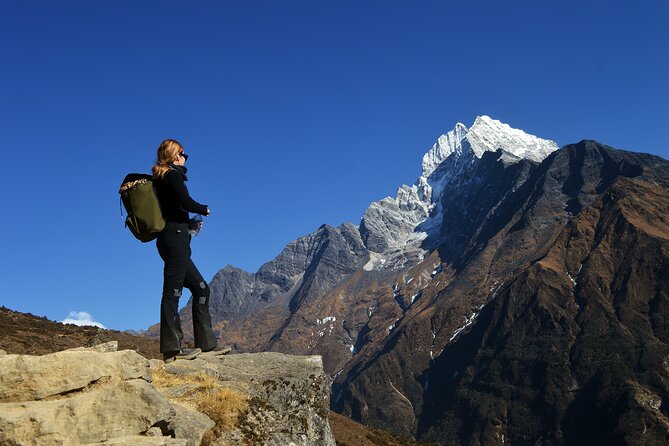
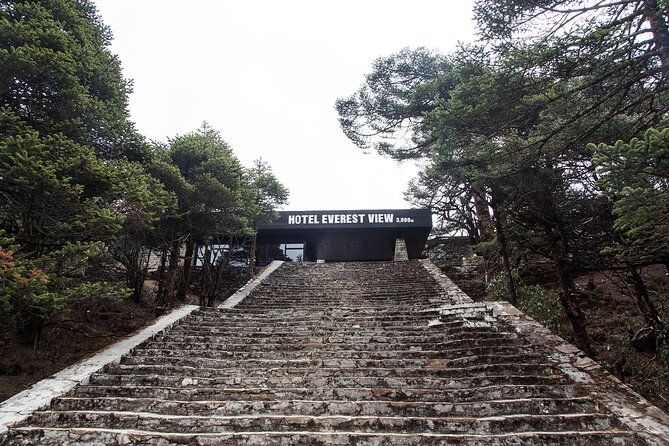
- Hotel Everest View is the main photo moment: it sits at 3,880 m and is highlighted for its extreme height and sweeping panoramas.
- Namche Bazaar gives you a culture-and-market break: you’ll have time in town for a feel of Sherpa life, shops, and cafés.
- Guides like Prakash and Anil are praised for caring pacing: people singled out communication, geography tips, and a habit of checking in on everyone’s comfort.
- You’re not just walking—you’re eating well enough to function: meals are included for four lunches, four breakfasts, and four dinners, which matters when you’re hiking hard.
- Borrowed gear removes guesswork: duffle bag, trekking poles, and a sleeping bag can save you from hauling or buying the wrong stuff.
Everest Views in Five Days: What This Trek Really Offers
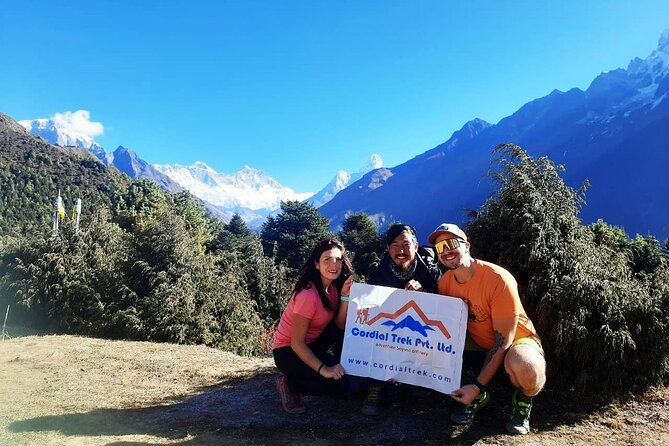
The Everest 5-Day Trek from Kathmandu is often described as a shortcut, and that’s fair—but it’s also a smart shortcut. You’re not racing up to a high camp for technical climbing. Instead, the goal is to get you to the Everest View area and give you time in key altitudes where the air thins and your body has to adapt.
The itinerary is built around a classic rhythm: a first trekking day to settle your legs, a longer day to Namche Bazaar where altitude begins to matter more, then a day that pushes you toward the Hotel Everest View zone for dramatic sightings. By the time you’re back down to Lukla and flying to Kathmandu, you’ve done the hard part—without spending your whole vacation on trail logistics.
And the setting makes a huge difference. This is offered year-round, meaning you can choose your season based on what you want to see. Spring (March–May) leans into colorful wildflowers. Summer (June–August) is about clearer skies. Autumn (September–November) is known for warmer, golden light on the ridgelines. Winter (December–February) turns the mountains into snow-and-ice country. The tradeoff is that season also affects cold and wind, so you’ll want to pack and dress for reality, not brochure weather.
You can also read our reviews of more tours and experiences in Kathmandu.
Starting Line in Kathmandu: Pickup, Timing, and a Head Start
Your day begins early, with a 5:45 am start time. That matters in Nepal because flight windows and ground transfers can change with real-life traffic, check-in lines, and weather. Getting on the ball from Kathmandu also helps you avoid the stress spiral that can hit when you’re trying to do too much before dawn.
Hotel pickup and drop are included, which is one of those simple things that makes the whole trip feel smoother. You won’t need to negotiate taxis or figure out where the domestic terminal steps you into the next stage. You go from your Kathmandu base to the domestic airport area, then onward to the Lukla portion of the plan.
Lukla Flights: The Adrenaline Part, the Risk Part
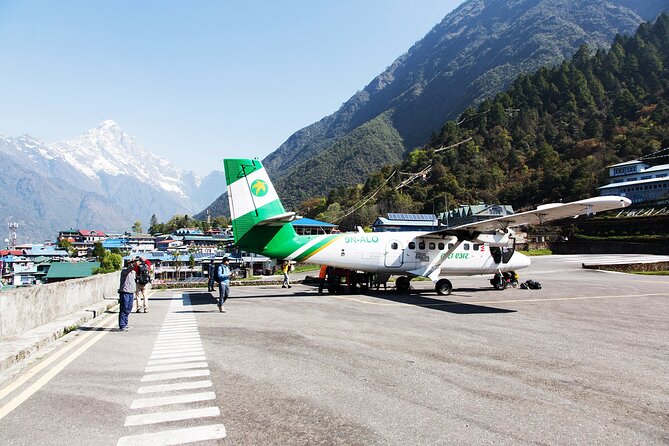
Let’s talk about the flight, because it’s the headline for a reason. Lukla is famous as one of the trickiest airports to operate, and this trek starts with the transfer and flight as day one’s key jump.
Here’s the practical truth: you should treat the flight as a variable, not a guarantee. The experience specifically notes that it requires good weather, and if conditions are poor, you’ll be offered another date or a full refund. In other words, the operator is planning for the fact that mountain weather can change fast.
What I like about this setup is that it includes return flight tickets to and from Lukla. That’s a big piece of value because you’re not separately shopping for air arrangements while also trying to manage the rest of your trekking plan.
Also, if your mind keeps snagging on the complexity of Lukla transfers, take comfort from the positive feedback about coordination. People highlighted that the crew helped manage flight confusion around cancellations and shifting airports. That’s not a guarantee for every day, but it’s a good sign for how the company handles the common headaches.
Phakding: First Steps Down by Dudhkoshi
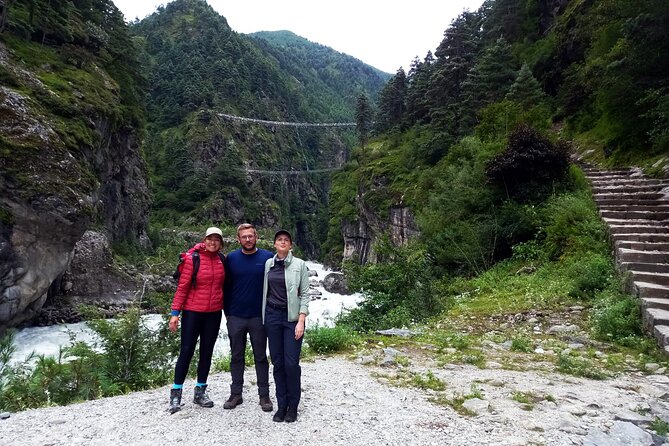
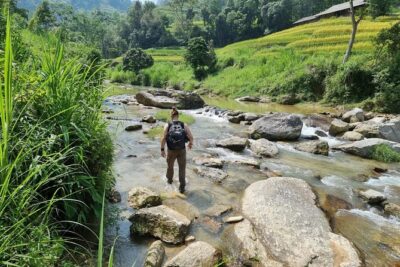
Day one finishes with a trek to Phakding, roughly 3–4 hours. Phakding is a small river town along the Dudhkoshi River, and it’s where you start feeling the “Everest region” vibe without already being overwhelmed by altitude.
This day is also about rhythm more than heroics. You’ll be walking long enough to warm up your body, but not so long that you’re wrecked before you reach the real acclimatization target of Namche Bazaar.
You might also find small diversions that make the town memorable. The plan mentions the chance to detour to monasteries and have a look around. That’s one of the reasons I like shorter trekking days early on: you get to absorb something local instead of only focusing on survival.
Namche Bazaar: Your Acclimatization and Culture Stop
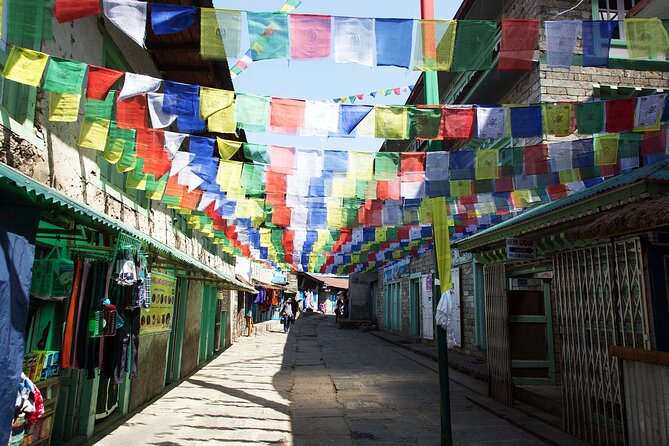
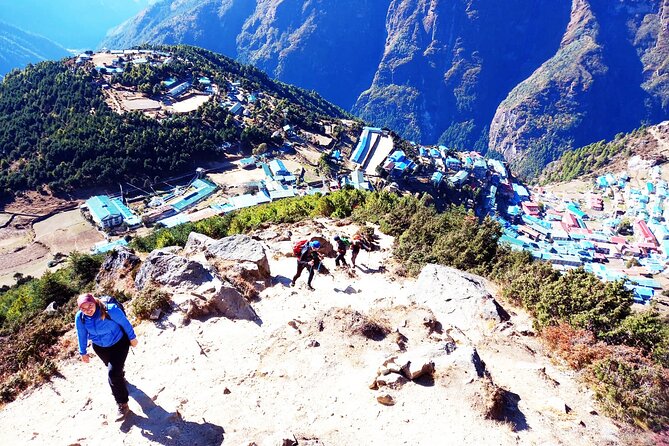
Day two is your main climb into the Everest gateway zone. The trek runs about 6 hours, and you’ll reach a maximum altitude of 3,438 m / 11,280 ft. Namche Bazaar is the kind of place where the trail meets real life: shops, cafés, and a steady stream of trekkers and Sherpa community activity.
This is a key day because altitude shifts start feeling more noticeable here. The smarter way to handle it is simple: walk at an easy pace, keep breathing calm, and take breaks when your guide suggests it. A good guide also helps you avoid wasting energy early and then paying for it later.
Namche also gives you time to explore beyond the main path. The plan includes exploring the town in a way that helps you understand local life, not just pass through for photos. I like this balance because it turns an acclimatization day into something you remember for more than the elevation number on your GPS.
Syangboche Viewpoint and Hotel Everest View: The Big Everest Day
Day three is where the trek’s personality really shifts from “getting there” to “wow, that’s Everest.” The plan includes a return trip from Namche Bazaar to Hotel Everest View that takes about 3–4 hours.
This is also where you get the star product: the hotel’s altitude and its eye-stopping setting at 3,880 m. It’s specifically called out as holding a Guinness World Record for the highest situated hotel in the world. Even if you’re not the type who cares about records, that detail points to what matters most—this place is high enough that the views feel close and immediate rather than distant.
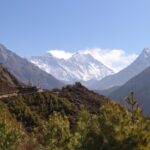
The trek is described as offering panoramic views and even 360-degree views from the hotel. That’s exactly what you want from a short trek: a day where the effort converts into a view you can actually enjoy with a hot drink, not just a quick glance through steam.
Then you head back to Namche Bazaar in the late afternoon. This isn’t just a return trip—it’s your decompression window. You’ll have time in the local market and some free time of your own, which is helpful because after a high-altitude push, you need a chance to recover in a place that feels livable.
If you’re going to care about guide quality, this is where it shows. The guides in prior trips were praised for being communicative and for checking that everyone was okay—people specifically mentioned a guide who always looked back to make sure the group was doing fine. On a day like this, that attention turns into confidence.
Lukla Again: The Long Walk Out and One More Bird’s-Eye
Day four brings a 6–7 hour trek back to Lukla via villages like Manjo and Phakding. It’s a longer day, and you’ll likely feel it in your legs since you’ve already done the altitude push and return.
This day is important because it’s also your last real chance to enjoy the corridor of Everest region scenery from the trail—minus the “newness” rush. You’ll be tired, yes, but the trick is to keep moving steadily rather than sprinting and then struggling to recover.
You’ll sleep in a guest house in Lukla for the night. Having that clear end point makes the next morning’s flight feel less stressful.
Kathmandu Finish: A 30-Minute Flight Home
On day five, you take a short 30-minute flight from Lukla to Kathmandu, then transfer to your Kathmandu hotel. This final transfer matters more than it sounds. After five days of hiking and early mornings, you want a clean landing back into normal life—food you don’t need to ration, a shower that doesn’t feel like a recovery project, and a bed that isn’t a temporary base.
It also gives you a realistic closure: you’re not lingering in transit for days. For many people, that’s the biggest selling point of a five-day schedule.
Price and Value: Why $1,200 Can Make Sense Here
At $1,200 per person, this trek isn’t cheap in a global sense. But it can be good value for the Himalayas, mainly because a lot of your costs are bundled and altitude treks are logistics-heavy.
Here’s what you’re actually getting in the included package:
- Return flight tickets to and from Lukla
- National park permit and local government tax
- Guide and porter
- Accommodation at mountain guest houses
- Private bathroom and hot shower (at the accommodations described)
- Borrowed gear: duffle bag, trekking poles, sleeping bags
- Hotel pickup and drop in Kathmandu
- First aid and a company t-shirt
- Meals: 4 breakfasts, 4 lunches, and 4 dinners
Value isn’t just about total cost—it’s about reducing uncertainty. When you have your main transportation and core support handled, you spend less energy on planning and more on the experience itself. And the included meals matter because when you’re hiking at altitude, you don’t want to be making tough food decisions every day.
What’s not included is also clear: hot/cold drinks, personal expenses, and gratuities for guide and porter. That means you should budget a little extra for beverages and tipping. If tipping is unfamiliar to you, use it as a simple guideline rather than a surprise bill.
Fitness Level and Pacing: The Real Rule on Altitude Treks
The experience calls for moderate physical fitness. Translation: you should be comfortable with hiking days around several hours, and you should be able to handle slower walking at altitude.
The trek also has a built-in altitude progression—rising to Namche Bazaar at 3,438 m, then going up again toward the 3,880 m hotel area. That’s why pacing is everything. You don’t need to be a mountain athlete, but you do need to be willing to walk calmly and follow your guide’s cues.
The best advice I can give for altitude treks like this is boring but true: move slower than you think you should, drink water, and don’t treat breathlessness like a badge.
Who Should Book This Everest 5-Day Trek
This trek is a strong match if:
- You want big Everest views but only have five days
- You prefer guided support, including a porter and borrowed trekking gear
- You like a plan that includes both mountain time and real stops in Namche Bazaar
- You’re looking for year-round flexibility and can choose a season based on your view preferences
It may not be your best fit if you’re hoping for a totally carefree itinerary with zero risk. Lukla depends on weather, and the operator explicitly requires good conditions for the trip to run as planned.
Should You Book It?
If you want a focused Everest region experience—Lukla flights, Namche acclimatization, and Hotel Everest View as the main payoff—this is a smart way to do it. The included flights, permits, guide/porter support, gear borrowing, and meal plan reduce the biggest sources of stress in Nepal high-altitude travel.
I’d book it if you can hike steadily at altitude, you’re fine with early starts, and you understand that weather can affect the timing of Lukla. If that sounds like you, then this trek is one of the more practical paths to feeling close to Everest in just five days.
FAQ
What time does the trek start each day?
The experience start time is 5:45 am.
Is pickup and drop-off included?
Yes. Hotel pickup and drop are included in Kathmandu.
What flights are included?
The package includes return flight tickets to and from Lukla.
What’s the daily trek schedule like?
It’s about five days total, with trekking days ranging from roughly 3–4 hours (Phakding) to about 6–7 hours on the longer hiking days (to Namche Bazaar and back to Lukla), plus a short flight back to Kathmandu on day five.
What’s included for meals and accommodation?
You get accommodation at mountain guest houses, plus 4 breakfasts, 4 lunches, and 4 dinners. Private bathrooms and hot showers are included as part of the mountain guest house accommodations.
Can the trek be done in any season?
Yes. The trek is available all year long, with different seasonal scenery: spring wildflowers, summer clearer skies, autumn golden hues, and winter snow and ice.