REVIEW · KATHMANDU
12 Days Trek Tour in Nepal
Book on Viator →Operated by Mountain Delights Treks & Expeditions · Bookable on Viator
Mohare Danda keeps things quiet. This trek in Nepal pairs community-based stays with forest paths and famous sunrise and sunset viewpoints for a calmer Annapurna-region feel than the usual hot spots. If you like earning your views one step at a time, this itinerary does it in a way that feels thoughtfully organized.
Two things I really like: the way eco-focused lodges and village moments are built into the route, and the fact that you also get strong Kathmandu and Pokhara context before and after the hike. One thing to consider: the trek includes a harder day with about 1,000 meters of gain, so you’ll want a moderate fitness base and steady hiking patience.
In This Review
- Key things that make Mohare Danda worth your time
- Kathmandu first: markets, temples, and getting your legs ready
- The drive to Pokhara: scenery plus a long day of winding roads
- First walking day: Bas Kharka and that Kali Gandaki river crossing feeling
- Day 5 to Nangi: Magar villages, organic farms, and a school visit
- The hardest day: Nangi to Mohare Danda and the climb to the main show
- Mohare Danda sunrise, then a trek past Gorepani energy
- Day 8 to Ghandruk: forest walking and the Annapurna South viewpoint payoff
- Day 9 ending on the river route: down to Syaulibazar and back to Pokhara
- Pokhara sightseeing and a flight back to Kathmandu
- Kathmandu city tour on Day 11: Durbar Square and hidden-stupa lane walking
- Day 12 wrap-up: airport transfer with time to spare
- What the $1,500 price really covers (and where you should budget extra)
- The practical reality: fitness, weather, and pacing
- Who this trek fits best
- A quick word on guides and service culture
- Should you book the Mohare Danda trek?
- FAQ
- Where does the tour start?
- How long is the trek?
- What’s included with the trekking permits?
- What kind of gear is provided?
- Are airport and city transfers included?
- What kind of accommodation is included?
- Is lunch and dinner included in Kathmandu and Pokhara?
- How big is the group?
- What fitness level is needed?
- What happens if the trek is canceled due to weather?
- Is tipping required?
Key things that make Mohare Danda worth your time
- A less-crowded trek feel in the Annapurna region, with room to breathe on the trail
- Community-run lodges and homestay dinners that keep the route human, not just scenic
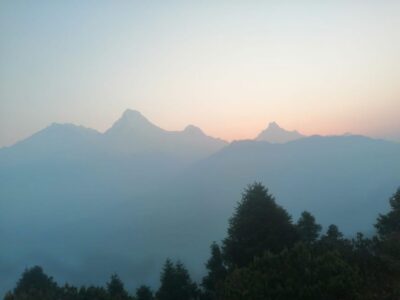
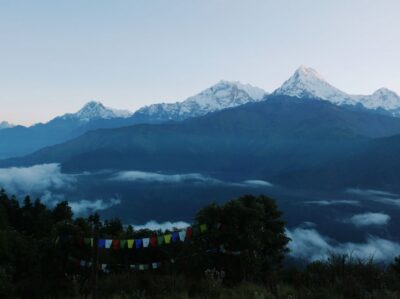
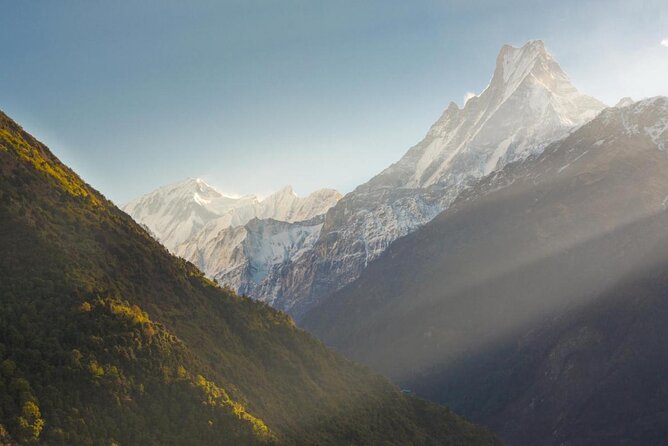
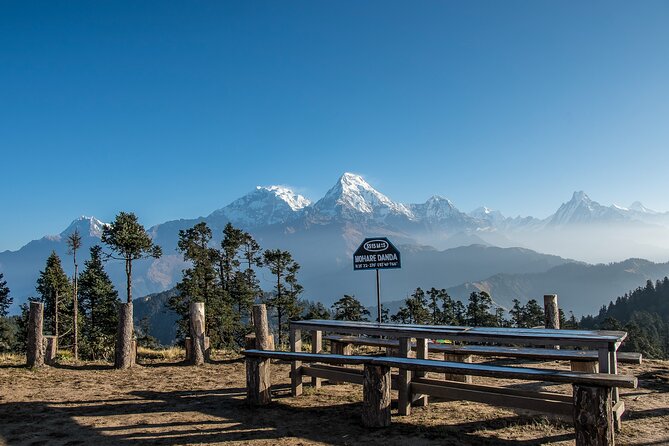
- Mohare Danda sunrise and sunset with Himalayan views including Machapuchre and Annapurna
- Gear is provided (down jacket, sleeping bag, fleece liner, duffel), so you can travel lighter
- Permits handled for you with ACAP and TIMS included
- Small group size up to 16 with a guide plus porter/helper support
Kathmandu first: markets, temples, and getting your legs ready
Your trip starts in Thamel, Kathmandu. After you arrive, a representative picks you up and transfers you to your pre-booked hotel. You’ll check in, rest a bit, and then get sent to Thamel for a first-night reset: dinner options nearby, a chance to exchange money, and time to grab last-minute trekking items.
That first briefing night matters more than people think. By the time you sit down at the office for your trip rundown, you’re already surrounded by hikers, gear bags, and the low-level buzz of Kathmandu. Delays happen sometimes. If they do, the schedule shifts to keep things workable.
On Day 2, you get classic Kathmandu Valley highlights with a sightseeing tour of Pashupatinath and Boudhanath. Pashupatinath is a major Hindu site devoted to Lord Shiva and it’s on UNESCO’s heritage list. You’ll see how the Bagmati River is tied to religious life there, including cremation rituals. Boudhanath is the other big spiritual anchor: a huge stupa with that feeling of quiet momentum—prayer wheels turning, people moving at their own pace.
Practical takeaway: you’re not just ticking off monuments. You’re building context for why Nepal’s mountain routes aren’t separate from culture. When you later hike through villages and community lodges, it lands differently.
You can also read our reviews of more tours and experiences in Kathmandu.
The drive to Pokhara: scenery plus a long day of winding roads
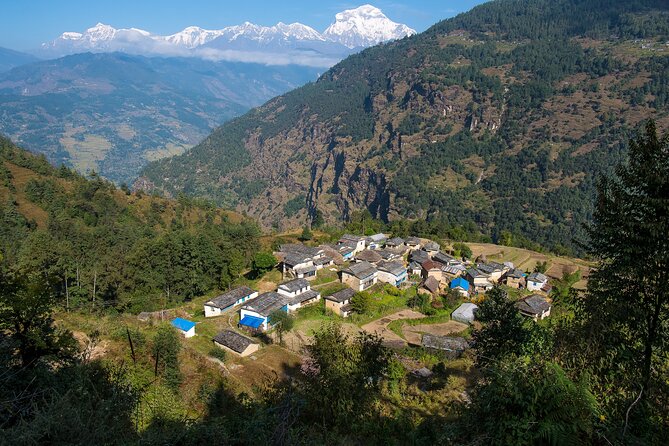
On Day 3, you head to Pokhara early. The drive is long and winding along narrow mountain highway stretches, and it’s described as adventurous. That’s a polite way of saying you’ll feel the bends.
Pokhara itself becomes your decompression zone. You have time to explore the lakeside and surrounding areas rather than being rushed into another early hike. This matters because your trek days start stacking up quickly after this. Even if you don’t do anything huge, use this day to walk gently, eat well, and keep sleep on your side.
First walking day: Bas Kharka and that Kali Gandaki river crossing feeling
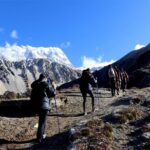
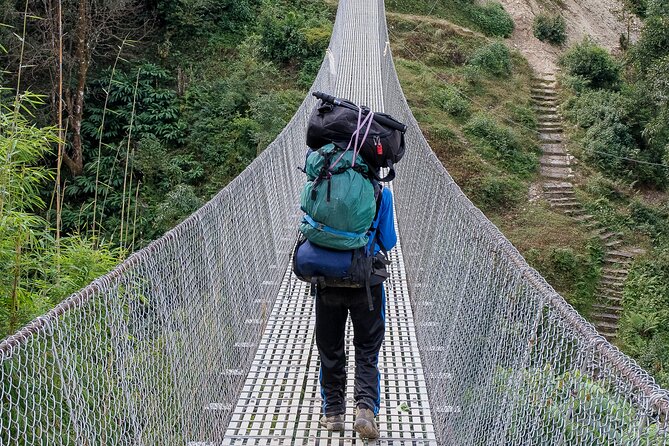
Day 4 starts with a drive to Galeshwor, then you switch from road travel to trail time. You walk for about three hours onward to Bas Kharka. The route begins with an ascent that includes crossing a suspension bridge over the Kali Gandaki River.
That’s the kind of moment I like early in a trek: it’s not just a scenic photo stop. It’s your first real signal that the trip has shifted into a different rhythm. Village life appears quickly after that. You pass agricultural fields and small roadside houses or shops. It’s not staged. It’s just daily Nepal.
Tonight you sleep at an eco community lodge and have dinner as part of the homestay experience. This is where the Mohare Danda concept becomes more than a marketing label. You’re feeding the local lodging economy and you’re learning the practical side of how trekking communities host hikers.
Day 5 to Nangi: Magar villages, organic farms, and a school visit
On Day 5, you continue trekking toward Nangi for about seven hours. The trail runs through villages and gets you mountain views along the way. You’re specifically passing through areas inhabited by Magar people, which is one of Nepal’s larger ethnic groups with a distinct language and culture.
The itinerary adds a meaningful cultural layer: you’ll explore organic farms and, later in the day, you visit a school. Not every trek bothers with these kinds of stops. Here, it helps the trek feel like a partnership with local life rather than a one-way consumption of scenery.
Practical note: plan for walking hours that add up. Seven hours in trekking terrain is steady work, not a casual stroll. Bring a good water strategy and keep snacks bite-sized so you’re not digging into your bag every 10 minutes.
The hardest day: Nangi to Mohare Danda and the climb to the main show
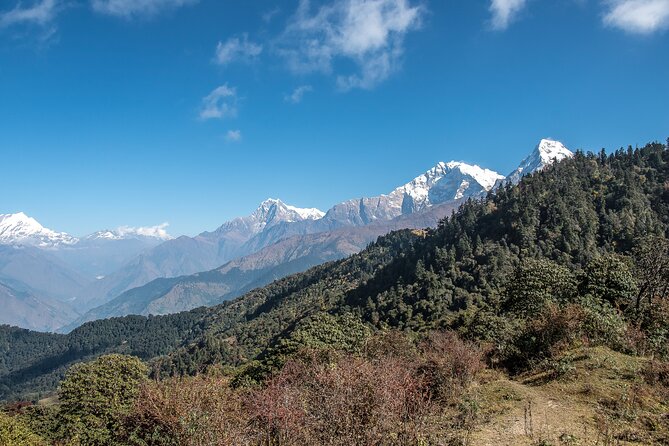
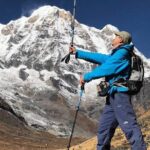
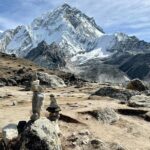
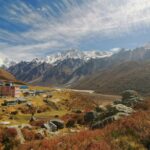
Day 6 is the heavy day: you walk about seven hours and gain almost 1,000 meters. The trail moves through forest and then begins treating you to big Himalayan views—Machapuchre, Annapurna, and Dhaulagiri show up in the scenery.
This is also described as one of the trek’s signature experiences for sunrise and sunset views. Translation: you’re going to be tempted to step slower just to watch the light change.
When a trek adds a “hardest day” without adding chaos, that’s a good sign. It means the route likely has enough staging—lodges where you can rest, and time to adjust to altitude and effort.
If you’re the type who likes checking off distances, keep an eye on effort instead. On days like this, pace matters more than GPS progress.
Mohare Danda sunrise, then a trek past Gorepani energy
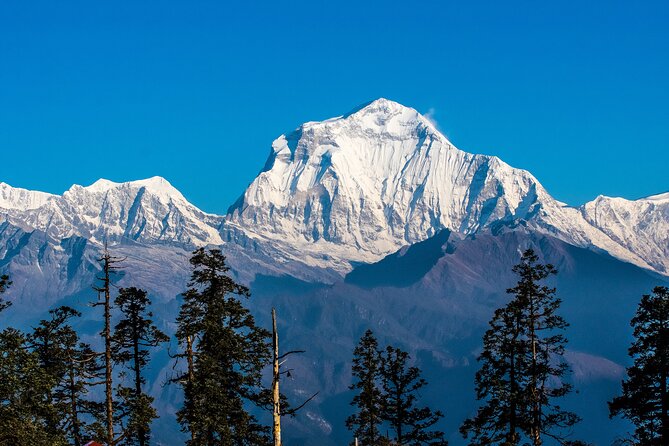
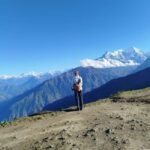
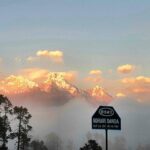
Day 7 starts early. Sunrise is described as mesmerizing, with views including Machapuchre, Dhaulagiri, Annapurna, and other peaks. After breakfast, you hike toward Deurali for about five hours.
The trail passes by Gorepani, a more popular area in the Annapurna region known for sunrise from Poon Hill. The key idea here is balance: you start in a quieter pocket, and then you cross through a busier zone. You’re not stuck in it for long, but it helps you understand why so many people chase the same viewpoints.
Expect a mix of trail scenes: forest sections, viewpoints, and a steady uphill-to-level rhythm. The route isn’t trying to trick you into running. It’s trying to move you through Nepal’s elevation bands without drama.
Day 8 to Ghandruk: forest walking and the Annapurna South viewpoint payoff
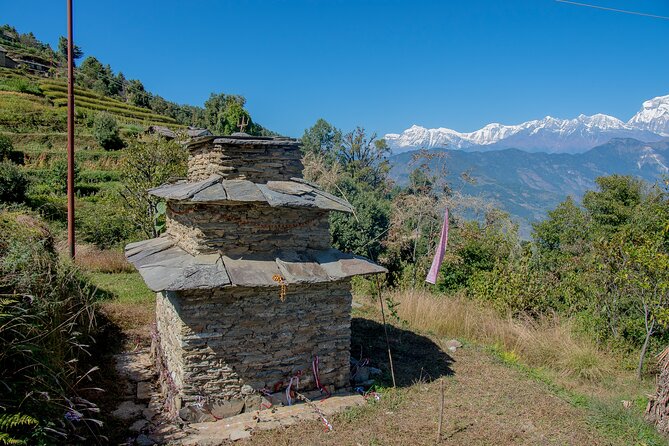
On Day 8 you trek to Ghandruk (around five hours). The trail continues through forest, then opens up with key views. You can look for Annapurna South and Himchuli from this area.
Ghandruk is known for being a great base for culture, not just trekking photos. You’ll also visit the Gurung museum and culture. That’s one of the best uses of a rest-and-sight day on a trek like this: you learn a bit about the people connected to the mountains you’ve been hiking toward.
Even if you’re tired, museums here feel different. You’re not just walking through a room. You’re linking what you saw on the trail to how local communities explain their world.
Day 9 ending on the river route: down to Syaulibazar and back to Pokhara
Day 9 finishes the trekking portion. After breakfast and enjoying the views of Annapurna South, Himchuli, and Fishtail close up, you descend to Ghandruk Bensi or Syaulibazar on the bank of the Madi River. The schedule says this is where the trek ends.
Then it’s a drive back to Pokhara for about two and a half hours. This is a nice reset: you trade trekking boots for a vehicle and let your legs cool down while you’re still in trekking mode.
Pokhara sightseeing and a flight back to Kathmandu
Day 10 is a mix of sightseeing and logistics, with no heavy trekking. You explore highlights like Devi’s Fall, Gupteshwar cave, and the International Mountain Museum. That last stop is a strong choice if you like your mountain travel with context. It focuses on mountaineering expeditions and the Himalayan peaks, so it gives your trek a bigger frame.
After lunch, you transfer to the Pokhara Airport and fly back to Kathmandu. Once you arrive, you’re taken to your hotel.
Small practical tip: if you’re sensitive to schedule changes, keep your day flexible. Flights and short transfers can compress time, so plan to move calmly and not treat every minute like a race.
Kathmandu city tour on Day 11: Durbar Square and hidden-stupa lane walking
On Day 11, you go out for another Kathmandu day, this time a city tour on foot through older areas. You’ll walk through narrow lanes and markets including Ason, the Indrachowk glass beads market, and parts of New Road (described as the oldest supermarket area). You’ll also pass through Kilagal and visit hidden stupas inside family courtyards.
Then comes Kathmandu Durbar Square, tied to the administrative quarter of the Malla Kings (14th–18th century) and the Shah Kings (rulers from 1768 until 2008). One notable experience here is visiting the temple of the living goddess. (The itinerary doesn’t linger on details, but it clearly flags this as a unique stop.)
This day matters because it ties together what you saw on Day 2. You’re moving from major public temples to the lived-in city layout—courtyards, lanes, and spiritual spaces that are part of everyday life.
Day 12 wrap-up: airport transfer with time to spare
On the final day, your tour ends after a transfer to Kathmandu International Airport about three hours before your flight. It’s a small detail, but it helps avoid the last-minute stress that can happen in big-city traffic or if your flight timing changes.
What the $1,500 price really covers (and where you should budget extra)
At $1,500 per person, you’re paying for a full package: hotels in Kathmandu and Pokhara, a professional trekking team (guide plus porter/helper and an assistant guide), permits, trekking food and lodging, and even rental gear.
Here’s what you’ll actually feel in the real world:
- You’re not stuck sorting permits on arrival—ACAP and TIMS are included.
- You’re not carrying the full weight of a winter trekking kit—gear is provided: down jacket, sleeping bag, fleece liner, and a duffel bag.
- Your trekking staff logistics are handled, including transportation for trekking staff, plus medical equipment and staff insurance are included in the package.
What costs extra:
- Tips are not required but are expected for guide/porter/driver.
- Lunch and dinner in Kathmandu and Pokhara are not included.
Value check: for a 12-day itinerary with permit coverage and issued gear, you’re getting more structure than the typical DIY setup. You’ll still need to budget for personal spending and meals that aren’t covered, but the big-ticket trekking essentials seem planned for.
The practical reality: fitness, weather, and pacing
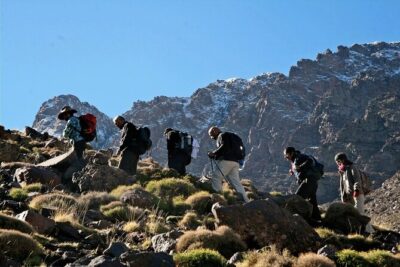
This trek is for people with moderate physical fitness. That doesn’t mean it’s easy. It means the route is built for consistent walking rather than extreme technical hiking.
The hardest day is the one from Nangi to Mohare Danda with about 1,000 meters of gain. If you can walk uphill for hours without going out of breath immediately, you’ll likely handle it. If you’re newer to hiking, train a bit ahead of time and expect slower pacing to feel normal.
Weather is also a factor. The experience requires good weather, and if it’s canceled due to weather, you’ll be offered another date or a full refund.
Who this trek fits best
This trek is a great match if you:
- Want a calmer-feeling Annapurna region trail with community stays
- Care about sunrise viewpoints but don’t want the constant crowds of the biggest routes
- Like a trip that includes culture in Kathmandu and Pokhara—not just trekking days
- Appreciate organization: pickup, briefings, permits, and gear support
It might not be the best fit if you want zero physical challenge or you don’t like hiking days around five to seven hours for multiple days.
A quick word on guides and service culture
I’ve seen this operator praised for staffing and on-the-ground care across other Nepal treks, with names like Baburam, Mingur Sherpa, Purna, Geli Sherpa, Karma Sherpa, and support staff including Gokarna showing up in past trip accounts. Since staffing can vary by itinerary and date, you can’t assume those exact people will be on your departure. But it does tell you the company places real weight on guides and helpers who look after safety and logistics.
That’s what you want on a trek where weather and pace matter.
Should you book the Mohare Danda trek?
I’d book it if you want a Nepal trek that feels grounded in real village life, not just checkpoint views. The community-run lodges, the added cultural moments (like the school visit and Gurung museum time), and the sunrise payoff at Mohare Danda are a strong combo.
I’d pause before booking if you’re not confident in uphill effort on a day with big elevation gain, or if you only want fully urban sightseeing with minimal walking. Also, remember this is a weather-dependent trek, so choose dates when you can stay flexible.
If you do book: pack for consistent hiking days, plan to tip your guide and porter appropriately, and treat Thamel and Pokhara as part of the journey—not just travel days. That mindset makes the whole route feel smoother.
FAQ
Where does the tour start?
It starts in Thamel, Kathmandu 44600, Nepal. The meeting point is listed as Thamel, and the experience ends back at the meeting point.
How long is the trek?
The tour duration is about 12 days.
What’s included with the trekking permits?
The package includes the Annapurna Conservation Area Permit (ACAP) and Trekking Permit (TIMS).
What kind of gear is provided?
You receive a down jacket, sleeping bag, fleece liner, and a duffel bag as part of the included items.
Are airport and city transfers included?
Yes. The tour includes private transfers between Pokhara and Galeshwor, and between Syaulibazar and Pokhara, plus transfers in Kathmandu when you arrive and depart based on your schedule.
What kind of accommodation is included?
You stay in 3-star standard hotels with breakfast in Kathmandu and Pokhara, and you have lodging during the trek including an eco community lodge and homestay-style overnights as described.
Is lunch and dinner included in Kathmandu and Pokhara?
No. Lunch and dinner in Kathmandu and Pokhara are not included.
How big is the group?
The tour lists a maximum group size of 16 travelers.
What fitness level is needed?
The tour says you should have moderate physical fitness.
What happens if the trek is canceled due to weather?
This experience requires good weather. If it’s canceled due to poor weather, you’ll be offered a different date or a full refund.
Is tipping required?
Tips for the guide, porter, and driver are not compulsory but expected.