REVIEW · SANTA MARTA
Santa Marta: Multi-Day Trek to The Lost City
Book on GetYourGuide →Operated by Baquianos Travel · Bookable on GetYourGuide
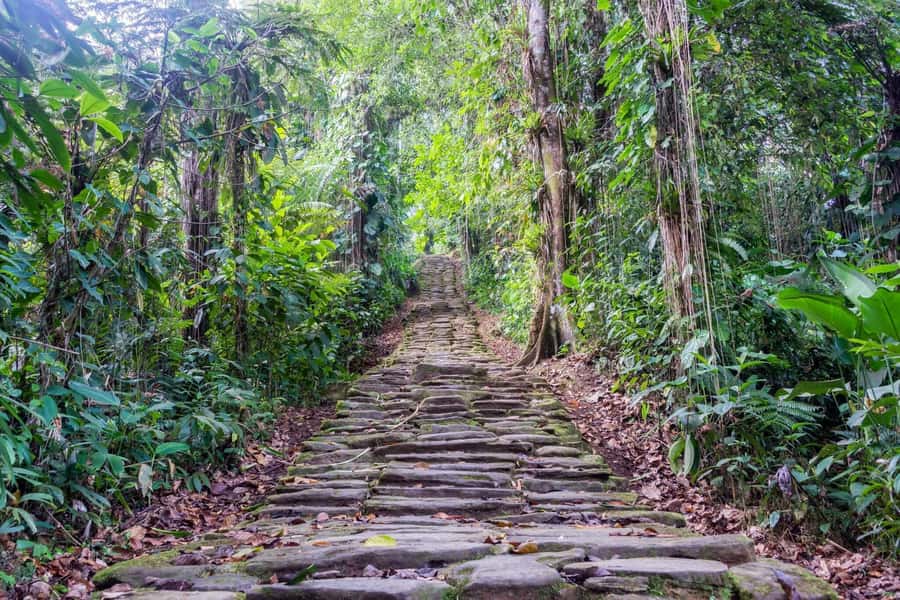
Lost City trek starts with stone steps. After a drive from Santa Marta, you follow trails through the Sierra Nevada jungle toward an ancient site called Ciudad Perdida—built around 800 CE—well before Machu Picchu. It’s part hike, part cultural visit, and part test of how well your knees handle humidity.
I really like how this trip stays organized from the first jeep to the last walk back. Two things I’m especially happy about: the small group size (max 15) for smoother guidance, and the way the experience is led by a team that can include guides and translators like Arghenith, Victor, Francisco, and Emilie so the stories land clearly.
Here’s the one drawback to plan for: this trek is physically demanding. You’ll be walking long stretches in warm, humid weather, then facing the steep climb with around 1,200 steps to reach the Lost City, plus slippery mud after rain.
In This Review
- Key things to know before you go
- Santa Marta’s Lost City trek: what makes it worth the effort
- 4, 5, or 6 days: how the pacing and experience change
- Day 1 from Santa Marta to El Mamey: first walk, first jungle rhythm
- Indigenous camps and river days: Wiwa, Kogui, and Mutanyi moments
- The Lost City day: 1,200 stone steps and what you’ll actually see
- Jungle camps and the comfort level you can expect
- Price and logistics: is $713 good value?
- Safety, weather, and packing list that actually helps
- Who should book this Lost City trek (and who shouldn’t)
- Should you book Baquianos Travel’s Santa Marta Lost City trek?
- FAQ
- How long is the trek to the Lost City?
- What’s included in the price?
- What’s not included?
- What should I bring for the trek?
- Is pickup included from anywhere in the Santa Marta area?
- Is the trek suitable for everyone?
Key things to know before you go
- Pick your day count (4, 5, or 6 days) so you match your fitness and how much time you want in the jungle.
- Expect an “up-and-down” trek, not a casual hike, with long hours and river/crossing stops.
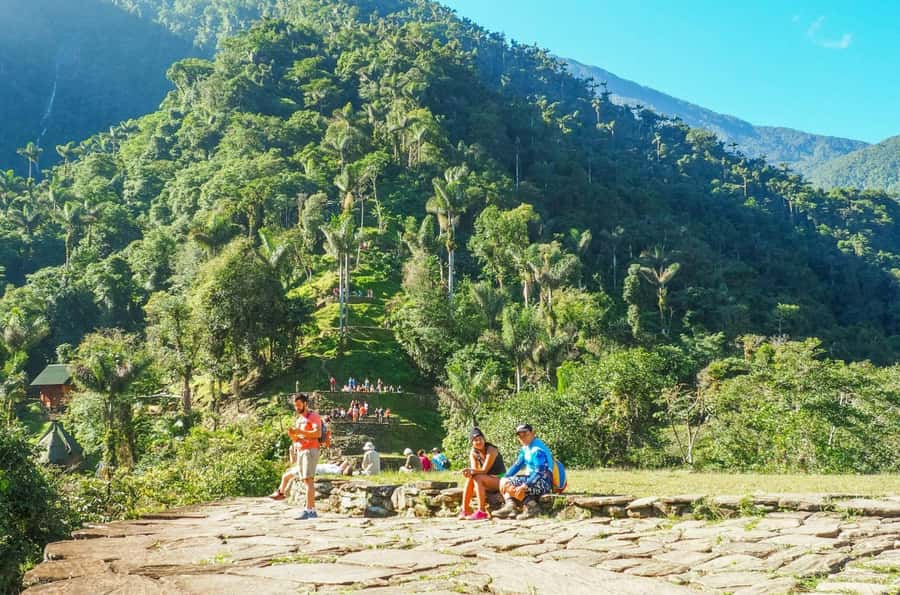
- You’ll see real Lost City features: 169 terraces, tiled road networks, and small circular plazas.
- Camps are basic but not rough: hammocks or beds with mosquito nets, plus electricity and toilets/showers.
- Guides explain both nature and culture as you move through Tayrona-connected trails and indigenous community areas.
- It’s priced for logistics, not just walking: meals, entrance ticket, transport, insurance, and community contributions are included.
Santa Marta’s Lost City trek: what makes it worth the effort
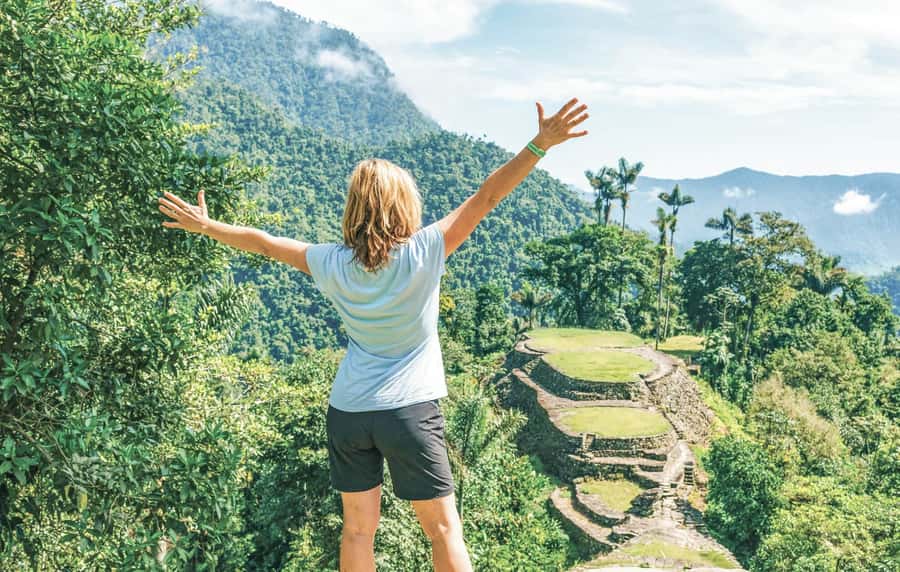
The Sierra Nevada around Santa Marta is one of Colombia’s most unusual walking zones: steep jungle terrain, constant heat, and a feel of moving through layered ecosystems. The payoff here is not just a viewpoint. You’re visiting an ancient city site with big built details—terraces carved into the mountainside, tiled roads, and circular plazas—so you can actually picture how people lived there.
What I like most is how the trek combines three wins in one trip. First, you get the physical satisfaction of earning the site. Second, you get repeated nature moments: lookouts, rivers, and natural pools/waterfalls where you can cool off. Third, you get real cultural interaction with indigenous communities connected to the area, with operators that include contributions for community development.
If you’re expecting a light, scenic stroll, you’ll be disappointed. If you want a structured, guided adventure with enough comfort to keep you going, this is a strong match.
You can also read our reviews of more tours and experiences in Santa Marta.
4, 5, or 6 days: how the pacing and experience change
You can choose a shorter 4- or 5-day version, or stretch to 6 days depending on how you like to travel and how much training you’ve done. The core “big day” is still the Lost City climb, but the build-up changes.
- 4-day option (most direct): You get two longer walking days before the big steps day, plus a return day that starts with a short walk and then a 4WD jeep back to Santa Marta.
- 5-day option: Similar rhythm, but the last day has more downtime for rest and interaction before heading back. This option can feel better if you want a little less pressure after the big climb.
- 6-day option (more gradual): Day 2 is shorter and smoother (about 3 hours), which can help your legs absorb the humidity. You also get an extra full day of time in camp before the final jeep return.
No matter which you choose, the trek is warm and quite humid (around 26°C–32°C). Nights can cool down to about 18°C, so you’ll want layers even if you sweat all day.
Day 1 from Santa Marta to El Mamey: first walk, first jungle rhythm
Day 1 starts with a drive around 9:30 AM by 4WD to El Mamey, roughly three hours from Santa Marta. You’ll have lunch there, then start hiking toward the sacred area associated with the Tayronas.
Your walking time on the first day is about 4 hours covering roughly 7.6 km. This is the day that helps you settle into the pace. You’ll stop at Mirador Las Tres Cruces for a snack and fruit, which matters more than it sounds. In heat and humidity, small energy boosts keep you from burning out too early.
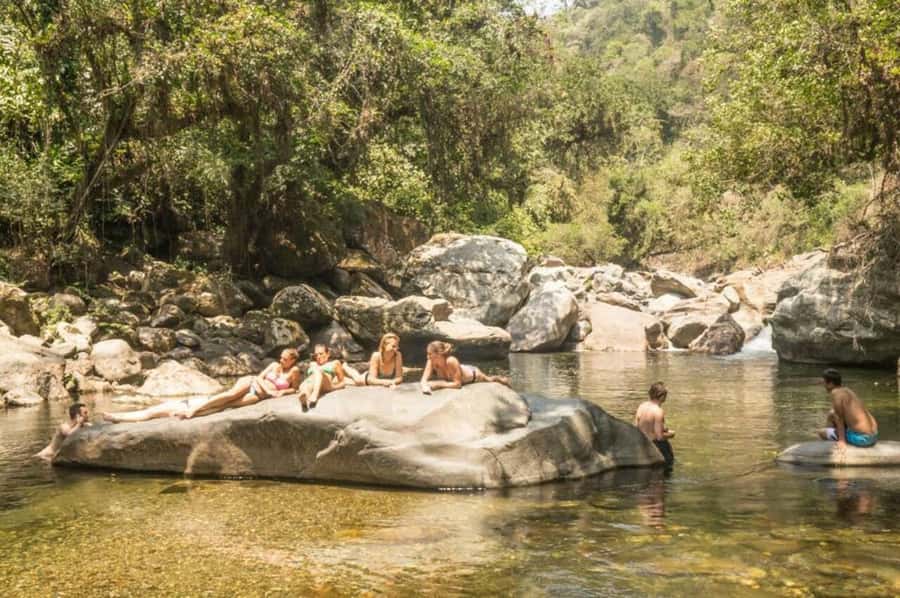
After that, you’ll get time to relax in natural pools and waterfalls before reaching the first camp in the afternoon. It’s not just a break—it’s a reset for your body, plus a preview of the kind of water and jungle conditions you’ll experience more of later.
If you’re prone to blisters, this is when you’ll learn fast. Footwear matters, and so does how you pack your socks and quick-dry layers.
Indigenous camps and river days: Wiwa, Kogui, and Mutanyi moments
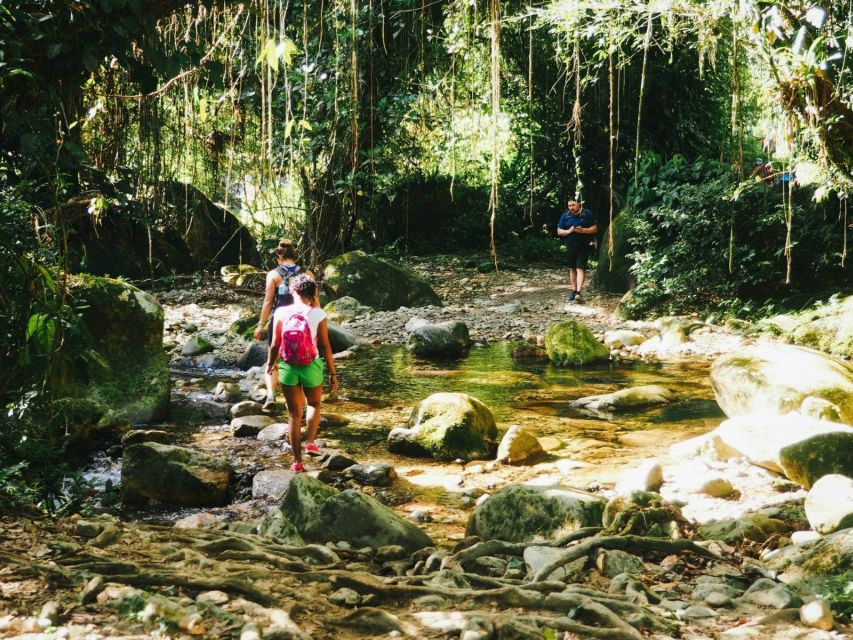
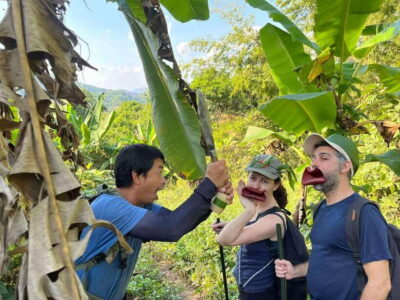
The second and third days are where the trek shifts from “walking for the view” into “walking with place.” You move through riverside areas, indigenous village zones, and trails that feel tied to living culture, not just ruins.
In the 4- and 5-day versions, Day 2 often includes a longer uphill-heavy day (about 7 hours / 14.7 km). You’ll walk toward the Wiwa camp by the Buritaca River, where you can enjoy a refreshing bath, rest, and lunch. From there, you’ll trek through the jungle to houses forming part of a Kogui village area called Mutanyi, then continue until the second camp.
In the 6-day version, the story shifts. Day 2 focuses more on a cultural reserve experience and tends to be shorter (about 3 hours in relatively smooth terrain), letting you spend more time in the river/camp setting and learn about the Wiwas and Koguis cultures.
Day 3 (for the 4- and 5-day versions) becomes the “build to the top” phase: you spend about 7 hours trekking, then return to Wiwa camp for dinner and overnight. One big note: the trail is mostly about variation—uplift sections mixed with downhill—so your legs work differently than they did on Day 1.
A practical takeaway: if you want to enjoy these days instead of just surviving them, keep a steady pace and don’t chase speed. You’ll still be tired when you reach camp, but you won’t feel destroyed on the route that leads directly into the Lost City climb.
The Lost City day: 1,200 stone steps and what you’ll actually see
This is the headline day, and it happens on Day 3 for the 4- and 5-day tours, or Day 4 for the 6-day tour. Breakfast comes very early, then you start the ascent via a trail built by Tayrona people.
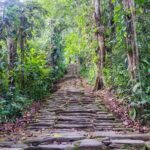
You’re climbing up about 1,200 steps through dense jungle to reach the Lost City. Expect sweat, breathlessness, and calf burn—again, this is not a casual stroll. But once you reach the site, it clicks: terraces, tiled paths, and small plazas aren’t abstract from a brochure. They’re physical, layered, and spread out against the jungle.
Your guide plays a key role here. You’ll get explanations tied to the relics and ancestral stories, plus time in the morning to take pictures and look around before you start trekking back down. Then you return to the earlier camp for lunch and continue to the next overnight stop.
A detail worth mentally preparing for: the biggest “reward” is not just reaching the entrance. It’s how the site makes sense after hours of jungle walking and a long climb. You’ll notice the geometry—those 169 terraces, the network of tiled roads, and circular plazas—because you’ve had time to slow down and focus.
If you’re anxious about the steps, tell yourself this: the climb is hard, but it’s managed. You’re not doing it alone; you have an experienced guide with you at all times.
Jungle camps and the comfort level you can expect
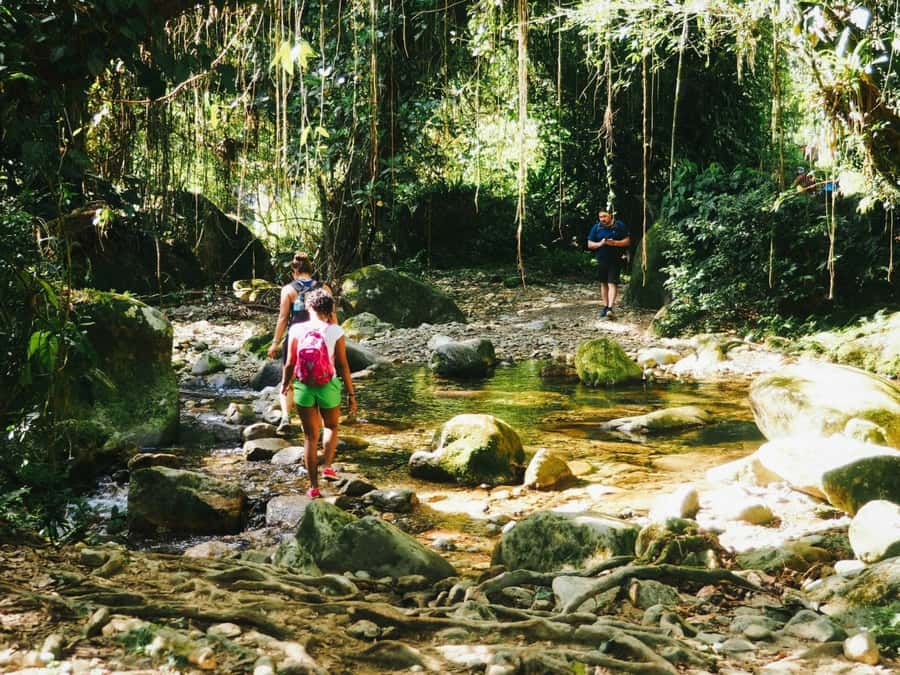
For most people, the camping setup determines whether they enjoy the trek or spend the whole time thinking about comfort. Here, the camps are designed to be functional rather than luxurious.
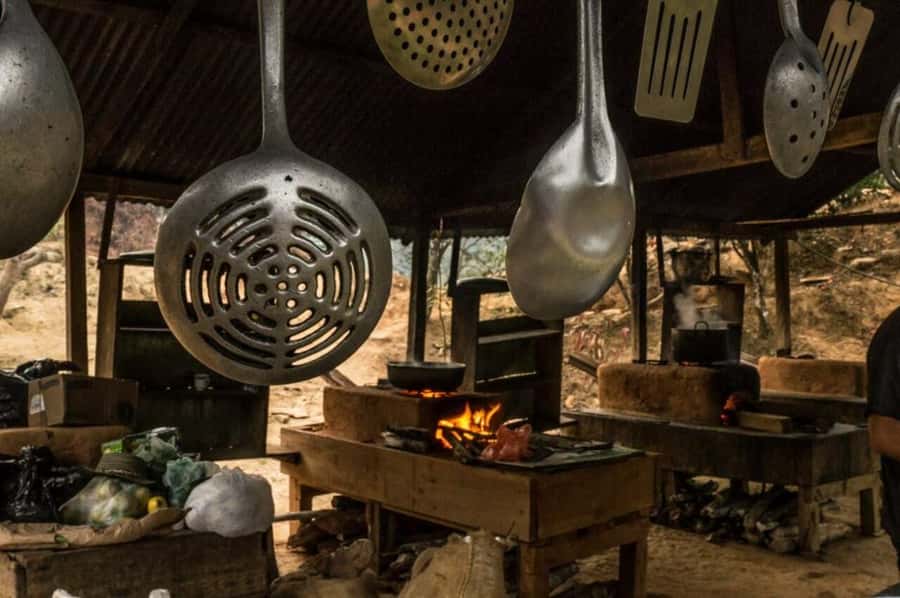
You’ll sleep in hammocks or beds with mosquito nets. The good news is that the camps include electricity, toilets, and showers, which makes a difference on hygiene, sleep, and morale. You’ll also have purified water plus fruits and snacks along the walk.
Food is included (breakfast, lunch, dinner) and often feels plentiful enough to keep you moving through demanding days. In one account of this experience, the chef team member Bridgette was specifically praised, and that lines up with how important the food rhythm is on a multi-day trek.
What’s not included: drinks besides water. So if you like juice, soda, or anything beyond water, you’ll need to budget for it separately.
Also pack for the real world of the jungle. Rain can usually happen around sunset, and the trail can turn slippery with mud. You’ll cross rivers/streams, so flip-flops can be useful for camp time, while sturdy hiking shoes do the heavy lifting on the hike days.
Price and logistics: is $713 good value?
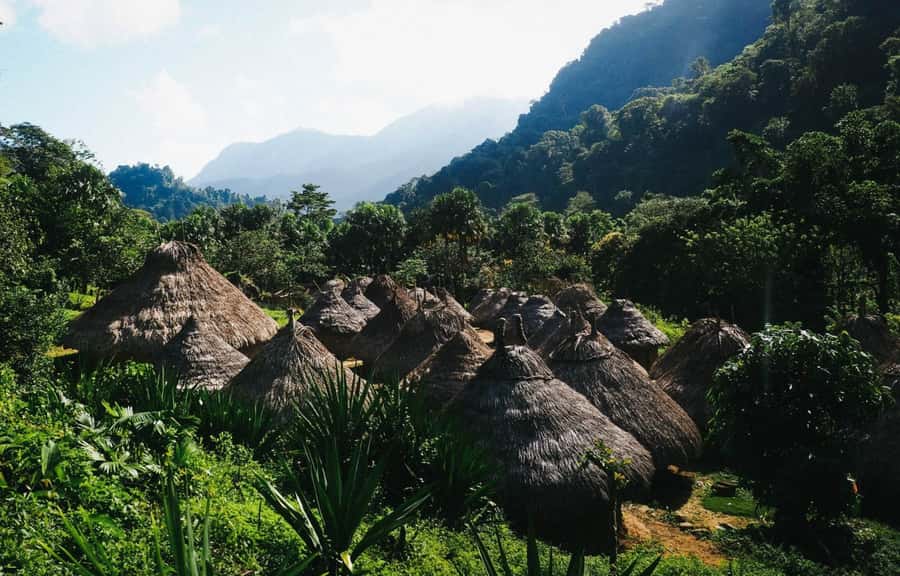
At $713 per person for a multi-day trek, you’re paying for a lot more than a guided hike. From the info you provided, the price bundles: entrance ticket to the Lost City, 4WD jeep transportation between Santa Marta and Mamey, accommodation in the jungle, all meals, purified water/snacks, accident insurance, and guide service in Spanish and English.
You’re also getting something harder to price: safer movement through a remote area with a professional guide at all times. And the operator includes contributions for indigenous community development, which means part of your payment supports the region beyond your own trip.
Where value can feel weaker is in the areas you can’t control. Jeep rides can be tight and uncomfortable when capacity is full, and the trek itself is physically punishing—so if you’re not fit or you have medical limitations, you’ll feel that cost in your body, not just your wallet.
My practical advice: treat the $713 as “logistics + access + meals + safety,” not as “a cheap way to see ruins.” If that matches how you travel, it’s more likely to feel fair.
Safety, weather, and packing list that actually helps
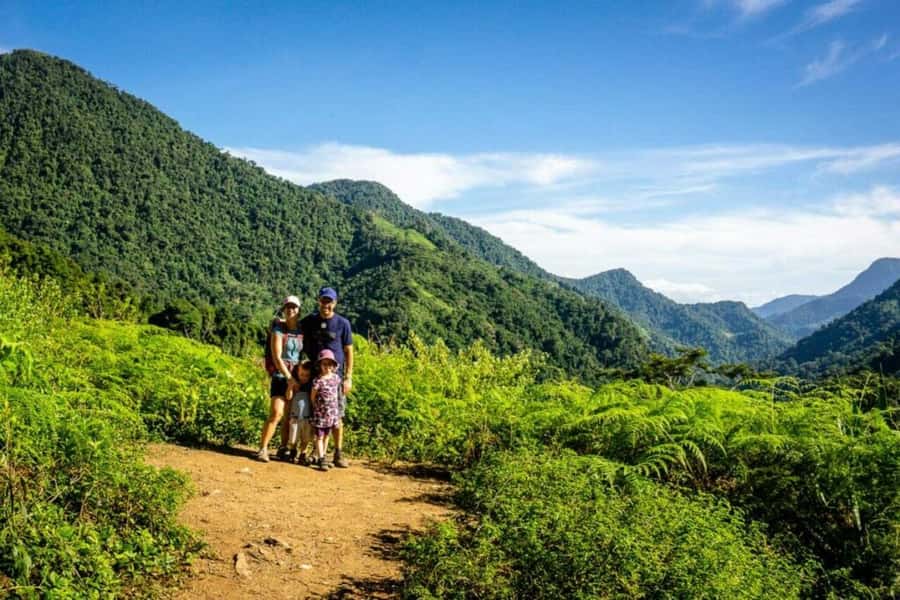
This trek is warm and humid most of the time (26°C–32°C), with cooler nights around 18°C. That means you need layers even if your daytime clothes feel hot. Rain gear is also worth it because trails can get slippery.
Here’s the packing list you should treat as non-negotiable:
- Hiking shoes (support matters for mud and steps)
- Quick-dry clothing
- Rain gear
- Sunscreen
- Insect repellent
- Swimwear + towel (natural pools and camp downtime)
- Flip-flops (camp and water crossings)
- Daypack
- Charged smartphone (useful for pictures and basics)
- Flashlight
- Toiletries, socks
- Personal medication
- Cash (you may want it for small extras)
One more key rule: no drones. Keep your device for photos only, not for flying.
Safety-wise, you’ll have professional guidance throughout and accident insurance included. But you still need to self-assess. This isn’t suitable for pregnant women or wheelchair users. If you have joint problems, heart issues, or you’ve struggled with steep stairs before, take that seriously and consider a gentler option.
Who should book this Lost City trek (and who shouldn’t)
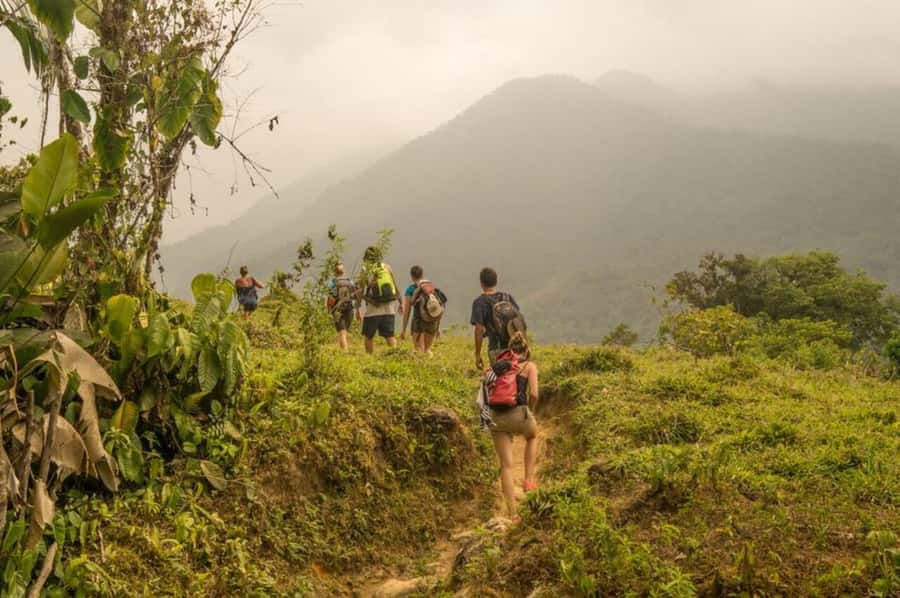
Book this if you want a guided, structured trek where nature breaks and indigenous cultural interaction are part of the schedule, not side content. You’ll likely enjoy it if you:
- like long walks and steep sections
- want time to cool off in rivers/pools during the hike
- appreciate guides and interpreters who can explain what you’re seeing (teams like Francisco or Emilie have been praised for supporting people through the hard parts)
Skip it if you’re expecting an easy day hike, or if your body can’t handle heat, humidity, and long uphill stretches.
Also think about group dynamics. The group is limited to 15, which is great for attention. Still, you should be ready to share camp rhythms and walk at a pace that keeps the group together.
Should you book Baquianos Travel’s Santa Marta Lost City trek?
If your goal is Ciudad Perdida with solid logistics, real jungle camps, and guides who help you understand both the natural world and indigenous context, I think this is a strong choice. The included meals, entrance ticket, transport, and insurance reduce the “unknowns,” so you can focus on the experience itself.
The decision comes down to one thing: are you prepared for serious walking? With 1,200 steps on the Lost City day and multiple long trek days before and after, this trip rewards people who come ready to work.
If you’re even a little uncertain, choose the 6-day option. The shorter, smoother day early on can make the whole trek feel more manageable without losing the Lost City payoff.
FAQ
How long is the trek to the Lost City?
You can choose a 4-day, 5-day, or 6-day trek option.
What’s included in the price?
The package includes breakfast, lunch, and dinner, entrance to the Lost City archaeological site, jungle accommodation (hammocks or beds with mosquito nets), 4WD jeep transportation between Santa Marta and Mamey, purified water plus fruits and snacks during the walk, guide service in Spanish and English, accident insurance, and contributions for indigenous community development.
What’s not included?
Drinks besides water are not included.
What should I bring for the trek?
Bring warm clothing, swimwear, a towel, hiking shoes, sunscreen, water, rain gear, flip-flops, insect repellent, toiletries, socks, cash, a flashlight, a charged smartphone, personal medication, and quick-dry clothing plus a daypack.
Is pickup included from anywhere in the Santa Marta area?
Pickup is included from the Santa Marta urban perimeter, plus Rodadero and Taganga. It does not include pickup from Bonda, Minca, Palomino, or areas outside the urban perimeter.
Is the trek suitable for everyone?
No. It is not suitable for pregnant women or wheelchair users. The trek also involves humid jungle conditions, slippery sections during rain, and mosquitos.