REVIEW · SAPA
Red Dao village trek and Herbal bath
Book on Viator →Operated by Sapa Trekking Hiking Tours · Bookable on Viator
Herbal smoke and mountain trails in one tour. In Ta Phin, you get a Red Dao village walk, a quick squeeze into Ta Phin Cave, a look at the old monastery, and then a finish in herbal baths meant to help you cool down after trekking.
I like two things a lot here. First, the day is guided by local people such as May or Chacha, so you’re not just walking past houses—you’re getting the story behind what you’re seeing. Second, the tour bundles comfort: lunch plus the bath fee, so your $39 goes further than most short tours that only sell transportation.
One thing to consider: this isn’t a stroll. The cave involves a short, dim and bumpy passage, and the overall walk needs moderate fitness. If you’re traveling with knee issues, plan carefully.
In This Review
- Key highlights
- Entering Ta Phin: Red Dao village life in Sapa’s hills
- How the trek actually feels: rice fields, farm paths, and a small-group pace
- Ta Phin Cave: short, dark, and bumpy (wear the right shoes)
- Ta Phin Monastery: a 1942 history layer at the mountain’s foot
- Four herbal smoke baths: where the stress leaves your body
- Lunch, water, and the real value of the $39 price
- Pickup, meeting point, and how to plan your morning
- Things to know about shopping and village interactions
- Who should book this Red Dao village trek (and who should think twice)
- Should you book it? My take
- FAQ
- What is the duration of the Red Dao village trek and herbal bath?
- Where does the tour start, and what time does it begin?
- Is pickup offered?
- What is included in the $39 price?
- What does the herbal bath include?
- Is Ta Phin Cave easy to walk through?
- What happens if weather is bad or I need to cancel?
Key highlights
- Red Dao + Hmong community access at Ta Phin, with daily-life context, not just photos
- Ta Phin Cave includes a short walk in the dark before you reach the main space
- Old Ta Phin Monastery (built in 1942) adds a history stop before the bath
- Four herbal smoke baths are designed to help you feel better after a long day
- Small groups (max 15) and a local guide who adjusts your pace
Entering Ta Phin: Red Dao village life in Sapa’s hills
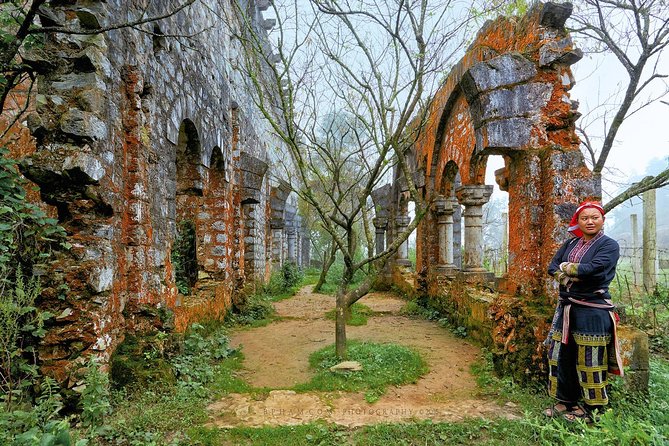
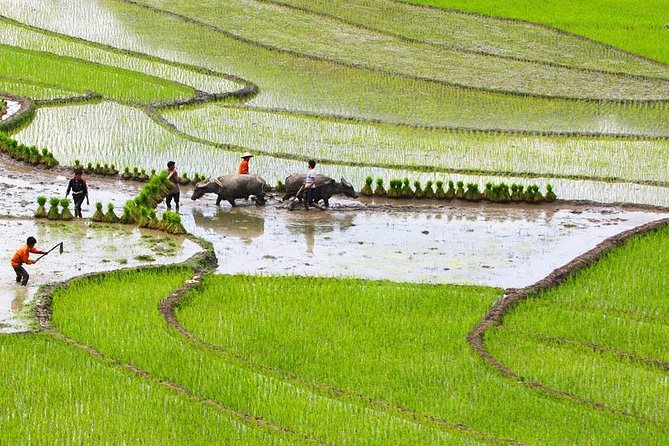
This tour keeps you in and around Ta Phin, a small Sapa-area village where Red Dao and Hmong communities live close together. The day’s appeal is simple: you’re in the right place for real village rhythm. You see terraced fields and working farmland, plus the orchid gardens and the greenery that help Ta Phin look like it belongs in a postcard—without being staged for tourists.
What makes it meaningful is the way the guide frames daily life. The tour focus isn’t on a checklist of monuments. It’s about people: how families live, how traditions show up in everyday routines, and how the different communities relate to the land. That’s also why having a guide you can understand matters. In particular, guides like May and Chacha are highlighted for friendly explanations and strong communication.
You’ll also pick up practical cues as you go. For example, village paths can be uneven, and homes and gardens are close to footpaths. Keep your pace calm and your phone ready—but not too ready. The best moments often happen when you slow down enough to look.
How the trek actually feels: rice fields, farm paths, and a small-group pace
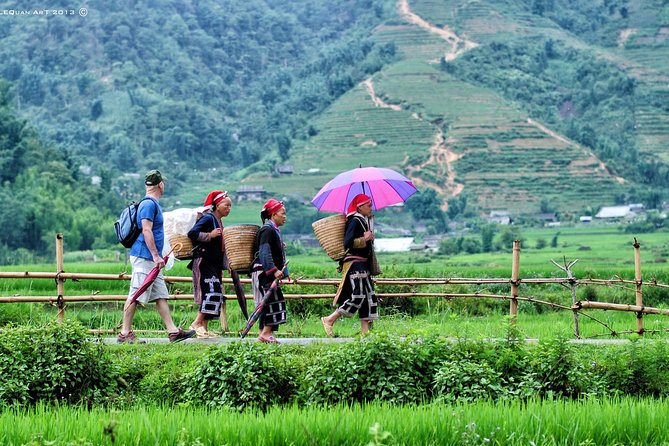
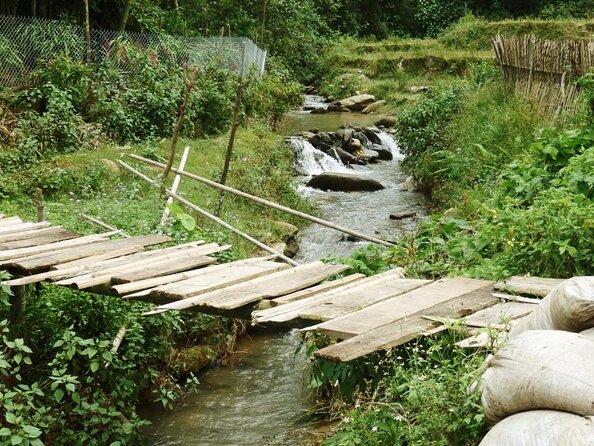
This is a 6-hour experience built around walking between cultural stops. It’s not a long-distance hike through high passes, but it still asks for attention. The terrain can be uneven, and you’re moving on paths that feel like they’re meant for locals, not tour buses.
The tour runs with a maximum of 15 people, which I consider a real plus in Sapa. Big groups turn village walking into a shuffle line. Smaller groups let you hear the guide, ask quick questions, and pause for views without feeling rushed.
Also pay attention to how the pace is handled. The day is described as a trek through the mountains with guidance that can help you pick a path that matches your comfort level. If you’re unsure about a section, you’ll want to speak up early rather than waiting until your legs already say no.
Ta Phin Cave: short, dark, and bumpy (wear the right shoes)
Ta Phin Cave is one of those stops that sounds simple—then you realize it has a specific “adventure” moment. Before the main cave space, you walk about 30 meters through a section that’s dark and bumpy. It’s short, but it’s not “cave tourism on easy mode.”
The cave itself is described as relatively small in footprint, with a listed height of 5 m and width of 3 m. Translation: you’re going to feel closer to the cave walls than you might expect, and you’ll likely move at a slow, careful speed.
So here’s my practical advice: wear closed shoes with grip and keep your hands free if you can. If you’re carrying a backpack, don’t load it up with heavy stuff you’ll regret when the ground turns uneven. Also, keep an eye on any steps or slick patches. Cave floors can be uneven even when the rest of the trek feels fine.
Ta Phin Monastery: a 1942 history layer at the mountain’s foot
After the cave, you move to a quieter, more reflective stop: Ta Phin Monastery. It’s located at the foot of the mountain and was built in 1942. This monastery used to serve as a practice place for 12 ascetic nuns connected to the Sisters of the Catholic Church of Christian Conversion.
This matters because it gives you a different angle on Sapa. Many visitors come expecting one cultural lens: ethnic minority village life. But Sapa’s story also includes religious sites shaped by historical events and later community changes. The monastery stop turns your day from “just walking and bathing” into a more layered understanding of the area.
Time-wise, it’s a short stop (about 30 minutes), so don’t expect a long guide lecture. Instead, treat it as a chance to reset your focus before the bath at the end—look around, ask what the guide can explain, then move on.
Four herbal smoke baths: where the stress leaves your body

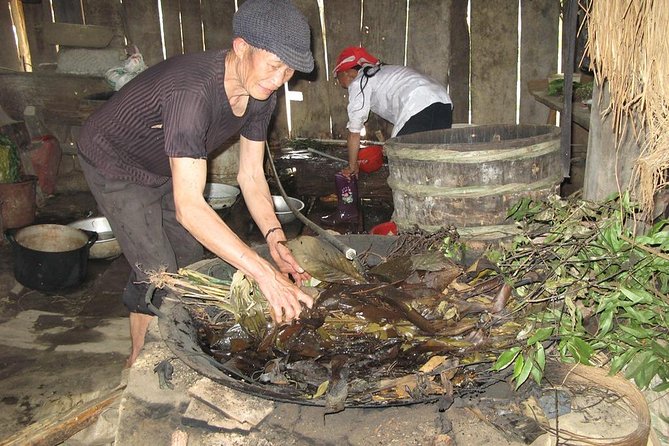
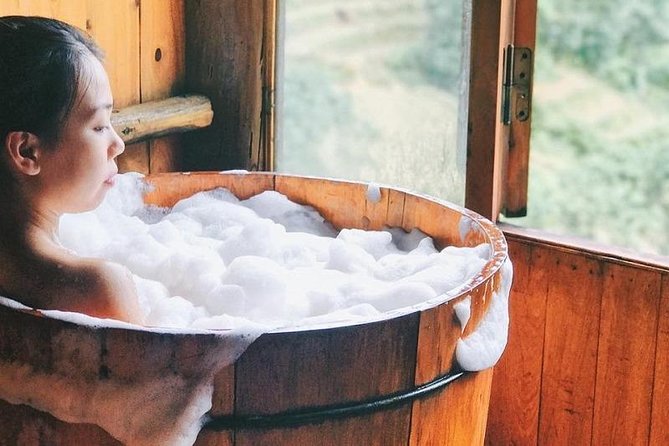
This is the part most people talk about for a reason: the bath is scheduled at the end, when you’re already tired in a good way. The experience centers on herbal smoke baths, described as four baths, and the Ta Phin herbal bath tradition is linked to something like a hundred-year practice.
The goal is comfort and recovery. The tour description frames it as help for relieving stress and easing that tired feeling you get after a trek day. That matches how it’s positioned in the flow of the day: you walk, you explore, you learn, then you switch gears and let the heat and herbal smoke do their thing.
A practical note: plan for clothes you can change out of easily and be ready to feel warm. Your guide will guide you through what to do, but this is still a bodily comfort experience, not a “look only” stop. If you’re shy, you can still enjoy it—just remember that’s the whole point of booking this in the first place.
If you care about photos, bring that mindset lightly. The bath is about feeling better, not documenting every second. You’ll enjoy it more when you treat it like a reset button.
Lunch, water, and the real value of the $39 price

At $39 for about 6 hours, this tour isn’t trying to be the cheapest way to see Ta Phin. But it is trying to be a sensible way to pack several worthwhile experiences into one day.
Here’s what’s included:
- Village entry fees
- Local guide
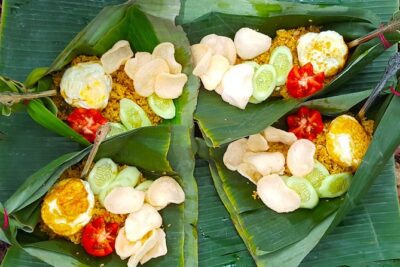
- Lunch
- Herbal bath fee
- Transportation back to Sapa
- 1 small bottle of water
That combination is what makes the price feel reasonable. A lot of Sapa tours charge low for the walk, then add on separate fees for caves or the bathing part, or they leave you to pay for meals and transport. Here, you get most of the big-cost items handled up front.
One small thing to watch: you only get one small bottle of water included. Bring a bit extra if you know you drink more than average. And don’t assume there’ll be time to buy whatever you want mid-trek.
Also: tips for guide and driver aren’t included. If you found your guide (like May or Chacha) really helpful, you’ll know where to put your gratitude.
Pickup, meeting point, and how to plan your morning
The tour starts at 9:30 am and meets at Sapa Church (P. Hàm Rồng, TT. Sa Pa, Sa Pa, Lào Cai). It ends back at the same meeting point. Pickup is offered, and you’ll use a mobile ticket, which helps on days when you’re juggling multiple stops or buses.
Because the day begins in the morning, I recommend:
- don’t sleep in if you want the calmest start
- wear shoes you’ll trust on uneven ground
- keep your phone battery charged (you’ll want it for views and cave lighting, but not for long video marathons)
The tour is also capped at 15 travelers, so you won’t feel like you’re part of a herd. That said, it’s still a group day. If you like quiet walks, you’ll get more value by sticking close to your guide and timing your pauses rather than expecting everything to be slow and solitary.
Things to know about shopping and village interactions
Sapa is still a place where people earn money from visitors, and this area is no exception. When you move through village areas, you may see some women selling items, including references to black Hmong women who offer goods. It’s not automatically a problem. It’s part of how local economies work.
My advice is straightforward:
- If something fits you and the price feels fair, support it.
- If it doesn’t, a polite no is fine.
- Don’t turn it into a negotiation circus while you’re supposed to be learning.
A good guide helps here too. When you can ask what something is and why it’s made, buying (or not buying) feels less awkward.
Who should book this Red Dao village trek (and who should think twice)
This is a strong pick if you want a culture-focused Sapa day with walking, village access, and a real-body finish in a herbal bath. I’d particularly suggest it if:
- you like learning through conversation, not just looking at sights
- you want both Red Dao village life and a cave/monastery stop in one compact schedule
- you’re excited to try the herbal smoke bath as an experience, not a side note
It’s a less perfect match if:
- you’re uncomfortable with moderate walking
- you dislike dim, bumpy passages (the cave section is short but real)
- you rely on very predictable, step-by-step mobility support
One more candid note: there’s at least one documented case of a booking being confirmed but a guide not showing up and no communication arriving. That’s not typical, but it’s enough to justify your own common sense. Keep your confirmation details handy and make sure you can reach the operator on the day.
Should you book it? My take
Book the Red Dao village trek and Herbal bath if you want a Sapa day that mixes village life, a cave experience, a monastery stop, and a bath that’s part recovery and part tradition. The included lunch, bath fee, and transport back to Sapa make the $39 feel like value rather than just a cheap ticket.
Don’t book it expecting an easy walk with no obstacles. The cave has that dim, bumpy segment, and you’ll do enough walking that shoes and pace matter.
If you’re flexible, you’ll also like that the experience is weather dependent, and if conditions don’t cooperate you should be offered another date or a refund. That reduces the odds of wasting a travel morning in fog or rain.
If your goal is an authentic, guided day with a memorable finish, this one fits.
FAQ
What is the duration of the Red Dao village trek and herbal bath?
It lasts about 6 hours.
Where does the tour start, and what time does it begin?
The meeting point is Sapa Church on P. Hàm Rồng, and the start time is 9:30 am.
Is pickup offered?
Yes, pickup is offered.
What is included in the $39 price?
Included are village entry fees, 1 small bottle of water, a local guide, lunch, the herbal bath fee, and transportation back to Sapa.
What does the herbal bath include?
The tour includes herbal smoke baths, described as four herbal smoke baths, intended to help relieve stress and tiredness.
Is Ta Phin Cave easy to walk through?
You walk about 30 meters in a dark, bumpy passage before reaching the main cave area, so wear appropriate footwear and take it slow.
What happens if weather is bad or I need to cancel?
The experience requires good weather. If it’s canceled due to poor weather, you’ll be offered a different date or a full refund. You can cancel for a full refund up to 24 hours before the experience starts; changes within 24 hours aren’t accepted, and if you cancel later you won’t receive a refund.