REVIEW · HANOI
From Hanoi: 2-Days Sapa Trekking Tour Lao Chai and Cat Cat
Book on GetYourGuide →Operated by Anny Travel · Bookable on GetYourGuide
Sapa has a way of making you slow down. This 2-day tour trades Hanoi city life for mountain air, guided walks through rice terraces, and village stops like Cat Cat and Lao Chai/Ta Van. I especially liked how the trip mixes town convenience with real time on foot, plus the way local guides help you understand daily life instead of just pointing at scenery. The big thing to think about: the hiking can get muddy and the safety setup isn’t always what you’d want in bad weather.
I also like the route logic here. You get an early push from Hanoi by luxury limousine, then you’re back in Sapa for an overnight reset and a second trek that’s longer and more terrain-heavy. One drawback to plan for: the schedule can feel rushed because the ride time eats up a lot of the two days, and the logistics around bus transfers can feel a bit unclear.
Still, if you want a tight Sapa intro with actual walking (not only shopping streets), this tour is a solid way to do it.
In This Review
- Key highlights to know before you go
- Luxury limousine from Hanoi: comfortable, but plan for time
- Day 1 in Cat Cat: the best mix of gentle trekking and village context
- Lunch and Sapa town time: use it to reset your energy
- Overnight in Sapa: where comfort matters for a long next day
- Day 2: Lao Chai to Ta Van—rice terraces, streams, and real walking
- Ta Van Bridge pick-up: how the route ends without stealing your day
- Food and pace: good structure, but expect a rushed feeling
- Who this tour suits best (and who should skip it)
- Price and value: is $92 fair for what you get?
- Practical tips to make this tour smoother
- Should you book Anny Travel’s Sapa 2-day trek?
- FAQ
- How long is the Sapa trekking tour?
- How much does the tour cost?
- Where is pickup in Hanoi?
- What are the main villages visited?
- How long is the Cat Cat village trek?
- How long and how far is the Day 2 trek?
- Is there a place to store luggage?
- What language is the tour guide?
- What should I bring?
Key highlights to know before you go

- Luxury limousine from Hanoi keeps the first leg comfortable (but expect a long drive)
- Cat Cat village trek is short and scenic, with a waterfall and a French-built hydraulic power station stop
- Lao Chai and Ta Van villages bring you into the Black H’mong and Dzay communities through rice terraces and streams
- A guided itinerary built around your hiking level helps if you’re not sure how far you want to go
- An overnight stay in Sapa gives you downtime to explore the town before the return to Hanoi
Luxury limousine from Hanoi: comfortable, but plan for time

The trip starts with pickup from your hotel in Hanoi’s Old Quarter, then you head toward Sapa by expressway. The ride is described as a luxury limousine, and in practice it tends to be the “easy button” compared with random buses. Still, you should treat it like a real journey, not a quick hop—Sapa is far enough that the clock matters.
There’s also a built-in rhythm to the first day. You stop in Lao Cai city for your first breakfast on your own, then you continue to Sapa where you’ll eat lunch at the hotel. This structure means you’re not starving at odd hours, but it does reduce your flexibility—especially if you’re the type who likes to wander the moment you arrive.
One practical thing: on the way back, you may use more than one bus segment, and bus drivers may not speak much English. It usually works out, but if you hate feeling unsure, bring a screenshot of your key details (tour name, meeting point, and hotel address) just to stay calm.
You can also read our reviews of more tours and experiences in Hanoi.



Day 1 in Cat Cat: the best mix of gentle trekking and village context
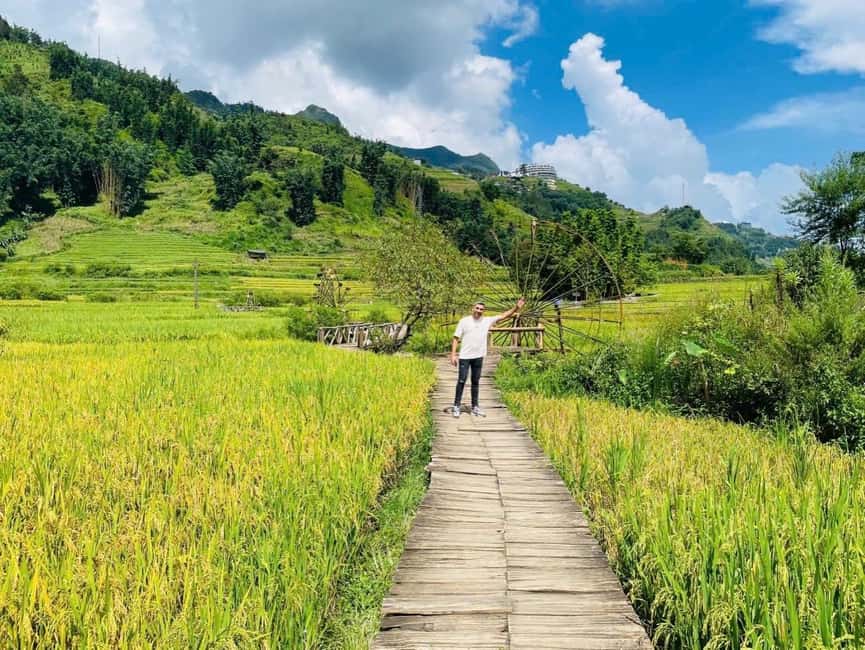
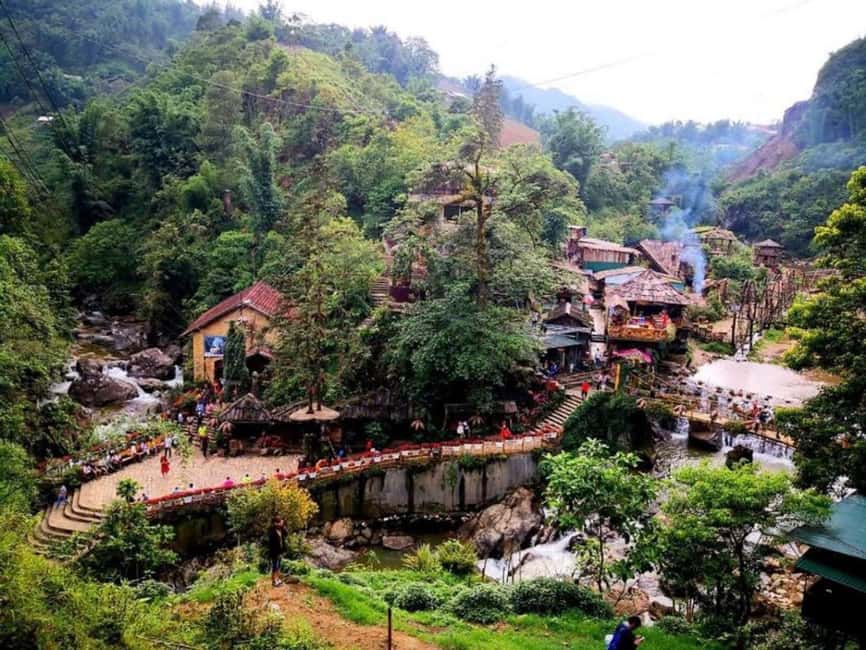
Cat Cat is one of the classic Sapa stops for a reason. You take a short trek to the village of the Black H’mong, tucked near the bottom of a deep valley at the foot of Fansipan Peak. The walk is about 3 kilometers and lasts roughly 2 hours, so it’s manageable even if you’re not in “ultra hike” shape.
Why this part works: the trek isn’t just about walking from one photo spot to another. A local guide gives you insight into everyday life, and the route includes a meaningful natural payoff—a trek down to a waterfall area. You’ll also pause to see where the French built a hydraulic power station, which adds a layer of history to what otherwise looks like a simple valley outing.
The day’s pace feels like a warm-up. You trek downhill to the waterfall, take photos, then walk uphill back to Cat Cat. If you’re traveling in cool weather, you’ll likely appreciate that the effort is spread out rather than one long grind.
A word of caution: in foggy, drizzly, or rainy conditions, routes around rice valleys can turn slick fast. You’re not doing a 12-kilometer mud march on Day 1, but you still want solid shoes with grip.
Lunch and Sapa town time: use it to reset your energy

After the Cat Cat portion, you return to Sapa Town for the evening at your leisure. This is important because Day 2 gets longer and more physical, so you’ll want time to eat well and recover.
Your lunch on Day 1 is at the hotel. In general, this is a good setup for value—having food organized saves you from hunting for a restaurant after transport and trekking. If you’re picky about timing, don’t worry too much: you’re given an evening break where you can choose how busy you want to be.
In towns like Sapa, the evening can be a mix of market browsing and relaxed cafes. I’d use this window for two things: first, get warm (Sapa weather can swing), and second, check the next morning’s trek shoes—if your soles are wet, dry them in your room rather than hoping they’ll magically become grippy.
Overnight in Sapa: where comfort matters for a long next day
You’ll sleep in an overnight hotel in Sapa (the tour overview also mentions hotel or homestay-style options). Either way, the goal is the same: you get to park your body somewhere practical after two days of movement.
This overnight stay is where the tour balances out its tight timeline. If Day 1 felt like a “tour bus day,” Day 2 becomes the trekking day. Sleeping in Sapa means you don’t lose half your morning to another transfer, and you’re more likely to enjoy the second hike rather than just survive it.
Bring warm layers even if the day looks mild when you arrive. Many people underestimate Sapa’s temperature drop, especially after rain or cloud.
Day 2: Lao Chai to Ta Van—rice terraces, streams, and real walking

Day 2 starts with breakfast at your hotel, then you pack light for trekking. Your luggage can stay in storage at reception, which is helpful because you don’t want to carry a heavy bag on uneven paths.
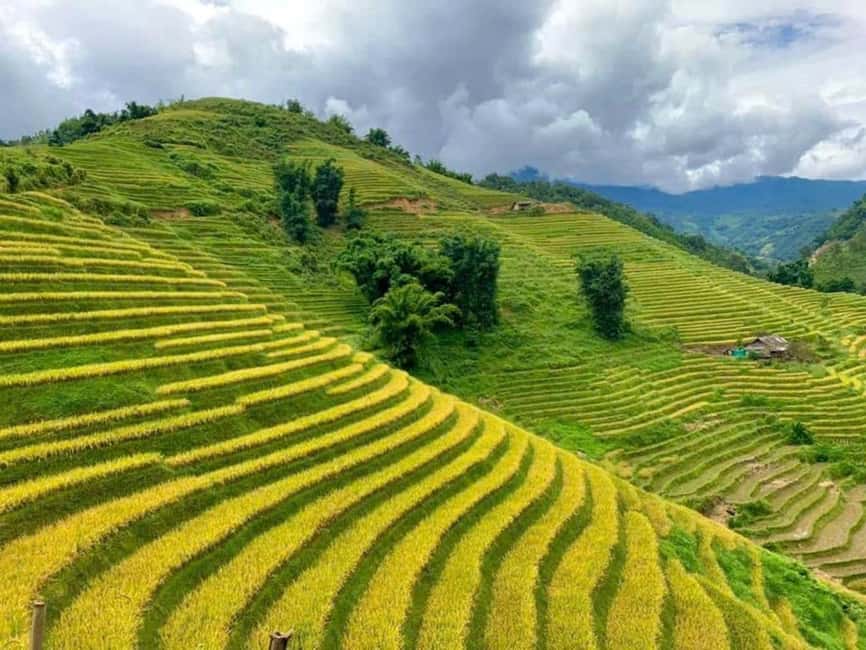
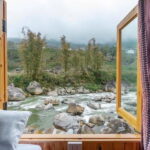
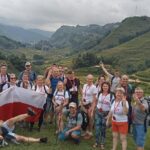
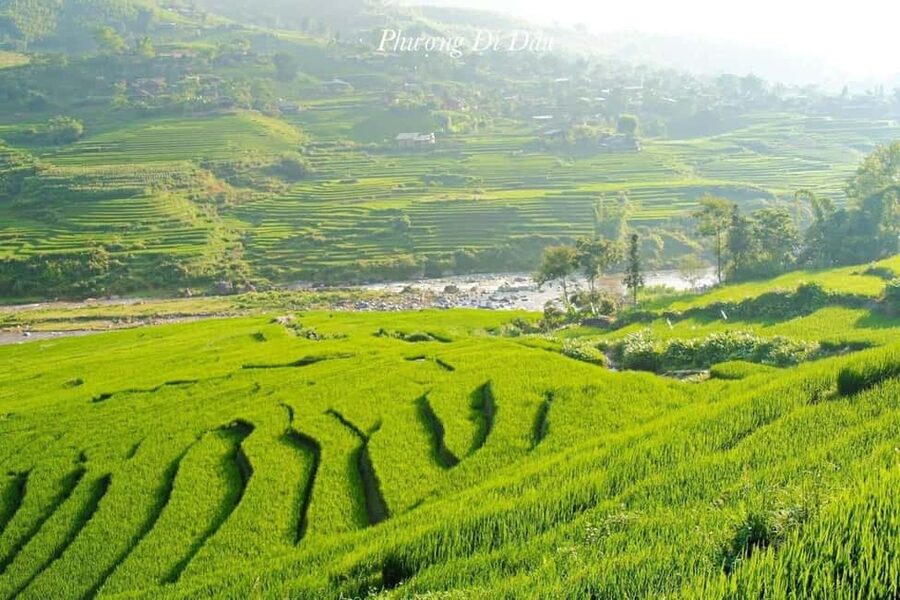
The main hike runs through the rice terraces and along Muong Hoa Streams toward Lao Chai, home to the Black Hmong community. The trek to this area is part of a longer route that also heads to Ta Van village, home of the Dzay People. The full hike is listed as about 3.5 hours covering roughly 9–12 kilometers, and your guide chooses the best itinerary depending on your trekking ability.
This is the segment where you should be honest with yourself. Nine to twelve kilometers in valley terrain is a workout, even if it’s not technically extreme climbing. In dry conditions, it feels like a steady long walk with big views. In wet conditions, you might get a very different experience—slippery footing, muddy rice fields, and rougher edges around ravines.
I’d treat footwear as the main “buy once” item for this tour. If your shoes are more fashion than function, Day 2 will remind you fast.



Ta Van Bridge pick-up: how the route ends without stealing your day
After you reach Ta Van, the bus picks you up at Ta Van Bridge and returns you to the center of Sapa. This is convenient because it prevents the common problem on trekking tours: you finish feeling spent and still have a long transfer on foot.
Then you’ll have a break at the hotel and lunch. After lunch, there’s free time for you to explore on your own before meeting your group again to prepare to return to Hanoi.
The return timing is around 14:00. There are also stops during the drive for breaks, so you’re not trapped in a single unbroken sitting session. You’ll arrive back in Hanoi in the late evening.
Food and pace: good structure, but expect a rushed feeling
The tour includes lunch on Day 1 and breakfast/lunch on Day 2, plus breakfast is also available in Lao Cai before Sapa. This means you’re not stuck deciding meals while managing travel fatigue and trekking time.
Now the honest part: because the trip includes a long drive each way, the days can feel compressed. You’re doing two treks plus transport, all within a tight schedule. That’s why the tour is best seen as an Sapa “highlight course,” not a slow travel immersion.
Some parts can also feel a little more “tour-friendly” than others. Cat Cat, for instance, is popular, so you may see tourist traffic. When you keep expectations realistic, you’ll still get value from the guided village context and the waterfall stop.
Who this tour suits best (and who should skip it)
This is a great fit if you want:
- a guided introduction to Sapa’s northern hill-tribe villages
- a balance of short and longer treks across two days
- an itinerary that keeps you moving without forcing you to plan transport on your own
It may not suit you if:
- you’re hiking-averse and want only easy viewpoints
- you travel with limited mobility, because Day 2 can cover 9–12 kilometers
- you’re sensitive to weather changes—rain can make footing tougher
- you have back or heart problems, or you’re pregnant (the tour lists these as not suitable)
- you’re traveling with children under 8 (also not suitable)
If you’re unsure where you fit, focus on Day 2. If you can handle a long walk with uneven paths and possible mud, you’ll likely enjoy the trip more than you fear it.
Price and value: is $92 fair for what you get?
At about $92 per person for 2 days, you’re paying for four main things: transport from Hanoi, guided trekking, meals during the days, and an overnight stay. In northern Vietnam, that’s a fair blend for a short timeline.
Here’s how I’d judge the value for you:
- If you would otherwise spend extra time figuring out Sapa logistics and hiring guides, the package helps.
- If you care about having a guide interpret village life, that’s a real value-add.
- If you end up in bad weather and get more mud than you expected, the value depends on how much you expected a hiking experience versus a casual stroll.
The tour earns its price most when the trek feels guided and informative, and the transport is smooth. When it feels rushed or unclear on transfers, you’re mostly paying to get included in the system, not to have perfect communication.
Practical tips to make this tour smoother
- Bring comfortable shoes with grip. Day 2 can be the surprise.
- Pack warm clothing, even if the forecast looks mild.
- Keep a light layer plan: warm on the walk, breathable when you stop.
- Expect you might need to follow your group closely on bus changes. Keep your hotel name handy.
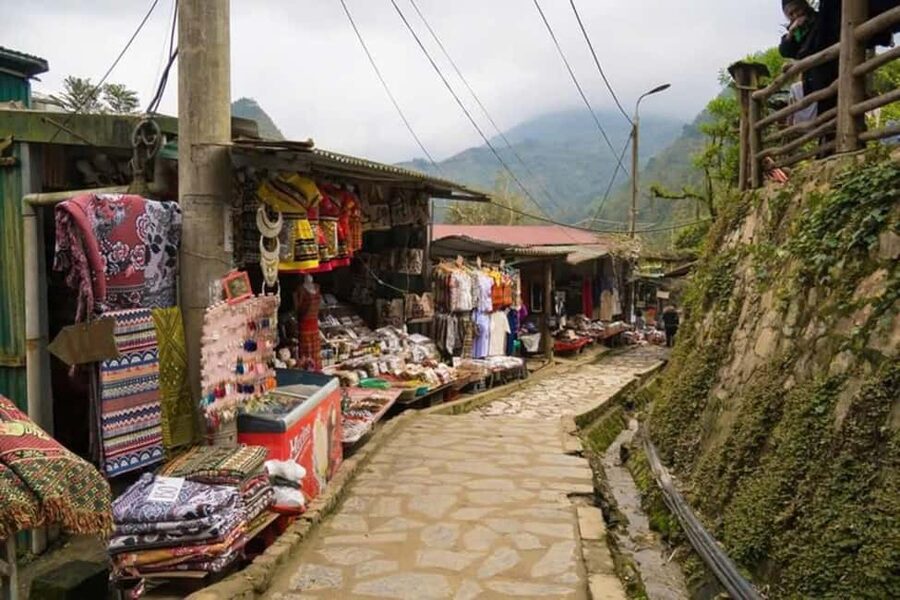
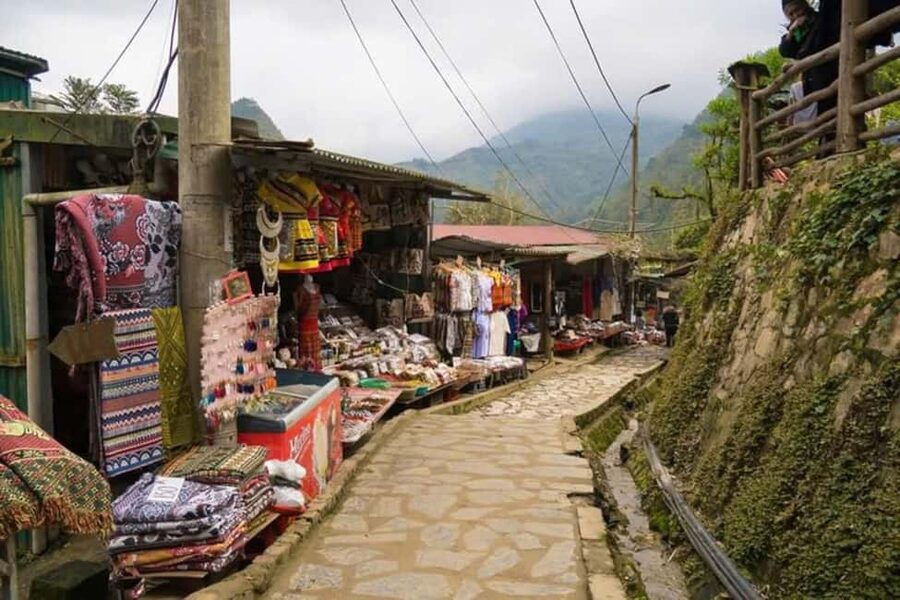
- If you don’t like souvenir pressure, set a budget for yourself early and treat any shopping stops as optional.
Should you book Anny Travel’s Sapa 2-day trek?
Book it if you want an efficient Sapa introduction: Cat Cat on Day 1, then Lao Chai and Ta Van on Day 2, with a real guide and structured meals. The price is reasonable for the mix of transport, guided trekking, and overnight time.
Skip it (or choose another option) if you hate risk with footing, dislike weather-related surprises, or strongly prefer slower travel pacing. The trip is two days long—so you’re buying highlights and movement, not a laid-back week.
If you book, go in with trekking shoes ready and calm expectations about speed. You’ll get what Sapa is best at: community visits, mountain walks, and that moment when the valley views finally feel like they belong to you.
FAQ
How long is the Sapa trekking tour?
It runs for 2 days.
How much does the tour cost?
The price is listed at $92 per person.
Where is pickup in Hanoi?
Pickup is from your hotel in Hanoi’s Old Quarter.
What are the main villages visited?
The tour highlights include Cat Cat, Lao Chai, Ta Van, and Giang Ta Chai.
How long is the Cat Cat village trek?
The Cat Cat trek is approximately 3 kilometers and lasts around 2 hours.
How long and how far is the Day 2 trek?
Day 2 trekking is about 3.5 hours and covers roughly 9–12 kilometers, depending on your trekking ability and the route your guide chooses.
Is there a place to store luggage?
Yes. On Day 2, you can keep your luggage at the hotel reception while you carry a light trekking pack.
What language is the tour guide?
The tour includes a live guide in English.
What should I bring?
Bring comfortable shoes and warm clothing.